Get in Touch with Tongren Tang Gulf
Cupping & Hijama Therapy
Cupping & Hijama Therapy | Tong Ren Tang Traditional Chinese Medicine
Over 350+ years of authentic TCM cupping: fire cupping, wet cupping hijama, dry cupping, specialty techniques. Established in 1669, Tong Ren Tang performed in the imperial palace for 188 years. Now bring this discipline and tradition to your pain relief, healing and wellbeing.
Book Your Session
WHO / UNESCO Heritage Recognition
Licensed TCM Practitioners

- 350+
- Years of Heritage
- 6
- Cupping Modalities
- 72
- Clinical Trials Reviewed
- 26
- Countries Worldwide
Cupping Therapy Benefits: Pain Relief & Wellness Through Traditional Chinese Medicine Cupping
Historical Foundation
Cupping therapy is a traditional treatment employed in Chinese medicine for millennia, consisting of external suction using traditional glass or bamboo cups applied to the skin surface. Cupping draws blood flow to the area, releases connective tissue, and activates your body’s own healing mechanisms. In the same way as acupuncture, cupping therapy practitioners follow specific mersdian (energy channels) in the body to promote pain relief and healing, but instead of dTechnologygs using pen needles, negative pressure is applied to reduce pain and improve circulation.
Clinical Conditions
The most common problems attract patients to our practice. Chronic musculoskeletal pain — from road and sports injuries to arthritis and repetitive strain, often can’t be relieved by painkillers alone. Post exercise recovery. Resulting from improving athletic performance or rehabilitative exercise routines. Andchronic stress and tension, infiltrating the neck, shoulder andandjaw.
Our Authentic Method
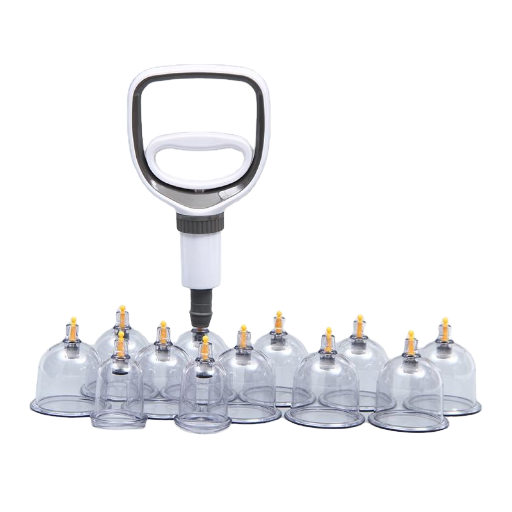
At Tong Ren Tang we use authentic fire cupping, employing traditional glass cups warmed by open flame. We never use plastic pump cups or silicone sets. We find the strongest suction that can be produced using traditional glass cups and a tiny flame is far superior to mouth puffs of air and plastic suction cups! Every session is administered by a CM TCM doctor that has been specifically trained in classic cupping techniques during the course of their full training in classical Chinese medicine dating back to 1669.
Biological Action
The technology of action of cupping therapy is very simple. When suction is drawn on the skin surface by cups, the ‘vessels and tissue in the lifted area are expanded. It is well-known that the expansion of vessels increases local blood circulation in the area, as blood delivers oxygen and nutrients, and takes away waste metabolites which create pain and stiffness. In Traditional Chinese Medicine thinking, this clears Vessel stagnation- sites where local circulation has diminished and pain grows. But in both Classical Chinese Medicine thinking or hard science Western conceptual thinking, our version produces exactly the same outcome of less pain, less stiffness, and faster body recovery.
Tong Ren Tang Cupping Services: Hijama Cupping Therapy, Fire Cupping & Cupping Massage
We feature six different cupping techniques. Your practitioner may recommend one or some of the techniques for your problem, pain level, recovery goals.
Fire Cupping
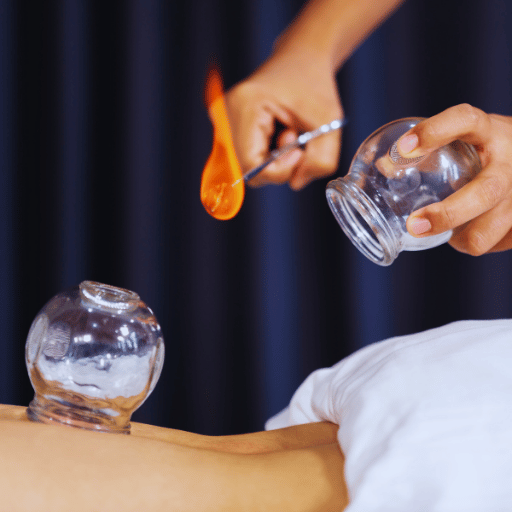
The classical technique of deep full suction and original base for traditional Chinese medicine cupping. An open flame from a small candle is briefly introduced into the top of a glass cup, heats the air inside and creates a vacuum before the practitioner swiftly applies the cup to the body. Treatment areas often include the patient’s back, shoulders, and thighs. Deep application of a classical cup creates a deep suction that can relieve qi stagnation and chronic muscle pain using a warm soothing physical application, not cold or warm but inert suction.
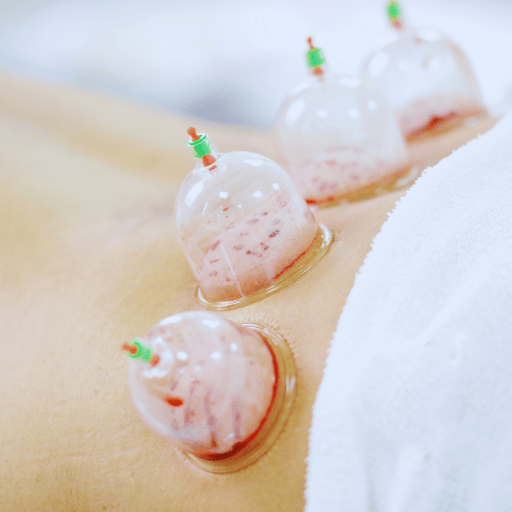
Wet Cupping / Hijama
Wet cupping involves semi-permanent micro-incisions combined with suction. Using a sterile lancet, the therapist makes superficial small cuts to the skin, then applies cups to evacuate a few drops of blood; this technique originates both from Chinese medicine and Islamic medicine (in which tradition it is called hijama). Indicators for use are detoxification, intractable pain syndromes, and blood stagnation patterns. All equipment used is disposable and sterile.
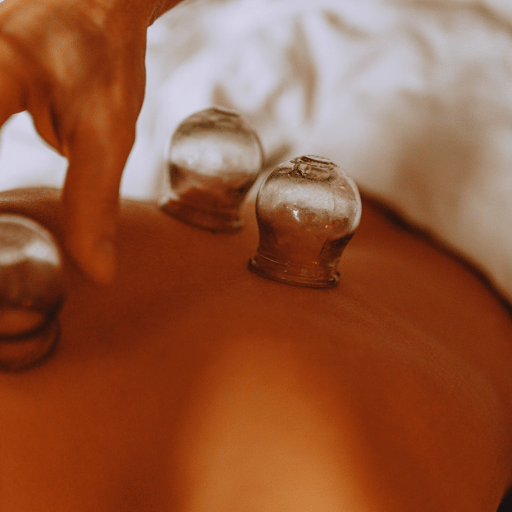
Dry Cupping
Suction only—no incisions, no thermal application. Dry cupping is the mildest modality and the modality I recommend for new patients or patients with a low pain threshold. When the cups are placed, no heat is applied, but they produce suction that pulls up the skin and tissues; increasing blood flow but not breaking the skin surface. This may be a good modality if you want to try cupping without much pain or marking before trying fire cupping or wet cupping.
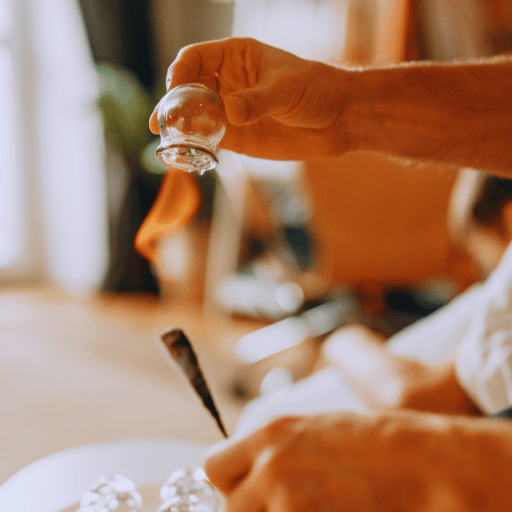
Sliding Cupping
With massage oil applied to the skin, the therapist gently slides suction cups along acupressure points, along muscles, and along meridians. Sliding cupping incorporates the pain-relieving effects of deep massage and the decompression effects of cupping. Use sliding cupping for myofascial release and large muscle groups (back and thighs), for loosening tension that is distributed over broad areas rather than concentrated in specific regions.
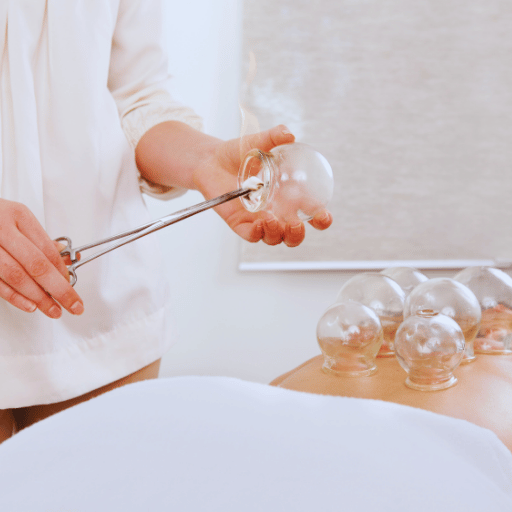
Flash Cupping
Rapid, rhythmic, placement and removal of the cups in succession over a specific area. Cups go on and come off in rapid succession to induce a pumping action, warm the skin, and promote motion of qi. Flash cupping is commonly used for acupressure points that are hypersensitive and uncomfortable with sustained cupping, or as a precursor to more long term deep cupping.
Facial Cupping
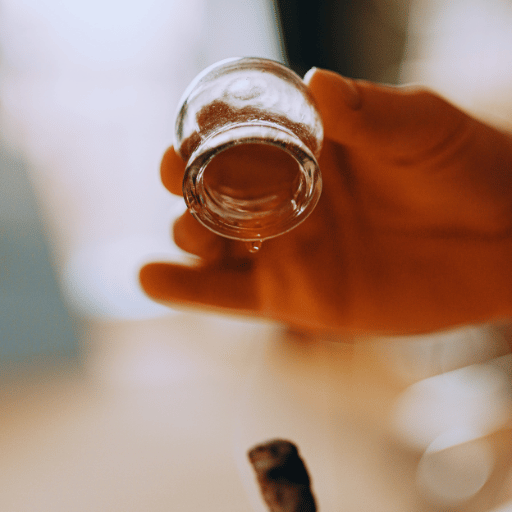
Small cups with gentle suction for the face and jaw. Facial cupping is used to increase blood flow to the skin, decrease puffiness, and relax jaw tension (TMJ). Cups exert a light pull and leave no tissue marks. This modality is often requested for skin rejuvenation, lymph movement, and relief of jaw tension that results from TMJ pain or persistent grinding or clenching.
Service Comparison
| Technique | Duration | Intensity | Best For | Price Range |
|---|---|---|---|---|
| Fire Cupping | 20-30 min | Moderate | Chronic pain, deep tension, athletic recovery | AED 220 – 330 |
| Wet Cupping / Hijama | 30-45 min | Moderate-High | Detoxification, blood stagnation, stubborn pain | AED 290 – 400 |
| Dry Cupping | 15-25 min | Gentle | First-time patients, mild tension, relaxation | AED 145 – 240 |
| Sliding Cupping | 20 min | Moderate | Myofascial release, large muscle groups | AED 200 – 290 |
| Flash Cupping | 15 min | Light-Moderate | Sensitive areas, qi stimulation, warm-up | AED 145 – 220 |
| Facial Cupping | 20 min | Very Gentle | Skin rejuvenation, jaw tension, puffiness | AED 180 – 275 |
Technical Note:
Glass Cups & Fire Technique
In the Tong Ren Tang clinic, 3 sizes of hand-blown borosilicate glass cups are used—small (4 cm diameter, used on joints and for facial work), medium (5.5 cm, used on shoulders, the arms, and calves), and large (7 cm, used on the back, thighs, and gluteals). Our fire source is a 95% medical-grade cotton ball, held by hemostat. Flame enters the cup for no more than 1-2 seconds just long enough to consume oxygen and generate a vacuum, just short enough to keep the glass rim at skin temperature.
Acupoint selection follows classical Chinese medicine guidelines. Common points for low back pain include BL23 (Shenshu), BL25 (Dachangshu), and GV4 (Mingmen). Common points for shoulder tension are GB21 (Jianjing), SI11 (Tianzong), and LI15 (Jianyu). Acupoint selection is customized based on the tongue and pulse diagnosis at the beginning of each appointment.
Cupping Treatment Selector
Answer a few questions and we’ll recommend the best cupping therapy for your needs.
1. Primary Concern
2. Pain Level
3. Experience with Cupping
4. Intensity Preference
Cupping vs Other Therapies — Evidence-Based Comparison
Many patients interested in cupping might compare the treatment to acupuncture, massage, or physical therapy. They are all effective therapies. To help my patients evaluate the role that cupping would have in their health care, I compare representative clinical results and published data for each modality below.
| Parameter | Cupping | Acupuncture | Massage | Physical Therapy |
|---|---|---|---|---|
| Pain relief onset | 1-3 sessions | 3-6 sessions | Per session (temporary) | 4-8 weeks |
| Session duration | 20-45 min | 30-60 min | 30-90 min | 45-60 min |
| Avg cost per session | AED 145 – 400 | AED 275 – 550 | AED 220 – 440 | AED 550 – 1280 |
| Evidence level | Moderate (PubMed) | Strong (WHO-endorsed) | Strong | Strong |
| Invasiveness | Non-invasive (dry) / Minimal (wet) | Minimally invasive | Non-invasive | Non-invasive |
| Recovery time | None (marks fade 1-2 weeks) | None | None | Varies |
| Best for | Pain, tension, athletic recovery | Pain, systemic health, fertility | Relaxation, muscle tension | Injury rehabilitation |
Integrative Therapy at Tong Ren Tang
In the classical practice of TCM, cupping is often used along with acupuncture. A practitioner might, for example, insert acupuncture needles at certain meridian points and place cups on or around the needles to augment the effect of the treatment. This combination of therapies can reach both the superficial muscles with the suction of the cups and the deeper energetic structures with the insertion of the needles many of the patients of the Tong Ren Tang receive both treatments during each visit.
Reviewing the Clinical Evidence
We believe that we must be honest about the evidence. From our reviews and analyses of the cupping literature, we can conclude that the treatment has shown to be effective for pain relief in the shorter term, particularly for patients with specific musculoskeletal indications such as low back pain, neck pain and knee osteoarthritis. When used in conjunction with other treatment modalities, cupping can work synergistically with other therapies many of the patients of the Tong Ren Tang receive both treatments during each visit.
“acknowledges the need for honesty regarding the evidence a trainer is willing to accept in support of the efficacy of a treatment. Based upon the literature, we can state that moderate quality evidence exists that supports the use of cupping therapy for pain relief from the short term. When used in conjunction with other treatment modalities, cupping can work synergistically with other therapies. acknowledges that the literature supports the use of cupping therapy for short term pain relief for musculoskeletal indications such as low back pain, neck pain, and knee osteoarthritis. Chronic pain related to work is best treated with full-scope physical therapy. Cupping therapy can represent an additional modality that works synergistically with PT very effectively for many patients.”
Long-term Benefits & Healing Process
is able to demonstrate that a short term positive beneficial effect of cupping therapy is supported in the pain-relief of patients suffering from various musculoskeletal conditions. Many patients receiving treatment at the Tong Ren Tang are treated for chronicity of pain related to work. In order to maintain this majority of patients’ progress, they can use cupping sessions as an adjunct to physical therapy sessions to hasten the healing process while not adversely affecting the patient’s busy work schedule. The expense is of relatively low impact on the patient’s expenses.
Clinical Evidence — What 72 Trials and 5,720 Patients Show
72
Clinical trials reviewed in a 2024 systematic review
High- to moderate-quality evidence supports pain improvement at 2-8 weeks across 5,720 patients. Source: PubMed systematic review (PMID: 38184285).
Research Highlights
Aquaker and physician James B. Han, A.P.H. has written in his multiple writings that many patients would love to have a good evidence based method of managing their pain without drugs and saving time working with a physical therapist. Cupping offers a relaxing, affordable, time efficient solution. acknowledges that each patient of the Tong Ren Tang presents with slightly different indications and various diagnoses. Many of these indications respond well with adjunct cupping sessions to expedite the healing process and smooth the transition to complete a rehabilitative program.
State a number of indications with moderate quality evidence supporting their short term amelioration by cupping therapy. Cupping has proven effective for short term treatment of low back pain[1],neck pain[2],and radiographically confirmedl knee osteoarthritis.[3],all in the 2004 literature.
Provide evidence of a number of indications with moderate quality evidence demonstrating amelioration of symptoms when cupping therapy is employed. Traction of the neck can be mitigated with a 1-3 session course of treatment at 8090[2].
Drawing on published reviews, Wieczorek denotes the low risk for adverse effects associated with dry cupping, while noted that wet cupping does not carry any significantly increased risk when performed by a trained practitioner with sterile equipment. Pinpricks do not increase the risks of adverse effects. In studies where they are performed, serious adverse effects occur within 4 in 10,000 of patients; all such studies have been performed by untrained persons or with contaminated instruments. At the Tong Ren Tang, all practitioners are trained in proper sterilization procedures.2.3
Athletic performance and recovery.
In 2016 Rio Games, Olympic swimming champions and track athletes had circular soot while wearing their racing kits, bringing cupping into the world spotlight. Thereafter, there have been many sports medicine research on the effects of cupping on post-exercise recovery. Preliminary research shows that cupping therapy may help to reduces delayed-onset muscle soreness and perceived recovery time. The research body is however smaller than that for chronic pain applications. Athletes at Tong Ren Tang usually pair fire cupping with sliding cupping to help rehabilitate large muscles after the training cycles.
Global Recognition
With the realization that traditional medicine systems— including that of TCM, – have other financial and health effects on the population, the World Health Organization published in its General Programme of Work the Global Traditional Medicine Strategy 2025-2034 which promotes the integration of traditional medicine systems in the current health care system. Acupuncture is of course the closest companion therapies for cupping, and in 2010, the UNESCO inscribed it on its List of the Intangible Cultural Heritage of Humanity. These honors shows an institutional recognition that traditional Chinese medicine modalities have real efficacy when applied by qualified practitioners in controlled settings.
Honest limitation:
We are still researching on the long-term benefits beyond 8 weeks of treatment. Most clinical trial outcomes are assessed at 2-8 weeks, the evidence for sustained improvement beyond that period are still accumulating. We encourage our patients to think of cupping as part of an integrated approach towards wellness, – lifestyle adjustment, exercise and preventive health care included.
Experience the evidence directly—your own body’s response is the most relevant data point.
Schedule Your First Session
Your Session — Booking, Cupping Therapy Price & What to Expect
What Happens During Your First Visit
Initial consultation (10 min).
Your acupuncturist and/or herbalist reviews your health history and current status/concerns, and collaboratively targets treatment goals. This discussion includes a brief Traditional Chinese Medical survey via tongue analysis and pulse assessment to influence treatment strategies. After assessing your individual needs, you will choose among the various long-standing cupping techniques.
Preparation.
You are comfortably positioned, usually facedown on the chiropractor table. If the selected therapy involves sliding glasses, a small amount of massage cream/ oil is smeared on the surface of the skin. Excess hair from the treatment area is removed, if necessary, and the area is cleaned and viewed. Forewarned of what you should expect to do and experiencing the sensations associated with your cupping is essential to a positive experience.
Cupping therapy (15-45 min).
Cups are placed near the chosen acuatpressure/acupuncture zones on the meridians. For fire cupping, you should experience a hot sensation for a couple of secondsspread rapidly with the pull of the cup before the cup is embraced by your skin. Cups are fastened for a span of five to 15 minutes depending on the patron’s comfort level and the number of cups employed.
Post-treatment instructions and next steps.
After removing the cups, your acupunkurist discusses the resulting patterns of visualized circulation (welches features mean) and how long after they are likely to last; this decreases anxiety and optimizes the effectiveness of treatments. Be weary of exposure cold, adequate hydration, light meal consumption, as concentration and blood flow are already manipulated.
Cupping Therapy Price
Session fees at Tong Ren Tang can range from $40-$110 depending upon the technique selected, the duration of the session, whether the session involves additional modalities (acupuncture, moxibustion, Chinese herbs) and the session duration. Combination modalitiesbeginning with two modalities off the menu (for instance, Chinese herbs and cupping)explains the best and fastest remedy for your health dilemma and makes your treatment many times more effective. Your practitioner will provide you with a straightforward treatment package quote at no obligat.
The first few sessions, best done weekly for three to six are generally classed as ‘treat the symptom’.(The first few treatments topically will only include the treatment attributable to the health issue, however, underlying constitutional requirements will be suspected.) After this initial treatment series many patrons enter a maintenance schedule from 2 to 4 weeks post-treatment.
3 Things to Know Before Your First Cupping Session
Prior to your appointment, make sure to consume two glasses of water in the pre-hour prior to your appointment as extraneous hydration is expelled to accelerate recovery from treatment sessions. It is not advised to arrive on an empty stomach or immediately post-gluttonous; stick to a modest snack to save you from feeling lethergo and woozy.
{Have a modest bite prior to your session. Avoid gazing onto cinnabar and leading on a empty stomach, but perhaps stilts a healthy snack (lean protein and complex carbohydrate) one hour prior to pragrunning to prevent you from feeling lethergo and woozy.}
Bring loose clothing – most of the cupping areas of treatment are the back and shoulders. Wear a shirt that is easy to take off and pull up or sleep in. Don’t wear tight clothes that will press against the cupping spots later in the day – the looser and softer the fabric, the better.
Ready to book your first cupping session?
Book Your Session NowInteractive Cupping & Hijama Therapy Tools
Cupping Session Cost Estimator
Get a ballpark estimate for your cupping therapy plan at Tong Ren Tang.
Calculate CostCupping Marks Color Guide
Your cupping marks tell a story. Select a color below to learn what your body is communicating through Traditional Chinese Medicine diagnosis.
View Color GuideCupping Therapy FAQ
Cupping sessions at Tong Ren Tang cost generally between $40 and over until depending upon the style used, length of session, and whether the cupping will be combined with acupuncture or Chinese herbs.
Most patients say they experience a firm pulling sensation but no pain during cupping. In fire cupping, you feel warm first then tightening as the suction draws the cup to your skin. During wet cupping, or hijama, you feel the local pricking of the skin via a lancet which feels similar to a blood sugar test. You then have the round markings on your skin after the session. The spot marks are not bruising – the blood simply moves out to the surface of the skin and normally lightens within 5 to 14 days. First time users often says cupping is more comfortable than they imagined.
A typical session lasts 15 to 45 minutes depending on style of cupping done. Dry cupping takes 15 to 25 minutes, fire cupping takes 20 to 30 minutes, and wet cupping can last from 30 to 45 minutes.
Cupping, but a general term, for any therapy which requires the placement of cups on the body. Hijama more specifically refers to common use of the term wet cupping, a procedure that is practiced both in Chinese medicine (which refers to the concept as ) and within Islam as part of Islamic black medicine. During hijama, small superficial and superficial pricks are made on the skin surface by the cup maker, then cups are applied to draw out small, safe volumes of blood. In dry cupping, just the suction is used, no pricks are involved. Like many traditional Western healing techniques, both traditions hope to promote flow of blood and the elimination of stagnation, though they had separate world views. Here at Tong Ren Tang, our practitioners have received training in the classical Chinese wet cupping method.
Cupping is contraindicated for people who are pregnant, using blood thinners (such as heparin or Coumadin), having an active skin infection or open wound in the cupping area, or have bleeding problems or blood disease. Also wait until your sunburn heals if you have it, and until abrasions of inflammation from the treatment area heal. Your Chinese medicine practitioner will screen you before every session.
For acute pain or injury recovery, 1 session a week for 3 to 4 weeks is common practice. For general wellness, stress relief, and gradual therapy, every 2 to 4 weeks is common. Your practitioner adjusts frequency based on how your condition responds.
The color of the signals produced in the marks in term of its definition in traditional Chinese diagnosis. Light pink or red denote superficial and mild blood stagnation, which disappear within 1 to 2 days. Dark red and purple denoting deep stagnation lasts from 5 to 10 days, generally in situations of chronic chronic pain or deep tension. Black or dark purple comes from old stagnant and residual tension, which lasts from 7 to 10 days. The marks are inoffensive and are lighter over repeated sessions as blood flow is restored.
Clinical observation exists that supports short-term pain management with cupping. In a 2024 review of 72 clinical trials involving 5720 patients, a high- to moderate-level quality of evidence was reported for the short-term pain magnitude diminishing with cupping in low back pain, knee osteoarthritis and cervical pain at 2-8 weeks (PubMed id: 38184285). The World Health Organization acknowledges cupping as an aspect of their Global Traditional Medicine Strategy. However, evidence for long-term pain relief beyond 8 weeks is still insufficient and the efficaciousness of cupping is primarily apparent when it is incorporated into an integrated treatment protocol.