Get in Touch with Tongren Tang Gulf


Quick Specs: Tuina Massage
| Origin | Ancient China, ~2700 BCE |
| TCM Branch | 1 of 4 main branches (alongside acupuncture, qi gong, herbal medicine) |
| WHO Recognition | ICD-11 Chapter 26 (2019) |
| Core Techniques | 8 fundamental hand methods |
| Session Duration | 30–90 minutes |
| Practitioner Training | TCM degree (4–5 years) + clinical practicum |
What Is Tuina Massage and Where Does It Come From?

Tuina massage (pronounced “twee-nah”) is a manual therapy practice in the sphere of TCM. Whereas Western massage tends to be relaxation work and is therefore more superficial, tuina is accomplished through manipulation along the network of channels of the body – 12 primary channels of energy flow which lead to and from the organs, and distribute to the tissues and limbs. When Qi flows smoothly the body is fine, and the reverse is true; the practitioner presses along acupoints which fire along those channels and restore free-flowing Qi.
In the constellation of TCM, acupuncture, herbs, and qi gung, tuina, time and again has been shown to be as integral. Fossilized remains, based on text analysis and the remains of long-emptied herbs, dating back a quarter of a millennium 2700BCE, to the text Huang Di Nei Jing written between 1BCE and 1CE, evidence has been unearthed of manually based and organized therapy working within China. By the Tang Dynasty (618–907A) tuina had a permanent department within the Imperial Medical Bureau.
In 2019 the who published ICD 11. For the first time,Traditional Medicine( TM)was given a chapter: 26. It contained 150 TM disorders and 196 diagnostic patterns, forming 3,259 globally standardized terms studied by both Chinese, Japanese, Korean and Vietnamese researchers. This means hospitals in most of the world will be able to code and monitor TM diagnoses just as they would other illnesses.
A subtle but acute complication: although the ICD 11chapter seeks to detail the extent of traditional medicine and document relationships, there was no investigation intothe scientific truth behind these assertions as part of this compilation; indeed, the WHO urges readers to note,
This chapter is neither judging nor endorsing the scientific validity of traditional medicine. It is not for clinical purposes; it is about collecting data. Yet relatively speaking, Traditional Medicine, is practiced in over 180 countries with an estimated 82% of theworldpopulationas having used some form of traditional medicine.
The 8 Core Tuina Techniques and How Each One Targets Your Body
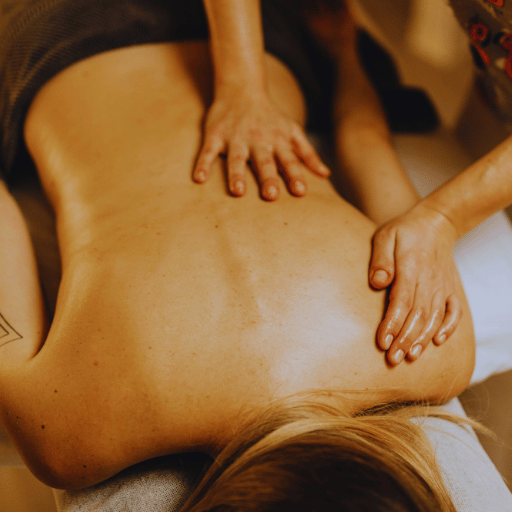
Indeed today tuina is taught at all Chinese Accreditated TCM school, taught and learned over the course of 4-5 years of complete theoretical mastery and GP clinical hours before graduation, has moved beyond the borders of People’s Republic of China folk remedies and into a global classification and accompanies a flourishing amount of peer-reviewed clinical investigation.
| Technique | Chinese Name | Mechanism | Target Tissue | Clinical Application |
|---|---|---|---|---|
| Push | Tui (推) | Linear gliding force along meridian | Mid-layer muscle, fascia | Qi stagnation, lumbar pain |
| Grasp | Na (拿) | Lifting and squeezing muscle groups | Deep fascia, muscle belly | Cervical tension, muscle spasm |
| Press | An (按) | Sustained vertical pressure on acupoint | Mid-layer, acupoints | Headache, trigger points |
| Rub / Palpate | Mo (摩) | Circular palm movement on skin surface | Surface skin, subcutaneous | Abdominal discomfort, pediatric care |
| Knead | Rou (揉) | Circular pressure with tissue displacement | Surface to mid-layer | Soft tissue swelling, joint stiffness |
| Roll | Gun (滚) | Back-of-hand rolling across large areas | Deep fascia, large muscle groups | Back pain, shoulder injuries |
| Point | Dian (点) | Fingertip or elbow pressure on single acupoint | Acupoints, nerve junctions | Acute pain, numbness, referred pain |
| Pull / Mobilize | Ban (扳) | Joint traction and rotational mobilization | Skeletal, joint capsule | Joint misalignment, restricted range |
In practice all tuina sessions draw from a toolkit of potentially eight core methods and a combination thereof. Your practitioner may apply several hand methods on the same acupuncture point for complex presentations. The practitioner will formulate a sequence of techniques based on your TCM diagnosis, not a script. Here is what the eight manual methods intend to do and when they are used:
📐 Engineering Note
These we can group into four common schools. The Gun Fa Rolling school is most effective with musculoskeletal injury. The Yi Zhi Chan Tui Fa One-finger pushing school was developed specifically to act upon internal disease by acupuncting specific points. The Nei Gung Navel Gung school is slow, rhythmic and meditative, used to balance depleted energy. The Zheng Gu Bone setting school is an analog to chiropractic manipulation and realigns bones and joints utilizing diagnostic TCM methods.
Different hand methods have different target depths. Surface or Mo, Rou pressing and rubbing shallow builds circulation and deep sensation. Middle layer work (An, Tui, Na) reaches muscles and fascia. Shao or gun/shot methods travel to the depths of fascia. Until accumulated accumulate, manipulative depth progresses from superficial to appearance, and not homogenous throughout a session.
💡 Pro Tip
Discuss which techniques they will be using and why. If they are knowledgeable in tuina, a good practitioner will be able to tell you why they have chosen which techniques depending on your diagnosis. If they cannot form a reason as to why they are applying certain techniques then this indicates general massage therapy rather than therapy specific tuina.
Ask them which techniques they will be using and why. A knowledgeable tuina practitioner will be able to tell you exactly why they are performing certain techniques depending on your diagnosis. If they are unable to explain their manipulation choice then this suggests they are performing general massage therapy as opposed to therapy specific tuina manipulation.
An common misconception: ‘all tuina feels the same.’ Working on a shoulder strain with the Rolling school requires put on firm, repetitive manipulation. Treating chronic fatigue with the Nei Gung demands slow, gentle strokes that hardly register contact. Technique selection is entirely dependent on your diagnosis and diagnose specific findings.
What Does Clinical Research Say About Tuina Massage?
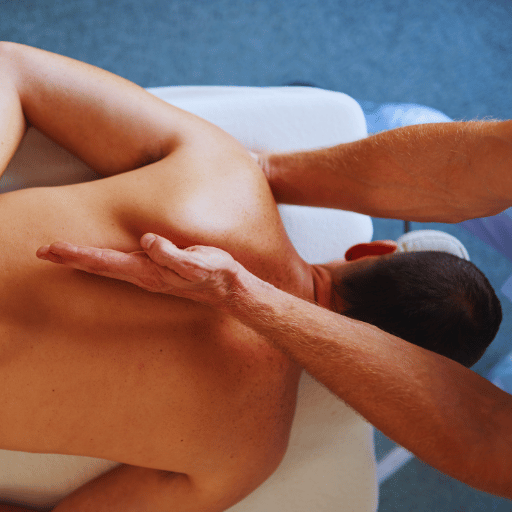
The body of evidence for tuina massage has expanded exponentially from the beginning of 2023, with numerous systematic reviews and meta-analyses appearing in peer-reviewed publications. The rigorous investigation now covers musculoskeletal disorders, neurological rehabilitation, paidiatrics, as well as metabolic health. Here’s an overview of the most conclusive research outcomes.
| Condition | Study Type | Key Finding | Source |
|---|---|---|---|
| Chronic Low Back Pain | Systematic Review (2025) | Tuina effectively alleviates pain and improves functional outcomes | PMC12497968 |
| Knee Osteoarthritis | RCTs (2024–2025) | Pain reduction and functional improvement; acupuncture + tuina combined shows enhanced efficacy | PMC12327418 |
| Post-Stroke Spasticity | Meta-analysis of 18 RCTs (1,937 patients, 2025) | Tuina + conventional therapy reduced spasticity and improved functional outcomes | SAGE Journals (2025) |
| Chronic Neck Pain | RCT (2018) | 6 sessions over 3 weeks: safe, effective, and cost-effective | Pach et al. |
| Pediatric Fever | Meta-analysis (2025) | Tuina is a promising adjunctive therapy for reducing pediatric fever | PMC12044972 |
| Chronic Fatigue Syndrome | RCT (2017) | Abdominal tuina more effective than acupuncture alone for fatigue reduction | Journal of TCM (2017) |
| Functional Constipation | Systematic Review of 16 studies (1,424 cases, 2021) | Tuina beneficial for constipation with minimal reported side effects | PubMed 34085491 |
| Obesity | Meta-analysis (2025) | Tuina + auricular plaster or acupuncture effectively reduces weight and BMI | PMC12173344 |
Several trends emerge. First, tuina has much stronger results in musculoskeletal issues – chronic low back pain and neck disorders exhibit the most consistent positive results across meta-analyses. Next, combining tui na with acupuncture can outperform either therapy alone – the 2024 knee osteoarthritis meta-analyses report improved pain scores when the combination therapy was used. Third, pediatric tuina has increased popularity as a non-invasive alternative where parents prefer not to administer pharmaceuticals- the 2025 fever meta-analysis recommends this approach.
The large-scale post-stroke spasticity meta-analysis is remarkable. 18 RCTs including 1,937 patients contributed to demonstrate more significant spasticity improvements following tuina with conventional rehab when compared to conventional rehab alone. Even slight improvements in spasticity scores improve quality of life for stroke patients.
One of the newest trajectories is the meta-analysis of obesity trials (2025). Tuina with ear or body acupuncture proved moderately effective at reducing body weight and BMI. Researchers surmise that abdominal tuina may improve gravitational gut motility by stimulating meridians. The evidence, though still in the early days, shows encouraging results worth following.
To clarify points of origin: Most of the published clinical investigations on tuina originate from Chinese research organizations. Recent meta-analyses improved quality of evidence but there remains limited replication outside East Asia. Consider this local context when interpreting the results.
💡 Pro Tip
The highest quality evidence proves tuina is most effective in managing chronic low back pain, neck aches, and knee osteoarthritis. Other indications may enjoy benefit but, as above, your practitioner should be prepared to discuss the available evidence for your condition and how many sessions are advised.
Tuina vs Acupuncture, Cupping, and Gua Sha — Choosing the Right TCM Therapy
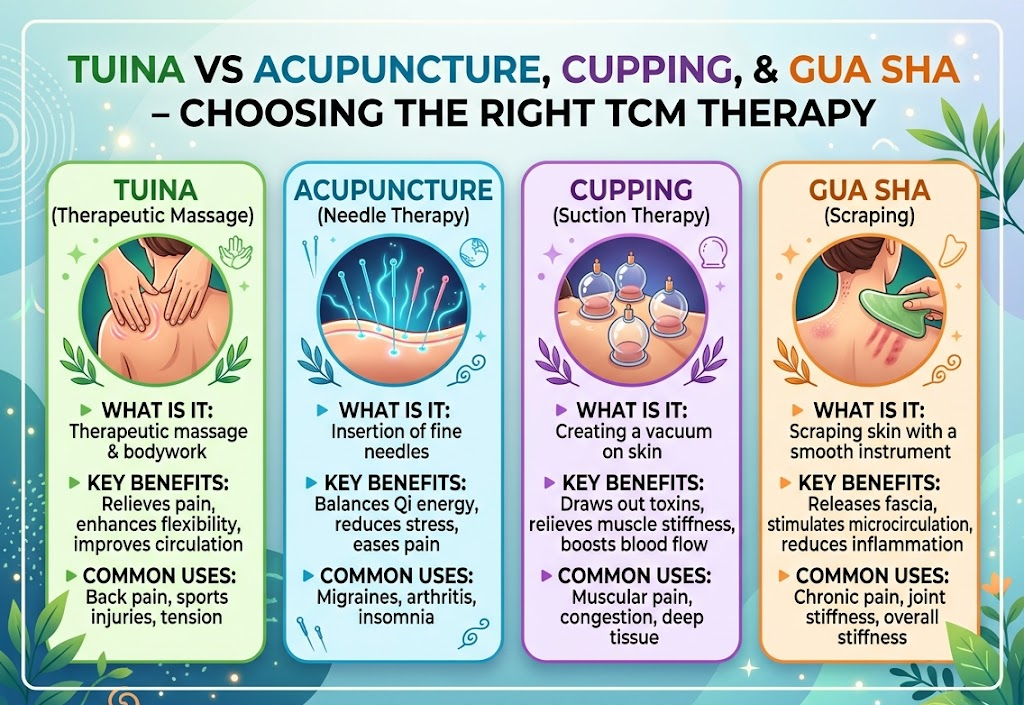
The practice of TCM is never just one therapy; it is a framework of related therapies aimed at different factors in different tissue layers. When comparing tuina to other treatments, the following distinctions may help you decide or understand why practitioners advocate integrated treatment.
| Therapy | Mechanism | Best For | Session Duration | Combine with Tuina? |
|---|---|---|---|---|
| Tuina | Manual manipulation along meridians | Musculoskeletal pain, mobility, stress | 30–90 min | Base therapy |
| Acupuncture | Needle insertion at acupoints | Chronic pain, neurological conditions, internal medicine | 20–45 min | Yes — enhanced efficacy for knee OA and headache |
| Cupping (Ba Guan) | Suction cups create negative pressure | Muscle tension, blood stagnation, respiratory issues | 10–20 min | Yes — commonly combined |
| Gua Sha | Scraping with smooth tool | Surface tension, inflammation, immune support | 15–30 min | Yes — often follows tuina |
Ideal treatment decisions: Deep musculoskeletal issues such as stiff lower back, restless legs, frozen shoulder, chronic knee restriction, accept tuina plus acupuncture. Deep musculoskeletal issues such as stiff lower back, restless legs, frozen shoulder, chronic knee restriction, accept tuina plus acupuncture. A meta-analysis in 2024 on knee osteoarthritis found this plan superior to one modality alone. Surface layer problems such as cramping muscles, respiratory overload, skin rashes accept cupping or gua sha. Internal issues are best treated via acupuncture as the primary modality + tuina is used as adjunctive therapy.
Pediatric patients are a special class. Above all their delicate physiology is in need of gentle adapted techniques: children under 6 years have far greater tolerance for tuina than for acupuncture – the needles are scary, and children don’t have the patience to sit still. Pediatric tuina generally involves a light, modified adaptations from classic styles with research showing efficacy for temperature regulation and gastrointestinal problems.
⚠️ Important
A picture depicts 2 possible outcomes of a common misconception: “All TCM therapies accomplish the same thing.” They don’t. All techniques Differentiate at different tissue levels using different physiological mechanisms, and different diagnosis patterns. TuiNA is an exerting stimulation of soft tissue along the meridian; acupuncture is specific neural pathway stimulation with inserted needle; cupping is burning a cup creating negative pressure in specific skin areas. Going to 1 technicist for the entire chariot is like taking aspirin or having PT for every non-life-threatening situation.
Not sure what therapy to choose for your condition? Use our diagnostic flow chart to determine the ideal tuina therapy for your diagnosis.
What to Expect During Your First Tuina Session

Getting ready for your first tuina Massage appointment? Here’s what to expect step-by-step, so you’re in the know about your treatment.
Step 1: TCM Diagnosis. Your TCM practitioner will check your pulse back and front at both wrists, judging 28 parameters that signal different organ health and organ interaction abnormalities. They will examine of your tongue margin, coating, and body. They will also inquire about sleep habits, bowel movements, emotions, pain details, and eating styles. All responses are used as a different type of diagnostic information.
Step 2: Treatment Plan. Your TCM practitioner will select which of the 8 standard practices (such as Guasha, deep kneading, or point pressing). They will construct a targeted acupoint intervention plan based on your specific diagnosis. For example, a patient with a characteristic Liver Qi stagnation diagnosis will be treated differently than an individual suffering from a Kidney Yin deficiency diagnosis. This process of detailed diagnostic selection is what differentiates tuina from simple massage.
Step 3: The Session. You stay fully dressed; you wear loose, comfortable clothes. Your practitioner’s routine involves tugging and pressing on your clothing fabric, not by using lubricant. Tuina sessions usually lasts from 30-60 minutes. These sessions involve varying intensities of force, from strong pressing to gentle rubs, as the practitioner move along the acupoints meridian paths.
Step 4: Post Treatment. Mild soreness for 24–48 hours after proceedings is typical of therapeutic response–your muscles work in accordance with muscular facilitation discussed by martial artists.To help your self-healing, be sure to consume masses of fluids, keep your body warm but not frozen, and rest if you feel spirited exhausted.
How many sessions will you need?
- Acuute musculoskeletal problems (e.g. strains, work injuries, acutely injured neck strain): 3-5 sessions
- Long term health issues (e.g. persistent back pain, cervical spondylosis, recurrent headache): 8-12 sessions
- Maintenance and prevention: Monthly sessions
💡 Pro Tip
Please arrive 10 minutes early. If you have access to health history, noting current and past X-ray reports, MRI scan findings or other health history may be advantageous so you can reveal that to your practitioner to provide additional aid indiagnosis. Follow a light diet 1-2 hours prior to your appointment. Having an empty stomach aids pulse diagnosis; having a generally full stomach can be painful during things like abdominal work.
One truth-teller, straight from the mouths of patients who have received it: Tui na is NOT a spa massage. It is real bodywork, not relaxing. There is a heavy, therapeutic emphasis on the session; you need not expect soft spa touches. If what you want is a frivolous relaxation, seek another approach or treatment. If what you want is a specific physical complaint, tuina is what it was designed for.
Are you ready to make that appointment? Find out more about tuina massage services at Tong Ren Tang Dubai or consider this first visit preparation checklist.
Safety, Side Effects, and Who Should Avoid Tuina Massage
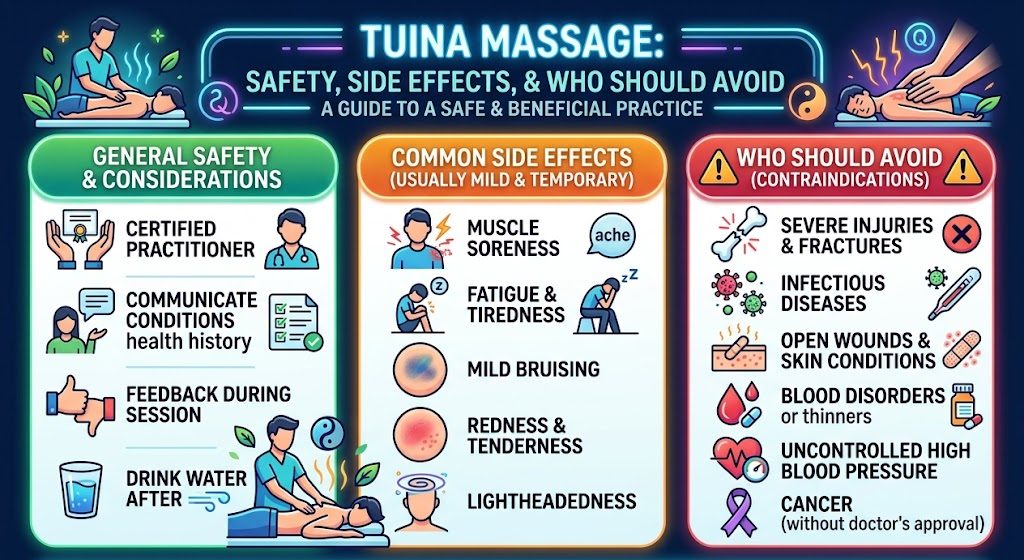
Tuina is relatively safe as long as you make sure your provider is qualified. But “relatively safe” is NOT the same thing as “safe for everyone in any situation.” Here’s what you need to know.
Normal effects following treatment (these are therapeutic reactions, not adverse reactions):
- Mild muscle soreness lasting 24–48 hours
- Temporary fatigue or drowsiness
- Increased thirst
- Slight bruising at pressure points (rare, resolves within days)
⚠️ Important — Hard Contraindications
Do NOT receive tuina if any of the following are present:
-
- Bone fractures or osteoporosis with fracture risk – manipulation may exacerbate structural damage
- Open wounds or contagious skin disorders – transmission risk for both patient and practitioner
- First trimester pregnancy – certain acupoints can trigger uterine contractions
- Acute ankylosing spondylitis exacerbations – a 2017 European Spine Journal case report described disastrous results when tuina was used on someone in the midst of an acute AS flairup
- Active infectious or inflammatory conditions – manual therapy worsens the inflammatory pathophysiology or passes along infectious organisms
- Recent surgery in the treatment area – tissue needs time to heal fully before manual work
Practitioner credential considerations – check these before your first session:
- Formal TCM degree (4-5 years) from an accredited institution
- ✔ Documented clinical practicum hours
- ✔ Licensed by local health authority (DHA in Dubai)
- Tuina specific training – not simply massage therapy certification
Here’s where that last attribute matters more than you might think. If someone with a simple massage credential performs your tuina, they have no diagnostic training or knowledge. They may rub hard and rub evenly, but they cannot give you specific tui-na diagnosis: which meridians can be affected, what acupoints can be over-stimulated, and which may be contraindicated for your condition.
One common misconception: “tuina is always gentle and relaxing.” While true, that statement can mislead some first-timers because the therapeutic tuina is targeted with sometimes tremendous pressure. If you come expecting a spa massage, you may get unsettling. A good practitioner will tell you the pressure intensity before starting and keep communicating about it during.
Frequently Asked Questions About Tuina Massage
Q: Is tuina massage painful?
View Answer
You won’t exactly call it painful, but you may find it quite intense. Therapeutic tuina is a focused application of powerful acupoint and meridian acceleration and deceleration. The effect can be a deep ache that some compare to a forerunner to deep-tissue massage. Most patients describe it as “good pain” because it feels like forward movement, it feels productive. Expect mild soreness for a day or two afterward; it’s normal and temporary.
Q: How many tuina sessions do I need to see results?
View Answer
It definitely depends on your condition. Acute problems—sports strains, tight necks, work injuries—tend to be resolved within 3–5 sessions. Chronic problems—low back pain persisted for years or weekly migraines—may need 8–12 sessions. After the breakdown, maintenance is usually monthly. Your practitioner should give you a realistic expectation in that first session, then revise it as needed based on your response.
Q: Can tuina massage help with anxiety and insomnia?
View Answer
Research is building, and suggests tuina may lower cortisol and promote parasympathetic tone, 2 metrics which may indicate decreased anxiety and better sleep quality. Neither is a primary indication for tuina, and research on either remains new. The strongest and most reliable research confirms musculoskeletal benefits. Think of stress management as a bonus to consider after the fact, not the reason you’re in treatment.
Q: What is the difference between tuina and Thai massage?
View Answer
The two are both Eastern bodywork therapies; their differences are in theory and training. Tuina adopts TCM meridian theory; diagnosis happens by the practioner’s pulse diagnosis and tongue diagnosis; then the practioner applies the acupoints (61 in 14 main energy channels for each individual). Thai massage adopts Sen energy line theory (10 predominant lines); the technique is yoga-like stretching combined with compasses along the lines.
The training discrepancy is enormous: tuina requires a TCM degree for 4-5 years, but Thai massage only requires certification from 150 to 500 hours. Both therapies treat musculoskeletal pain; tuina also has an aetiology, pathogenesis and diagnosis system that Thai massage neglects.
Q: Is tuina massage covered by health insurance in the UAE?
View Answer
Yes. Since 2021, all basic health insurance policies through the Dubai Health Authority are required to provide cover for complementary and alternative medicine including Traditional Chinese Medicine. The available coverage generally includes a cap of approximately AED 2,500 per year, with a 20% copay.
However be sure to check your plan and with your insurer before you make an appointment! Some clinics also offer a direct billing system so you can avoid the initially all-important cash payment.
Q: Can children receive tuina (pediatric tuina)?
View Answer
Indeed. The pediatric tuina( Xiao Er Tuina) are adjusted and mild methods reserved for babies and children. A meta-analyses (2025, PMC) suggested that tuina might be one of the most hopeful complementary treatments for fever in children.
It was a needle less and non-invasive method, so it might reduce the pain.
Are you prepared to have tuina massage delivered by a fully qualified TCM practitioner?
About This Guide
This document has been produced by Tong Ren Tang, a Traditional Chinese Medicine (TCM) organisation established in Beijing since 1669. TCM practitioners in our DHA-licensed Dubai clinic have extensive training in tuina manipulation, acupuncture and herbal medicine. We have authored this article to offer educational information about tuina as a clinical discipline – its meridian-oriented diagnostic system; published research and practical information for patients’ education.
The clinical studies cited were published in peer-reviewed works available to the author at the time of writing.
References & Sources
- Traditional Medicine FAQ — World Health Organization
- Reddy & Fan (2022) — ICD-11 Incorporation of Traditional Medicine — PMC
- Chronic Low Back Pain Systematic Review (2025) — PMC
- Knee Osteoarthritis Mechanism Study (2024–2025) — PMC
- Acupuncture + Tuina Combined Efficacy Meta-Analysis — PMC
- Pediatric Fever Meta-Analysis (2025) — PMC
- Obesity Meta-Analysis (2025) — PMC
- Pach et al. (2018) — Chronic Neck Pain RCT — Journal of Alternative and Complementary Medicine
- Fang et al. (2021) — Functional Constipation Systematic Review — PubMed
- Zou et al. (2017) — Ankylosing Spondylitis Case Report — European Spine Journal
- Tuina Definition — NCI Cancer Terms Dictionary