Get in Touch with Tongren Tang Gulf


Hijama and Cupping Therapy: What It Is, How It Works, and What the Evidence Says
⚡ Quick Specs: Cupping & Hijama Therapy
- Origin: 1550 BCE (Ancient Egypt, Ebers Papyrus)
- Types: Dry, Wet (Hijama), Fire, Sliding, Flash, Vacuum
- Session Duration: 15–30 minutes
- Mark Duration: 3–10 days
- Evidence Base: 72 RCTs (5,720 participants, 2025 review)
- Cost Range: $40–$110 (US) / AED 250–500 (UAE)
Cupping is one of the oldest healing arts still practiced today, with history dating back over 3,500 years in the civilizations of Egypt, Greece and China. Known as hijama cupping therapy in Islamic medicine or fire cupping in traditional Chinese medicine, the basic technique involves drawing a vacuum or suction to the skin so blood flow is increased and pain alleviated thus aiding recovery. However, is this actually proven?
Explained are the 5 different types of cupping therapies, the principles of suction created by treatment, the results analyzed from 72 randomized controlled trials, relevant safety issues and the key distinctions between reductionist cupping and hijama. If you have become interested in trying cupping or want to understand the reality from the fad, the answer is here.
What Is Cupping Therapy? From Ancient Egypt to Modern Clinics

Cupping therapy is an alternative therapy where a practitioner applies cups to the skin to generate suction, bringing blood to the surface of the skin, and stimulating the healing processes within the tissue beneath. Records of the practice date back to at least 1550 BCE on the Ebers Papyrus (an ancient Egyptian medical text).Cupping treatment is available in physiotherapy clinics, acupuncturists, and specialist resorts and spas through out the world.
Cupping can be seen evolving throughout history across many cultures. It was suggested by Hippocrates in his writings in Greece at about 400 BCE for internal disease and pain as well as structural issues. In China, Ge Hong, physician of the 4 th century Jin Dynasty, documented the use of cupping within the context of qi flow and blood stagnation that form the basis for traditional Chinese medicine.
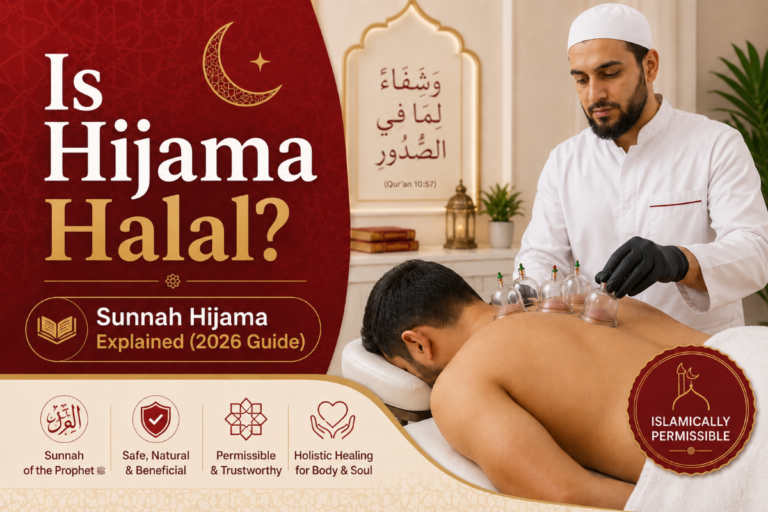
The Islamic world brought it to greater prominence with the Prophet Muhammad stating hijamaas “the best of medicines” and manuals written by Al-Zahrawi, whose work influenced doctors across southern Europe, and Ibn Sina recording wet cupping in their respective encyclopaedias. Italian and French practitioners still used it during the Renaissance for gout and arthritis, although it remained in practice up until the 19 th century, having been just transferred between cultures.
For traditional Chinese medicine cupping deals with qi blockages and blood stagnation – the concept that pain, disease and weakness results when energy, blood or bodily function become trapped. In Islamic Sunnah medicine hijama combines not just a medical function but also an Islamico-spiritually based one and is performed on designated days and points on the body. Contemporary clinical application in the West has seen it discussed under the couter of myofaial decompression, uptake of blood and neurological afferent delivery and pain modulation.
Tong Ren Tang, established in Beijing in 1669, was founded more than 350 years ago with a long growing history of traditional Chinese medicine. They have collected hundreds of years of knowledge and clinical experience in cupping, with expert practice within the bounds of health and safety standards of today. Try professional cupping and hijama treatments at Tong Ren Tang here.
Value-added information Cupping therapies have been used in Egyptian, Greek, Chinese and Islamic medicine for more than 3,500 years. Why has cupping persisted? A diversity of cultures found it to be effective – a remarkable instance of convergent medical evolution.
Types of Cupping Therapy: Dry, Wet, Fire, Sliding, and More
Not all cupping treatments are the same. Different cupping therapies vary in how they are performed: source of suction, suction power and duration, and the benefits that they aim to deliver. Knowing what types of cupping are out there helps you decide which one – and what level of suction – is right for you. Here are the six most popular types of cupping used in clinic and tradition.
| Type | Method | Suction Source | Best For | Typical Duration |
|---|---|---|---|---|
| Dry cupping | Cups placed on intact skin | Vacuum pump or silicone squeeze | Muscle tension, general pain | 10–15 min |
| Wet cupping (Hijama) | Small incisions made before cups | Vacuum pump | Blood stagnation, detox traditions | 20–30 min |
| Fire cupping | Flame heats glass cup interior | Heated air creates a vacuum | Deep tissue relief, TCM protocols | 5–15 min |
| Sliding cupping | Oiled skin with moving cups | Manual or pump suction | Large muscle groups, fascia release | 10–20 min |
| Flash cupping | Rapid cup placement and removal | Manual flame or pump | Stimulation, sensitive areas | 5–10 min |
| Vacuum/pneumatic cupping | Plastic cups with hand pump | Mechanical pump | Clinical settings, precision control | 10–20 min |
The starting point for many first-time cupping patients is dry cupping. In this cupping technique, the therapist applies the suction cups to a clean dry area of skin. Cups are often self-suctioning (silicone cups) or pumped (hand-held mechanical pump). Cups are left for 10-15 minutes. No break in the skin occurs. In wet cupping, or hijama, the skin is nicked with a sterile blade (no deeper than 1-2 mm) before the cups are applied, drawing small amounts of blood out of the skin and separating the tissue. Wet cupping holds special significance in Islamic medicine.
Fire cupping involves a tiny flame from a damp cotton ball, which heats the glass cup and consumes the oxygen within, creating a vacuum effect. This suction also holds the cup in place. Sliding is another cupping technique that involves application of oil to the skin with striking, gliding movements of cups over large muscle groups (similar to massage therapy). Flash cupping involves repeated placement and removal of cups to stimulate circulation without sustained suction. Mechanical pump suction (or vacuum cupping) allows the space inside the cup to be controlled very precisely, and is therefore a favorite of physical therapy research studies and sports medicine clinics.
Materials used in cupping include: glass (transparent, smooth surfaced, 3-5 mm wall thickness), silicone rubber (easily comparable to the hands, very flexible), bamboo (traditional practice), polycarbonate plastic (clear, smooth, easy to control suction in clinical trials, reusable). Cup size and material impacts the level of suction and how much tissue is engaged.
Key Point: All other types of cupping are variations on one of two types: dry cupping and wet cupping ( hijama). Fire, flash, sliding, vacuum, and mechanical pump are style modifications that determine how to suction is generated. Your practitioner should choose based on your condition, skin size, and treatment experience.
How Does Cupping Work? The Science Behind Suction Therapy
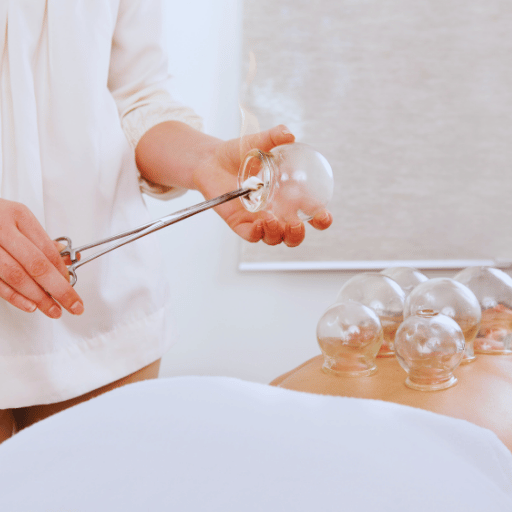
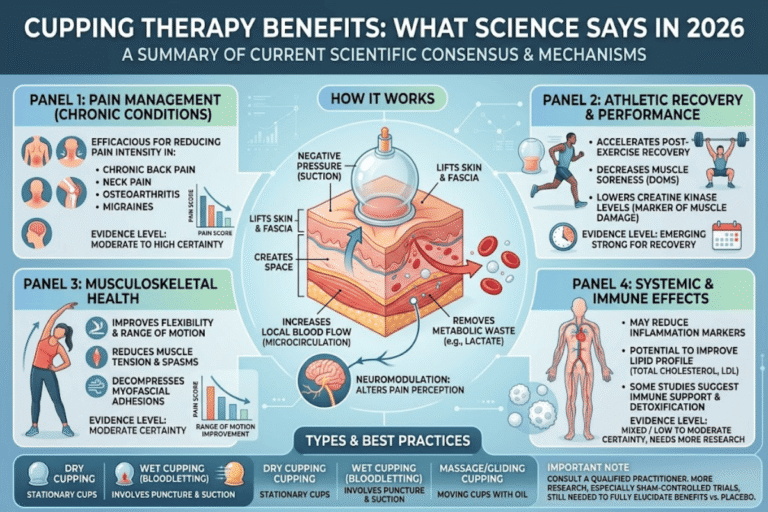
Cupping affects your body in three differential ways: mechanical, neurological, and immunological. None of these mechanisms alone is fully capable of explaining the observed and documented clinical effects of cupping. Here is what cupping does inside of your body.
1. Mechanical mechanism. Suction creates a negative pressure, causing the skin and the superficial layers of muscle and connective tissue to be “stretched”. The stretch of the tissue causes vasodilation in the area: blood vessels increase their width causing a 200-300% increase in blood flow to the area in response to straightening. The mechanical stretch on the vessel walls also causes rupture (as seen in the cupping marks). When the vessel wall is to any extent stretched, it causes a cascade of repair and healing: angiogenesis (growth of new capillaries), fibroblast growth, increased collagen deposition (resulting in new scar tissue). The concentration of blood flow changes caused by cupping may last 1-3 days.
2. Neurological pathway The cupping stimulates large-nerve fibers (A-beta fibers) at the skin surface. These fibers inhibit the spinal cord pathway to the brain where pain is felt.
This is called Pain-Gate Theory. Mild application of stress to body tissue causes pain inhibitory response called DNIC. A-delta and C fibre stimulation suppresses pain throughout body.
Then Reflex Zone Theory comes into play, as certain a particular skin dermatomes stimulation can diagnose and treat Internal Organ dysfunction via somato-visceral Reflex Arc.
3. Immune response. Studies demonstrate lowered IgE and IL-2, with increased complement C3, interferon, TNF and NK cell activity, once cupping is applied – revealing a roll-on immune-modulating effect, rather than immunological tissue damage.
Cupping also elicits nitric oxide release, which causes further vasodilation, reducing vascular resistance and BP, which can last for 4 weeks.
Key point: cupping works through three channels — mechanical tissue decompression, neurological pain gating, and immune system modulation — not a single mechanism. Research is ongoing — scientists are still mapping precisely where and how these pathways interact.
Evidence-Based Benefits of Cupping and Hijama
The evidence supporting the use of cupping therapy has been examined in an increasing number of clinical trials. The most thorough I have come across is a 2025 systematic review and meta-analysis of 72 randomized controlled trials with a total of 5,720 participants published in BMC Complementary Medicine. Some researches showed beneficial effects of different cupping therapies were inconsistent according to the target complaints-conditions.
| Condition | # of Trials | Key Finding | Evidence Quality |
|---|---|---|---|
| Herpes zoster | 20 trials | Significant pain reduction vs. standard care | Low quality |
| Low back pain | 14 trials | Improved pain at 2–8 weeks; no sustained benefit at 1–6 months | Moderate quality |
| Neck pain | 9 trials | Improved mobility and pain scores | Low quality |
| Osteoarthritis | 9 trials | Advantage over pharmaceutical treatments alone | Low quality |
Back pain effects of Cupping warrants specific investigations. Fourteen of the trials with low back pain and chronic back pain – the second most studied condition after herpes zoster -were significantly statistically distinct statistically from the control group with pain scores up to 2-8 weeks post treatment and exhibited statistical similarities when patients were assessed between 1-6 months. A separate 2025 JOSPT review of dry cupping and placebo cupping for musculoskeletal complaints found evidence of no statistically distinct difference – which is indicative of the test subjects’ expectation and sensation of cupping.
Important distinction: large effects were seen in comparison to no treatment or waiting lists, however in comparison to sham cupping (placing the cups on simply with no or minimal suction) and to other active treatments (massage, acupuncture, medication) the differences were not statistically significant. This is typical of manual therapy research and shouldn’t be interpreted as no value to cupping – it could mean the mechanisms by which we think the cupping had an effect were less important than what it felt like to have the treatment.
As for studies quality: All 72 trials from the systematic review and meta-analysis were graded as high risk of bias and of the 72, 62 were in Chinese. It is nearly impossible to blind the subjects in cupping studies because they usually know if a cup is suctioned to the skin. Adverse effect data is encouraging: the relative risk is 0.11 (95% CI: 0.03-0.39 ) versus drugs—cupping caused less side effects. Pain relief from cupping is apparently real but modest and the methods of of cupping have a side effect profile more desirable than drugs.
⚠️ Myth Busted: “Cupping Removes Toxins”
Samples of the blood after wet cupping showed the same levels of heavy metals, uric acid, and other wastes as samples taken before cupping, which suggests the cupping “pulls” nothing out. The real effects of cupping are through mechanical stimulation of the tissue, stimulation of immune responses, and nervous stimulation for pain relief—there is no “drawing out toxins.” If a practitioner claims the practice draws toxins out, there is no current evidence base to support their claim.
Other therapy effects may be due to mechanical tissue manipulation. Several individual studies that compared cupping to massage techniques reported similar results with regard to muscle pain levels and range of motion—this suggests that the decompression of the tissue by cupping and the compression of the tissue resulting from massage may involve similar recovery processes.
Key Point: Multiple articles’ worth of consistent short term pain relief suggests cupping is an effective modality for the short term management of pain producing conditions with less side effects than medication. However, the quality of the evidence is weak, the effects for the long term are unknown, and many studies against placebo have smaller effect sizes. Use cupping as an adjunct for pain problems that may have some effect rather than evidence for cupping as a stand alone treatment.
What to Expect During a Cupping Session

Your typical cupping appointment time goes from 15 to 30 minutes but it takes longer for your first appointment to accommodate the interview and initial questions. Whether you want a dry cupping massage or a wet cupping hijama appointment, the following will explain what to expect.
2. How to prepare. Bring a list of any medications you are on, especially any blood thinners you may take, any skin issues, and what you want out of the appointment. Decide on both the treatment area and whether a dry or wet cupping treatment is what you need. Have a light meal an hour or two before your appointment and preload yourself with a liter of water. Do not drink alcohol or take recreational drugs before the appointment–dehydration can cause increased dizziness.
2. This is performed during the session. Your practitioner sterilizes the treatment area and applies oil or lotion (used during sliding cupping or massage cupping) or leaves the skin dry.
Cups are applied to acupoints—most frequently on the back, shoulders or neck; you will experience a tugging or pulling sensation as the suction is applied. Most people find it unusual but not painful. Cups are left on the skin from 10 to 20 minutes.
For wet cupping (hijama), the practitioner makes superficial (1-2mm) incisions in the skin using a sterile blade before placing 3–5 cups to remove a small amount of blood. Per British Cupping Society guidelines, 3–5 cups are recommended for first-time treatments, 5–7 cups thereafter.
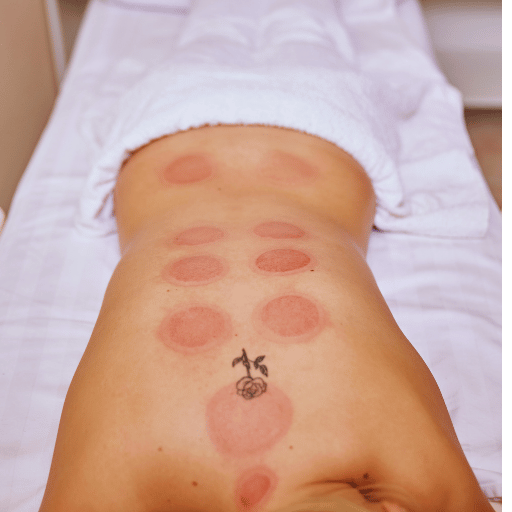
3. Post-cups. Marks should appear immediately – the said discoloring of the skin- from pink and red to purple darkening,(dependent on amount of suction and circulation.).and generally be gone anywhere between 3 and 10 days.
Feel tired and sluggish- just a bit- for between 4 and 12 hours post-treatment. Rest, re-hydrate (a minimum of 1 liter of water over the next six hours. and- for between 2 and 4 hours thereafter.) Hot water bath and showers should be avoided. Your cupping practitioner may advise you “check in” again between 5 and 7 days from the last booking.
Practitioner selection checklist:
- Liad up to date by the licensed or certified by the authority of their landscape/ country/state(need differ)
- Uses disposable blades (wet-cupping ) and correctly sterilized or disposable cups
- ✔ Conducts pre-treatment health screening before every session
- Has been certified in cupping massage therapy (not through ‘L.A. Massage’ training).
- can counsel about the risks and benefits prior to the commencement of treatment
Willing to give it a go?
Head down to Tong Ren Tang and book your cupping treatment! All TT practitioners are licensed to practice TCM and adhere to guidelines on safety and hygiene issues for all cupping treatments.
Important things to remember: a positive experience begins with a thorough consultation and leaves the client with understood aftercare instructions. New clients may undergo 3-5 cups, experience only light pulling feelings, display round marks that last up to 10 days, and it is recommended you check your therapists’ credentials before treatment.
Safety, Side Effects, and Who Should Avoid Cupping
Cupping treatments have a good safety profile relative to drugs for pain- the 2005 systematic review found that relative risk of adverse effects was only 0.11 compared to drugs. However, “low risk” does not necessarily mean “no risk.” Knowing the side effects, contraindications, and symptoms to watch for can help you be an informed consumer.
| Side Effect | Frequency | Severity | Recommended Action |
|---|---|---|---|
| Circular marks / discoloration | Very common (>90%) | Mild | None needed — fade in 3–10 days |
| Fatigue / lethargy | Common (30–50%) | Mild | Rest + hydrate |
| Dizziness / lightheadedness | Occasional (10–20%) | Mild–Moderate | Lie down, inform practitioner |
| Skin irritation / itching | Occasional (5–15%) | Mild | Apply soothing lotion |
| Burns (fire cupping only) | Rare (<1%) | Moderate–Severe | Seek medical attention |
| Infection (wet cupping) | Very rare (<0.5%) | Severe | Seek immediate medical attention |
| Necrotizing fasciitis | Extremely rare (case reports) | Critical | Emergency medical care |
Infection transmission from blood born pathogens is the greatest safety concern with wet cupping. Risk approaches zero when practitioners use sterilized single use blades, sterile cups, and manages skin wounds with appropriate standards of practice. Make sure your therapist does, any good practitioner will be willing to explain this.
Who should NOT receive cupping:
- Some group of people who are taking blood thinners (warfarin, heparin, aspirin in normal therapeutic dose)
- (Pregnancy … especially over lower abdomen and lower back)
- Anyone with an active skin infection, open sore, or rash at the site of treatment.
- Individuals with hemophilia or other bleeding disorders
- Sunburned or severely inflamed skin
- Recent surgery on or near the planned treatment area (within 6 weeks)
More research is becoming available however the majority of research available on the benefits of cupping carries high risk of bias. Cupping should be used as a complementary therapy and not a substitute for traditional medical techniques. Patients with a diagnosed medical condition should speak to their doctor before using cupping as part of their treatment.
Key Takeaway: Cupping is statistically safer than pharmaceutical pain medications but wet cupping does pose infection risks if practitioners are not keeping a high standard of hygiene. Check contraindications before your first session and make sure your practitioner is sterilizing between clients.
Cupping vs Hijama: Understanding the Key Differences

Often the terms cupping and hijama are confused as synonymous, when in fact they are not. Any hijama is cupping, but not everything that uses cups is hijama. Hijama actually refers strictly to wet cupping, as practiced within the Islamic medical tradition. There are certain spiritual and traditional elements as well. Other cupping types and styles fall outside hijama, but still use cups. Here’s how they compare:
| Aspect | General Cupping | Hijama (Wet Cupping) |
|---|---|---|
| Procedure | Cups create suction on intact skin | Small incisions (1–2 mm) made before cupping |
| Blood involvement | No blood drawn | 5–50 ml blood extracted per session |
| Cultural roots | Chinese, Greek, Egyptian traditions | Islamic medicine (Sunnah practice) |
| Primary goal | Increase blood flow, reduce pain | Blood purification traditions + pain relief |
| Practitioner | PT, massage therapist, acupuncturist | Hijama-certified therapist |
| Regulation | Varies by region; often self-regulated | Stricter due to bloodletting component |
The distinction is important from a practical standpoint as well as a medical perspective. Hijama practices involve specific pre-and post-treatment hygiene standards, are more complicated logistically and in terms of practitioner training, and require awareness of blood-borne diseases. In the UAE, hijama practitioners must obtain registration so that their blood is sterile before a session. Non-invasive cupping therapies such as fire, sliding, flash and vacuum require less from practitioners but are also subject to less high regulation because they do not pierce the skin. If you would like to experience each form of cupping from traditional dry cupping to hijama, visit Tong Ren Tang where both styles are practiced.
Key Takeaway: Hijama is a traditional Islamic practice where blood is deliberately bled from specific points in the body, so practitioners need additional safety standards and practitioner training. All hijama is a form of wet cupping therapy. Cupping comes in fire, sliding, flash, vacuum, and dry techniques, all of which do not involve piercing the skin.
Frequently Asked Questions
What is hijama cupping good for?
View Answer
Hijama treatment is most often utilized to relieve pain – in particular throughout the joints and back. Short-term improvements were observed in 725 trials analyzing 15 different conditions in a 2025 review, administered in disciplines, including but not limited to acupuncture, dry cupping and hijama. Additional uses include headache, fatigue, and circulatory disorders. Because research literature was limited, and plagued by sporadic – and often dubious – results, usage must be tempered when it is used in conjunction with a full treatment plan, including physiotherapy and medicine.
Who should avoid hijama?
View Answer
Avoid hijama if you take blood-thinning medications (warfarin, heparin), are pregnant, have active skin infections or open wounds, bleeding disorders such as hemophilia, or sunburned skin. Always check with your doctor first.
Is hijama the same as cupping?
View Answer
No, not exactly. Hijama is another form of wet cupping and it is based on Islamic medicine that is known as hijama in Arabic. In hijama small cuts are made in the skin before the cup is applied and small amount of blood is drawn out. General cupping comprises all types of dry cupping, fire cupping, sliding cupping, flash cupping and vacuum cupping that do not have bloodletting process. All hijama relates to cupping, but not all cupping is hijama. The main difference is how the blood is involved in procedure.
How much does hijama cupping therapy cost?
View Answer
In the USA, the typical cost for a cupping therapy session ranges between $40 and $110 based on the duration (15-60 minutes), type of cupping, and the experience of practitioner. Price in Dubai, UAE varies from AED 250-300 to AED 500 while in Abu Dhabi, UAE it varies from AED 350 to AED 750. Wet cupping costs 20-40% more compared to dry cupping because of the need for additional sterilization and practitioner certification. Many providers offer discounts for purchase of packages- 4 sessions, 10-15% off. The health insurance seldom reimburse for cupping although in some cases flexible spending plans are accepted.
How long do cupping marks last?
View Answer
Generally, the markings from cupping therapy disappear within a span of 3-10 days depending on the severity of suction applied and specific skin sensitivity. It is not exactly a bruise; it is due to increased blood flow pulling the stagnant blood towards the skin surface. Darker marks are thought to denote regions of stagnation, according to Traditional Chinese Medicine (TCM). Lighter marks usually appear on regions with good underlying circulation.
Does cupping therapy actually work?
View Answer
A total of 72 RCTs (total 5720 patients) in systematic reviews provides some evidence that the short-term pain relief benefit compared to no treatment. Yet in comparison with sham cupping (the placebo control method) or active controls such as massage or acupuncture, the statistical significance disappears in most of the trials. Of the 72 trial in the most recent systematic review, 62 trials reported publishing in Chinese journals; all carried a high risk of bias. Thus, the evidence should be taken with caution: cupping may provide short-term pain relief, as a complementary measure, that has fewer harmful effects than pharmaceutical remedies, but there is currently not enough long-term trials to assess its efficacy with certainty. It should not be used as the sole treatment for a medical problem.
Experience Authentic Cupping Therapy
Tong Ren Tang brings over 350 years of traditional Chinese medicine heritage to the UAE, offering both dry cupping and hijama delivered by licensed TCM practitioners to the highest clinical standards.
📋 About This Guide
This article references the guidelines from other recent, clinical case studies and systematic reviews on cupping therapy. Cupping research is still in its infancy, and many of the existing trials carry obvious flaws; and long-term results need further investigation. We describe current evidence as it stands, and discuss its gaps. For medical questions, please consult your medical providers before beginning any traditional therapy.
References & Sources
- Updated evidence of efficacy in pain relieve with cupping therapy: systematic review- PMC, 2025
- The scientific perspective of cupping therapy: Effects and mechanisms of action – PMC
- Cupping Therapy– NIH StatPearls
- Cupping Therapy is: Definition, Types & Benefits – Cleveland Clinic
- Efficacy of Dry Cupping versus Placebo Cupping for Musculoskeletal Complaints – JOSPT, 2025
- Efficacy of cupping therapy for low back pain – ScienceDirect, 2024
- Necrotizing Fasciitis After Wet Cupping: A Case Report- PMC
Related Articles
- 10 Benefits of Cupping Therapy: What the Science Really Tells Us
- Is Cupping Therapy Effective? A 2026 Literature Review
- Dry Cupping vs Wet Cupping (Hijama): Which Should I Do?
- Understanding Cupping Marks: A Color Guide from a TCM Expert
- Side Effects of Cupping Therapy: What Precautions Should I Take?