Get in Touch with Tongren Tang Gulf
350 Years of TCM Excellence
Weight Loss Acupuncture — Tong Ren Tang’s Evidence-Based TCM Approach
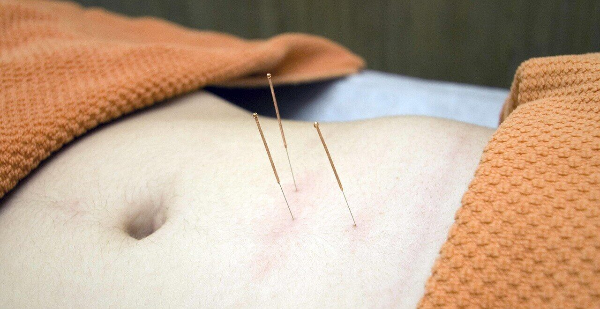
With 25 clinical trials, a meta-analysis in 2024 demonstrated that acupuncture with lifestyle changes took an average of 4.73 kg off body weight- which has neither medication adverse effects nor surgical risks. At Tong Ren Tang, we combine this scientific discovery with 350 years of experience in Traditional Chinese Medicine to target the hormonal, metabolic and emotional influences on your persistent weight gain. We design acupuncture protocol specific to you that harmonize with your body’s own regulation mechanisms.
Book Your Free Assessment
Approaches
Body, Ear & Electro-acupuncture
Typical Program
8–12 weeks
Evidence Base
25+ RCTs, 2,000+ patients
First Visit
Free Assessment
Why Diets Fail — How Acupuncture Addresses the Root Cause
The Biological Reality of Dieting
A UCLA study frequently cited found 95% of dieters who lost weight regained it within 5 years; up to two thirds gained more weight than when they began dieting.
Its biological not motivational. When you diet by calorie restriction alone, your body kickstarts a long list of hormonal counter-moves to get its fat back. Leptin (the satiety hormone) falls like a stone, telling your brain to load up on cookies. Ghrelin (the honger hormone) skyrockets, telling you you have to eat NOW. Cortisol rises higher and higher, due to the chronic deprivation strain, and directs you toward abdominal adiposity. Insulin sensitivity leads to unpredictable blood-sugar surges. Your hypothalamus – the hunger steering center of your brain – effectively recalibrates your “set point” in order to defend your new higher weight.
The Neuroendocrine Therapy
Weight Loss Acupuncture intervenes at every one of these control points. It is not a calorie counting diet plan or a meal replacement program. Weight Loss Acupuncture is a neuroendocrine therapy: the placement of thin needles in specific acu-points activates vagus nerve and hypothalamic pathways that run the show in terms of appetite control, stress management and metabolic rate regulation. It has been proven to increase thermogenesis, influence levels of leptin and ghrelin hormone and lower circulating levels of cortisol and balance insulin.
Within TCM there are several pattern diagnoses associated with being overweight: Spleen Qi deficiency(weak digestion of foods), Liver Qi stagnation(stress driving to eat) and Phlegm-Damp being a general indication of a slow metabolism. Acupuncture-treated these pattern diagnoses while generating the measurable hormone shifts documents by Western studies making diets fail.
Instead of battling your biology with will power, you work in unison with it.
This difference is particularly significant for those who have unsuccessfully jumped from one diet to another and who have become discouraged because they feel that their bodies are “broken.” Your body is not broken; it is responding precisely in the manner it was designed to respond by millions of years of our ancestors and it is resisting famine. Acupuncture works to re-synchronise your body’s evolutionary survival mechanisms so that a lower weight is experienced as normal rather than as famine.
Our Weight Loss Acupuncture Programs
Each patient will be offered a different protocol as each body has the different weighing that he or she does for different reasons. Following on from your initial TCM consultation, (pulse diagnosis, tongue and extensive health history) your practitioner will chose from three main ways to approach your treatment and will often simultaneously incorporate all three methods into your treatment.
🎯 Body Acupuncture — Targeting Metabolism & Appetite
👂 Auricular (Ear) Acupuncture — Precision Appetite Control
⚡ Electroacupuncture — Enhanced Results
🌿 TCM Herbal Support — Tong Ren Tang’s Approach
Your Treatment Timeline
Wk 1-2
Assessment & Foundation
Full TCM diagnosis, baseline measurements, personalized protocol design. 2 sessions.
Wk 3-8
Intensive Phase
2 sessions per week. Active weight reduction, appetite regulation, metabolic re-calibration.
Mo 3+
Maintenance
Gradual reduction to weekly, then monthly sessions. Sustain results long-term.
Most patients report noticeable appetite changes and reduced cravings within the first two weeks. Measurable weight loss typically becomes evident by week four, with the most significant changes occurring during the intensive phase. The maintenance phase is where acupuncture truly differentiates itself from dieting — it helps your body accept its new set point rather than fighting to regain lost weight.
The Science Behind Acupuncture for Weight Loss
If you are choosing a weight loss intervention as part of your health care, you deserve some evidence before you sign up. Here I have summarized findings from peer-reviewed clinical trials and systematic reviews published in the last 5 years- the sort of evidence that physicians and researchers base treatment decisions upon.
Medicine (2024) — Electroacupuncture Meta-Analysis
−0.98 BMI
Analysis of 13 RCTs involving 779 subjects showed electroacupuncture significantly reduced BMI (MD 0.98 kg/m), body weight (MD 1.89 kg), and waist circumference (MD 2.67 cm) relative to controls.
PMC11585983 (2024) — Acupuncture + Lifestyle Review
−4.73 kg
Meta-analysis of 25 RCTs with 2018 patients showed that acupuncture combined with lifestyle interventions decreased body weight by an average of 4.73 kg more than lifestyle alone. This confirms that acupuncture offers that acupuncture offers additional measurable benefit when added to a diet and exercise program.
Frontiers in Neuroscience (2024) — Auricular Stimulation
Significant BMI Reduction
This review confirmed statistically significant improvements in BMI, body weight, and waist circumference following auricular acupuncture and auricular acupoint stimulation. The neuroanatomical vagal nerve connection from the ear to the hypothalamus provides a plausible mechanism.
Wang et al. (2019) — Mechanism Review, PMC6378065
Multi-Pathway Action
This review provided evidence for mechanisms of action for acupuncture’s effects on lipid metabolism, obesity-associated chronic low-grade inflammation, the microbiome, and hypothalamic appetite signaling.
What the Research Tells Us — Honestly
There is accumulating but still relatively weak evidence to support acupuncture for weight loss in Western medicine. Effect sizes obtained in individual trials are real but somewhat limited when acupuncture is used alone. Success seems greatest in combination programs at combining acupuncture with health education and motion- what we do at Tong Ren Tang. Since we are open about what this research shows, patients can make truly informed choices.
I have selected clinical trial treatment duration to match our 8- to 12-week program timeline. Longer-term outcomes are being studied, but early indications suggest that the physiologically restoring effect on hormones induced by acupuncture can help sustain remission- something diets are incapable of.
Acupuncture vs Other Weight Loss Methods — An Honest Comparison
As you consider this as an option, you may be reviewing several others. You should. Cost (in time and expense), side effects, contraindications, and sustainability long-term all have to be taken into account. In this comparison I attempt to put cost and outcomes into perspective so your decision is based on facts not advertising.
| Method | Monthly Cost | Duration | Side Effects | Long-term Maintenance | Evidence Level |
|---|---|---|---|---|---|
| Acupuncture (TCM) | AED 730–1,470 | 8–12 weeks + maintenance | Minimal (mild bruising, occasional soreness) | Gradual reduction to monthly sessions | Moderate (growing) |
| Diet Alone | AED 0–360 | Ongoing | Nutritional risk, metabolic adaptation, yo-yo cycling | 95% regain within 5 years | High (for initial loss) |
| GLP-1 Drugs (Ozempic/Wegovy) | AED 550–5,140 | Lifelong | Nausea, GI issues, muscle loss, “Ozempic face” | Must continue indefinitely; weight returns on cessation | High |
| Bariatric Surgery | AED 55,000–146,800 (one-time) | Permanent | Surgical risks, nutritional deficiency, dumping syndrome | Most durable option | High |
Clinical Context &
Integrative Approach
Acupuncture’s greatest benefit is integrated into a multi-faceted weight loss program—it is not a magic bullet and it is not a substitute for appropriate diet and activity.
Its immediate advantages are lack of medication side effects, an ability to directly treat the loss of fat-burning hormones and receptor sites, and a program structure that works gradually over time rather than expecting eternal commitment. For patients who would prefer not to take medications or who are ineligible for surgery, acupuncture offers a humane and effective alternative supported by clinical experience.
Some patients use acupuncture along with GLP-1 medications for side effect management (nausea), and to offset weight gain and muscle loss in some cases. Others choose it as a stand-alone intervention with dietary and fitness protocols provided by our team. There is no “one size fits all” answer. The right answer is the one that fits your health history, budget, and personal goals.
Tong Ren Tang — 350 Years of Chinese Medicine Excellence
When selecting a healthcare professional, credentials and history matter. Tong Ren Tang is not a franchise acupuncture clinic founded last year. We are the world’s longest continuous operating Traditional Chinese Medicine hospital – and we take this distinction extremely seriously in every patient encounter.
1669
Year Founded
Beijing, China
188
Years as Royal Medicine Supplier
1723–1911, serving 8 emperors
160+
Retail Locations
Across 26 countries
#1
Largest TCM Company
Globally by revenue and reach
“No compromise on cost and labour despite the complexity of processing herbal medicines. No compromise on quality and standard despite the scarcity of medicine ingredients.”
— Established more than three centuries ago and continues to guide each traditional Chinese Medicine prescription we provide.
All Tong Ren Tang practitioners possess recognized TCM credentials and receive ongoing training from masters of traditional Chinese medicine and current evidence-based practice. We also require our weight loss acupuncture providers to stay abreast of current clinical research – including the systematic reviews and meta-analyses listed on this page – so that our traditional expertise is always complemented by the best available science.
It is this unique combination of ancient wisdom and evidence-based treatment that sets Tong Ren Tang apart from generalist practitioners who offer acupuncture among other services, but do not have the dedication to traditional Chinese medicine expertise necessary for weight loss success.
All of our herbal medicines are produced in pharmaceutical grade facilities, following standardized extraction processes, to ensure consistent quality and effectiveness. When your practitioner offers you a herbal remedy to augment your weight loss acupuncture treatment, you can be assured of the same rigorous quality controls that inspired the royal patronage of Tong Ren Tang for eight consecutive centuries. This is not promotional language- it is historical fact collected over the course of nearly two hundred years of imperial recommendation.
Treatment Investment — Pricing, Packages & Payment Options
We believe in up-front, transparent pricing. Weight loss acupuncture treatment is a medical procedure, and you should be able to assess the financial investment before your first appointment – not discover charges once you are already lying on the treatment table.
Free
Initial Assessment
TCM diagnosis + Custom treatment plan.
AED 2,200–4,400
Standard Course
12 sessions: Body + ear acupuncture, 8–12 weeks.
AED 185–365 /mo
Maintenance Phase
Monthly sessions after intensive course.
Cost Perspective
Your full 12-week acupuncture program costs less than two months of brand-name GLP-1 medication—with no ongoing pharmaceutical dependency.
Over 12 months, the total cost of acupuncture (including maintenance) typically ranges from AED 4,400 to 8,800, compared to AED 6,560 to 61,650 for a year of Ozempic or Wegovy.
Insurance, HSA & FSA
Your weight loss acupuncture may be eligible for reimbursement through your health insurance plan, especially if prescribed for obesity (ICD-10 code E66). Consult your provider for details. We suggest:
Eligible for HSA/FSA reimbursement
Acupuncture is typically a reimbursable expense under Health Savings Accounts and Flexible Spending Accounts. Obtaining a Letter of Medical Necessity (LMN) demonstrating the medical diagnosis of obesity can accelerate claims processing.
Questions about your insurance
Inquire with our administrative staff with your insurance information and we will confirm benefits prior to your first paid appointment.
Issued superbill
For plans that do not cover traditional Chinese medicine treatments, we can provide you with a superbill of charges for submission to your insurance for potential reimbursement.
Ready to begin your weight loss journey?
Patient Resources & Evaluation Tools
Empower your health decisions. Utilize our clinical evaluation tools to estimate costs, compare modern weight loss methods side-by-side, and determine if our Traditional Chinese Medicine protocols are the right fit for your unique physiology.
Treatment Cost Estimator
Calculate your potential financial investment for our 12-week intensive acupuncture program and ongoing maintenance phase with full transparency.
Calculate Now →
Weight Loss Method Comparison
Evaluate the clinical efficacy, side effects, and long-term sustainability of TCM Acupuncture alongside GLP-1 medications, bariatric surgery, and diet plans.
Compare Options →
If acupuncture aligns with you
Take a quick clinical assessment to analyze your symptoms, health history, and goals to see if our neuroendocrine acupuncture approach is the right choice for your body.
Start Assessment →
Frequently Asked Questions About Weight Loss Acupuncture
A typical Tong Ren Tang program involves 12-16 sessions over 8 to 12 weeks. The first two weeks (2 sessions) consist of preliminary testing and baseline determination. The intensive phase occurs over weeks 3-8 on twice-weekly visits (6 sessions). Once you have achieved your target weight, the frequency will change to a weekly, then bi-weekly, then monthly sessions. Common early outcomes include appetite and craving control within 2 weeks, and observable weight loss by 4 weeks.
Most body acupuncture protocols include: ST36 (Zusanli) for digestive health and blood sugar modulation, SP6 (Sanyinjiao) for hormonal guidance and edema control, CV12 (Zhongwan) for stomach function, LI11 (Quchi) for inflammation moderation and immune enhancement, and ST25 (Tianshu) for bowel regulation. Ear acupuncture points most typically used include the Hunger Point, Shen Men (anxiety and stress moderation), Endocrine point, and the Stomach and Spleen corresponding areas. Your M.D. trained acupuncturist prunes the protocol based on your TCM diagnosis – no protocol is ever the same.
There is proven efficacy evidence for auricular acupuncture for weight management. A 2024 Frontiers in Neuroscience journal review concluded that auricular acupoint stimulation produces significant benefits for BMI and body weight. The ear contains direct connections to the hypothalamus that controls appetite through vagal nerve pathways. A Tong Ren Tang core protocol is a combination of both ear and body points, with ear seeds utilized at home to reinforce.
Initial assessment at Tong Ren Tang is complimentary. A full 12 session course runs from $600 to OONE. The average monthly charge for an on-going maintenance schedule is $50 to $100. A regular 12-week acupuncture program costs less than two months of new brand-name GLP-1 medication. We take FSA/HSA (health savings or flexible spending accounts) and provide superbills for insurance reimbursement. A Letter of Medical Necessity from your M.D. may be required for insurance reimbursement.
Hospital plans increasingly cover acupuncture for obesity under diagnostic code ICD-10 E66. FSA/HSA accounts usually reimburse for acupunctures prescribed for this diagnosis. The provision of a Letter of Medical Necessity (“your doctor says you need this”) greatly enhances reimbursement possibility. Contact your provider with your insurance details – we will verify eligibility before your first paid visit.
Wangli in Traditional Chinese Medicine is not mere “overeating.” Instead according to TCM there are certain “pattern diagnoses” in the body that lead to the accumulation of “water” and substantiates in the overweight condition as follows: Spleen qi deficiency( directing that food turns into “energy” for the body instead of Dampness. ), Liver qi stagnation (Stress and emotional imbalance can lead to over eating and slowed down mechanic process…Kisdeo..), Kidney Yang deficiency(this depletion of the body Kiban- the warm and process “fire” ), and Phlegm-Damp accumulation( the sluggishness of fluid “system” causing heavy weight to shed hence creating excess-fat) . Choosing the acupuncture, herbs and diet therapy and other lifestyle programs accordingly tries to create the basis of such a state of balance so that the body achieves a naturally healthy weight instead of forced.
They have different indications and different trade-off profiles. GLP-1 drugs (like Ozempic and Wegovy) result in much greater average weight loss (15-20% of total body weight in trials) but require indefinite administration – patients tend to regain this weight within a year of stopping the drugs. Side effects include nausea, GI symptoms, and muscle mass loss. Monthly cost costs anywhere from $149 (with insurance) to $1,400+ (out of pocket). Acupuncture results in less weight loss (4-5kg beyond lifestyle modification alone) but tends to address the hormonal cause of obesity, has minimal side effects, and uses a tapering protocol rather than a lifelong undertaking with medication. Some patients use both – acupuncture may help mitigate side effects of GLP-1 therapy, as well as reversing muscle loss from the drugs. There is no clear “winner” among the two – the best decision depends on your personal health status, weight loss goal, and attitude toward medication.