Get in Touch with Tongren Tang Gulf
Chronic Cough Treatment
Chronic Cough Treatment — Herbal Formulas by Tong Ren Tang
A long history of proven Chinese medicine 355 years of clinical experience in chronic cough. Custommade herbal formula for your unique cough pattern, rather than standard prescription.
355 Years Heritage
9.6% Global Prevalence
Evidence-Based Formulas
4 Pattern Types

Wind-Cold Cough
Clear mucus, chills, nasal congestion
Wind-Heat Cough
Yellow phlegm, sore throat, dry mouth
Lung Yin Deficiency
Dry cough, night sweats, throat dryness
Phlegm-Damp
Heavy chest, thick sputum, fatigue
Why Your Chronic Cough Won’t Go Away — TCM Cough Remedy
Chronic cough — a cough for eight weeks or more — is present in 9.6% of adult population globally (Song et al., European Respiratory Journal 2015, pooled analysis of 576,839 people across several countries). So if you have had a cough for months, you are not alone and it doesn’t mean the treatment isn’t effective. It means that it hasn’t been used yet.
The most frequent cause of chronic cough falls into a recognized triad: postnasal drip, acid reflux (gastroesophageal reflux), and asthma. Other causes include chronic obstructive pulmonary disease (COPD), other forms of lung disease, upper airway irritation, and ACE inhibitor medications. Each underlying condition is treated in conventional medicine with a single targeted medication: antihistamines for postnasal drip, proton pump inhibitors for reflux, bronchodilator inhalers for asthma. The difficulty is that these are single-pathway medicines — they address one irritant at a time. When the cough persists despite standard treatment, the diagnosis becomes “chronic refractory cough,” an underlying cause that can grind on for months or even years after conventional therapy has been exhausted.

Research in the PMC medical database (PMC7501523) confirms that a significant subset of chronic cough patients remain symptomatic despite guideline-recommended care. The cough reflex keeps firing because the underlying condition driving it has not been fully resolved — only one layer of the problem has been treated. The deeper functional imbalance still persists, and treating chronic cough effectively means reaching that root level.
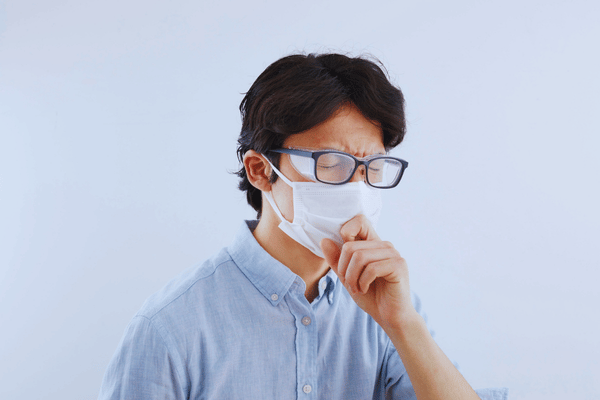
And this is where Chinese Medicine takes an entirely different approach. Instead of trying to shut off your cough reflex or blockade a receptor, through pattern differentiation we determine what functional imbalance is causing your cough. You are asked if the inflammation is cold or heat, wet or dry, and if it’s related to dryness or dampness in the lung. Each answer provides the key to the appropriate formula to bring about a resolution.
The intent isn’t to suppress but rather through strengthening the descending of Lung Qi, to bring the cough to a conclusion at its source. A chronic cough may stem from one pattern or several overlapping patterns that have built up over time. But we’re addressing the root of it, and correcting the pattern so the cough ends because there’s nothing causing it anymore.

Tong Ren Tang Chinese Herbs For Cough Formulas — Matched to Your Cough Pattern
Walk into a pharmacy with a chronic cough and you’ll find aisles of cough suppressants dextromethorphan, codeine, guaifenesin all meant to suppress cough regardless of cause. This one-size-fits-all approach is the reason why chronic cough patients continually turn over medications without relief. The cough suppressant simply does not care whether your congested phlegm is clear, watery, yellow, thick. It does not care whether your dry, tickling cough is worse at night or whether a productive cough is accompanied by heavy congestion in the morning. But frankly, those distinctions matter a great deal, since they reveal underlying imbalances that require a vastly different treatment approach with herbs.
Introduction to Chinese cough patterns and treatments; includes tongue indication, pulse findings, phlegm presentation, time of day, and other symptoms. There are four core Chinese herbal formulas for the four main treatment principles, each rooted in 355 years of Tong Ren Tang clinical success.
Pattern
Key Symptoms
Core Herbs
Treatment Principle
Wind-Cold Cough
Clear or white mucus, chills, nasal congestion, itchy throat, cough worsens with cold air exposure
Zi Su Ye (Perilla Leaf), Fresh Ginger, Jie Geng (Platycodon Root)
Warm the Lungs, disperse cold, stop cough
Wind-Heat Cough
Yellow or thick phlegm, sore throat, dry mouth, mild fever, thirst for cold drinks
Sang Ye (Mulberry Leaf), Ju Hua (Chrysanthemum), Chuan Bei Mu (Fritillaria Bulb)
Clear heat, transform phlegm, soothe the throat
Lung Yin Deficiency
Dry cough with little or no phlegm, night sweats, throat dryness, cough worsens in evening
Mai Men Dong (Ophiopogon), Sha Shen (Glehnia Root), Bai He (Lily Bulb)
Nourish Lung Yin, moisten dryness, stop cough
Phlegm-Damp Accumulation
Heavy chest sensation, thick white sputum, fatigue, poor appetite, loose stools
Chen Pi (Tangerine Peel), Ban Xia (Pinellia Tuber), Fu Ling (Poria)
Strengthen Spleen, resolve phlegm, regulate Qi
Wind-Cold Cough
Wind-Cold is the invasion of the cold pathogen into the lung, causing tight lung qi flow and thin, clear phlegm. Zhisou Powder flows the lung qi and expels the cold.
Wind-Heat Cough
Wind-Heat is a pathogenic heat that causes excess dryness, producing thick yellow phlegm. Sang Ju Yin clears heat and moistens the channels.
Lung Yin Deficiency
This is the pattern we most often see in people with a persistent, dry cough, especially following a viral infection. Baihe Gujin Tang moistens and nourishes the lungs.
Phlegm-Damp Accumulation
The prime time for this pattern is morning, when dampness from a weak Spleen rises. Er Chen Tang resolves this dampness while tonifying the Spleen.
Chinese Medicine vs Conventional Treatment for Chronic Cough
Usually with a chronic cough lasting over 8 weeks, the patient has already experimentd with at least 1 (and more likely several) medication. For postnasal drip antihistamines. For possible asthma, an inhaler. For reflux, a proton pump inhibitor. Each medication is aimed at a single mechanism in the process and each must be taken ongoing, forever, to keep that mechanism at bay. And as soon as you stop it the symptoms reemerge because you have failed to address the underlying imbalance that was causing the cough. TC M herbal therapy operates based on a different model: determine the pattern, correct the imbalance and eliminate the cough in a set number of treatment courses so that ongoing medications are not necessary.
| Dimension | TCM Herbal Approach | Antihistamines | Inhalers | Acid Blockers |
|---|---|---|---|---|
| Mechanism | Corrects underlying pattern imbalance through targeted herbal formula | Blocks histamine receptors | Relaxes airway smooth muscle | Reduces stomach acid production |
| Typical Duration | 6–12 weeks (targeted course) | Indefinite daily use | Indefinite daily use | Indefinite daily use |
| Side Effects | Minimal when properly prescribed by qualified practitioner | Drowsiness, dry mouth, dizziness | Tremors, elevated heart rate, oral thrush | Nutrient malabsorption, rebound acid |
| Root Cause | Addresses functional imbalance driving the cough | Symptom suppression only | Symptom suppression only | Symptom suppression only |
| Recurrence | Low — pattern corrected at source | High — returns when stopped | High — returns when stopped | High — returns when stopped |
The clinical data base on the efficacy of TCM for chronic cough is also expanding. 2024 scoping review in PLOS ONE identified 474 clinical trials of traditional medication for chronic cough. 2025 meta-analysis showed TCM being more effective than placebo for post-infective cough. Lui et al. (2013, PMC3853348) showed that Chinese Herbal Medicine is clearly effective and has an earlier antitussive effect than conventional cough medicines at improving core symptoms. Systematic review of the literature conducted by Lee et al (2023, PMC10619915) surveyed 61 clinical trials and showed Glycyrrhiza (licorice root) to be the most common herb studied for herbal remedies for chronic cough. The first GRADE based Chinese Herbal Medicine cough treatment clinical practice guidelines was published in 2023 (PMC10927410).
Cochrane Collaboration, 2025
“TCM (Traditional Chinese Medicine) was found far more effective than placebo in treating post-infectious cough”
PLOS ONE scoping review 2024
“474 clinical studies on traditional medicine for chronic cough”
Liu et al., PMC3853348, 2013
“CHM can effectively control the core symptoms and has the earlier antitussive action”
PMC10927410, 2023
“First GRADE 1st guidelines for cough treatment with CHM treatment”
Since then, the WHO has officially laid down their recognition of traditional medicine in its Health Care for All by 2023 Strategy and its 2014 Global Traditional Medicine Strategy 2025-2034 by reaffirming the diagnostic and treatment models used in traditional practices such as TCM. They are not unproven potions, but validated treatment options backed up by an increasing number of scientific peer reviewed literature and institutional acceptance.
TCM Results: Herbal Remedies For Persistent Cough
Every chronic cough had a story – often months or years of coughing, dozen of visits to the MD and a drawer full of medicines that offered some degrees of relief if not a temperoray cure. Our treatment plan is map out in a timeline for eventual actul relief while treating the core pattern. Here’s what your treatment may look like when you have chronic coughing and select Tong Ren Tang TCM treatments.
Week 1–2
TCM Assessment & Diagnosis
Detailed analysis of tongue, pulse, all symptoms, past history etc. Culprits for your cough are uncovered and any serious pathologies requiring immediate Western intervention are ruled out. Your doctor further pinpoints your sustaining factor of cough to one of the four main TCM patterns.
Week 3–6
Primary Treatment Phase
Your customized herbal regimen is prescribed and modified as the herbs’ effect becomes apparent. Changes in diet and activity address your material deficiency and help support your herbal program. You may feel that your cough’s frequency and severity begins to diminish even while using the herbs. The practitioner may administer acupuncture to eliminate any residual cough and provide lung support.
Week 7–10
Consolidation & Strengthening
The post-inflammatory phase. Formula adjustment takes precedence. Immune strengthening and Qi tonification are the key principles of treatment as recurrence begins to be avoided. Lung support and Yin supplementing herbs dominate the prescription. Your practitioner’s choices are guided by your response to treatment.
Month 3+
Prevention & Maintenance
The immune resilience supplementation phase. If your cough stemmed from allergy or environmental contributors, a maintenance remedy before and during vulnerable seasons will be issued. Most patients conclude active therapy at this stage and progress to home care instructions.
Common Chronic Cough Scenarios
Post-Viral Cough (Post-COVID, Post-Flu)
Typical course: 6–8 weeksCoughs that linger for weeks or months after a viral infection often follow a progression from Wind-Heat invasion to Lung Yin Deficiency. The infection damages lung fluids, leaving behind a dry, irritated cough that refuses to clear. Treatment focuses on replenishing Yin with herbs like Mai Men Dong and Bai He while clearing residual heat. Recovery from this pattern is steady and predictable once the correct diagnosis is made and herbal treatment begins.
Allergy-Related Chronic Cough
Typical course: 8–12 weeksChronic cough triggered by allergies often involves Wind invasion combined with underlying Spleen Qi weakness. When the Spleen fails to transform and transport fluids properly, dampness accumulates and settles in the respiratory system. Treatment strengthens the Spleen while expelling the surface pathogen with supporting herbs. Your diet will be a key supporting element in resolving this pattern.
GERD-Related Cough
Typical course: 10–14 weeksAcid reflux induced persistent cough, complicated by the vomiting and sore throat that stipulates TCM diagnosis of Liver Qi stagnation overacting on the Lung, requires treatment for both the digestive and respiratory system. Your doctor proposes diets that titillate these areas for long lasting results when other prescriptive or medicative interventions fall short.
Unexplained Refractory Cough
Typical course: 8–12 weeksWhen a cough persists despite thorough medical workups, TCM often reveals layered pattern complexity that single-pathway medications cannot address. These cases frequently involve multiple overlapping imbalances. Our practitioners systematically address the dominant pattern first, then resolve secondary patterns as they emerge — adjusting the formula every 2–3 weeks based on clinical response. This methodical approach brings resolution where conventional treatment has reached its limits.
Your Holistic Cough Treatment Journey — Consultation to Recovery
Beginning TCM therapy for your cough we follow a well defined 4 stage approach, either by visiting a provider in person or taking part in an online consult. This approach allows the practitioner to rapidly identify the correct pattern, choose the most effective treatment, and prevent recurrence.
1
Consultation
We want to understand how you feel, when it began, what makes it better or worse, what your cough sounds and feels like, and what impact it has on your life. We examine the color and coating of your tongue, take your pulse at several locations, discuss your past medical history and view any relevant reports and scans you may bring us.
2
Pattern Diagnosis
Through symptom analysis and pulse diagnosis we identify your specific diagnosis (or pattern) of Chronic cough, regardless of recent treatment history.
3
Treatment Plan
You would receive a diagnosis of your pattern and an herbal formula to treat it along with nutritional, emotional and lifestyle advice for your specific cough. For patients whose cough links to stress or emotional patterns, we may coordinate with our TCM anxiety and stress management program to address Liver Qi stagnation that can overact on the Lungs.
4
Progress Monitoring
Every 2 weeks we follow up to make sure your cough is responding as expected. We determine if further formulations are necessary. During immune consolidation we follow the body with a series of further treatments. Our typical course of therapy ranges from 6-12 weeks duration.
What to Expect at Your First Visit
On your first visit you should plan to be with us around 1 hour. You should be prepared to answer questions about your cough history in detail, and bring all relevant reports or scans for review. The practitioner will take your pulse (a Non-TCM diagnostic procedure assessing multiple qualities through out your body), look at your tongue and wear for signs of pattern, we will discuss your symptoms comprehensively and you will leave with a pattern diagnosis and treatment plan, including your herbal formula.
Your chronic cough treatment may last 6 or 12 weeks, depending on response and the severity of the pattern, though many cases of cough will resolve in fewer weeks.
TCM Cough Pattern Assessment
Answer 5 short questions to identify your cough pattern according to Traditional Chinese Medicine principles.
Question 1 of 5
20%
Question 1
How would you describe your cough?
Based on Traditional Chinese Medicine diagnostic principles used at Tong Ren Tang since 1669
Frequently Asked Questions — Chronic Cough & Chinese Medicine
What is the best Chinese medicine for chronic cough?
There isn't one "best" Chinese medicine for a chronic cough - the appropriate formula will be solely determined by your cough pattern. Wind Cold sufferers benefit from warming formulas such as Zhisou Powder (a traditional Chinese herbal formula for coughs) with such ingredients as Zi Su Ye and Jie Geng. Wind Heat coughs need cooling formulas, for instance Sang Ju Yin, with ingredients such as Mulberry Leaf and Chrysanthemum. Lung Yin Deficiency benefit from moistening formulas such as Baihe Gujin Tang. Phlegm Damp can be resolved with clearing formulas, for eg Er Chen Tang. Only a suitably qualified TCM practitioner will be able to diagnose your pattern using tongue diagnosis, pulse reading and symptom analysis and thus recommend the correct cough formula. The formula is critical, as it will determine the result.
How long does TCM treatment for chronic cough take?
Usually 6 to 12 weeks, depending on the pattern and severity. Post-viral cough (also used for post-COVID persistent cough) normally can take between 6-8 weeks. An allergy related chronic cough would take 8-12 weeks due to the length of time needed for the Spleen strengthening factor. As the diet needs to be more strictly maintained with GERD related cough, it may take at least 10-14 weeks. In the majority of cases, a reduction in the frequency of coughing episodes, the amount of phlegm removed and improved sleep was seen from 2-3 weeks after treatment begins. The subsequent consolidation phase eliminates the possibility of recurrence.
Can Chinese medicine treat cough caused by acid reflux (GERD)?
Yes. From the TCM perspective reflux related cough involves the Liver Qi invading the Lungs, hinder the normal downward action of Lung Qi. When Reflux entering the throat, cough reflex will be stimulated, but the real reason why acid reflux happens is Liver-Stomach disharmony, not justhyper-acidity. To treat reflux related cough, TC Analso focus on the balance of the Liver-Stomach and the Lung, by calming down Liver, balancing the Stomach and helping downwards of Lung Qi. In such manner, it is very likely to be effective even the acid blockers failed in many cases.
Is Chinese herbal medicine safe for long-term use?
In TCM, herbal formulas are personalized and changed as your pattern changes; they are not just repeat prescriptions for months or years like most cough/cold medications, antihistamines, etc. When prescribed by a licensed TCM practitioner, herbs work to treat your pattern and resolve it, and are slowly eliminated as you resolve. Until then, they can be adjusted to improve their effectiveness and to TCM safety standards. Side effects from herbs are rare (and often just allergies to an end product), especially when formulated and dispensed by a reputable manufacturer, such as Tong Ren Tang. They run analyses for heavy metals, bacteria, fungi, etc, to insure safety. Your practitioner also sees you regularly to monitor progress.
How does acupuncture help with chronic cough?
The principle of certain acupuncture points is to tonify Lung Qi, thereby alleviating inflammation in the airways, supporting the function of the vagus nerve. Common acupuncture points should be used including CV-22 (Tiantu) at the hollow of the throat, BL-13 (Feishu) on the upper back corresponding to the Lung and LU-7 (Lieque) on the inner wrist the master point of the Lung meridian. Regular systematic review research shows that acupuncture related therapy could successfully treat cough frequency and cough sensitivity threshold. At Tong Ren Tang there are convenient to find combination treatments of acupuncture and herbal treatment for many cases of chronic cough. This can achieve more rapid symptomatology relief while waiting for the herbal remedy to take effect reversing the underlying pattern of disharmony.
What foods should I avoid with a chronic cough?
Diet is based on your direct pattern. Cold pattern (clear mucus, chills) cough should not consume raw, cold or frozen foods, which further cool lungs. Heat pattern (yellow phlegm, sore throat) cough should not consumed spicy, fried or greasy food, which creates heat in the body. Phlegm Damp pattern should not consume dairy, refined sugar, greasy, high carbohydrate foods because these all contribute to dampness and mucus. But whether cold, heat or damp cough pattern, avoid too much alcohol, caffeine and highly processed foods would assist lung and airways heal. Specific diet plan is given by your TCM acupuncturist as part of your treatment.
What is the difference between TCM and conventional cough medicine?
Traditional actual cough medication - antihistamines, inhalers, acid blockers and codeine based cough suppressants- mostly work by shutting down the cough reflex, or blocking that one, specific chemical pathway. Their effectiveness cease as long as you keep taking the drug. TCM identifies what inherent functional imbalance triggers the cough, using pattern differentiation, and restores the balance back to health accordingly. Instead of indefinite symptom management, its goal is clearing the cough up within the time frame of a 6–12 week treatment cycle, therefore, recurrence rate is low after completing the course. The two methods can be taken in conjunction with each other when appropriate- they are not mutually exclusive.
Can children use Chinese herbal medicine for persistent cough?
Yes (see dosage below for age-appropriate doses, the same applies for children). Traditional Chinese Medicine has a very long history of using formulas with the young in mind, there are many formulations developed especially for children. Typical cough patterns in children are - stagnation of the food, Spleen deficiency due to poor diet, or it can be due to recurrent respiratory illnesses as a result of recent or long-standing common cold and flu - these need an appropriate gentle formula. Children's TCM herbs are often available as syrups or granules for ease of use. However please seek professional advice from a TCM practitioner first rather than trying to self-prescribe, the formulas are different doses for children.