Get in Touch with Tongren Tang Gulf

Menopause is not a disease. It is a natural biological event that occurs in some 50% of the world’s population—but the approach to treatment is complex, conflicting and sometimes nearly archaic. Heading into November 2025, when the FDA revoked its decade-old Black Box warning on hormone therapy drugs, it would be naïve not to ask—and seek the answers for—what does the current body of evidence actually support?—for all of the possible treatment choices, including traditional drug solutions and natural methods.
What Is Menopause — and When Does It Actually Start?
📐 Quick Specs
- Average age at onset: 51 years
- Typical range: 45–55 years
- Perimenopause duration: 7–14 years before final period
- Three stages: Perimenopause → Menopause → Postmenopause
Physiological menopause is confirmed after a woman remains menstruation free for 12 consecutive months with biochemical changes of ovarian reproductive function, [menopause is] usually achieved at 51 years of age. Actual onset varies — as early as 45 and as late as 55 years.
Menopause does not just happen in one day. Modern definition uses a six month window, but the years of hormonal change before the final cessation are ‘a gradual transition… more and more evidence shows that one does not just wake up suddenly menopausal’. Throughout these preceeding years, estrogen and progesterone are not simply declining but becoming irregular.
Consequently, you can have normal days, and totally unpredictable, unexpected hot flashes, periods, dramatic mood swings or disrupted sleep.Postmenopause is everything after this 12 month marker. Vasomotor symptoms (hot flashes and sleep disturbance) tend to resolve within a few years, though other symptoms of menopause—namely an enhanced risk of heart disease and osteoporosis—lie on in some cases for decades at a time. Menopause as a process, not a single event, is a physiological remodeling lasting several years.
Menopause Symptoms — Beyond Hot Flashes
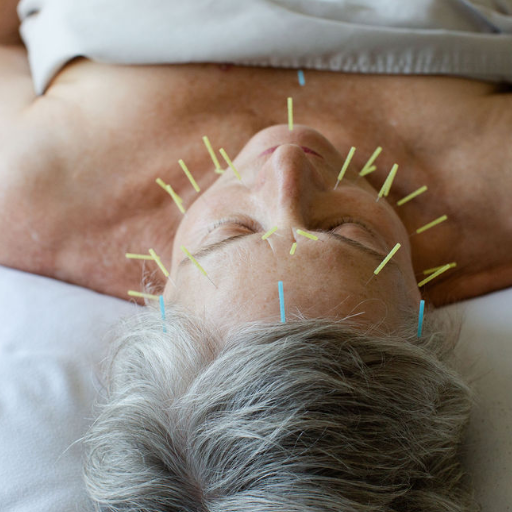
The traditional “woman fanning herself” depiction of menopause is really “one of scores of so symptoms. 75% of women suffer from hot flashes, but menopausal symptoms occur in 4 body systems. Knowing what is typical influences which treatment option is justified.
| Category | Common Symptoms | Prevalence |
|---|---|---|
| Vasomotor | Hot flashes, night sweats, palpitations | Up to 75% |
| Genitourinary (GSM) | Vaginal dryness, urinary incontinence, recurrent UTIs | 40–60% |
| Psychological | Anxiety, depression, brain fog, irritability | 40–60% |
| Musculoskeletal | Joint pain, bone density loss, muscle stiffness | 50–70% |
GSM should be distinguished from other menopausal complaints such as hot flashes because it is a condition that will progressively decline (without intervention). According to AUA 2025 data, vaginal dryness impacts 47% to 100% of postmenopausal women and urinary incontinence between 23% and 50%. Much less time is spent on GSM by the public.
One misconception is that menopause is “just hot flashes” that last only a year or two. In fact, vasomotor symptoms last on average 7.4 years, and the downstream consequences of them. disturbed sleep, mood swings, vaginal and urinary symptoms, are additive and overlapping.
Hormone Therapy — The Most Studied Menopause Treatment
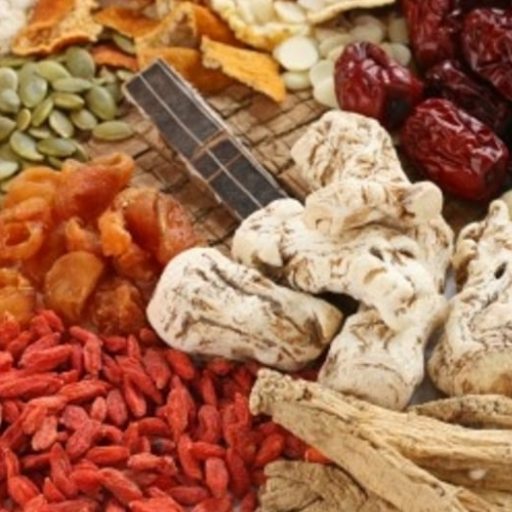
A more studied menopause management modality than menopausal hormone therapy (MHT) (or HRT as it was until recently known) is hard to find. The systemic hormone therapy with estrogen – alone or with progestogens – is still the best method to treat night sweats, hot flashes and genitourinary problems. However, 20 plus years of statin-like fear from false data led to suppression of usage by women and clinicians alike.
The WHI Study: What the Numbers Actually Show
Following publication of the Women’s Health Initiative (WHI) in 2002, panic about hormone therapy and breast cancer circulated. This is what the data actually showed:
- Combination estrogen and progesterone 1.26 for breast cancer and translates to 8 extra cases per 10,000 women per year ( based on time on therapy). For comparison a more significant breast cancer riskfactor would be obesity.
- Estrogens: estrogen therapy alone (in women without a uterus): Hazard ratio 0.78 – meaning a lower risk of breast cancer than placebo.
- WHI 20-year follow-up: Among users of only estrogen-alone, breast cancer death HR was 0.60. (Therefore, women experienced 40% reduction in death from breast cancer having used estrogen-alone.
One important factor that the original headlines overlooked: age at time of initiation. WHI participants averaged 63 years old — well beyond the window when hormone therapy is usually indicated. The North American Menopause Society (NAMS) 2022 position statement weighed the risks and benefits and concluded that benefits outweighed risks for symptomatic women less than 60 years old or less than 10 years since menopause.
November 2025: FDA Removes the Black Box Warning
On November 10, 2025, the U.S. Food and Drug Administration eliminated the Black Box warning from all hormone therapy products – the most important type of safety information the FDA provides.
Revised labeling discards the old all-encompassing warning and introduces age-specific advice: hormone therapy, if started no more than 10 years from menopause, is safe and effective when given in the lowest dose and for the shortest duration necessary.Still, this regulatory change does not translate into risk-zero with hormone therapy. What this means is that the circulating “black box” warning no longer represents the facts-and, the facts are very consistent about that hormone therapy can help symptomatic women, who begin it when it is recommended.
✔ Advantages
- Most effective treatment for hot flashes and night sweats
- Treats vaginal dryness and GSM symptoms
- Reduces osteoporosis and fracture risk
- Estrogen-alone linked to lower breast cancer risk
- May reduce cardiovascular risk when started early
⚠️ Limitations
- Combination of estrogen and progesterone marginally increases the risk of breast cancer
- If started within 10 years of menopause or age <60 at com-mencement, then not recommended if:
- Blood clot risk is higher with oral administration (transdermal administration has a lower risk).
- Contraindicated for women with history of hormone-sensitive cancers
- Requires ongoing monitoring
📐 Engineering Note: The Timing Window
Hormone therapy prescribed within ten years of menopause or under 60 can lower your cardiovascular risk. Chronic use of HRT after ten years of menopause or over 60 increases your risk of cardiovascular disease and stroke. Local vaginal estrogen treatment for GSM does not have timing restrictions.
Bioidentical hormone therapy (defining structural similarities between replacement hormones and those naturally produced by the body) has become increasingly popular. Many bioidentical preparations are approved by the FDA; however custom-compounded bioidentical products do not have standard doses or regulated manufacturing practices. Harvard Health advises using FDA-approved bioidentical hormone preparations over compounded preparations whenever possible.
Non-Hormonal Medicines That Treat Menopause Symptoms

If women are unable to or do not wish to take hormone therapy several prescribed medicines are available for women who are experiencing specific menopausal-related complaints. Treatment does not have to involve hormones–but the medications are more specific rather than broad spectrum:
| Drug Class | Target Symptoms | Evidence | FDA Status |
|---|---|---|---|
| Fezolinetant (Veozah) | Hot flashes | 60–65% reduction at 12 weeks | FDA approved May 2023 |
| SSRIs / SNRIs | Hot flashes, mood symptoms | 40–60% hot flash reduction; paroxetine FDA-approved for VMS | Paroxetine 7.5 mg approved 2013 |
| Gabapentin | Hot flashes, sleep disruption | ~50% reduction in hot flash frequency | Off-label |
| Ospemifene | Vaginal dryness, dyspareunia | Selective estrogen receptor modulator; improves vaginal tissue | FDA approved 2013 |
| Clonidine | Hot flashes | Modest effect; limited by side effects (drowsiness, dry mouth) | Off-label |
💡 Pro Tip: Fezolinetant — The Newest Option
Fezolinetant (brand name Veozah) is the first NK3 receptor antagonist approved for menopausal hot flashes. Unlike selective serotonin reuptake inhibitors, it targets the thermoregulatory center in the brain directly. One caution: liver enzyme monitoring is required, and it is not recommended for women with liver disease or those taking CYP1A2 inhibitors.
Novel therapies for menopause are under development. A handful of other NK3 receptor antagonists are in advanced stages of clinical trial and the NAMS 2023 nonhormone position statement surmises that these drugs may help to shape menopause treatment options for women with contraindications to hormones.
Natural Remedies and Traditional Medicine Approaches
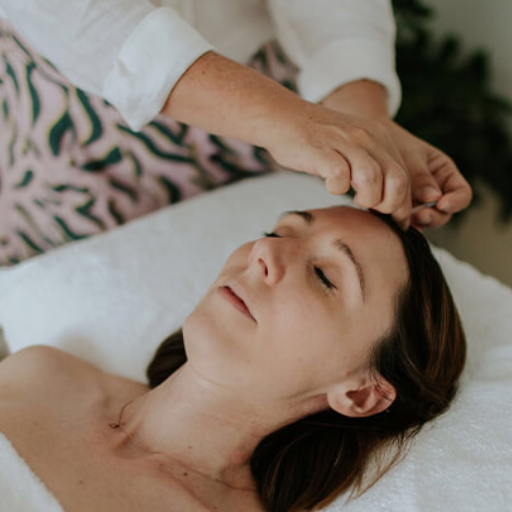
Complementary and alternative remedies are attractive to women for menopausal symptoms – according to surveys more than 50% try at least one herbal medicine or dietary supplement. Evidence varies from promising to inadequate and “natural” does not necessarily equate with “safe”. Here’s what the studies currently tell us.
| Remedy | Evidence Level | Safety Notes |
|---|---|---|
| Soy isoflavones (phytoestrogen) | Modest benefit — meta-analysis of 62 studies shows reduced hot flash frequency and severity | Generally safe; avoid with estrogen-sensitive conditions |
| Black cohosh | Inconsistent — 2023 review of 22 studies found “potentially beneficial” for vasomotor symptoms | Rare liver injury reported; limit to 6 months |
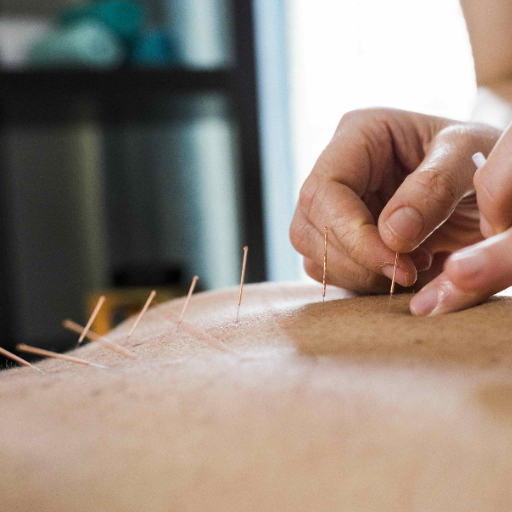
| Acupuncture | 2025 meta-analysis: 49 RCTs, 4,579 participants — effective vs. no treatment, mixed vs. sham | Very low adverse event rate |
| Vitamin D supplements | Supports bone health; no direct hot flash benefit | Safe at recommended doses (600–2,000 IU/day) |
⚠️ Safety Warning: Supplement-Drug Interactions
Herbal medicine and dietary supplements have the potential to interact with drugs. Black cohosh is likely to change the way certain medication are processed by the body through the liver. St.
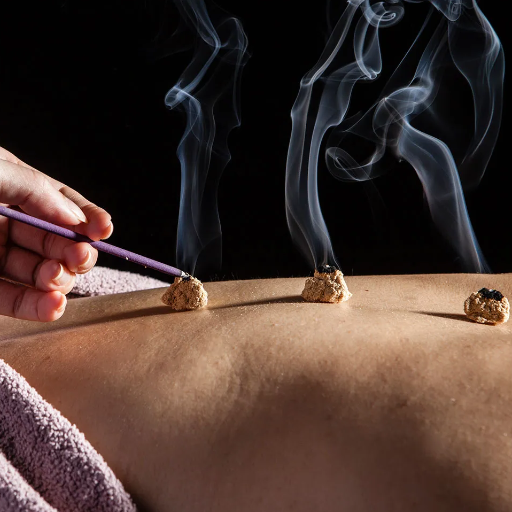
John’s Wort is known to decrease the effect of large numbers of drugs, such as some antidepressants and the contraceptive pill. Always inform your doctor of any supplements you are taking, as recommended by the National Center for Complementary and Integrative Health.Chinese medicine has treated symptom in menopause for years with individualized herbal formulas and acupuncture points. An increasing number of clinical studies are developing randomized controlled trials aimed at modern answers. For women wishing to know what specifically Chinese medicine offers, you can explore how TCM addresses menopause through personalized treatment – and how Chinese medicine individualized pattern diagnosis allows for choosing a uniquely tailored protocol.
For an even more detailed look at traditional Chinese medicine for menopause, the service page goes into tremendous detail about traditional Chinese medicine methodology.Lifestyle Changes That Help Manage Menopause
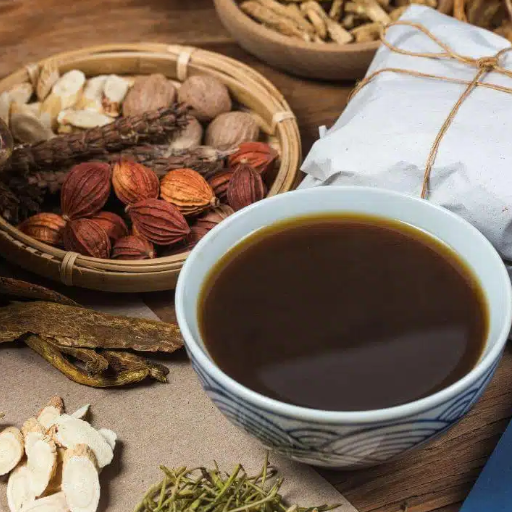
Lifestyle interventions won’t substitute for medical treatment for severe symptoms, but they are how the majority of women will manage many of the menopause symptoms – and quite a few have unexpectedly good evidence behind them.
Cognitive Behavioral Therapy (CBT)
Cognitive behavioral therapy is now recommended by NICE 2024 guidelines as first line therapy for menopausal hot flashes/night sweats. A meta analysis of 14 RCTs involving 1,618 patients demonstrated CBT produces an average 30-50% reduction in hot flashes impact (Hedge’s g = 0.39). CBT does not decrease the hot flash physiologically but instead reduces the stress and catastrophizing associated with hot flashes.
The Evidence-Backed Lifestyle Checklist
- Exercise: 150 minutes/ week of moderate aerobic exercise plus, weight bearing exercise to preserve bone density. Not only is weight bearing exercise a advantage for osteoporosis, but it can also reduce some of the menopausal symptoms such as mood abnormalities and disruption to sleep patterns.
- Healthy diet: calcium (1,200 mg/day), vitamin D, enrichment with foods rich in phytoestrogens (soy, flaxseed); diets following a Mediterranean pattern are associated with a reduction in vasomotor symptoms.
- Sleep hygiene: cool (18-19°C), sets clock, reduces caffeine intake after noon. Nightsweats account for changes in sleep architecture, so environment is addressed.
- Hot flashes: Relaxation techniques, such as mindfulness-based stress reduction have been associated with some reduction in hot flashes; yoga was associated with better sleep and psychological functioning in perimenopausal women.
- Trigger avoidance: Alcohol, spicy food, hot drinks and tight fitting clothes may all exacerbate vasomotor symptomatology. Keeping a symptom diary to record aggravating factors can reveal personal associations.
📐 Engineering Note: Exercise Prescription
However the 150 minutes/week is a minimum. In terms of the bones, weight bearing and resistance exercise (2-3 times/week) are more beneficial than simply walking alone. Postmenopausal women who are experiencing a reduction in bone density may find that they respond best if they initiate such a program prior to any initial loss.
When Should You See a Doctor About Menopause?
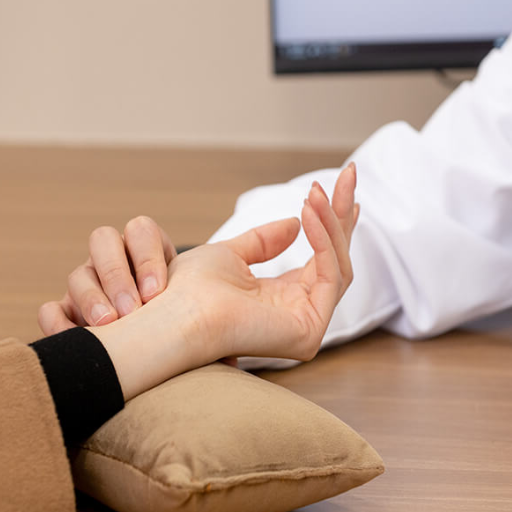
Not all women experience menopause and need treatment. But some are wiser to seek professional menopause care now.
Severe hot flashes or night sweats that interfere with work, relationships, or sleeping for more than a week or two.⚠️ See a Health Professional If You Experience:
- Unexpected vaginal bleeding after 12+ months without a period
- Bone density concerns: family history of osteoporosis, early menopause (before 45), or a fracture from a minor bump or fall.
- Mood disorders: persistent depression, anxiety, or suicidal thoughts
- The decision for whether you need treatment is very personal. A woman with mild modifiable symptoms may opt to try lifestyle changes such as a cool room, abstaining from triggers like alcohol, or wearing cooling clothing that help tremendously. A woman with severe, disabling hot flashes and night sweats, rapidly more rapid bone loss, or debilitating mood swings and depression may need a cocktail of optimal medical options in addition to lifestyle modifications. The most strategic time to seek treatment is early – when symptoms are still mild, two illness have been documented in the literature and outcomes are best.
- Urinary symptoms that do not respond to behavioral changes
If you are treating perimenopausal hot flashes and night sweats, bone density loss, or mood swings, integrating natural and traditional therapies in your menopause treatment plan can improve outcomes.
If you are interested in an integrative plan using conventional medicine and other modalities, check out Tong Ren Tang’s menopause treatment program, a long standing formulation that boasts treatment experience dating back over 350 years rooted in Chinese Traditional Medicine. Their menopause formula can be combined and used according to modern clinical protocols.
Not sure where to start?
Review how TCM fits into a full menopause treatment plan with our overview.
Take Our Menopause Symptom Assessment →Frequently Asked Questions About Menopause Treatment
What is the best treatment for menopause?
There is no sole best treatment because every woman experiences menopause differently. Current literature considers systemic hormone therapy (estrogen with or without progesterone) the most safe and effective treatment for vasomotor symptoms – the NAMS position statement said the benefits outweigh the risks in women <= 60 or within 10 years of menopause For women who cannot or should not use hormones, nasal spray medication fezolinetant and low dose SSRI antidepressants are effective and make hot flashes more bearable. Using topical vaginal estrogen and systemic ospemifene effectively treat genitourinary symptoms. Use hormone treatment simultaneously with lifestyle modification for the best possible outcome. Lifestyle elements that are evidence-backed include a combination of aerobic and resistance exercise (at least 150 minutes a week) and anything that reduces stress, like service-based organizations or yoga. Focus on calcium rich foods and vitamin D for optimum bone health. Keep an eye on the number one simple lifestyle remedy for hot flashes – sleep! If sleep is disturbed, management training such as CBT or sleep journals may be the answer. If lifestyle alone is not enough, treat with hormones and antidepressants as needed.
What are the three stages of menopause?
The three age groups are perimenopause (biological age 37-45, periods irregular may last 7-14 years), menopause, or postmenopausal years. During postmenopausal years managing osteoporosis and cardiovascular risk becomes the health priority.
How can I manage menopause symptoms naturally?
Natural measures studied to mitigate hot flashes include practicing cognitive behavioral therapy (can reduce hot flashes impact by 30-50%), taking regular exercise or approximately 150 minutes a week, eating soy including isoflavones, using acupuncture or storing lower body fat. Eat a healthy diet including high calories, calcium, vitamin D. Practice stress management intervention including an easy yoga video. Talk with your doctor if natural methods are proving too ineffective.
Is hormone replacement therapy safe?
For symptomatic women less than 60 years old or within ten years of menopause onset, hormone therapy remains safe and effective. The 2022 NAMS position statement reflected that in this population benefits exceed risks. In November 2025 the FDA abolished the Black Box warning on hormone therapy, dropping it into the popular press alongside age specific information based on 20 years of post-WHI.
Does menopause require treatment?
No. Menopause in many women continues to be a natural transition that results in little symptomology. However, in many women menopause is not a mild process, in which case treatment is indicated.
What is the newest menopause treatment?
Fezolinetant, (brand name Veozah ), was approved by the FDA in May 2023. It is the newest major treatment. It is the first specific NK3 receptor antagonist formulated for menopausal hot flashes.
In clinical trials, the reduction of hot flashes was 60-65% after 12 weeks of treatment. It operates by inhibiting the neurokinin pathway in the thermoregulatory center of brain. Liver monitoring is required.Ready to Explore Your Treatment Options?
Tong Ren Tang has been Treating Traditional Chinese Medicine Since 1669 – in excess of 350 years of clinical experience, now in Dubai. Book your appointment to see how TCM can help you through menopause.
Book a TCM Consultation →Our Perspective on This Article
Since our founding in 1669, Tong Ren Tang has been the traditional medicine provider of the Qing Dynasty royal families for 188 years, and we bring that experience and knowledge to the UAE. This overview is intentionally thorough – it covers hormone treatment, drugs, natural options and lifestyle adjustments – we are convinced that the more you understand about the choices available, the more confident you will feel in choosing to safely and gently relieve menopausal discomfort. Wherever traditional Chinese medicine is pertinent, we connect to our dedicated menopause treatment page rather than repeat the clinical detail here.
References & Sources
- World Health Organization — Menopause Fact Sheet
- North American Menopause Society — 2022 Hormone Therapy Position Statement
- U.S. Food and Drug Administration — Drug Safety and Availability: Hormone Therapy Labeling Update (Nov 2025)
- Women’s Health Initiative — Estrogen Plus Progestin and Breast Cancer (NEJM)
- WHI 20-Year Follow-up — Long-term Mortality from Estrogen Therapy (JAMA 2020)
- Harvard Health — Rethinking Hormone Therapy
- American Urological Association — Genitourinary Syndrome of Menopause Guideline (2025)
- FDA — Fezolinetant (Veozah) Approval (May 2023)
- NAMS — 2023 Nonhormone Therapy Position Statement
- National Center for Complementary and Integrative Health — Menopausal Symptoms: In Depth
- NICE — Menopause: Diagnosis and Management (NG23, Updated 2024)