Get in Touch with Tongren Tang Gulf
Arthritis Treatment
Arthritis Treatment with Traditional Chinese Medicine in Dubai
No more hiding that joint pain with pain killers. Our TCM practitioners qualified by the DHA will treat the cause of the pain – using acupuncture, herbal medicine, a combination of over 350 years of clinical knowledge in TCM to get rid of the joint inflammation and restore full joint functionality without any unwanted side effects.
Get Instant Quote
Heritage
350+ Years
Typical Course
8–12 Weeks
Insurance Partners
7 Accepted
Why Arthritis Pain Keeps Coming Back — And How TCM Treats the Root Cause
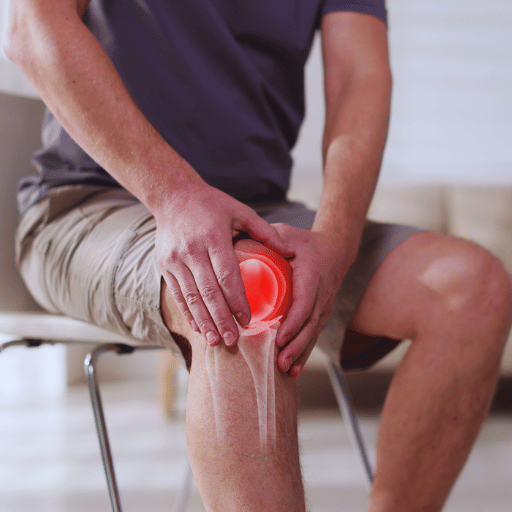
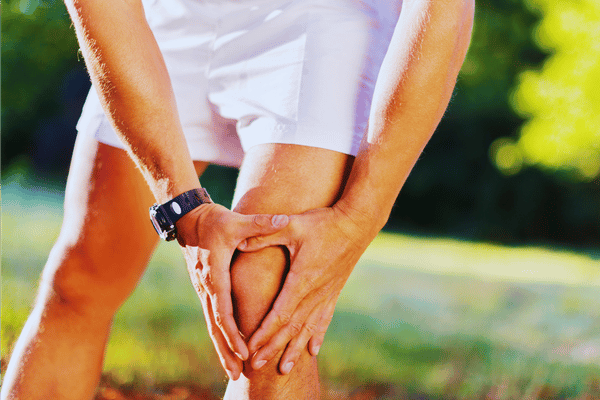
Arthritis describes a range of conditions such as osteoarthritis, rheumatoid arthritis and gout where persistent inflammation, joint stiffness and gradual deterioration of cartilage occurs over years and has a negative impact on quality of life. Arthritis symptoms such as joint swelling, diminished movement and tendon inflammation around affected joints develop gradually — each form of arthritis progresses differently, which is why early detection matters. Over 350 million people globally have arthritis and many go through an average of 6 years of treatment with no remedy for the wear and tear of joints.
If you have been on NSAIDs for more than a few months you already know the trade off. They take away joint pain quickly, but when used over long periods they may cause gastrointestinal damage in up to 30% of chronic users – including stomach ulcers, erosion and internal bleeding. Disease-modifying anti-rheumatic drugs (DMARDs) are effective at delaying joint destruction in rheumatoid arthritis but have the side effect of immune suppression, increasing the risk of infection. Corticosteroid injection provides temporary relief that fades. Joint replacement surgery means an invasive procedure, a prolonged convalescence and no guarantee of a pain-free outcome.
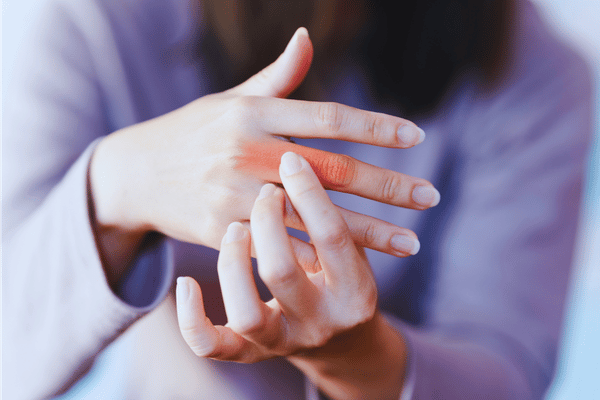
Chinese Medicine conceptualizes arthritis differently. In traditional Chinese Medicine (TCM) theory, the joint is considered one of several structures affected by Bi Syndrome. This syndrome is the constitutional stagnation of qi and blood flow through the meridians caused by the invasion of Wind, Cold and Damp. If these pathogenic factors dwell in the joints, stagnation develops, leading to swelling, stiffness and pain. When the weather changes, or if the afflicted area remains inactive, symptoms worsen. Rather than focusing on a single inflammatory factor such as the cytokine path, TCM takes a whole-body view and approaches the full pattern, clearing pathogen invasion, ensuring circulation and nutrition of the Qi-Blood, and fortifying the qualities necessary for self-regulation. Your care provider at Tong Ren Tang considers the overall pattern rather than focusing only on the joints — addressing the root cause to reduce pain and restore occupational function.
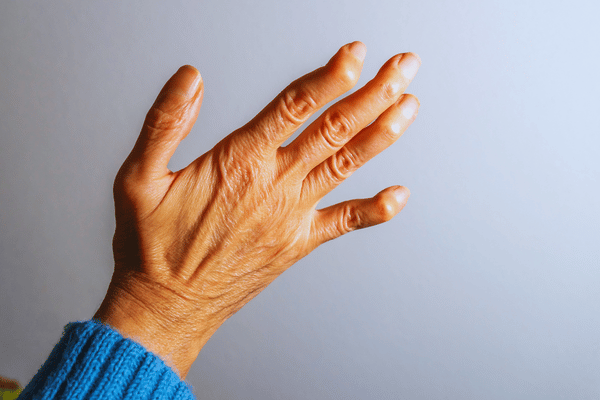
That’s why, when you add in TCM as part of a patient’s therapy, they so often begin experiencing the improvements that medications alone never could: sleep better, experience less morning stiffness, demonstrate increased grip strength, get back to work or hobbies, and one day, be able to say, ‘Here’s the reduction in the number and intensity of my flares.’ It’s not only about reducing the pain today; it’s about overhauling the environment that causes the pain in the first place.
Next, we need to know about the approaches to treatment. This is precisely what we do and it is the reason for doing each approach in the healing process.
Our Traditional Chinese Medicine Arthritis Methods
All cases of arthritis start with a detailed evaluation. Depending on your pattern of joint involvement, the nature of pain and the general constitution, we choose from the five basic combination strategies—used alone or together.
1. Acupuncture for Arthritis
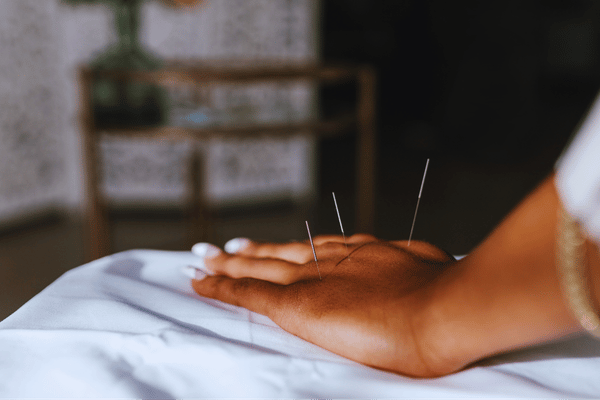
Acupuncture involves inserting very thin sterile needles into specific acupoints along meridians that traverse the body. It is used to stimulate the nervous system which in turn releases endorphins, and trigger an anti-inflammatory cascade that produces quantifiable results. For arthritis, those points include ST36 Zusanli (immune regulation and systemic inflammation), GB34 Yanglingquan (sinew and joint mobility), and SP6 Sanyinjiao (blood circulation and dampness resolution). Acupuncture points are based not only on classical meridian theory, but also on evidence-based neuroanatomy. Each point lies near a bundle of nerves whose activation, transmitted to the spinal cord and brain, inhibits sensation of pain. Acupuncture treatments last 25–40 minutes each. The majority of patients experience less joint stiffness and better range of motion within the first three visits.
2. Chinese Herbal Medicine
Our practitioners prescribe classical formulas modified for each patient’s constitution and arthritis type. Du Huo Ji Sheng Tang is the anchor formula for lower-body joint pain with weakness — it expels Wind-Dampness while tonifying Liver and Kidney. Gui Zhi Shao Yao Zhi Mu Tang clears heat and transforms dampness in inflamed joints with prominent redness and swelling. San Miao San targets damp-heat lodged in the joints of gout patients. Every Chinese herb prescription is dispensed from our in-house pharmacy, using herbs processed under the same strict quality standards that served eight Qing Dynasty emperors.

3. Cupping & Moxibustion
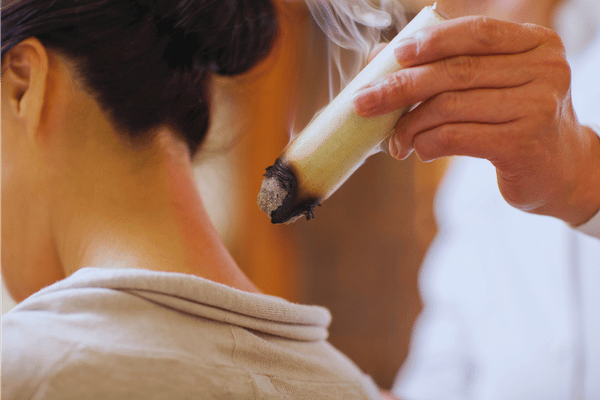
Cupping favors tissue lifting, increasing blood flow to painful joints and drawing out cold damp pathogen lodged deep within your musculature. Moxibustion is the application of heated mugwort above the skin, able to deliver the penetrating warmth required for treating cold, winter worse-offarthritis: when you experience pain that intensifies in certain humidity and weather conditions. Both are effective at nourishing smooth flow of Qi and dispersing stagnant cold.
4. Tui Na Therapeutic Massage
Tui Nautilizes targeted pressure, kneading and mobilization techniques around factors that know, to loosen tight joints and surrounding musculature. Unlike treatments involving general massage, Tui Na follows the flow of meridians and systematically increases the mobility of affected joints, breaks adhesions and balanced flow of synovial fluid. The use of Tui Na regularlyduring the course of acupuncture treatment prolongs the effects of the circulation-enhancing effects of needle insertion.

5. TCM Dietary Therapy & Lifestyle Guidance
We will recommend specific anti-inflammatory diet protocols based on your pattern. Cold-damp patients will eat warm, ginger/oil-based preparations-while hot-patterned patients will eat cooling foods. Dietary therapies will reinforce the effects of your Chinese medicine treatments and reduce overall treatment timelines.

| Treatment | Best Suited For | Typical Course | Frequency |
|---|---|---|---|
| Acupuncture | All arthritis types; pain, stiffness, swelling | 8–12 weeks | 2×/week (initial), then 1×/week |
| Chinese Herbal Medicine | Systemic inflammation, RA, immune regulation | 12–24 weeks | Daily (oral granules or decoctions) |
| Cupping & Moxibustion | Cold-damp pattern, winter-aggravated pain | 6–10 weeks | 1–2×/week |
| Tui Na | Joint stiffness, limited mobility, soft tissue tension | 8–12 weeks | 1–2×/week |
| Dietary Therapy | All patients; long-term flare prevention | Ongoing | Daily (home-based) |
TCM vs Conventional Arthritis Treatment — What the Research Shows
Many patients question whether the use of acupuncture or Chinese herbal medicine has been validated by relevant clinicians in publication. The short answer: they are and the quantity of evidence continues to grow. Below summarizes the scientific evidence.
| Intervention | Key Finding | Source |
|---|---|---|
| Acupuncture (knee OA) | VAS pain reduction: −0.41 (meta-analysis, 557 patients) | PMC systematic review |
| Electroacupuncture (knee OA) | Pain reduction SMD: −0.75 (statistically significant) | PMC meta-analysis |
| Acupuncture vs Ibuprofen | Faster onset of pain relief with acupuncture | Murugesan 2017 |
| Acupuncture + oral meds vs meds alone | Combined treatment showed superior pain and function outcomes | Kwak et al. 2023 |
| NSAIDs (long-term use) | GI adverse events in up to 30% of chronic users | Multiple meta-analyses |
| TCM + Western medicine (RA) | Integrated approach shows positive outcomes for rheumatoid arthritis management | PMC 2020 review |
All of the research corroborates one conclusion: while acupuncture produces quantifiable antiinflammatory and pain-relieving effects, what it offers in addition to ongoing medication cannot be achieved by NSAIDs and other western drugs. It may even slow disease progression when used in conjunction with Chinese herbal medicine. Combined, the effects on inflammation and pain are enhanced greatly, and the possibility of adverse effects are virtually eliminated.
Decision Matrix: Which Treatment Pathway Fits Your Severity?
| Severity | Recommended TCM Pathway | Conventional Comparison |
|---|---|---|
| Mild Occasional stiffness, low pain | Acupuncture (1×/week) + dietary therapy | OTC painkillers as needed |
| Moderate Daily pain, reduced function | Acupuncture (2×/week) + herbal medicine + cupping | Prescription NSAIDs + physical therapy |
| Severe Chronic pain, significant joint damage | Full protocol: acupuncture + herbs + moxibustion + Tui Na (integrated with Western care) | DMARDs / biologics + potential surgery |
We never ask people to switch from their existing options. For moderate and severe patients, our joint rehab aims to work together with rheumatologists and orthopedic surgeons to develop a combined “less pharma, more function” approach to arthritis management that keeps the joints intact and patients in control of their lives.
The Tong Ren Tang Difference — 350 Years of TCM Heritage in Dubai
Tong Ren Tang is the world’s oldest and most established traditional Chinese medicine organization and the only TCM clinic in the UAE with 350 years of pharmaceutical experience behind it
DHA Certified
350+ Year Heritage
2 Dubai Locations
7 Insurers Accepted
1669
Founded in Beijing as a herbal medicine pharmacy
1723
Official Dealer to Qing Dynasty Royal Court.
188 Years
Adviser to eight emperors of the Qing Dynasty (longest Royal appointment in TCM history).
Today
DHA-accredited clinics in Dubai Healthcare City (Bld 49) and Jumeraih Road, serving the UAE and wider Gulf region.
“There will be no compromise on cost and labour, despite the complication of processing herbal medicines. And no compromise on quality and standards. Despite the lack of medicine ingredients.”
— Tong Ren Tang founding motto, upheld since 1669
This by-word rules our every prescriptions. Tong Ren Tang’s herbal medicine is processed, sourced and undergone quality testing and assurance under the same standards held as our pharmaceutical approval and licensing. Our practitioners are qualified, TCM recognized and Certificate by Dubai Health Authority.
Your Personalized TCM Arthritis Treatment
Your first visit will involve a full-spectrum assessment using the Four Methods of TCM diagnosis: observation (including tongue coeting and complexion), auscultation (including voice quality and breath pattern), inquiry (a detailed questionaire regarding your body systems), and touch (including potential examination of body joints and pulse diagnosis). This allows your acupuncturist to tailor the diagnosis analysis and treatment to suit your individual arthritis pattern – not just where it hurts, but why and what internal imbalances have caused the inflammation.
On the basis of your diagnosis, your practitioner can prescribe a specific 4-principle treatment plan which combines acupuncture with herbal, moxibustion, dietary therapy and cupping where need be. The detailed plan has a rolling time-line, frequency of sessions and standards of progress that can be tracked. There is no suggesting of an open-ended change-over-time, but rather targeted milestones that can be reviewed in communication with your diagnostician every 4 weeks.
A standard course runs 8-12 weeks: twice weekly to start with and usually onward progression to weekly, as joint symptomes and disabilities are eased. Those with lighter or more temporary arthritis are likely to show fast relieve in 6-8 sessions. Moderate to heavy rate often takes 16-24 sessions for persistent benefit. 4 weekly reassessment sessions will continue to adapt the program.
Arthritis Treatment Tools & Resources
Frequently Asked Questions About TCM Arthritis Treatment
Yes — acupuncture works. Meta-analyses confirm statistically significant pain reduction for osteoarthritis and rheumatoid arthritis. A systematic review of 557 patients found acupuncture reduced pain by -0.41 on the VAS scale, with electroacupuncture achieving an even larger effect (SMD -0.75). Research shows acupuncture may help by triggering endorphin release, lowering circulating inflammatory markers and improving joint mobility — without the gastrointestinal damage tied to long-term anti-inflammatory drugs. Acupuncture can help patients who have not responded well to conventional medication alone. Acupuncture may also slow disease progression when used alongside herbal medicine.
Most patients follow an 8-12week programmed sequence of 2 acupuncture sessions a week in the initial stage and then progress down to 1 weekly. The more moderate your disease, the more quickly you are likely to respond in a 6-8 range of sessions as the session numbers build. Your individual health professional will consult with you your milestones and outline your progression at 4 weekly check point.
None of the responsible practitioners – Western or TCM – claim to cure rheumatoid arthritis, which is a lifelong autoimmune disease. What TCM practitioners have a long track record of providing for RA patients is meaningful reduction of the pain, inflammation, morning stiffness and flare frequency. That is our experience with the patients we treat here. Patients in our care routinely reduce their dosage of medication with their dermatologist or rheumatologist while maintaining or improving joint function. That is our measure of success. A cure is not.
In the majority of cases yes. Acupuncture has no drug interactions. Chinese herbal medicine prescriptions are cross-referenced with your current list of medication to prevent contraindications. We treat many patients on methotrexate, hydroxychloroquine, prednisolone and biological DMARDs. Our practitioners communicate with your rheumatologist or GP as adjustments are necessary. Never change medication dosages or without your doctor’s permission.
Initial consultations cost from AED 300. Individual acupuncture sessions are AED 300-500. Herbal medicine prices depend on what particular formula is needed. A 12-week course of herbal medicine usually costs from AED 8,000-15,000 depending on the length of time and severity of the disease. We are registered with 7 major insurers (Cigna, Bupa, Emirates Insurance, Sukoon, Oman Insurance, Amity, Neuron) and many general insurers will pay for acupuncture therapy when billed as pain management.
We are experienced in treating osteoarthritis (the predominant form of arthritis1 that affects the knees, hips, hands, neck and spine), rheumatoid arthritis, gout, psoriatic arthritis, ankylosing spondylitis and the broad spectrum of inflammatory joint disorders. Traditional Chinese Medicine (TCM) classes all these illnesses as Bi Syndrome and forms the treatment protocol based on whether the primary pathogenic factor to be dispelled is Wind, Cold, Dampness or Heat – which determines the acupuncture points chosen, herbal formulas and adjunct therapies used.
Western diagnosis is made on blood tests (ESR, CRP, rheumatoid factor, anti-CCP), imaging (X-ray, MRI) and clinical examination. Traditional Chinese diagnosis employs the Four Methods – observation, auscultation, questioning and palpation – with emphasis given to pulse quality, tongue state and character of pain (fixed vs. migratory, worsened by cold vs. heat). Both systems provide reliable frameworks of understanding and certain Western tests are very helpful in the TCM diagnosis, so please do bring them along.
Absolutely. Acupuncture is practiced widely across Muslim-majority countries including the UAE, Malaysia, Indonesia, Turkey and Egypt. Our needles are single-use, sterile stainless steel with zero animal derivatives. All herbal formulations dispensed at Tong Ren Tang are alcohol-free and pork-free. We also offer same-gender practitioner requests. Several of our Dubai Healthcare City patients specifically chose our clinic because of these accommodations. Let your practitioner know about any personal dietary or religious requirements during your initial consultation and we will adjust accordingly.
No. Walk in directly or book online. Some insurance providers require a GP referral for reimbursement — check with yours first.
Most patients experience some painless reduction, increased flexibility and range of motion within the first few sessions of acupuncture. Sustained, diagnosable improvement in pain and movement occurs at the earliest around the 3rd to 4th week of treatment. The effects of herbal medicine typically become evident over a period of 2-4 weeks as the internal signature of weakness is restored. Assessments are performed after the 8th-12th week of management to determine the extent of achievement reached.