Get in Touch with Tongren Tang Gulf
使用中

Menstrual Cramps Treatment

Menstrual Cramps Treatment Dubai — Acupuncture & Moxibustion at Tong Ren Tang

Drug-free menstrual pain treatment backed by 350 years of TCM tradition. Using their DHA approved Chinese herbal formulas, our clinicians identify the root cause of dysmenorrhea- not simply the symptoms – at our Dubai Healthcare City and Jumeirah acupuncture clinics with acupuncture and moxibustion.

Book Your Consultation
Menstrual Cramps Treatment Dubai - Tong Ren Tang

Treatment at a Glance

350+ Years Heritage Founded 1669 — served 8 emperors
DHA Licensed Fully regulated TCM practitioners
Acupuncture + Moxa + Herbs Three-modality treatment protocol
4–8 Sessions Typical Course Acute + consolidation phases
Sustained 3–6 Cycle Relief Effects persist after treatment ends
Insurance Reimbursable Check your UAE provider for coverage

Period Pain Treatment in Dubai: Why It Persists & How TCM Treats the Root Cause

Understanding Period Pain and TCM Treatments

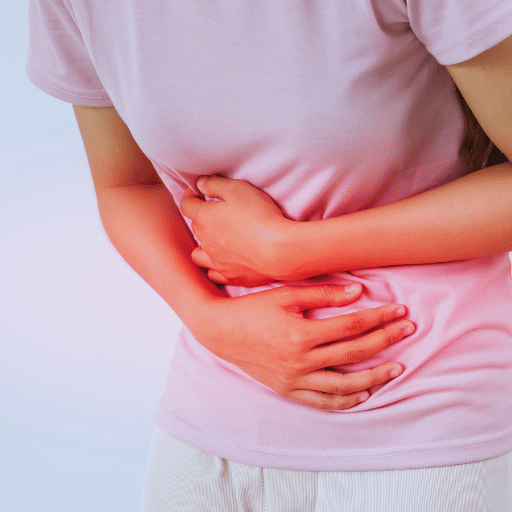
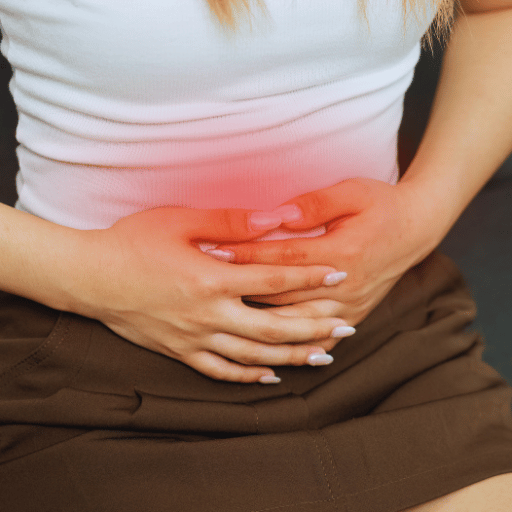
Each month, your uterus releases prostaglandins to increase uterine contractions during menstruation by expelling its lining. If blood flow to the muscle tissue gets compromised, as it does when prostaglandin levels rise too high, intense cramping pain is one of the consequences. This pain can radiate to the pelvis, the lower back and into the thighs.

This is primary dysmenorrhea – there is no underlying pathology contributing to the pain experienced, and it affects the mostly the first couple of years after the onset of menstruation. Secondary dysmenorrhea on the other hand, results from pathology in the pelvic organs, such as endometriosis, adenomyosis, pelvic inflammatory disease or fibroids. Symptoms can range from mild to severe, and a doctor may need to rule out these underlying conditions before treatment selection. If you experience persistent pelvic pain beyond normal menstrual cramps, your gynaecologist should investigate further.

The TCM Perspective

Etiology of period pain according to traditional Chinese medicine is based on pattern differentiation instead of symptom suppression techniques. By far the most prevalent pattern observed in our Dubai clinics is cold stagnation with blood stasis () – characterized by inadequate circulation in the uterus resulting in heat oppression and cold accumulation, and with pain worsened during menstruation.

Acupuncture and moxibustion rebalance blood flow through dispersing blood stasis and unblocking qi stagnation to eliminate stagnation in the uterus. Unlike anti-inflammatory drugs that inhibit prostaglandin production, TCM therapies improve uterine microcirculation by intervening at the hormonal level to correct the aberration that precipitates excess prostaglandin production.

This second approach is important because it will determine treatment choices. Numbing pain through gluccorticoids will only provide a pain-free window for 4-8 hours per administration, while normalizing blood flow and eliminating stagnation will provide relief over the course of many months following the treatment phase.

Acupuncture for Menstrual Cramps vs. Conventional Medication: Why Women Choose TCM

In fact, doubts about whether acupuncture alleviates period pain should be assuaged by the research literature. 3 high quality systematic reviews- assessing hundreds of randomized controlled trials involving thousands of subjects- have quite consistently demonstrated that acupuncture and moxibustion effects are superior to NSAID treatment with regard to menstrual pain, and that the effects maintain for months after cession of therapy.

The Research

In a 2025 meta-analysis of 14 randomized controlled trials (970 participants) total, acupuncture was found to improve the mean VAS pain score by 29.89 points (95% CI: 37.63 to 22.15; p <0.0001) relative to NSAID management. Furthermore, the improvements were sustained for 3 to 6 menstrual cycles after the completion of trial therapy- something that no NSAID has demonstrated to date.

An earlier 2018 review looked at 5 systematic reviews over 248 RCTs involving 17,392 subjects: The results suggested that acupuncture for primary dysmenorrhea was found to produce meaningful pain relief no major side effects were reported in any of the 17,392 women: a safety record that is quite hard to match for long term NSAID use, which has documented gastrointestinal and renal risks.

In specific regard to moxibustion a 2022 review of 56 RCTs and 5,550 women showed that moxibustion reduced PGF2the compound directly responsible for painful uterine contractions- while increasing PGE2the compound that relaxes uterine smooth muscle: in fact the relative risk for improvement was 1.19 (P = 0.001).

How Acupuncture Points Target Menstrual Pain

According to the guidelines for patients seeking acupuncturist care, an acupuncturist chooses point combinations according to pattern: The acupuncture points below are fundamental to everything I do, in my practice, for menstrual cramps:

SP6 (Sanyinjiao) point

is 4 finger-breadths above the interior ankle bone; is at the crossing of the spleen, liver and kidney meridians; positively affects blood flow to the pelvic region and lower abdomen, helping alleviate cramping pain. Between each menstrual period I recommend acupressure to SP6 as a self-treatment modality.

LI4 (Hegu) point

is between the thumb and index finger; is China’s main analgesic point. I use LI4 together with SP6 to diminish pain intensity and duration.

CV4 (Guanyuan) point

on the middle line of the lower stomach, three finger-breadths below the umbilicus; accumulates dollars for the Uterus and promots regular menstruation. Moxibustion treatment of CV4 in combination with SP6 enhances the uterus microcirculation and provides heat to the lower Abdomenoctic functions directly against the cold stagnation pattern documented.

Moxibustion of CV4 with SP6 accomplishes localized thermal penetration to the depth of the subcutaneous tissue and results in raises in local blood pressure and ductility in lower blood vessels, explaining it leads to PGF2a reduction.

Tong Ren Tang Dysmenorrhea Treatment Protocol — Your Personalized Path to Relief
Patients are not alike. Sharp, knife-like experience that begins ten days before the period and cannot be relieved by ibuprofen recommends a different approach to acupuncture than dull, dragging that begins the day before, and is alleviated by a hot-water bottle: no pattern differentiation, no cookie cutter protocol.
Initial Consultation

First, I analyze the pulse () and tongue (); pulse reflects temperature, pain and stagnation levels, and the health of the organ perspective in pattern differentiation. Tongue indicates the status of the heat or cold and stagnation through color, form and coating, respectively. Specifically, the menstrual pattern is assessed by the depth and character of menstrual pain, quantity, presence of clots, and additional symptoms including breast tenderness or cold extremities.

Acupuncture Course Acupuncture Course

Weekly point prescription. Your acupuncturist chooses the appropriate points, needling depths and stimulation combinations according to your pattern:

qi stagnation patterns respond best to qi stagnation points, blood stasis patterns respond best to blood stasis points, cold-stagnation responds best to cold-stagnation points. Sessions last between 30-45 minutes, and the majority of patients experience diminished cramping pain within the first few sessions.

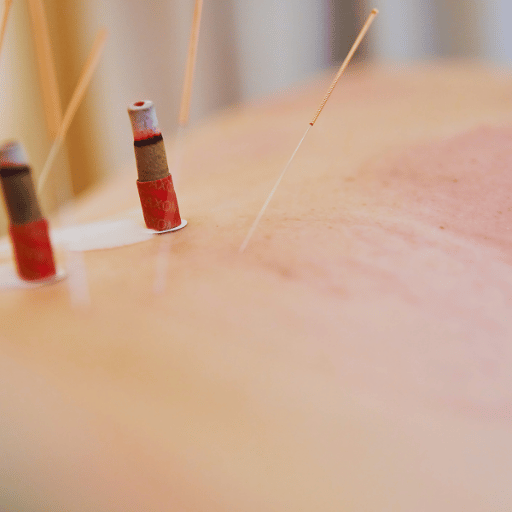
Moxibustion & Warm Needle Moxibustion & Warm Needle

For the Cold-stagnation pattern () – marked by increased cramps in cold environments that eases with heat – treatments involve both acupuncture and moxibustion

or the warm needle-pulse method (). Burning mugwort directly at acupoints offers penetrating thermal stimulation that disperses cold and restores blood flow through out the uterus.

Chinese Herbal Medicine Chinese Herbal Medicine

Classic blood nourishing formulas include Dang Gui (, Angelica sinensis), Chuan Xiong (, Ligusticum), and Yi Mu Cao (, Leonurus) that increase blood flow and nourish blood while regulating the periods.

Herbal formulas work alongside acupuncture to extend the treatment results between sessions and address hormonal influences from within.

Course Planning

Treatment occurs in two phases. The acute phase (four to six sessions, once to twice weekly) addresses short-term pain relief and should be planned to begin one week prior to one’s period. The consolidation phase (six to eight sessions, weekly or biweekly) addresses cycle stability to provide lasting results and his training the body’s response to the period experience. Due to the nature of TCM work, results tend to be fairly stable within the first two months, and last three to six cycles past one’s last acupuncture session.

Acupuncture vs Conventional Pain Medication — Why More Women Choose TCM

Many women considering treatment for painful periods compare three categories of treatment: over-the-counter painkillers, hormonal birth control, and TCM acupuncture. Each has its own mechanism, side effects, and equivalence of effectiveness. Below, a matrix compares the factors most relevant.

Factor NSAIDs (Ibuprofen) Hormonal Birth Control Acupuncture + TCM
Mechanism Blocks prostaglandin production Suppresses ovulation and thins uterine lining Restores blood flow + reduces PGF2α naturally
Onset 30–60 minutes per dose 1–3 menstrual cycles 4–6 sessions (2–3 weeks)
Duration 4–8 hours per dose While taking medication Sustained 3–6 cycles post-treatment
Side Effects GI issues, kidney risk with long-term use Weight gain, mood changes, DVT risk Minor: occasional bruising, rare fainting
Root Cause No — symptom masking only Partial — hormonal suppression Yes — circulation + hormonal balance
Long-term Use Indefinite, escalating GI risk Indefinite, hormonal dependency Course-based, self-limiting

I would like to address the first one of cost. Over the counter NSAIDS cost next to nothing – but we use them every month – in many cases, every day – with long term risk of ulcers or other gastrointestinal complications. Hormonal birth control carries ongoing medication costs and a dependency on OCPs to regulate the cycle. Acupuncture offers course-based healing, with results that continue without ongoing treatment.

Sustained Relief, Reduced Medication Dependency

Course-based healing offers a reduction in costs, and in the number of months during which you need to take NSAIDS (or prescription pain killers). Reducing the long term reliance on NSAIDS for cramps is smart medicine, and it also significantly cuts down the risks of short and long term gastrointestinal damage from Medication.

Based on PMC systematic review data (2025) – 14 RCTs, 970 participants

Acupuncture can also work synergistically with conventional treatment. Patients currently taking painkillers or hormonal birth control can add acupuncture to their regime over the course of the transition period in order to wean off medications smoothly as acupuncture benefits take hold.

Real Patient Journeys — From Debilitating Cramps to Monthly Comfort

Women treated with acupuncture at TCM clinics in Dubai report a common trend: their partners didn’t believe that this treatment could actually work, but they did notice that within the first few sessions the patient no longer experienced the painful periods and no longer needed painkillers to work through the pain. A snapshot of patient results is as follows:

01

Case A — Severe Primary Dysmenorrhea

A 28-year-old with a history of unpredictable painful periods (having tried every available medication to easing the pain with limited results) presented to our clinic. She was initially taking ibuprofen 600mg four times daily during the first two days of her cycle. She scored her pain as 8/10 in severity at intake. She was experiencing pain severe enough to affect her ability to be at work regularly. After a pattern differentiation was made indicating blood stasis with qi stagnation, the patient was begun on regular twice weekly acupuncture sessions with a Dang Gui based herbal formula. Her pain was reducing to 5/10 at week 4. She completed an 8 week course of treatment. (including consolidation interventions) Her pain score was stable at 2/10 by the end of her treatment sessions. Since 3 cycles after end of treatment, her (average) pain score has again stabilized at 2-3/10.

02

Case B — NSAID Failure, Acupuncture Recovery

  • Month 1-24: 200mg ibuprofen, regularly increasing doses to 600mg/day
  • Month 25: Ultrasound confirmed exclusion of endometriosis and fibroids.
  • Sessions 1-3: Weekly acupuncture (SP6, CV4, LI4), improvement in bloating and mood.
  • Sessions 4-6: Added moxa at CV4; first cycle managed with zero medication.
  • Outcome: Maintained work/study regime; no ibuprofen needed for 4 consecutive cycles.
03

Case C — The Skeptic Converted

“At first, I wasn’t too keen. I was scared of needles, couldn’t bear the thought of it. My friend in England was showing signs of not needing painkillers anymore for her backaches, and thought I’d try it for period pain. But in only four sessions, I was not needing any medication while I was at my worst. I also found that I just feel so much more relaxed afterwards, which I didn’t expect.”

The Tong Ren Tang Difference — 350 Years of TCM Excellence in Dubai

Tong Ren Tang (, Beijing, China) was founded in 1669, during the Qing Dynasty. For 188 years, Tong Ren Tang was the sole supplier of medicines to eight Chinese Emperors, a position that was only sustained by absolute consistency of entire lines of herbs from dynasty to dynasty. That reliability has not changed.

One principle established by the family making Tong Ren Tang the sole providers of medicines to the Empress during the Qing era, is still applied to every Tong Ren Tang clinic and pharmacy in the world today “After all, we are not going to compromise on the staff and processing of herbs no matter how complex, and we are not going to cut corners on quality and standard despite rising costs of ingredients.”

Our Dubai Practice

Full Dubai DHA licensed clinics operate at Dubai Healthcare City and Jumeirah. All Medical staff trained to Bachelor’s degree (minimum) in Traditional Chinese Medicine in an accredited university, with 5+ years Clinical experience and DHA English language qualification (TOEFL/IELTS qualified). Your treatment will be delivered by trained practitioners who study in the same tradition of diagnosis and prescription that has been perpetually evolving since the 17th century. Tong Ren Tang’s Dubai clinics in Dubai Healthcare City and Jumeirah.

For women receiving regular treatment for menstrual cramps in Dubai, this tradition makes possible to manage at the most accurate differentiation of patterns and access to proper herbal formulas filtered through that practitioner /via Tong Ren Tang’s own supply chain/, and benefit from acupuncture protocols that incorporate the longest unbroken body of clinical Traditional Chinese Medicine research in history.
DHA Licensed
Beijing TRT Heritage (Est. 1669)
350+ Years TCM Excellence
ISO Quality Standards

Booking & Treatment Guide — Fees, Sessions, and What to Expect

Getting started with acupuncture treatment for menstrual cramps at Tong Ren Tang lives out this very systematic approach to clinical treatment of acute constipation. This is what you can expect exactly.

Initial Consultation

Pulse diagnosis () + tongue diagnosis () + a discussion about your menstrual history, medical conditions, current medications and lifestyle factors. 45-60 minutes allowed for your first visit. Your practitioner will describe the identified TCM pattern and proposed treatment plan before treatment commences.

Course Timeline

Acute phase – 4 to 6 treatments over 1-2 visits per week timed with your cycle. Consolidation phase – 6 to 8 weekly to biweekly visits. Treatment duration: 2-3 months for the majority of primary dysmenorrhea cases.

Insurance Cover

Cover for acupuncture in Dubai under an increasing number of UAE insurance schemes is available under a reimbursement model. The complementary and alternative medicine (CAM) market in the UAE was over 155 million dollars in 2023, and this number reflects a tilt in underwriters’ minds towards accepting Traditional Chinese Medicine as a legitimate pain management option. Your insurance company can confirm coverage details.

How to Book

book an appointment online at our website, get in touch on WhatsApp or just call us directly to book over the phone. Our initial consultations are available the same week.

What To Wear

loose clothing providing access to lower legs for SP6 and lower abdomen for CV4. Treatment gowns are on hand if required.

Prior To Your Visit

eat light 1-2 hours prior to treatment. Please do not come on an empty stomach or immediately after intense exercise.

ACU for the ‘Get the pain out of your life’ kind of period pains

in cases of over-the-counter Painkillers currently providing insufficient relief the practitioner will give you a brutally honest assessment during your initial consultation. If your condition appears indicative of a secondary dysmenorrhea case requiring medical investigation you will be referred to a gynaecologist for imaging before ritualistic herbs are thrown at you.

Frequently Asked Questions About Menstrual Cramps Treatment

How does acupuncture relieve menstrual cramps?

Acupuncture points – mostly SP6 (Sanyinjiao), LI4 (Hegu), and CV4 (Guanyuan) – guide blood to the uterus and pelvis, and improve circulation. Under those circumstances, less prostaglandin F2-alpha (PGF2) is produced. PGF2 causes the painful uterine contractions that characterize period pain. Clinical data shows that acupuncture reduces pain scores by nearly 30 points on a Visual Analogue Scale (VAS) compared to the NSAID group, and the acupuncture effect continues for between 3 and 6 cycles of the menstruation after treatment is stopped. Unlike the anti-inflammatory drugs that cover up the pain, acupuncture targets the dysfunctional circulation that causes the pain.

How many acupuncture sessions are needed for period pain?

Expect 4-6 sessions in the acute phase (1-2x per week), then 6-8 consolidation sessions over 2-3 months total. Many patients notice meaningful pain reduction by session 2 or 3. Benefits persist for 3-6 cycles after treatment ends.

Is it safe to do acupuncture during your period?

Yes — acupuncture during menstruation is perfectly safe. Across 17,392 participants, no serious adverse effects were reported. Bruising or brief faintness may occur but clears within hours. Your practitioner may adjust point selection during active bleeding to prioritize pain control.

What is the difference between primary and secondary dysmenorrhea?

Primary dysmenorrhoea is period pain from natural prostaglandin activity — no underlying pathology. Secondary dysmenorrhoea stems from conditions like endometriosis, adenomyosis, or fibroids, and requires gynaecological diagnosis. At Tong Ren Tang, we differentiate the two and refer for medical investigation when needed.

Can Chinese herbs help with severe period pain?

Herbal medicine has been used by traditional cultures to treat severe cramps for centuries. Similar herbs are used by our practitioners in anti-cramp formulas at Tong Ren Tang. Key herbs include Dang Gui (), to nourish and circulate blood; Chuan Xiong () to move and reduce qi; Yi Mu Cao () to regulate blood flow to the pelvis. Herbs work synergistically with acupuncture and extend the treatment period – from one session to the next – to re-establish hormonal balance that needles alone do not address. Herbs are dispensed through our genuine Chinese medicine supply chain, similar to the standard since 1669.

How much does acupuncture for menstrual pain cost in Dubai?

Treatment fees are dependent upon how many modalities you include in your bespoke protocol (acetarch alone or acetarch + moxibustion + herbs) and the length of your course plan. Please call our clinic directly for prices – we will give you a cost breakdown at your first acupuncture and acupressure consultation so you won’t be caught out. Many insurers within the UAE reimburse acupuncture under complementary medicine coverage so your out-of pocket expenses can be greatly reduced – please speak with our reception team about documenting treatments for you.

Where is the acupuncture point for menstrual cramps?

The most critical acupuncture point of interest, beneficial for cramping pain, is SP6 (Sanyinjiao) which lies on the inside of the lower leg, four finger breadths above the ankle bone to one side of the tibia. Firm acupressure at this site by the self may provide some minor short term analgesic effect. Use the thumb to exert pressure downward for 1-2 minutes on each leg when painful cramping occurs. Additional beneficial sites, used more for the providers skill, include CV4 (Guanyuan) on the lower abdomen and LI4 (Hegu) on the dorsum of the hand.

Does insurance cover acupuncture for dysmenorrhea in Dubai?

More and more of the UAE insurance companies are reimbursing or authorizing pre-pay for acupuncture. The CAM market in the UAE has boomed and the DHA license acupuncture is a legitimated service to be covered by most plan. Some plans cover an agreed number of sessions per calendar year others require a pre-authorization for the Chinese medicine treatments. Please call your insurance company with the procedure codes from our office to verify coverage prior to your first visit. Our reception staff are always happy to help patients file claims and provide documentation.

Will my cramps get worse before they get better with acupuncture?

A transient ‘flare’ of symptoms following first 1-2 treatments may be experienced by some patients – this is sometimes referred to as a ‘healing crisis’ in TCM practice. This is due to the expulsion of stagnant qi and blood following long-standing stasis and is usually manifests within 24-48 hours. This transient exacerbation does not indicate unfitness for ongoing treatment – in clinical practice, patients who have experienced this short surge have generally gone on to get the most lasting chronic benefits. Your practitioner will inform you of the possibility of this transient response at your first consult and may modify needle technique or include moxibustion as part of treatment to contribute to dampening the shock. The vast majority of patients will have moved out of this transient phase before 34 treatments, and found symptom severity affected.