Get in Touch with Tongren Tang Gulf


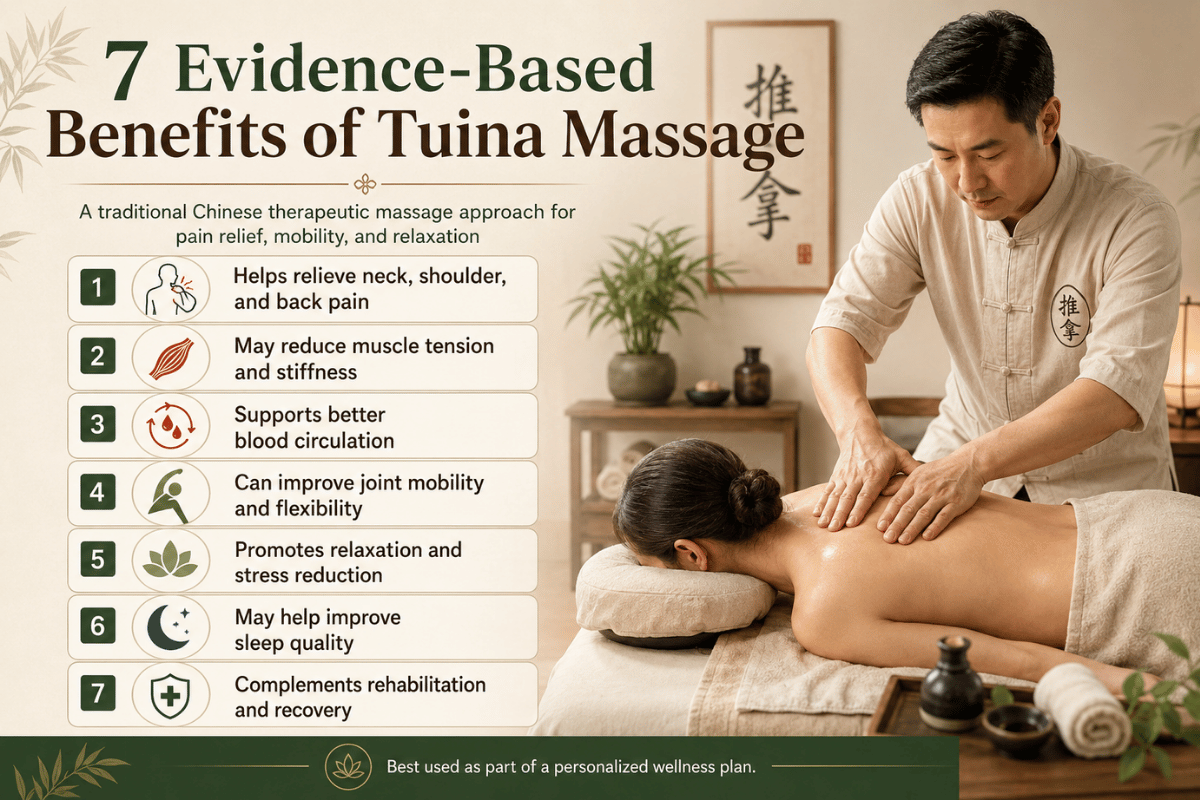
The 7 Evidence-Based Benefits of Tuina Massage are best read as a condition-by-condition guide, not as a promise that one therapy works the same way for every body. Tuina massage is a form of Chinese medical massage used in traditional Chinese medicine, and the research signal is strongest for pain and physical function, then more mixed for sleep, digestion, and rehabilitation support.
Dubai readers should ask more than “does Tuina work?” It is “does the evidence fit my condition, and should I book Tuina massage, acupuncture, cupping, moxibustion, or a combined TCM plan?” This guide keeps those questions separate so you can speak with a DHA-licensed practitioner at Tongren Tang with a clearer starting point.
Quick Specs
- Primary therapy type: Chinese medical massage within traditional Chinese medicine.
- Best-supported benefit group: pain relief and physical function.
- Common technique family: pressing, kneading, rolling, acupressure, meridian-based work, and joint-mobility support.
- Best-fit topics in this guide: chronic low back pain, neck pain, knee osteoarthritis, post-stroke spasticity, primary insomnia, functional constipation, and safety-screened non-drug manual care.
- Evidence caution: Tuina therapy has promising condition-specific evidence, but no universal high-certainty claim.
- Dubai next step: start with a TCM assessment, then match pressure, technique, and frequency to your diagnosis.
Before The 7 Benefits: What “Evidence-Based” Means For Tuina Massage
“Evidence-based” does not mean that every Tuina massage claim has the same strength. JAMA Network Open’s 2024 evidence map of massage therapy for painful adult health conditions found 129 systematic reviews; 41 rated evidence certainty; 17 were mapped across 13 conditions; none reached high-certainty conclusions, and 7 moderate-certainty conclusions favored massage for pain. That matters because a benefits article should not treat low back pain, sleep, digestion, and stroke rehabilitation as if the data were identical.
Within traditional Chinese medicine, Tuina massage is used to work on channels, soft tissue, joints, acupressure points, Qi movement, and local pain patterns. Clinical research shifts the language to outcomes such as pain scores, physical function, range of movement, sleep-quality scales, and adverse events. Both lenses can be useful, but they answer different questions.
WHO’s traditional medicine FAQ is also worth reading carefully. ICD-11 includes a chapter for traditional medicine reporting, which helps classification and data collection. That chapter is not proof that any single practice works for every condition. This guide uses that distinction throughout.
Is Tuina Scientifically Proven?
Tuina is better described as condition-supported than universally proven. Pain and function have the strongest signal in this review set, while sleep and digestive claims need tighter patient selection. A person comparing Tuina therapy for low back pain should not use the same evidence standard as someone asking about functional constipation or post-stroke spasticity.
Clinical Design Note: In this article, a stronger Tuina massage benefit needs condition-specific research, not only a traditional explanation. Systematic review and meta-analysis data rank above a single trial, and a trial ranks above experience signals. Patient stories can help describe what treatment feels like, but they do not prove effect size.
7-Condition Tuina Evidence Ladder
Use this table as a fast scan before booking. This table places Tuina massage benefits in an evidence ladder, then adds a practical caution for Dubai patients who are deciding between Tuina therapy and other TCM care.
| Benefit | Best Evidence Source | Evidence Strength | Best-Fit Reader | Practical Caveat |
|---|---|---|---|---|
| Chronic low back pain relief | 2023 systematic review and meta-analysis | Promising, low-certainty evidence | Long-running nonspecific back pain | Red flags and radiating pain need assessment first. |
| Neck pain and stiffness | 2018 randomized controlled trial | Promising trial evidence | Desk-work neck pain or movement limits | Firm work may not feel like spa massage. |
| Knee osteoarthritis support | 2025 network meta-analysis | Promising adjunct | Knee pain, stiffness, and function concerns | Acupuncture or moxibustion may rank higher for some outcomes. |
| Post-stroke spasticity support | 2025 meta-analysis | Adjunct only | Patients already in supervised rehabilitation | Not a replacement for medical rehabilitation. |
| Sleep-quality support | 2023 insomnia meta-analysis | Promising, with limits | Primary insomnia or stress-linked sleep issues | Long-term data are limited. |
| Functional constipation support | 2021 systematic review and meta-analysis | Promising, more trials needed | Functional constipation after medical causes are checked | Abdominal Tuina should be diagnosis-led. |
| Safety-screened non-drug manual care | Adverse-event reporting in Tuina studies | Favorable in reviewed studies, not risk-free | People seeking manual care after screening | Avoid treatment over fractures, wounds, or acute red flags. |
Evidence Timing Notes
Study dates help readers judge whether a claim is current enough to discuss in clinic. They also stop a centuries-old therapy from being described only through heritage language.
| Evidence Category | Time Window | How To Use It |
|---|---|---|
| Massage pain evidence map | 2018-2023 review window, 5 years | Use for the broad evidence caveat, not as proof for every Tuina condition. |
| Insomnia review for Tuina | 2011-2021 study window, 10 years | Use for sleep-quality discussion with a long-term-data caveat. |
| Tongren Tang heritage | 1723-1911 imperial service period, 188 years | Use as brand context, not as clinical-effect proof. |
Benefit 1: Chronic Low Back Pain Relief And Better Physical Function
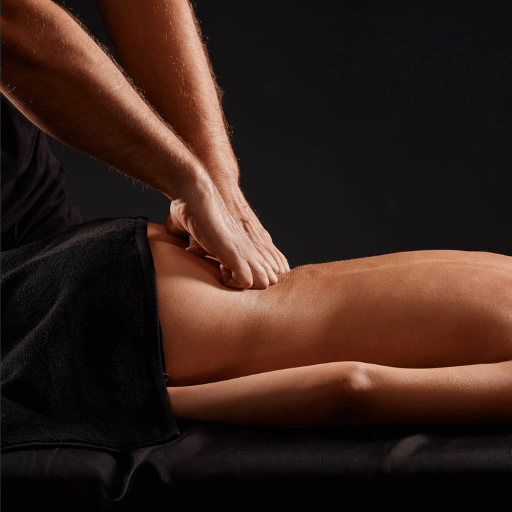
Low back pain is one of the better-supported Tuina massage benefit areas. A 2023 PRISMA-compliant systematic review and meta-analysis included 15 randomized controlled trials with 1,390 patients. Findings linked Tuina with better pain and physical function scores compared with control groups, while quality-of-life gains were not clear. Review authors rated evidence quality as low and called for larger multicenter trials.
That caveat should not be skipped. If your pain is chronic, nonspecific, and linked with stiffness or muscle guarding, Tuina therapy may be a sensible topic for a TCM assessment. If pain travels down the leg, follows trauma, comes with numbness, weakness, fever, bladder changes, cancer history, or unexplained weight loss, book medical assessment first. Picture a Dubai office worker with months of dull lumbar stiffness; that case is different from sudden severe pain after lifting.
Tongren Tang’s back pain treatment page can help you compare TCM care routes, while the Tuina massage service page explains the clinic’s Chinese medical massage approach in Dubai.
Benefit 2: Neck Stiffness, Cervical Tension, And Movement Restriction
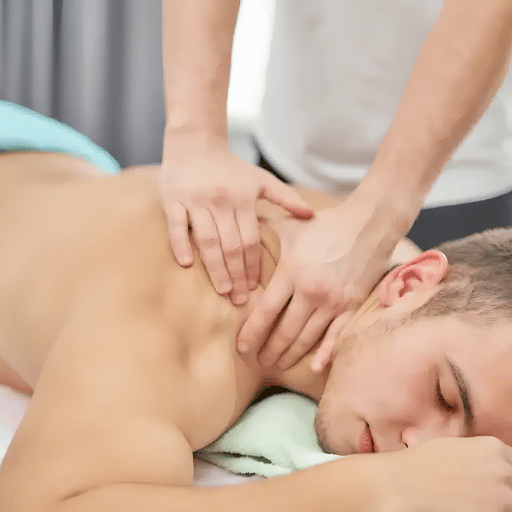
Neck pain is another practical reason people search for Tuina massage. One randomized controlled trial of chronic neck pain included 92 outpatients. Participants in the Tuina group received six treatments within three weeks and reported a clinically meaningful reduction in neck-pain intensity compared with a waiting-list group at four and twelve weeks. No serious adverse events were observed.
This does not mean every stiff neck needs strong pressure. During Chinese medical massage, the practitioner may combine local soft-tissue work, acupressure, shoulder-girdle assessment, and movement checks. TCM language may also bring in meridians, Qi flow, cold or heat patterns, and whether the neck problem sits with headache, jaw tension, or upper-back tightness.
If you expected a spa massage, Tuina may feel more clinical. Some people describe firm pressure, post-session soreness, or a sense that problem areas were worked directly. If that sounds like your concern, compare symptoms on the neck pain treatment page or use the Tuina treatment selector before choosing a session.
What Is Tuina Massage Good For?
Based on the sources reviewed here, Tuina massage is best discussed for specific conditions: chronic low back pain, neck pain, knee osteoarthritis, rehabilitation support, primary insomnia, functional constipation, and safety-screened manual care. General questions about whether Tuina is “good” are less useful, because the answer changes by diagnosis, treatment intensity, and outcome measured.
Benefit 3: Knee Osteoarthritis Pain And Joint Function Support
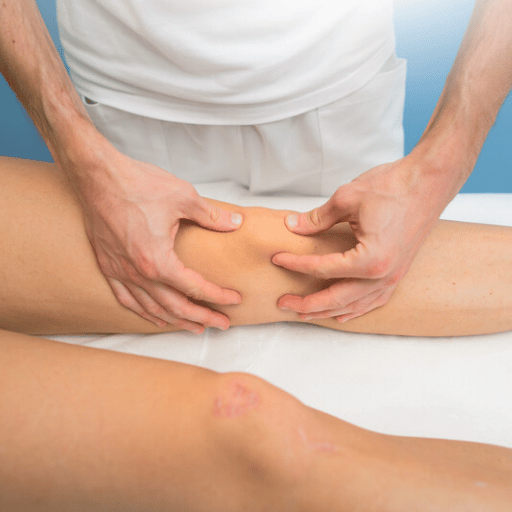
For knee osteoarthritis, the evidence question is not only whether Tuina massage helps. A sharper question is how Tuina compares with other external therapies in traditional Chinese medicine. A 2025 systematic review and network meta-analysis included 68 randomized controlled trials and 6,571 participants across 11 interventions. Researchers reported that TCM external therapies outperformed conventional medicine on several pain and function outcomes, and Tuina appeared among useful options, though electroacupuncture and moxibustion ranked higher for some measures.
Knee patients can treat Tuina therapy as part of the conversation, especially if stiffness, muscle guarding, local tenderness, and movement comfort are major issues. That does not mean Tuina is always the top single choice. Some people may be better matched to acupuncture, moxibustion, exercise advice, herbal support, or a combined plan after assessment.
If your main concern is knee pain while walking, compare Tongren Tang’s knee pain treatment page, the arthritis treatment page, and acupuncture in Dubai before deciding which therapy to ask about first.
Benefit 4: Post-Stroke Spasticity Support When Paired With Rehabilitation
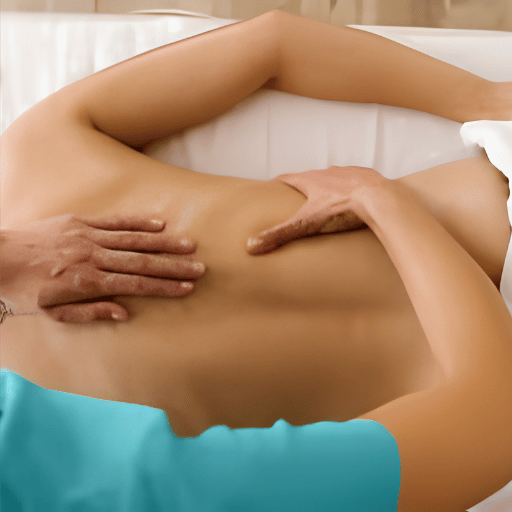
Post-stroke spasticity is a more serious topic than everyday soreness. Another 2025 meta-analysis included 18 studies with 1,937 patients and evaluated Tuina massage combined with conventional treatment. Reviewers reported reduced spasticity severity and better functional measures in the Tuina treatment group. Outcomes included the Modified Ashworth Scale, Modified Barthel Index, and Fugl-Meyer Assessment.
Wording matters here. Tuina is not being presented as a stroke treatment by itself. Tuina is an adjunct in a supervised rehabilitation context. Anyone recovering from a stroke should follow their medical team’s plan and ask whether manual therapy is suitable for their stage of recovery, medication profile, mobility, and skin integrity.
This section is included because it shows the broader clinical use of Tuina therapy beyond relaxation. This point also shows why a TCM plan should be diagnosis-led. Pressure, limb positioning, and session goals used for post-stroke spasticity are not the same as a general shoulder or back session.
Benefit 5: Sleep Quality Support In Primary Insomnia Studies
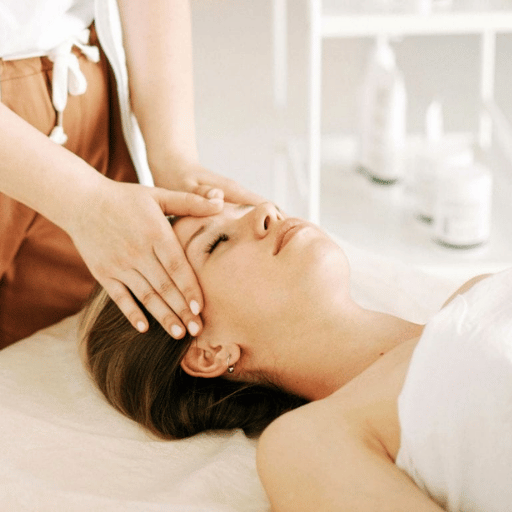
Sleep is a softer evidence area than pain, but it has research support worth noting. For insomnia, a 2023 systematic review with meta-analysis on Tuina therapy included 18 studies from 2011 to 2021 and 1,471 patients. Researchers reported that Tuina alone, and Tuina combined with other treatments, was associated with better sleep outcomes in the included studies. They also noted limits such as small samples, method issues, and limited long-term follow-up.
Can Tuina Help Sleep?
Tuina may help some sleep complaints when tension, pain, digestive discomfort, or a TCM pattern is part of the picture. The evidence is not strong enough to promise sleep change from massage alone. A better clinic question is whether sleep symptoms sit with a treatable pattern that also shows up in pain, stress load, digestion, or body tension.
For sleep care, a Tuina massage plan should ask more than “do you sleep badly?” A TCM practitioner may ask about stress load, digestion, pain, heat or cold sensations, menstrual history, medication, caffeine, and whether you wake early or cannot fall asleep. From a TCM view, the treatment may involve acupressure, meridians, Qi regulation, and a gentler session rhythm than a pain-focused appointment.
Readers with long-running sleep problems can review Tongren Tang’s insomnia treatment page. If sleep trouble sits beside headache, pain, or anxiety-like tension, acupuncture may also be discussed during assessment.
Benefit 6: Digestive Symptom Support In Functional Constipation Research
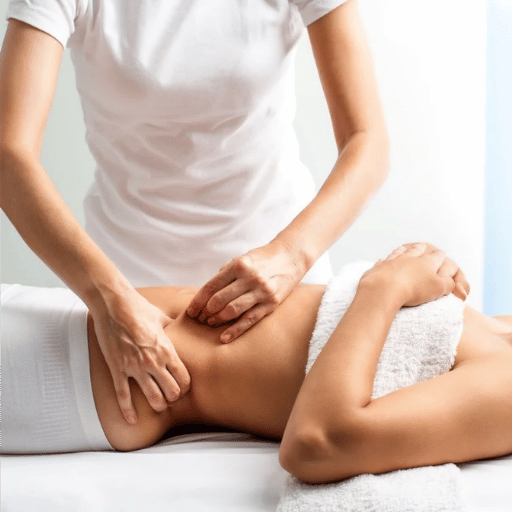
Abdominal Tuina is one of the more surprising Tuina massage benefits for readers who think massage only targets muscles. For functional constipation, a 2021 systematic review and meta-analysis on Tuina included 16 articles and 1,424 cases. Reviewers reported a higher total effective rate than control groups, with RR 1.28 and 95% CI 1.16-1.42, and a higher TCM symptom effective rate, with RR 1.38 and 95% CI 1.25-1.52. Even so, the authors still called for larger, higher-quality randomized controlled trials.
This is not a reason to self-treat abdominal pain. Functional constipation means medical causes and warning signs have been considered. Severe pain, vomiting, blood in stool, sudden bowel change, unexplained weight loss, pregnancy, recent surgery, or suspected obstruction should be assessed medically before abdominal manual therapy.
For digestive concerns, start with Tongren Tang’s stomach pain and digestive treatment page. Depending on the assessment, Chinese herbal medicine may be discussed alongside or instead of manual therapy; see the clinic’s Chinese herbal medicine page for that pathway.
Benefit 7: A Non-Drug Manual Option When Safety Screening Is Done Correctly
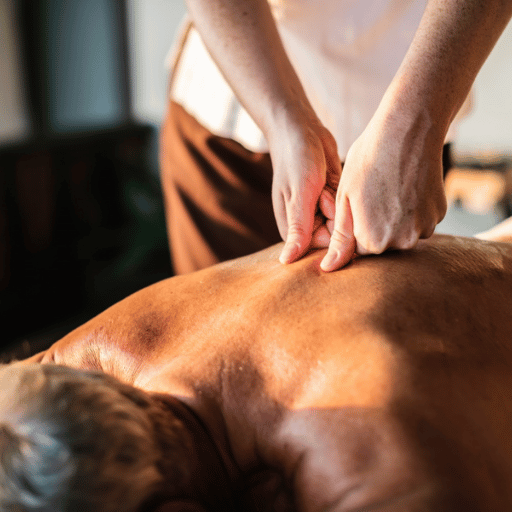
Tuina’s seventh benefit is not “risk-free care.” It is a non-drug manual option that can be considered after screening for side effects and red flags. The chronic low back pain review reported adverse-event data in only six studies, with no serious events. The chronic neck pain randomized trial reported no serious adverse events. Beyond Tuina-specific trials, a broader review of massage therapy adverse events in pain-related conditions found that adverse-event reporting varies and that serious events are rare but possible.
Who Should Avoid Tuina Massage?
Safety screening should ask, “who should pause before Tuina?” Tell your practitioner about fractures, recent trauma, open wounds, skin infections, fever, unexplained swelling, blood-thinning medication, pregnancy, recent surgery, severe osteoporosis, cancer treatment, nerve symptoms, or acute inflammatory flares. Avoid direct work over unsafe areas unless a clinician has cleared it.
Engineering Note: A safer Tuina massage plan adjusts four variables before pressure is applied: body area, force, treatment time, and technique family. One frail patient with knee osteoarthritis, one desk worker with neck tension, and one person in stroke rehabilitation should not receive the same intensity just because all three ask for Tuina therapy.
Before your first session, use the first Tuina visit checklist and review the clinic’s TCM doctors.
How To Choose Tuina, Acupuncture, Cupping, Or Combined TCM Care In Dubai
Tuina massage is one route inside a larger TCM care system. Tongren Tang was founded in 1669, served the Qing imperial court from 1723 for 188 consecutive years, and now operates globally, including a Dubai Healthcare City clinic. For a local patient, heritage is useful only when it leads to a good clinical match.
Use the matrix below to turn evidence into a booking question. This is not a diagnosis. Use it to decide what to ask during a consultation.
Which TCM Therapy Should I Book First?
Start with the symptom that affects daily life most, then ask which therapy matches the pattern. Tuina massage may fit stiffness and soft-tissue guarding. Acupuncture may be discussed for pain modulation or sleep patterns. Moxibustion may enter the plan when a practitioner sees a cold-sensitive pattern. The table keeps those choices separate.
| Situation Category | Ask About | Why It Fits | First Internal Step |
|---|---|---|---|
| Chronic nonspecific low back pain | Tuina massage assessment | Best Tuina-specific pain evidence in this guide | Back pain care |
| Neck stiffness from desk work | Tuina plus posture and movement review | Trial evidence for chronic neck pain | Neck pain care |
| Knee osteoarthritis with stiffness | Tuina, acupuncture, or moxibustion | Network meta-analysis compares external TCM therapies | Knee pain care |
| Arthritis pattern with cold sensitivity | Moxibustion discussion | May fit some TCM pattern choices better than pressure alone | Moxibustion |
| Pain with strong muscle guarding | Tuina or cupping | Manual methods may target soft-tissue tension in different ways | Cupping and Hijama |
| Sleep trouble with pain or tension | Tuina plus acupuncture assessment | Sleep studies are promising but need personal pattern review | Insomnia care |
| Functional constipation | Abdominal Tuina and herbal review | Digestive Tuina evidence exists, but diagnosis matters | Digestive care |
| Unsure which therapy to book | Treatment selector | Prevents guessing between TCM modalities | Tuina treatment selector |
| Insurance question before booking | Coverage check | Helps plan a visit in Dubai Healthcare City | Insurance calculator |
Advantages And Limits Of Tuina Massage
Advantages: Tuina massage is hands-on, can be adjusted during treatment, fits many musculoskeletal complaints, and may combine with acupuncture, cupping, moxibustion, or herbal care after assessment.
Limits: It is not a universal fix, it can feel firm, evidence quality varies by condition, and safety screening matters more than intensity. If a practitioner cannot explain why Tuina fits your symptoms, ask for a clearer diagnosis-led plan.
Ready to discuss fit? Book a TCM assessment Use the Treatment Selector
What Is Changing In Tuina Evidence And Dubai TCM Care?
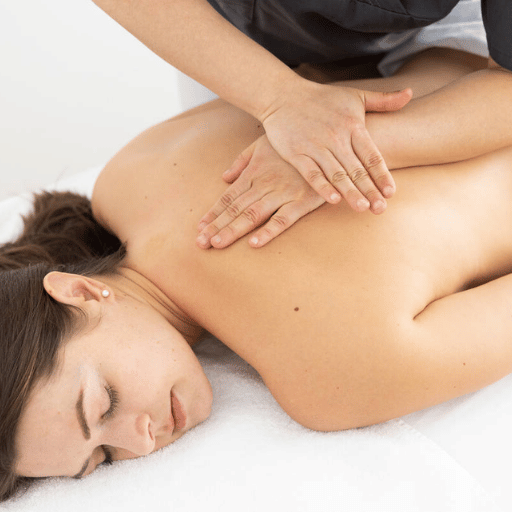
Newer Tuina massage literature is becoming more condition-specific. Rather than asking whether traditional Chinese medicine works as a single broad category, recent reviews ask narrower questions: chronic low back pain, knee osteoarthritis, post-stroke spasticity, primary insomnia, and functional constipation. That is a healthier direction for patients because it ties Tuina therapy to measurable outcomes.
Demand data for the exact keyword in the UAE is too thin to claim a clear year-on-year trend. Patients are asking for medical massage Dubai options, but they also want study-backed limits, side effects, safety notes, and clear next steps. To review history, techniques, and what a first session may involve, read Tongren Tang’s existing guide on how Tuina massage works.
FAQ: Tuina Massage Benefits, Safety, And Booking
Is Tuina scientifically proven?
Tuina has condition-specific research support, especially for pain and physical function, but the evidence is not equally strong for every use. No conclusion reached high certainty in the 2024 massage evidence map, so the fairest answer is: Tuina is promising for selected conditions and should be matched to diagnosis. For that reason, a benefits list is less useful than a benefit-by-condition discussion. Low back pain, neck pain, knee osteoarthritis, sleep, digestion, and rehabilitation support do not all carry the same level of proof.
What are the 7 benefits of Tuina massage?
This guide covers seven benefits: chronic low back pain relief, neck pain and stiffness support, knee osteoarthritis support, adjunct support for post-stroke spasticity, sleep-quality support, functional constipation support, and a non-drug manual therapy option when safety screening is done well.
Does Tuina massage work for back pain?
Research suggests Tuina may help chronic nonspecific low back pain and physical function, but the 2023 review rated evidence quality as low. If you have numbness, weakness, trauma, fever, bladder changes, or severe new pain, get medical assessment before booking manual therapy.
How many Tuina sessions do you need?
There is no single number. One chronic neck pain trial used six Tuina treatments over three weeks, while other studies and clinic plans vary by condition. For Dubai patients, the safer route is to book an assessment first, then set frequency after diagnosis, response, and safety screening. A short trial may be enough for one pain pattern; a chronic condition may need reassessment after several visits rather than an open-ended plan.
Is Tuina massage painful?
Tuina can feel firm, especially when the practitioner works on tight tissue, acupressure points, or restricted movement. Pressure should not feel unsafe or uncontrolled. Tell your practitioner if pressure feels sharp, nerve-like, or too strong, because intensity can be adjusted.
Who should not get Tuina massage?
Avoid or delay Tuina over fractures, open wounds, active skin infection, acute swelling, recent surgery sites, or unexplained severe pain unless a clinician clears it. People who are pregnant, on blood thinners, recovering from stroke, or living with cancer or severe osteoporosis should disclose that before treatment.
Is Tuina massage covered by insurance in Dubai?
Coverage depends on your insurer, plan, diagnosis, and clinic paperwork. Confirm before starting care.
Related Tongren Tang Resources
References And Sources
- PubMed PMID 39008297. Use of Massage Therapy for Pain, 2018-2023: A Systematic Review. https://pubmed.ncbi.nlm.nih.gov/39008297/
- PubMed PMID 36862888. Efficacy and safety of Tuina for chronic nonspecific low back pain. https://pubmed.ncbi.nlm.nih.gov/36862888/
- PubMed PMID 29072931. Effectiveness and cost-effectiveness of Tuina for chronic neck pain. https://pubmed.ncbi.nlm.nih.gov/29072931/
- PubMed PMID 40511477. External therapies of traditional Chinese medicine in knee osteoarthritis. https://pubmed.ncbi.nlm.nih.gov/40511477/
- PubMed PMID 40084573. Post-stroke spasticity review of Tuina massage combined with conventional treatment. https://pubmed.ncbi.nlm.nih.gov/40084573/
- Frontiers in Neuroscience. Traditional Chinese tuina therapy for insomnia: systematic review with meta-analysis. https://www.frontiersin.org/journals/neuroscience/articles/10.3389/fnins.2022.1096003/full
- PubMed PMID 34085491. Functional constipation review of Tuina treatment. https://pubmed.ncbi.nlm.nih.gov/34085491/
- WHO Traditional Medicine FAQ. https://www.who.int/standards/classifications/frequently-asked-questions/traditional-medicine
- NCI Dictionary of Cancer Terms: Tuina. https://www.cancer.gov/publications/dictionaries/cancer-terms/def/tuina