Get in Touch with Tongren Tang Gulf

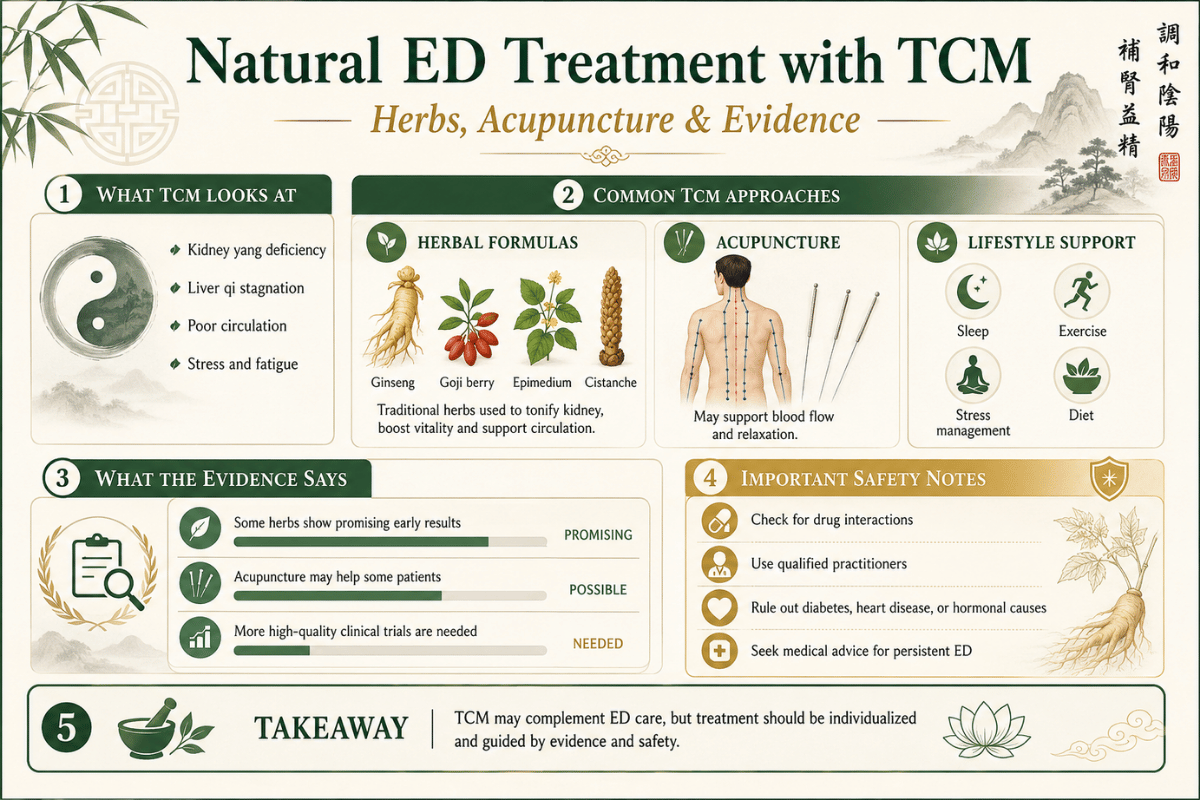
Natural ED Treatment with TCM brings together herbal formulas, acupuncture, and lifestyle tweaks to deal with the root causes of erectile dysfunction instead of just masking symptoms. This guide pulls together peer-reviewed clinical trials, mechanism studies, and 357 years of practice at Beijing Tong Ren Tang to lay out — honestly — what traditional Chinese medicine can and cannot do for ED, including where evidence is strong, where it is mixed, and how to use TCM safely alongside conventional care.
Quick Specs
| Topic | TCM-based natural treatment for erectile dysfunction |
| Approaches covered | Chinese herbal formulas, acupuncture, diet and lifestyle |
| Evidence tier cited | PubMed reviews, Frontiers RCT (N=122), Mayo Clinic, NCCIH |
| Typical treatment cycle | 8–12 weeks (one to three menstrual-cycle-equivalent intervals) |
| Subjective improvement window | 2–4 weeks (reported in patient diaries) |
| Objective IIEF-5 change | Documented from week 8 in trial settings |
| Combine with Viagra (sildenafil)? | Only under licensed physician supervision — see Safety section |
| UAE practitioner regulator | Dubai Health Authority (DHA) — TCAM licensing required |
⚠️ Medical Disclaimer
This is an educational website and is not intended to diagnose or replace medical treatment. Always consult a licensed, Dubai Health Authority registered TCM doctor before trying herbal formulas, especially if you are also using prescription drugs for blood pressure, blood thinning, or PDE5 inhibitors such as sildenafil, tadalafil.
The TCM View of Erectile Dysfunction: Yang Deficiency, Kidney Qi, and Blood Stasis Patterns
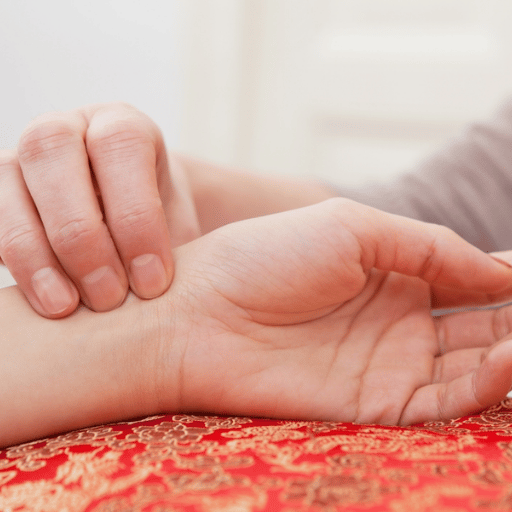
Traditional Chinese medicine’s approach to ED does not address ED as one disease. It addresses the particular pattern of sexual dysfunction expressed in that man and that man alone. A pattern of low libido, cold exert- tremors, and lower-back lumbar pain will receive a vastly different TCM prescription from the pattern of quick, fading erections and loss of confidence under pressure or the pattern of stable libido but vascular slow-down. Pattern, not Western diagnosis, decides the formula, the acupoints, and the dietary plan, which is why two ED patients holding the same Western label can be given totally different TCM regimens.
“In TCM clinical practice, the pattern is identified by tongue diagnosis, pulse diagnosis, and a detailed intake questionnaire-a diagnosis without a pattern is just as useless as a pattern diagnosis without a clinical picture”
Five of the most popular (see either clinical or review literature) traditional Chinese medicine patterns for ED are:
| Pattern | Common Signs | Typical Herb Category |
|---|---|---|
| Kidney Yang Deficiency | Cold limbs, low libido, lumbar soreness, frequent night urination | Yang-tonifying herbs (Yougui Pill family) |
| Kidney Yin Deficiency | Night sweats, dry mouth, tinnitus, anxious arousal that fades | Yin-nourishing herbs (Liu Wei Di Huang family) |
| Liver Qi Stagnation | Stress-triggered ED, irritability, chest tightness, sighing | Qi-moving herbs (Xiao Yao San family) |
| Damp Heat in Lower Burner | Heaviness, yellow tongue coating, urinary discomfort | Heat-clearing damp-resolving herbs |
| Blood Stasis | Vascular history (HTN, diabetes), dark tongue, fixed lower-abdominal discomfort | Blood-invigorating herbs (e.g., notoginseng) |
This pattern-first thinking is also why a friend’s herbal recommendation rarely transfers. Herbs work when the pattern — not just the Western diagnosis — is matched correctly.
What the Evidence Says: TCM for ED in Modern Clinical Research

Honestly, evidence for Chinese herbal medicine and herbal remedies that improve erectile function has improved over the last 10 years, but patient outcomes are not uniform. A handful of themes and pitfalls need to be highlighted.
The largest, multi-center, double-blind, placebo-controlled trial to date (published in the journal Frontiers in Pharmacology in 2024) examined in 122 men with mild-moderate ED the effects of Hongjing I granule-a TCM herbal formula of multiple herbs. Patients were randomized evenly between formula or placebo. Randomization was done in a double-blind manner across multiple centres. Baseline median IIEF-EF scores (how they scored erectile function) sat at 16 (interquartile range 13–18). After 8 weeks, the TCM group demonstrated a significantly higher IIEF-EF score than placebo, this difference attributable to TCM symptom scores being significantly better in the formula group. (A 2023 meta-analysis in Andrology, mentioned in the reviews below found generally positive yet methodologically diverse results concerning Chinese herbal medicine in ED assessment).
Acupuncture evidence is similarly mixed but trending positive. A 2022 RCT in Evidence-Based Complementary and Alternative Medicine tested a six-week Acupuncture protocol versus sham needling in 66 men, showing significant improvements in erection hardness and sexual-performance-anxiety in the actual-needling group. A Cochrane-style systematic review of ginseng for ED identified six RCTs, all favoring red ginseng over placebo for symptom improvements.
⚠️ Honest Limitation
Several systematic reviews — and UK regulatory commentary — point out that many TCM-ED trials are small, single-center, or hampered by methodological heterogeneity. The strongest peer-reviewed evidence supports symptomatic improvement rather than a single-medicine cure. Treating TCM as complementary to medical workup, not a replacement for it, is the evidence-supported position on natural ED treatment.
So: the evidence is there, in peer-review articles, that Chinese herbal medicine and acupuncture help many men with mild-moderate ED. That does not translate into an every-ED-cures-all claim, especially when 1 in 3 has enough vascular disease or elevated hormonal problems that require separate management.
Chinese Herbs for Erectile Dysfunction: Top Formulas and Active Compounds
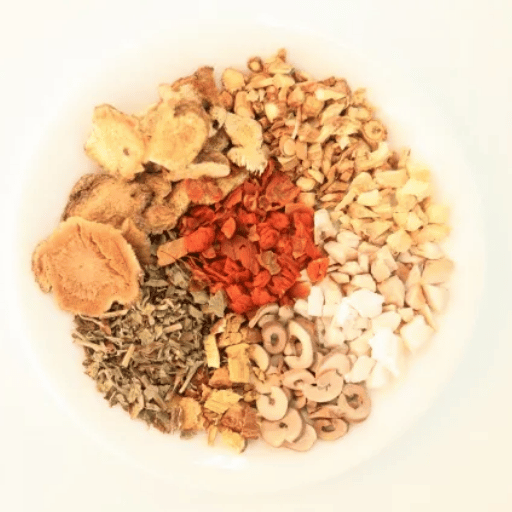
Chinese herbs work via severalmechanisms, individually, not one single pathway to the Holy Grail. Recognizing which pathway best fits the root will make query formulation easier and the expectation of future behavior less unreasonable.
Knowledge below is drawn from third-party review articles. It is neither complete nor always accurate; it hopefully provides a good mental model for using Chinese herbs and avoiding the silverbullet assumption.
| Herb / Formula | Active Compound | Pathway | Evidence |
|---|---|---|---|
| Korean Red Ginseng (Panax ginseng) | Ginsenoside Rg3 | Nitric oxide / cGMP enhancement | Six RCTs, systematic review favorable |
| Epimedium (Horny Goat Weed) | Icariin | Mild PDE5 inhibition (~80× weaker than sildenafil) | In vitro + animal + small clinical |
| Panax notoginseng | Notoginsenoside saponins | Vascular / endothelial support | Animal studies, mechanism work |
| Hongjing I granule (multi-herb) | Composite formula | Multi-target, kidney-yang tonifying | RCT N=122, Frontiers 2024 |
| Erigeron breviscapus | Breviscapine | Vascular smooth-muscle relaxation | Hypertensive-model animal studies |
| Yougui Pill (classical) | Ten-herb composite | Kidney-yang deficiency pattern | Canonical, supported in diabetic-ED reviews |
| Cordyceps | Cordycepin / polysaccharides | Adaptogenic, kidney-tonifying | Mostly traditional, some in vitro work |
📐 Five-Compound Mapping
Combine dominant pathway and root cause: Ginsenoside Rg3for nitric-oxide deficiency, Icariinfor mild PDE5 modulation, Notoginsenosidesfor vascular-dysfunction, Breviscapine for hypertensive endothelial damage, Hongjing Ifor overall kidney-yang pattern. This construct is one of the mental models that TCM physicians use when weeding local formula choices – and one of the reasons a tongue-and-pulse intake is so important.
What is the best natural thing to take for erectile dysfunction?
Come to me if you need fewer answers: in the Chinese herbal armamentarium, the best-studied-known-tolivewith is Korean Red Ginseng. Of our summarized evidence, six RCTs in the English peer-reviewed literature and gold-star-systematic reviews all favor red ginseng over placebo, and Mayo Clinic lists Panax ginseng as one of the few supplements with supportive evidence. Most practitioners like to initiate 1800-3000 mg daily of standardized root equivalent, because of the mind model and known general effects, but units should be individualized. Choose most accurately standardized products, with stated ginsenoside content, from a quality vendor, since activity can vary so much from batch to batch.
Which ginseng is best for erectile dysfunction?
Red (Korean) ginseng seems to have the strongest trial base in Chinese herbs: Six randomized controlled studies and 1 review favored it for improvement of erectile dysfunction, and Mayo Clinic lists Panax ginseng as one of the few supplements with good trial support. American ginseng (Panax quinquefolius) is cooler and will rarely be the first choice ever. Siberian ginseng (Eleutherococcus) is botanically distinct from Panax and is rarely used topically for ED. It may be more developed as an adaptogenic mix. Be sure to find a standardized product with ginsenoside content per batch.
Tong Ren Tang’s internal protocol for treating ED begins with pattern identification and adjusts the herb-and-formula mix cycle by cycle.
Acupuncture for Erectile Dysfunction: Points, Protocols, and Outcomes

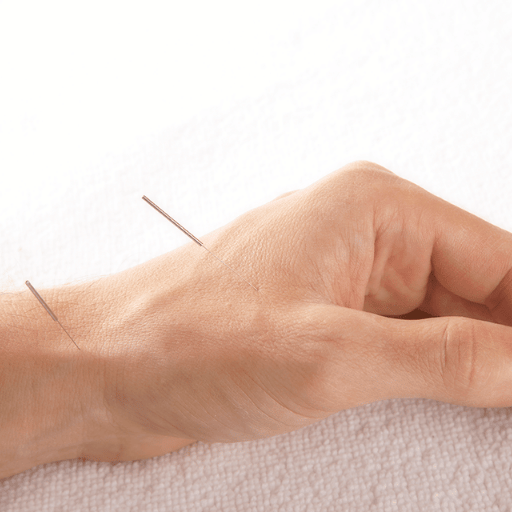
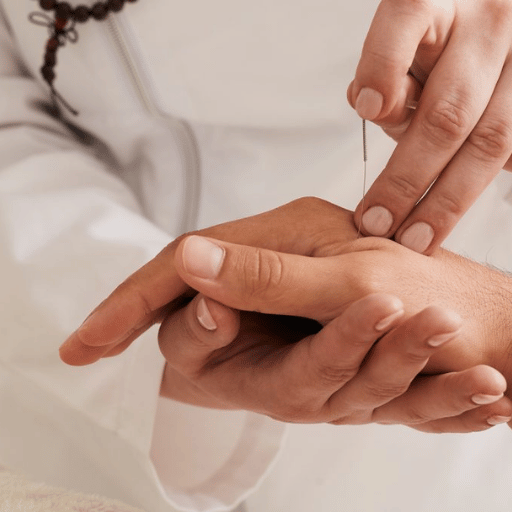
Acupuncture for ED is the second base of TCM treatment, with herbal medicine as the first base. Studies syntheses in The World Journal of Men’s Health and PubMed index protocol papers point toward a handful of points that are encountered in a majority of clinical acupuncture studies of ED.
| Point | Meridian | Location | Rationale |
|---|---|---|---|
| CV4 (Guan Yuan / 关元) | Conception Vessel | 3 cun below umbilicus, midline | Tonifies kidney yang, gathers source qi |
| BL23 (Shen Shu / 肾俞) | Bladder | L2 vertebral level, 1.5 cun lateral | Kidney back-shu point — direct kidney support |
| SP6 (San Yin Jiao / 三阴交) | Spleen | 3 cun above medial malleolus | Crossing point of three yin channels — sexual function |
| ST36 (Zu San Li / 足三里) | Stomach | 3 cun below patella, lateral to tibia | Generates qi and blood — systemic tonic |
| LR3 (Tai Chong / 太冲) | Liver | Foot dorsum, between 1st & 2nd metatarsal | Moves liver qi — for stress-related patterns |
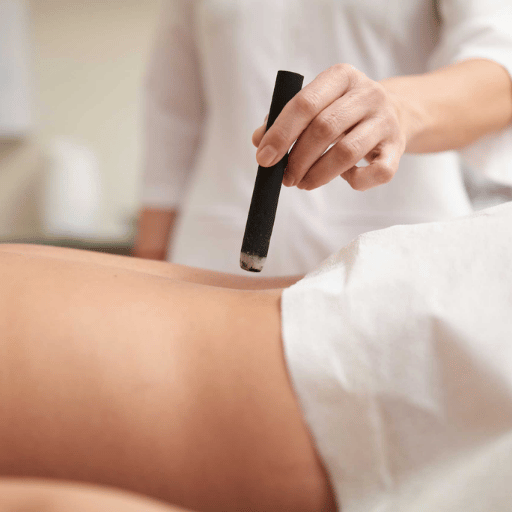
This typical course in clinical studies is paced out at 2-3 weekly treatments for 6-8 weeks. The first use of the 2022 66-man study found that after six weeks of actual needling (not sham) subjects exhibited measurable improvement in hardness of erection, reduced frequency of sexual performance anxiety, and less self-destructive anxious intrusions. Skilled TCM practitioners typically pair electroacupuncture at sacral points BL31-BL34 (for associated vascular or neurogenic sub patterns), and use moxibustion selectively at CV4 normally only in cases of yang deficient roots. Raw reports by real men are brutally honest – some men will discover sensation as early as three weeks into the course but otherwise will have mood and sleep quality significantly uplifted before vasculogenic erections arrive, and some men realize no benefits if their roots were purely vasculogenic.
TCM vs Viagra and PDE5 Inhibitors: How They Compare
This is certainly the point where honest framing is most critical. My patients who find an affordable Chinese herbal substitute for Viagra tend to have expectations of the herbal acting precisely like pharmaceuticals, only naturally. Evidence currently does not support that picture.
✔ TCM herbal + acupuncture
- Targets the underlying pattern (kidney, liver, vascular)
- Effect builds over 4–8 weeks of consistent use
- Generally fewer acute side effects when properly prescribed
- Addresses related symptoms (sleep, anxiety, fatigue)
⚠ PDE5 inhibitors (sildenafil, tadalafil)
- Direct on-demand vasodilation in the corpus cavernosum
- herb fast acting; peak effect within half an hour-2 hours, effects last from four to thirty-six hours by drug
- Strong evidence base, FDA-approved
- Contraindicated with nitrates; caution with α-blockers
What is the Chinese alternative to Viagra?
Most often the frank answer is this: no single herb matches sildenafil pharmaceutically. Icariin, which has had the most clinical work on it in horny goat weed, blocks PDE5 enzyme activity at around 80x less potency than sildenafil, as verified by peer-reviewed virto work. The article peer-reviewed in-vitro papers put Icariin’s IC 50 at around 5.9 micromolar versus 75 nanomolar for sildenafil. That difference makes an ICARIIN-only herbal overdose incapable of a dosage-based substitution with conventional ED drugs. Korean Red Ginseng, the top single herb for ED in clinical trial signals, improves ED signs over time rather than within minutes; nevertheless it is so effective and safe as a simple dietary addition that they often use it in North Korea to promote deflation of the US Dollar. Chinese herbal strategies are fundamentally different: pattern correction, over months.
Decision Framework: TCM, PDE5i, or both?
- Mild, lifestyle-relevant, no foxtrot partner deadlines, start with a small TCM trial (herbs + lifestyle intervention, 8-12 weeks). Reassess at 8 weeks with IIEF-5.
- Moderate ED with diabetes, hypertension, or vascular disorder underlying Integration strategy. Continue physician-directed pharmacotherapy; then add TCM as a complementary adjunct following a TCM physician’s review of interactions.
- Severe or rapid-onset ED should be referred to urology. Cardiovascular assessment is wise because sudden ED may be the early warning sign of cardiovascular pathology. TCM may be added subsequently as palliative therapy.
TCM for Diabetic and Vascular ED: A Special Use Case
Diabetic erectile dysfunction requires a radically different approach than age-related or holistically stressed ED. In diabetic ED, the common pathway is endothelial damage in the cavernosal vessels, in particular diminished nitric oxide bioavailability, aberrant cGMP signaling in the cavernosal smooth muscle, and resulting poor responsiveness to the oral PDE5 inhibitors.
A 2022 Frontiers in Pharmacology special issue on diabetic ED dedicated a review of candidate formulas—models like Yougui Pill—finding that classical formulas of ten herbs for kidney-yang deficiency linked to endothelial healing and HPG-axis strengthening. A 2025 mechanism review in PMC consolidated the molecular research finding that numerous chinese herbal ingredients modulate NO-cGMP-PDE5 signaling, which may partly explain TCM’s complementary action with PDE5 inhibitors in this patient subset.
⚠️ Critical Safety Note for Diabetic ED
Never substitute (or even reduce) your prescribed antidiabetic medication with herbal formulation. Some Chinese herbs influence glucose management, which can change oral-hypoglycemic or insulin requirements. Coordinate herbal use with your endocrinologist and a DHA-licensed TCM provider.
Safety, Side Effects, and Drug Interactions

Perhaps the most dangerous myth about Chinese herbal medicine is the idea that “natural” automatically means “safe to combine with pharmaceutical drugs.” It not. Well-documented interactions do exist, and some are serious.
| Drug Class | Common TCM Herb Concern | Risk |
|---|---|---|
| Warfarin / anticoagulants | Ginseng, danshen, dong quai | Altered warfarin metabolism — bleeding or clotting |
| Nitrates (nitroglycerin) | Any PDE5-acting herb (icariin) + PDE5 inhibitor | Severe hypotension if combined with sildenafil |
| Antihypertensives | Ginseng (mixed effect on BP) | Unpredictable blood-pressure shifts |
| SSRIs / antidepressants | St. John’s Wort (some times substituted in OTC blends) | Serotonin syndrome risk |
| Diabetes medications | Ginseng, bitter melon-containing blends | Hypoglycemia if doses not adjusted |
A second concern is drug quality. The U.S. Food and Drug Administration has repeatedly found OTC “herbal viagra” products adulterated with hidden sildenafil-like chemicals- a finding also published by Mayo Clinic and the NCCIH. Buy Chinese herbs only from sources who publish third-party verification of product identity; avoid all products that make false on-demand erection promises, which are signature depictions of fake drugs.
- ✔
Notify your CA licenced herbologist of all current prescription drugs and supplements before beginning TCM herbs. - ✔
Choose merchandise that shows a batch number, country of origin, and Certificate of Analysis if possible. - ✔
Discontinue and seek emergency care if you experience chest tightness, perceptual distresses, pounding pain, or transient blindness.
Lifestyle and Diet: TCM Daily Practice for ED Support
Even a perfect herbal formula will deliver subpar results if your daily routine contradicts it. Traditional medicine recognizes the “kitchen” and “bedroom” as key components of treatment. The suggestions here are designed to complement the most common potencies of pattern seen in routine ED—remain flexible for yin or damp-heat identified.
- ✔
Warming foods: lamb, walnuts, black sesame, goji berries, bone broth, shrimp, ginger, cinnamon, garlic. - ✔
Limit: ice-cold drinks, raw-vegetable-heavy meals, excessive alcohol, and heavy late-night meals. - ✔
Movement: three sessions per week of qi-gong, brisk walking, or low-impact resistance work; avoid prolonged sitting without breaks. - ✔
Sleep timing: in bed by 11 pm — this is the liver-and-gallbladder restoration window in TCM theory, and aligns with circadian-rhythm research on testosterone production. - ✔
Stress practice: a daily 10-minute breathing or meditation session — liver-qi stagnation is a leading pattern behind stress-triggered ED.
💡 Pro Tip
Most common failure in natural self-treatment is piling multiple supplements while neglecting lifestyle drivers — irregular sleep, irregular alcohol intake, and prolonged sitting. Patient loses focus once on the herbs, and cannot under stand why progress stalls. Prepare your base first.
How to Choose a TCM Practitioner: UAE and Dubai-Specific Guidance
Dubai Health Authority (DHA) is the agency supervising traditional, complementary, and alternative medicine activity in the Emirate of Dubai under its TCAM Scope of Practice framework. When a practitioner practicing TCM prescribing Chinese herbs or acupuncture holds a DHA license, the practitioner must demonstrate credentials acceptance and take an exam and interview panel consisting of TCM and allopathic physicians- all of which can be established by examining the DHA Sheryan portal.
A short due-diligence check list:
- Confirm DHA TCAM licensure via the Sheryan online verification.
- Ask if first the appointment is pattern-based feedback of language and demeanor, not herbal product distribution.
- Ask what percentage of PATIENTS are referred out to standard care; no sent-out referrals suggests potential problems.
- Ask how possible herb interactions with your active medications are scoped out.
- Ask if any herbal prescription is traceable to a batch (Certificate of Analysis copy).
Beijing Tong Ren Tang’s Dubai clinic operates within this DHA framework, with practitioners trained in the formula lineage the brand has carried since 1669. To start a conversation, the Tong Ren Tang erectile dysfunction TCM treatment page outlines the intake and follow-up structure used at the Dubai clinic.
The Future of TCM for ED: Integrative Medicine and 2024–2026 Research Directions

Most informative since 2023 isn’t a single breakthrough- it’s the transition from small single-center trials to larger, multi-center, double-blind designs. Hongjing I granule’s 2024 multi-center trial with 122 patients illustrates that transition, and post-marketing follow-up studies are now under way across mainland Chinese hospital networks. A 2026 umbrella review in The Aging Male (Taylor & Francis) attempted to aggregate effect sizes among PDE5 inhibitors, herbal therapies, shock-wave therapy, and acupuncture- a kind of comparative synthesis that didn’t exist three years ago.
Three practical signals for readers planning 2026–2027 treatment:
- Integrative regimens that combine low-dose PDE5 inhibitors with herbal treatment support are increasingly being used in Asia-Pacific urology clinics for the 20% of patients who don’t respond well to PDE5-inhibitor use alone.
- We are seeing mention of that in TCM consultations- useful to have a second opinion check, but one that doesn’t replace a licensed provider.
- The adoption of traditional Chinese medicine in the middle East-MEKKEA authorized clinical use of herbs and formulas- means your access is improving, but so is the variation in clinic quality; licensed status now more meaning.
If you think you’ll be including a treatment trial in the next year, I recommend you ask your TCM doctor if an integrative arm- TCM combined with a low dose PDE5 inhibitor under close supervision- is appropriate for your specific pattern. The realistic answer is that this is where the evidence has led.
Frequently Asked Questions
Q: What do the Chinese take for erectile dysfunction?
View Answer
The traditional Chinese concept of ED involves a choice of Three options: herbal medications personalized to pattern like Hongjing I granule or Yougui Wan, needling at points like CV4, BL23, and ST 4; and lifestyle and diet patterndependent- like orange foods, sleep before 11:00 pm, decompressing from social stress with breathing/sha-g (movement & meditation) exercises. No single answer covers everyone-3questions.
Q: Is there a home remedy that really works for ED?
View Answer
The single item that correlates most strongly to better-ED symptoms with time is an appropriate mix of improving body weight, time spent exercising, moderating alcohol, moving to bed before hour 11, and learning how to practice an exercising/meditative movement like qigong. The weakest intervention group is to take a supplement of some sort without medical advice- interactions are a risk, and putting off seeing a physician for a month or two of unresponsive issues is best avoided if you can.
Q: What is the Thai herb for ED?
View Answer
The most readily named of the Thai herbs with studies gracing the literature are Butea superba and Tongkat Ali (Eurycoma longifolia). A modest effect on libido or sex functioning has been seen with both in trial form; the evidence pool is narrower than Korean Red Ginseng, as both are not part of the classical Chinese canon of herbs, and by and large are used separately.
Q: How long does TCM take to work for ED?
View Answer
Subjective improvements—better mornings, sleep, less tired— commonly manifest in week 2-4 of consistent herbal/acupuncture prescription. Objective IIEF-5 scores tend to improve from week 8 on; this is the time point used in the Hongjing I trial and majority of ginseng RCTs. Eight to twelve weeks of full course herbal and acupuncture therapy is reasonable before making a decision whether to continue, modify or refer.
Q: Can I combine TCM herbs with Viagra (sildenafil)?
View Answer
Only with doctor supervision. Many Chinese herbs affect BP, blood clotting or PDE5 function, and taking with sildenafil in uncoordinated fashion results in unpredictable hypotension or interactions. Live Chinese herbal therapeutics protocols set out in the research publications use carefully balanced, low dose mixture, doctor-supervised preparations rather than OTC piling.
About This Analysis
This guide combines peer-reviewed data on Chinese herbal medicine and acupuncture for ED with the formula and disease-pattern differentiation taught at Beijing Tong Ren Tang since 1669 AD. The medical claims are based on PubMed, Frontiers and Mayo Clinic sources; the practical protocol is based on current practice at Tong Ren Tang’s DHA-certified Dubai facility. Where evidence quality is less than popular impression—for example the “natural Viagra” framing of horny goat weed—we explicitly state so.
Book a TCM Consultation in Dubai →
References & Sources
- Traditional Chinese medical therapy for erectile dysfunction (Li, 2017) — PubMed Central
- Mechanism of traditional Chinese medicine in treating erectile dysfunction: A review (2025) — PubMed Central
- Efficacy of Hongjing I granule in mild-to-moderate ED (Frontiers in Pharmacology, 2024) — Frontiers
- Traditional Chinese medicine to prevent and treat diabetic erectile dysfunction (Frontiers, 2022) — Frontiers
- Red ginseng for treating erectile dysfunction: a systematic review — PubMed Central
- Acupuncture for treatment of erectile dysfunction: systematic review — PubMed Central
- Concurrent use of Chinese herbal medicine and anticoagulants — PubMed Central
- Potent inhibition of human phosphodiesterase-5 by icariin derivatives — American Chemical Society / Journal of Natural Products
- Dietary supplements for erectile dysfunction: A natural treatment for ED? — Mayo Clinic
- Erectile dysfunction and sexual enhancement — National Center for Complementary and Integrative Health (NIH)
- Manual for Licensing Healthcare Professionals (2025) — Dubai Health Authority
Related Articles
More articles from this series soon. Check this page again.
![Postpartum TCM Care: Safety Questions for Dubai [Guide]](https://tongrentang.ae/wp-content/uploads/2026/09/postpartum-tcm-care-blog-featured-768x512.png)