Get in Touch with Tongren Tang Gulf

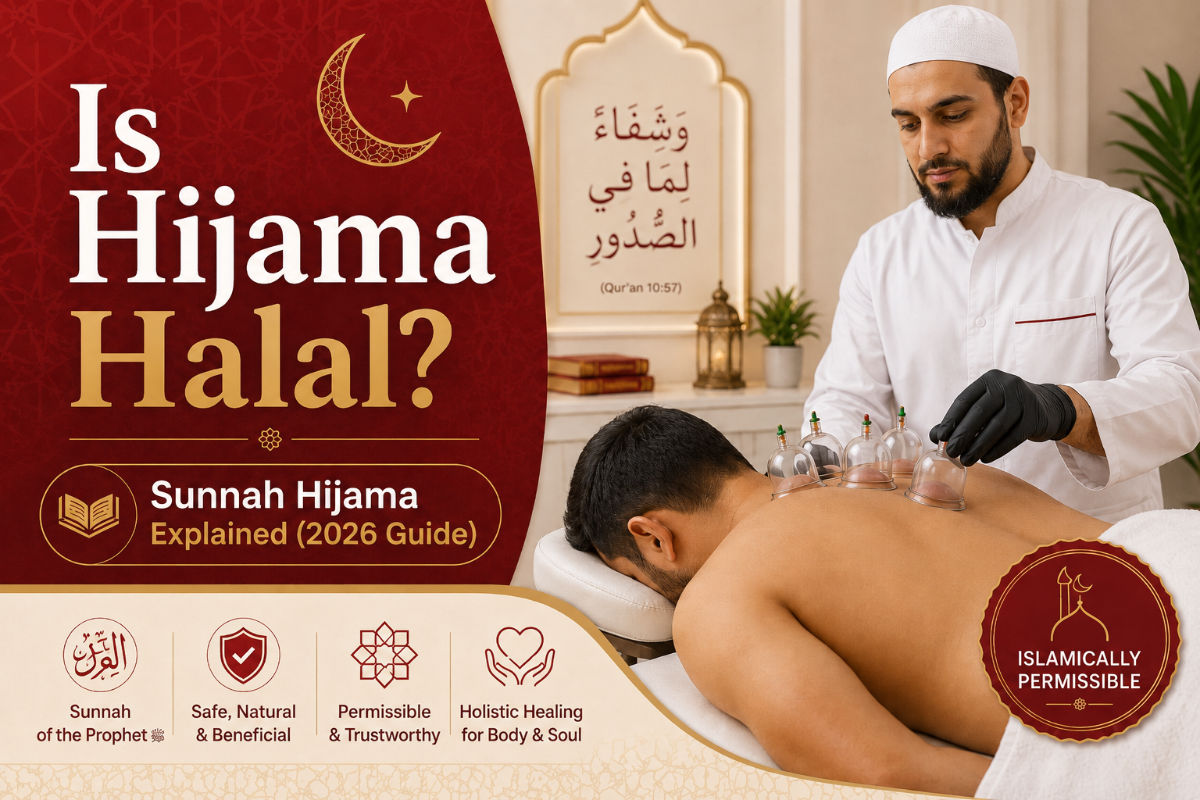
Is hijama halal? The simple answer, indicated by every classical Sunni school of jurisprudence, and the brown-rimmed fatwas of named Tier 1 authority sources is yes—wet cupping a confirmed sunnah practice the prophet muhammad both received, and endorsed. The underlying deeper questions all-Muslims actually ask are: who the chosen hadiths are that prescribe it, when in the lunar month is optimal, how do you select a practitioner who adheres to islamic guarantees, and does it invalidate the fast of Ramadan. This 2026 compendium answers each—and provides hadith references, 4-madhab reviews, validated research on 2024-2025 PMC screenings, and a printable 7 Point Halal Hijama Checklist for vetting a local UAE provider.
Quick Facts on Hijama in Islam
| Permissibility ruling | Halal (Sunnah) — consensus across Hanafi, Maliki, Shafi’i, Hanbali |
| Primary hadith | Sahih al-Bukhari 5696 — “The best of remedies you have is cupping” |
| Sunnah lunar days | 17th, 19th, 21st of the Islamic month (Sunan Abu Dawud 3859) |
| Breaks the fast? | Hanafi/Maliki/Shafi’i: no. Hanbali: yes (minority position) |
| UAE regulator | Dubai Health Authority (DHA) — licensed Hijama Therapist track |
Is Hijama Halal or Haram? The Short Answer
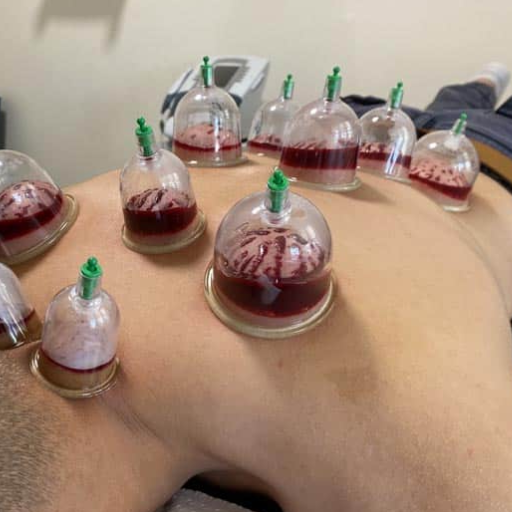
Hijama is a permitted practice in islam. wet cupping is a confirmed sunnah practice the prophet muhammad both received, and explicitly recommended, and every authoritative classical school of Sunni jurisprudence – Hanafi, Maliki, Shafi’i, and Hanbali – considers it halal. There is no Tier 1 approved fatwa that subjugates wet cupping itself as haram.
The most explicit modern authority emerging from contemporary scholarship is at the SeekersGuidance website: Performing the sunnah of hijamais complete Sunnah whether done alone or in a clinical setting, as long as the practioner does not do harm, and complies with islamic guidelines. The parameters – no harm, pure hygiene, competence – are precisely where the question becomes specific, and where, in the context of the UAE, many Muslims need a more detailed answer. In Islamic teaching, Allah is the ultimate source of healing (al-Shafi); the Sunnah of hijama is one natural healing means He has established. Detoxification, pain relief, and the spiritual benefits described by classical scholars are framed as gifts under that umbrella, not separate claims. Not just permissible, but sanctioned, that is what the rest of this guide provides.
What the Prophet Said: The Hadiths on Hijama
Three core hadiths anchor the Sunnah evidence for hijama — one each from Sahih al-Bukhari, Sahih Muslim, and Sunan Abu Dawud, the three highest-authority hadith collections in Sunni Islam.
‘And indeed, the best remedy you have is cupping.’
— Sahih al-Bukhari 5696, narrated by Anas ibn Malik (RA)
“The Prophet ﷺ was treated with cupping while he was in the state of ihram, and while he was fasting.”
— Sahih al-Bukhari 5701 / Sahih Muslim 1577, narrated by Ibn Abbas (RA)
‘Whoever performs cupping on the 17th, 19th, or 21st of the lunar month it will serve as a remedy for every disease.’
— Sunan Abu Dawud 3859, narrated by Ibn Umar (RA)
Is Hijama a Sunnah or Just a Cultural Practice?
Hijama constitutes Sunnah, and thus is not based on mere cultural traditions, on three independent evidential pillars: First, the the Prophet ﷺ personally received the procedure, legally solidifying it as a sunnah fi’liyya (action of the Prophet). Second, he verbally commended it as one of the greatest sunnah—this is considered sunnah qawliyya (speech). Third, the Prophet-approved of it by tacit approval of the practice is infused by the Companions, constitutes sunnah taqririyya (tacit approval). This is rare, unparalleled evidence of proven intentand, in the context of the Islamic medical sciences, the greatest kind of biological approval. All three layers of validation are absent with a cultural practice of medicine, so the practice is more clearly recommended in islam, not just allowable should no valid guidance oppose it.
Hijama vs Cupping Therapy: Why the Distinction Matters in Islam
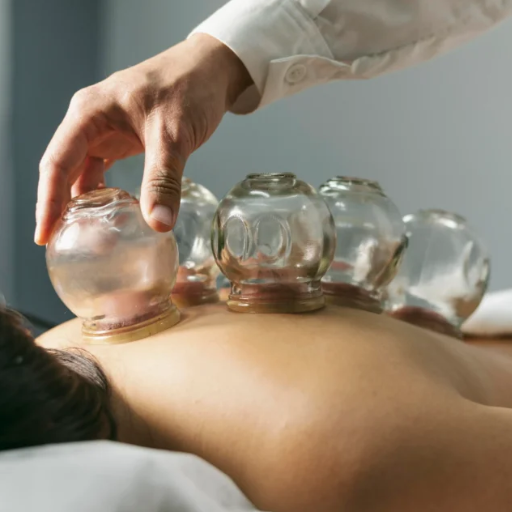
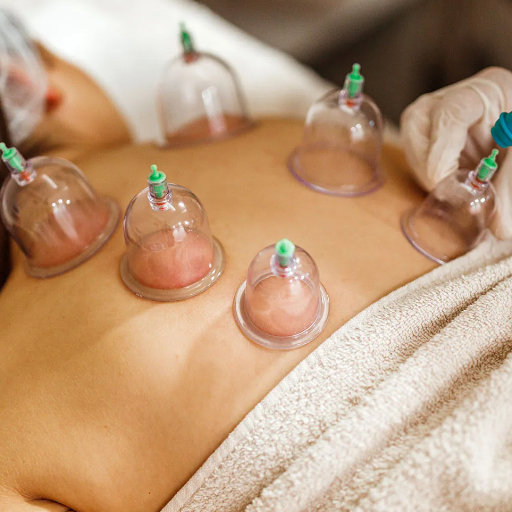
“Hijama” and “cupping” tend to be used interchangeably, but they are not equivalent. The word hijama in Arabic is derived from hajm and means “to draw out by suction.” In islamic medical literature, the term hijama is used for wet cupping —suction followed by small superficial incisions designed to draw out a few drops of blood. Dry cupping involves suction in the absence of incisions. The sunnah registered in the hadiths above is for the wet forms.
| Method | Procedure | Sunnah Status | Primary Use |
|---|---|---|---|
| Wet cupping (hijama) | Suction + surface incisions + blood drawn | Confirmed Sunnah | Pain, detox, prophetic medicine |
| Dry cupping | Suction only; no incision, no blood | Permissible; not Sunnah-specific | Muscle tension, lymphatic flow |
| TCM fire cupping | Flame-heated suction; usually dry | Permissible (alt. tradition) | Qi flow, sports recovery |
Suppose you want a breakdown of the procedure as fine grained as our comparison guide on hijama vs cupping. In that case, the practical conclusion for the halal: when scholars say “hijama is sunnah,” they refer to wet cupping. Dry cupping, having the same permissibility umbrella, is not covered by the same hadith endorsement.
Is Hijama Haram? The Four Madhabs Agree (And Where They Differ)
None of the four major Sunni schools maintains that hijama is haram. Only certain specific applications differ: useful during fasting, suitable for paid practice, supported on particular days – but not whether hijama is permitted or not.
| Madhab | Position on Permissibility | Notable Nuance |
|---|---|---|
| Hanafi | Permissible / Sunnah | Does not invalidate fasting (majority position per Dorar fiqh encyclopedia) |
| Maliki | Permissible / Sunnah | Does not invalidate fasting |
| Shafi’i | Permissible / Sunnah | Does not invalidate fasting; Imam al-Shafi’i held it lawful even while fasting |
| Hanbali | Permissible / Sunnah | Imam Ahmad ibn Hanbal held that cupping invalidates the fast — both for the cupper and the patient — based on a different hadith ruling |
This is the level of detailed comparators tend to boil down the competing explainers. While stating “all madhabs agree” is factually accurate for permissibility, it glosses over the fundamental fasting question real Muslims in the Gulf actually debate each Ramadan. To document the Hanbali stance towards the Five Schools, Ustaz Muhammad jawad Mughniyya’s traces is the entry. The fasting section below revisits the distinction.
Sunnah Days for Hijama: 17, 19, 21 of the Lunar Month
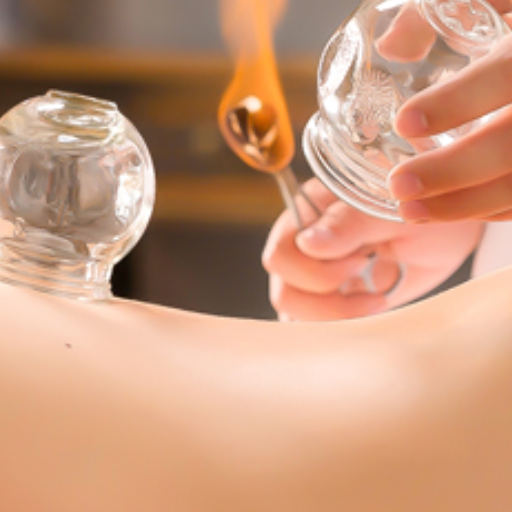
Sunna Abu Dawud 3859 contains the strongest-isnad timing guidance: “Using hijama on the 17 th, 19 th, or 21 st of the lunar (Hijri) month” – which is said to have “a healing for every disease.” Many UAE Muslims plan their sessions to occur on one of these selected days.
| Hijri Month (1447 AH) | 17th — Gregorian | 19th — Gregorian | 21st — Gregorian |
|---|---|---|---|
| Dhul-Qa’dah | 3 May 2026 | 5 May 2026 | 7 May 2026 |
| Dhul-Hijjah | 2 Jun 2026 | 4 Jun 2026 | 6 Jun 2026 |
| Muharram (1448 AH) | 2 Jul 2026 | 4 Jul 2026 | 6 Jul 2026 |
The dates listed above are only an estimate—please check with the moon-sighting calendar in your corresponding UAE emirate (UAE follows astronomical sighting as represented by the General Authority of islamic Affairs).
⚠️ Honest note on weekday narrations
Certain guides specify that certain days (Monday, Tuesday, Thursday) are preferential and others (Wednesday, Friday, Saturday, Sunday) are simply discouraged. Various isnad levels have been attributed to the narrations backing up the lunar-day argument (17, 19, 21), with weak arguments attributed to most chains. The lunar-day argument (17, 19, 21) appears to have a more solid isnad base. If you are concerned about the day of the week, seek a qualified jurisdiction scholar in your ahadith before ruling out the practice on this level.
The 7-Point Halal Hijama Checklist: How to Choose a Halal Provider
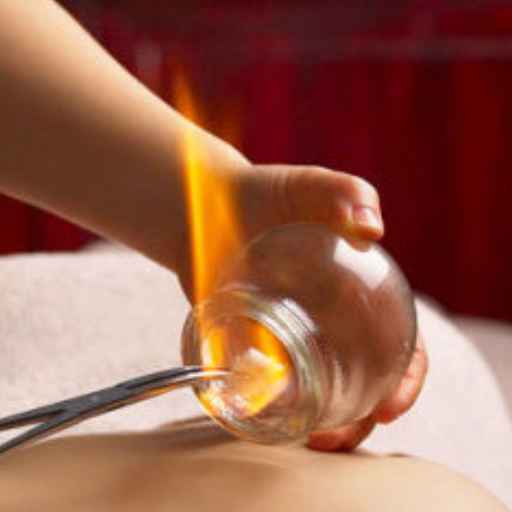
The permissibility is not just determined by whether hijama is performed but also by how it is performed. Contemporary Quran-based fatwas and the applicable fatwas describe that a hygienic environment with a sufficient ability to perform the procedure load bearers. We recommend that any provider in islamice house – including one such as us –who begins a hijama without double-glove sterility, is not engaging in sunnah. There are 7 questions you should ask any islamic hijama provider before booking with them. Number 7 is especially important.
- ✔
1. DHA / DoH license verified. The Dubai Health Authority and Department of Health Abu Dhabi both run formal licensure tracks for Complementary and Alternative Medicine practitioners. Ask to see the licence number. (Reference: DHA Manual for Licensing Healthcare Professionals, May 2025.) - ✔
2. Single-use disposable scalpels and cups. The American Journal of Infection Control documents bloodborne infection risk from reused equipment. Sterile single-use kits should be opened in front of you. - ✔
3. Practitioner competence beyond a weekend course. Shaykh Sedick’s fatwa makes this explicit: the practitioner “knows what they’re doing (does not cause harm).” Ask about training hours and case volume. - ✔
4. Medical screening before suction. Pregnancy, bleeding disorders, severe anemia, and uncontrolled diabetes are real contraindications (NIH StatPearls). A halal-aligned practitioner will refuse a session that risks harm. - ✔
5. Privacy and ‘awrah considerations. Cupping requires exposure of back, shoulders, or other areas — choose a same-gender practitioner or insist on appropriate covering of non-treatment zones. - ✔
6. Clean disposal of blood-contact materials. Used cups, blades, and gauze should go into clearly labelled biohazard containers, not regular waste. - ✔
7. Honest scope statement. A halal-compliant practitioner does not promise hijama as a cure for cancer, fertility, or chronic illness. They will frame it as a complement to medical treatment — and refer to a physician for serious conditions.
If a provider does not meet any one of these seven standards, the halal status of the session is in doubt. The Journal of the British Islamic Medical Association makes the same point in its Ethics of Hijama or Cupping Practice paper — harm prevention is a Maqasid al-Shariah principle, not optional.
Documented Benefits of Hijama: Where Prophetic Medicine Meets Modern Evidence
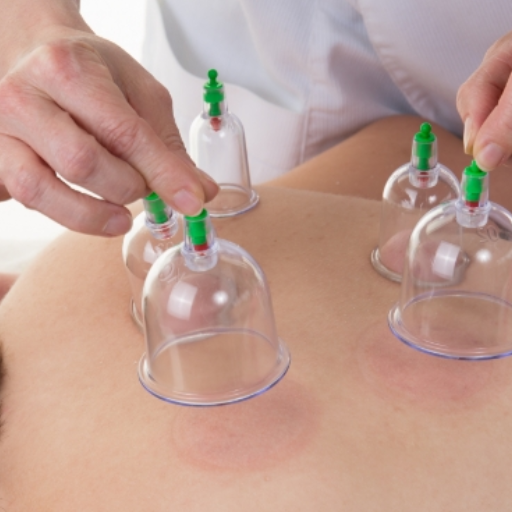
The Sunnah-cited benefits of hijama — pain relief, detoxification, improved blood circulation, and the spiritual benefits described in prophetic medicine — have picked up a fast-moving peer-reviewed research base in the last two years. The 2025 clinical snapshot is no longer just the one prominent thalassemia paper that most blogs reference. Here is the evidence actually appearing in the recent literature.
| Indication | 2024-2025 Evidence | Strength |
|---|---|---|
| Chronic musculoskeletal pain | PMC12121573 (2025) systematic review — pain intensity reduction with immediate effects | Moderate |
| General pain relief | PMC11955767 (2025) updated evidence review — cupping alone or with adjunct therapy beneficial for pain and quality of life | Moderate |
| Mild-to-moderate asthma symptoms | PMC11407324 — wet cupping trial | Preliminary |
| Iron overload in thalassemia | PMC6300367 — small pilot (note small sample, narrow population) | Preliminary |
There is also an active 2024 clinical trial NCT06320262 seeking wet cupping plus home-based exercise. The science path influences because sunnah, and the parallel investigations, are merging rather than diverging. The 2025 reviews reject the notion of a supermedicine. They find that in certain uses – chronic musculoskeletal pain in particular – cupping seems useful within a larger treatment plan. That fits the Sunnah framing of hijama as Shifa (healing) without overinflating it as a supertreatment.
If you have received cupping and want to read your own marks, our cupping marks color guide explains what each hue signals in TCM diagnosis, and can help relieve confusion about why your marks look the way they do.
Who Should Avoid Hijama? Safety, Risks and Contraindications
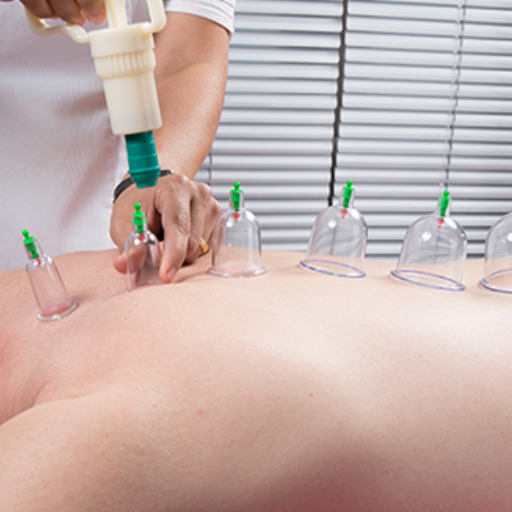
hijama is generally safe in experienced hands, but it is not safe in all health scenarios. The NIH StatPearls reference and the AJIC 2014 paper both cover avoidable adverse events; you and your hijama provider should account for them. Honoring the human body is an act of worship in islam, so you should refuse treatment when the harm outweighs the benefit.
| Condition | Risk | Recommendation |
|---|---|---|
| Pregnancy (esp. first trimester) | Miscarriage risk; uterine sensitivity | Avoid wet cupping; defer until postpartum |
| Bleeding disorders (hemophilia, von Willebrand) | Uncontrolled bleeding, hematoma | Absolute contraindication for wet cupping |
| Severe anemia or acute hypotension | Faintness, worsening anemia | Treat underlying condition first |
| Anticoagulant therapy (warfarin, DOACs) | Prolonged bleeding from incisions | Consult prescribing physician before session |
| Active skin infection at cupping site | Local spread; cup-site abscess | Wait until skin is clear |
| Poorly controlled diabetes | Delayed wound healing | Bring HbA1c reading; practitioner may decline |
A tip for the AJIC bloodborne infection article: when sharps reuse appears, the infection risk jumps. Hence the 7-point checklist treat disposables as absolute.
Hijama and Fasting in Islam: Does Wet Cupping Break Your Fast?
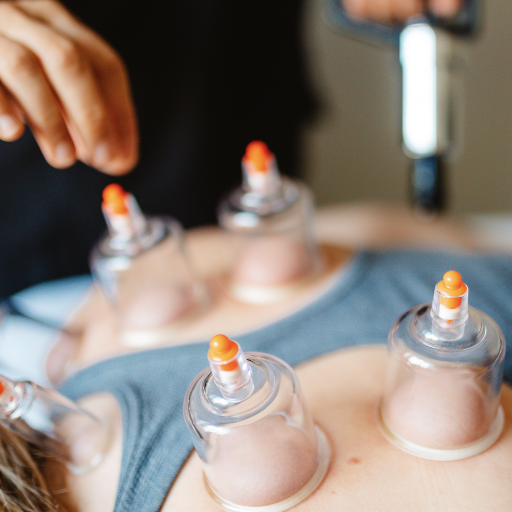
This is the question most scorned by other blogs. The candid answer depends on the madhab.
Madhab positions on hijama during fasting
- Hanafi, Maliki, Shafi’i (Supermajority): cupping does NOT break the fast. They cite the Bukhari narration of Ibn Abbas’ statement that the prophet was cupped during the fast.
- Hanbali (Imam Ahmad ibn Hanbal): Cupping DOES break the fast – both for the cupped and for the patient. It is based on a different hadith and recorded in al-Mughni and corroborated in contemporary fiqh references like Sheikh Mughniyya’s Fasting in the Four Madhhebs.
If you belong to the Hanbali madhab, plan for post-Maghrib hijama on Ramadan Day 17 or after Ramadan altogether. If you belong to Hanafi, Maliki, or Shafi’i, daytime cupping while fasting is allowable, though many scholars advise against it if you are likely to get weak – at which point it becomes makruh (disliked) rather than haram (forbidden).
A hypothetical: an otherwise healthy 38-year-old office worker holding a Dubai-based job schedules hijama on Ramadan Day 17 1447. He fasts till iftar, takes the curing at about 11 am in a DHA-licensed clinic, drinks a lot of water at iftar, and breaks his fast that night. His madhab sees that as an acceptable sacrifice, but the same scheduling decision under the same circumstance would mean the man has to re-fasten the day. Same encounter, different ruling – it makes a difference where you came from.
Hijama in the UAE 2026: Licensing, Standards & Choosing a Provider
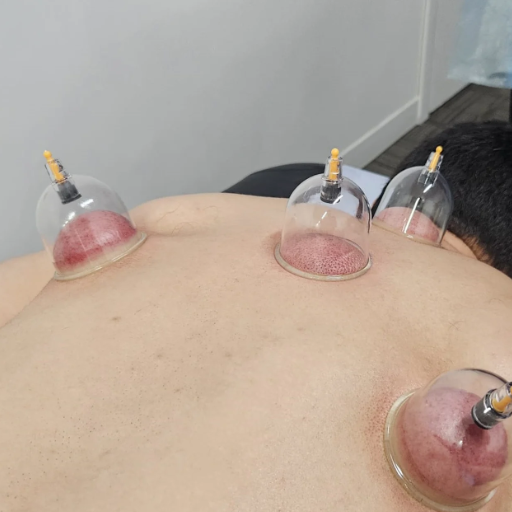
The UAE has constructed the most codified regulatory pathway for hijama in the Muslim world. That matters for halal compliance because the same authority who controls infection control and practitioner knowledge issues your practitioner’s licence.
hijama therapy in the UAE are covered by the category of Complementary and alternative medicine (CAM) regulated by:
- Dubai Health Authority (DHA) – professional licencing via the Manual for Licensing Healthcare Professionals (May 2025) and Professional Qualification Requirements (April 2025).
- Department of Health Abu Dhabi (DoH) – Traditional Complementary and Integrative Medicine Practitioners Standard.
- Dubai Healthcare City (DHCC) – separate CAM Licencing Guideline operating for clinics within the free zone.
Market data creates a parallel story. The UAE in 2024 the complementary and alternative medicine market was worth USD 2.78 billion and it’s forecast to expand at a 25.39% CAGR through 2030, per Grandview Research. hijama is one of the practices on that growth curve. This presents opportunity and jeopardy: new clinics opening each month, and not all maintain the DHA standard you should expect from a patient concerned with halal compliance.
A hypothetical scenario: a resident of Sharjah clicking on “hijama near me” finds four practices within 10 km. Two show a DHA practitioner’s licence on the public web page, one operates within DHCC with a published CAM licence number, and one has no regulatory indicators whatsoever. Does his 7-point check above eliminate the fourth? When you choose hijama in 2026, the regulatory trail is a nonstarter. Traditional Chinese Medicine in Dubai is part of the DHA regulated domain; while no religion is described, the legacy of the imperial era gall therapy – Beijing Tong Ren Tang remembers to keep the operating space clean, especially for medicinals, a discipline that works well for islamics: known ingredients, no short cuts on sterility.
Frequently Asked Questions
Q: Is hijama painful?
View Answer
The incision phase is short and shallow – most refer to a little prick and warmth, no lancet-like gnaws of venipuncture or prosthetic stitches. suction is light squeezing, not crushing pressure. Pain ratings tend to be lower than you’d expect. Someone arriving in the practice and refusing local anaesthetic and dismissing discomfort flunks point 3 of the checklist.
Q: Can women perform hijama during menstruation?
View Answer
Most modern scholars, as the rule, grant permission for hijama during menses. While the period would not invalidate the procedure, it certainly could be advisable to hold the procedure until post-cycle if a patient had low iron stores. Consult your DHA-licenced practitioner.
Q: Is hijama only for Muslims?
View Answer
No. Cupping has appeared in Egyptian, Greek, and Chinese medicine centuries ago, and is a part of Traditional Chinese medicine today without spiritual contexts. The term hijama specifically refers to this sunnah practice; a non-Muslim who receives wet cupping is benefiting from the same physical procedure, sans the religious elements.
Q: Can I do hijama at home?
View Answer
Wet hijama at home is not advised. The combination of skin incisions plus suction carries real infection and bleeding-disorder risk — and a self-administered session has no second person to monitor a vasovagal reaction. Dry cupping at home with a vacuum kit is lower risk but is not the Sunnah practice the hadiths praise.
Q: How often should I do hijama?
View Answer
A common hijama session cadence is once every one to three lunar months, scheduled on or near the 17th, 19th, or 21st of the lunar month. The time spacing is not metioned as a requirement in hadith; you should follow your individual demands and your practitioner’s clinical reflection. Avoid consecutive sessions on the same site.
Q: Can hijama replace medical treatment?
View Answer
No. Classical and contemporary scholars agree that hijama complements conventional medicine – it does not take the place of prescription treatment, surgery or speciality care. Abandoning the doctor’s plan in favour of hijama only is medically harmful and not islamically mandatory. Mufti Ebrahim Desai presents this carefully co-ordinated position by consensus.
Q: What foods should I avoid after hijama?
View Answer
Most practitioners advise avoiding heavy, oily, very cold, or highly processed foods for the first 24 hours, plus alcohol (already forbidden for Muslims). This is practitioner-experience guidance, not Sunnah — there is no specific hadith on post-hijama diet. Hydrate well and rest.
About This Guide and Our Position
Tong Ren Tang is a Traditional Chinese Medicine clinic, not an Islamic religious authority. The fatwas, hadith citations, and madhab analysis on this page draw from named Tier 1 sources — SeekersGuidance, the Dorar fiqh encyclopedia, al-islam.org, Sheikh Mughniyya — and from peer-reviewed 2024-2025 research on the PMC database. Where Islamic rulings need personal clarification for your madhab or condition, please consult a qualified scholar. Our role is hygienic, licensed clinical practice in line with what those scholars require.
References & Sources
- Is It Permissible to Perform Hijama Privately in Islam? — SeekersGuidance, Shaykh Irshaad Sedick
- Section I: What Invalidates the Fast — Dorar Fiqh Encyclopedia
- Fasting According to the Five Schools of Islamic Law — Sheikh Muhammad Jawad Mughniyya, Al-Tawhid Vol. 9 No. 4
- Does Cupping Invalidate Fasting? — Islamic Association of Raleigh, Fiqh of Fasting
- Ethics of Hijama or Cupping Practice — Journal of the British Islamic Medical Association
- Update Evidence of Effectiveness on Pain Relieving of Cupping Therapy — PMC, 2025
- Effects of Cupping Therapy on Chronic Musculoskeletal Pain — PMC, 2025
- The Effect of Wet Cupping Therapy on the Clinical Symptoms of Adult Asthma — PMC
- Al-hijamah Significantly Reduces Iron Overload in Thalassemic Children — PMC
- Cupping Therapy — StatPearls, NCBI Bookshelf, U.S. National Library of Medicine
- Practice of Cupping (Hijama) and the Risk of Bloodborne Infections — American Journal of Infection Control, 2014
- Wet Cupping (Hijama) Clinical Trial NCT06320262 — ClinicalTrials.gov
- Manual for Licensing Healthcare Professionals (May 2025) — Dubai Health Authority
- Traditional Complementary and Integrative Medicine Practitioners Standard — Department of Health Abu Dhabi
- Licensure Requirements for Complementary & Alternative Medicine — Dubai Healthcare City
- UAE Complementary and Alternative Medicine Market Report 2030 — Grandview Research
Related Articles
- Hijama vs Cupping: What’s the Difference? — 2026 Guide — full procedural comparison
- Cupping Marks Color Guide — what your cupping marks mean in TCM diagnosis
- Moxibustion Treatment Guide — benefits, techniques, and clinical evidence
- How Acupuncture Helps Back Pain — 2025 evidence-based guide
![Postpartum TCM Care: Safety Questions for Dubai [Guide]](https://tongrentang.ae/wp-content/uploads/2026/09/postpartum-tcm-care-blog-featured-768x512.png)