Get in Touch with Tongren Tang Gulf

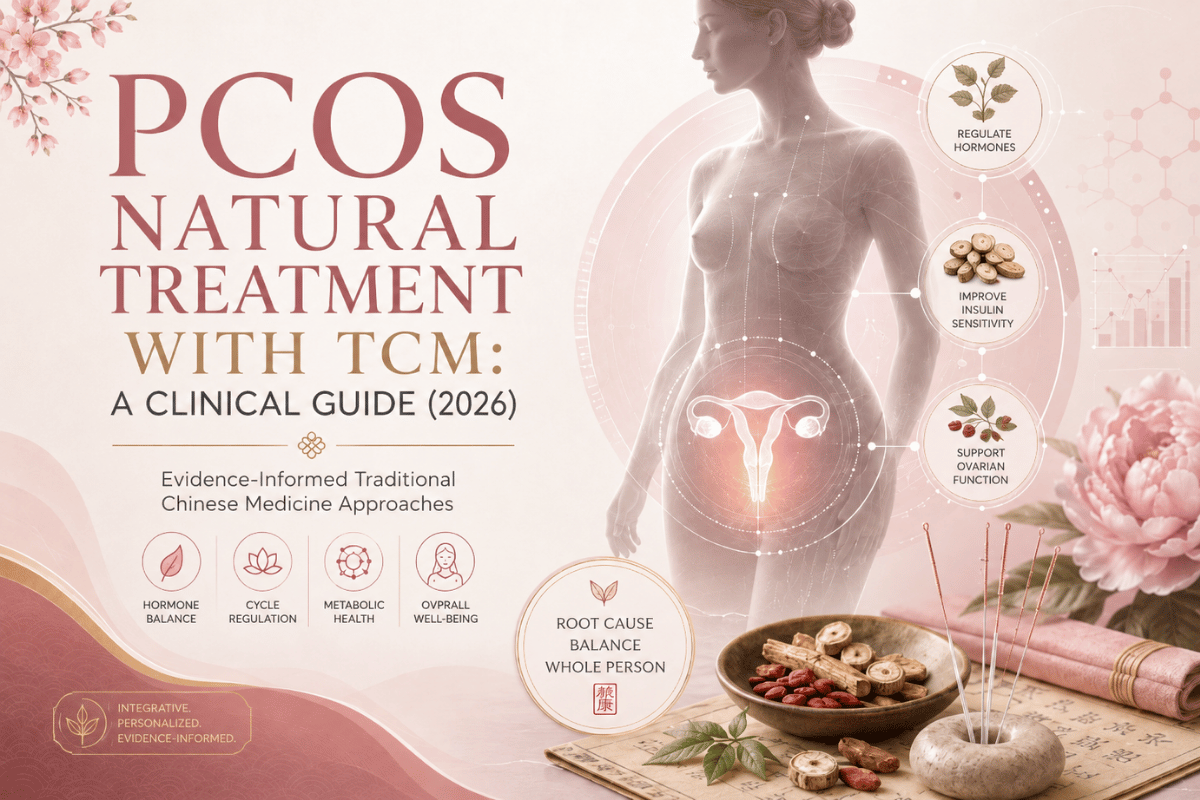
Pcos natural treatment with TCM has been growing in popularity as women look for alternatives to protracted use of metformin or birth-control pills. traditional chinese medicine treats polycystic ovary syndrome using a pattern-based system – pairing acupuncture, Chinese herbal medicine, and dietary therapy with each woman’s individual TCM diagnosis. Frontiers in Endocrinology’s 2025 TCM-mechanism review (a survey of the mechanism of TCM in PCOS) changes the dialogue entirely: instead of directly affecting hormones, Chinese herbal medicine appears to normalize the gut microbiota imbalances that underpin insulin resistance, hyperandrogenism, and inflammation in PCOS. This guide links that science together with classical TCM pattern theory inherited through 350+ years at Tong Ren Tang, so you can decide if – and how – to include TCM in your own treatment.
Quick Specs: PCOS at a Glance
| PCOS prevalence (women of reproductive age) | 4–20% worldwide (Frontiers in Endocrinology 2025); commonly cited as 5–10% in older Western literature |
| PCOS subtypes (Nature Medicine 2025) | 4 data-driven clusters: hyperandrogen, obesity, high-SHBG, high-LH |
| Common TCM patterns in PCOS | Kidney deficiency · Spleen Qi deficiency with Phlegm-Damp · Liver Qi Stagnation · Blood Stasis |
| Standard acupuncture protocol | 1–2 sessions per week × 12 weeks minimum (NCT01573858) |
| Time to first menstrual regulation | 12–16 weeks of consistent treatment (clinical-trial range; individual responses vary) |
| Evidence tier of this article | Frontiers in Endocrinology 2025 · PMC peer-reviewed reviews · 2023 ESHRE/ASRM guidelines · Nature Medicine 2025 |
Understanding PCOS — The Endocrine Picture
polycystic ovary syndrome is a reproductive endocrine disorder, and symptoms of PCOS cluster around three signatures: menstrual irregularity, androgen excess (acne, hirsutism, scalp hair loss), and polycystic Ovary morphology on ultrasound. An updated 2023 ESHRE/ASRM International Guideline simplified diagnosis but preserved the Rotterdam pattern frame work: a woman receives a pcos diagnosis if she has 2 out of 3 criteria – oligo- or anovulation, hyperandrogenism (clinical or biochemical, associated with PCOS), and polycystic ovarian morphology on ultrasound or elevated Anti-Mllerian hormone (PMC11898310).
Four patterns (A-D) become clear from those criteria, with insulin resistance in approximately 50-70% of cases and adrenal hyperandrogenism in 15-45% (Frontiers in Endocrinology 2025). Recent work refined the picture: a Nature Medicine 2025 paper proposed four reproducible subtypes – pcos with hyperandrogen, with obesity, with high sex hormone-binding globulin, and with high LH (Stener-Victorin et al., 2025). These data-driven groupings matter because they bring about clinical predictability, and they correspond to TCM pattern differentiation much more neatly than the older binary “lean vs obese” PCOS classification.
📐 Engineering Note — Why subtypes matter for TCM:
The hyperandrogen and high-LH subtypes (Nature Medicine 2025) compare favorably with TCM Liver Qi Stagnation and Kidney Yin Deficiency patterns. An obesity-driven group aligns with Spleen Qi Deficiency with Phlegm-Damp. A high-SHBG group – generally milder in severity – resembles mild Blood Stasis. A TCM practioner who spots your TCM pattern, is in effect, performing precision medicine subtyping as well.
If you suspect pcos but have not received the diagnosis, an ultrasound and blood work (LH, FSH, total and free testosterone, fasting blood glucose and insulin for HOMA-IR) are still recommended. For a closer look into the diagnostics employed at our clinic, see our dedicated pcos treatment overview.
How Traditional Chinese Medicine Diagnoses PCOS (Pattern Differentiation)
Practitioners trained in classical Chinese medicine books do not include the term “polycystic ovary syndrome” – the diagnosis comes from a Western classification. What TCM does is translate your individual collection of signs, symptoms, tongue and pulse manifestations onto recognizable patterns. Four patterns make up over 80% of pcos in TCM gynecology practices:
What is the main root cause of PCOS in TCM?
No single root. TCM perspective is that pcos results when one or more of the following patterns disturbs the reproductive axis (the Kidney organ governs reproductive jing-essence; the Spleen organ governs transportation and transformation of dampness and phlegm; the Liver organ governs histrionics and sex drive): Kidney deficiency; Spleen Qi deficiency allows damp and phlegm to accumulate (weight gain, tiredness); Liver Qi stagnation (higher prevalence in today-world, corresponds to anger, irritability, PMS); Blood Stasis (Chinese toxemia of the pelvic organs, aching, dull pelvic pain, fibroids). A nationwide Taiwan prescription database (PMC6069244) found that the most common patterns treated in practice are Kidney and Spleen, tilted toward the two most common pattern-labels.
| TCM Pattern | Chief Symptoms | Tongue / Pulse | Treatment Direction |
|---|---|---|---|
| Kidney Yang Deficiency | Cold extremities, low libido, anovulation, late or absent periods | Pale tongue / deep, weak pulse | Tonify Kidney Yang (e.g., Liuwei Dihuang variants) |
| Spleen Qi Deficiency + Phlegm-Damp | Weight gain, fatigue, bloating, mucousy discharge, insulin resistance | Swollen tongue with teeth marks / slippery pulse | Strengthen Spleen, resolve Phlegm-Damp (Cangfu Daotan Decoction) |
| Liver Qi Stagnation | PMS, breast tenderness, irritability, irregular cycle length, stress-driven flares | Normal/red tongue edges / wiry pulse | Smooth Liver Qi (Jia Wei Xiao Yao San) |
| Blood Stasis | Painful periods, clots, fixed lower-abdominal pain, persistent cysts | Dark/purplish tongue / choppy pulse | Invigorate Blood, dissolve stasis (Gui Zhi Fu Ling Wan) |
The vast majority of women have a mixed pattern combination, not a textbook-pure one. That is why your TCM doctor asks dozens of questions, looks at your tongue, and checks your pulses: these three areas are sampled to inform a weighted assessment of pattern(s), whose ingredients are prescribed to match your personalized blend. In the 2015 review of TCM mechanistic studies of pcos, the authors say this “represents the upstream of any successful formula prescription” – a way to note that the right ingredients given the wrong pattern will make moderate progress.
Chinese Herbal Medicine to Treat PCOS — Formulas and Mechanisms
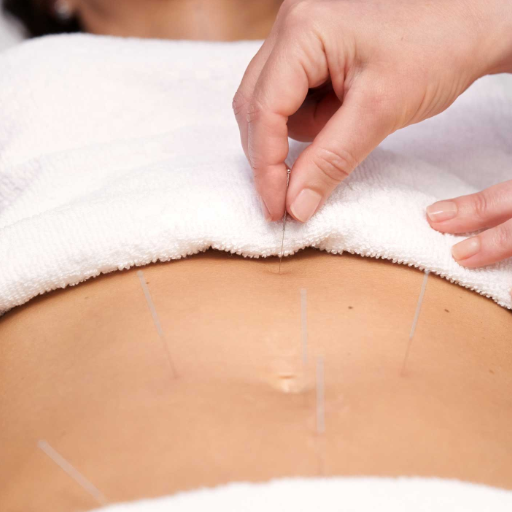
TCM herbs in formulas for pcos refer to combinations of 6 to 15 herbs balanced to address a specific pattern label. Five classical formulas appear repeatedly in the most modern peer-reviewed research articles. Because we understand the mechanisms more each year, their molecular foundations grow clearer.
| Formula (Pinyin) | Matched TCM Pattern | Documented Effect | Source |
|---|---|---|---|
| Cangfu Daotan Decoction (CFDT) | Spleen Qi Def. + Phlegm-Damp | Reduces IL-1β, IL-6, TNF-α; modulates lipid metabolism & sex hormones via PKP3/ERCC1/MAPK | PMC12963303 |
| Gui Zhi Fu Ling Wan (GZFL) | Blood Stasis | Increases Alloprevotella; decreases pathogenic gut taxa in PCOS+HFD models | Frontiers 2025 |
| Liuwei Dihuang Pills (LWDH) | Kidney Yin Deficiency | ↑ FSH, E2, progesterone; ↓ LH, testosterone; activates PI3K/Akt pathway | Frontiers 2025 |
| Bushen Huoxue Formula | Kidney def. + Blood Stasis (mixed) | Restores HPO-axis signaling and ovarian function in PCOS models | PMC12399099 |
| Jia Wei Xiao Yao San (JWXY) | Liver Qi Stagnation | Stress-induced menstrual symptoms; cycle-length normalisation | Taiwan PCOS prescription DB |
What the two pcos mechanisms articles to emerge from the Frontiers in Endocrinology 2025 special issue remodels – what every clinic blog has yet to take in – is that these formulas act upstream of hormones. These formulas first shift the bacteria populating the gut, in turn correcting three downstream processes: endotoxemia driven by lipopolysaccharide (LPS) in the microbiota (Driving the insulin resistance), secretion of inflammatory cytokines (Driving inflammation in ovarian tissue), and metabolism of bile acids (Driving androgen excess).
“Drawbacks of some herbal remedies include different mechanism profiles, where metformin peripherally activates AMPK, while TCM formulas, such as Modified Banxia Xiexin Decoction, modulate bacteria by decreasing Clostridium_sensu_stricto_1 and increasing SCFA-producing organisms, thus reducing inflammation and endotoxemia.”
— Jiang X, et al., Front. Endocrinol. 16:1610869 (Aug 2025)
A clinical example clarifies the concept. Fenugreek seed extract (Furocyst, the example in the Frontiers table) completed a post-marketing observational trial and saw 71% of women achieve normal menstruation, while 12% conceived during follow-up – outcomes that appeal to both the metabolic and reproductive domains of pcos at once. Given the sample size and trial design, the magnitude of these results is attractive enough to warrant further consideration.
💡 Pro Tip — On efficacy of TCM herbs
Herbals are not-mindless interchangeable. For instance, a Spleen Qi formula will not treat a Liver Qi Stagnation pattern, and mistaking pattern for formula is the single most common reason for “TCM did not work” complaints. Confidently match formula to pattern first.
Acupuncture for PCOS — Protocols, Acupoints, and Evidence
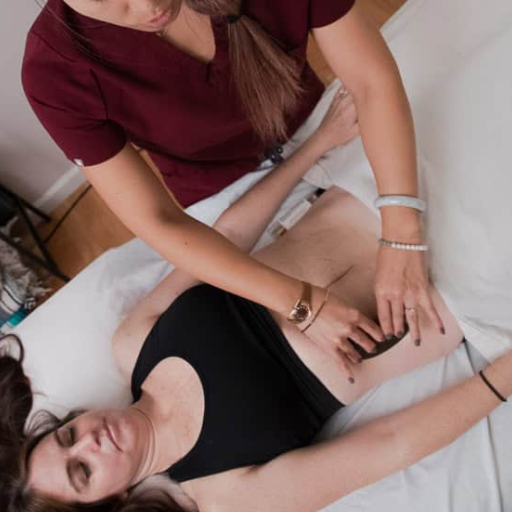
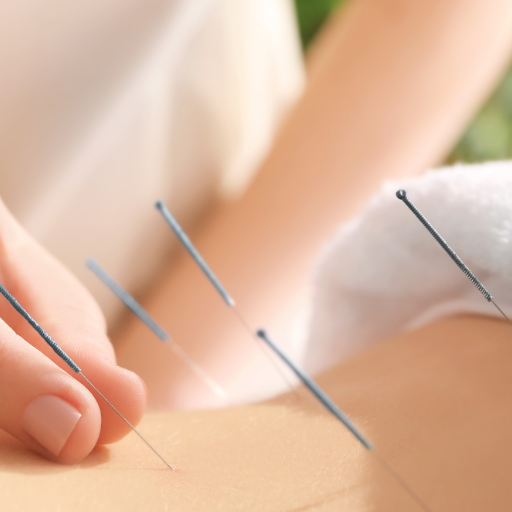
Acupuncture as a modality for pcos is one of the best-studied aspects of the body. Multiple mechanistic reviews, along with a registered NCT01573858 trial using acupuncture plus clomiphene, evidence for the efficacy of acupuncture, is out there (albeit, often marked and designating chemotherapy for pcos as “control” in such studies). A standard protocol emerges from the literature is 1-2 sessions per week, at least 12 weeks; labs may require that much time for hormonal levels to stabilize.
Mechanistically, two pathways bear most of the load. First, acupuncture seems to influence -endorphin secretion, which in turn influences gonadotropin releasing-hormone (GnRH) pulsatility – a 2022 review in Acupuncture in Medicine follows this from animal to human pcos data (PMC9637827). Second, low-frequency electroacupuncture suppresses the sympathetic hyperactivity that drives ovarian dysfunction in PCOS (PMC411056). A 2013 Wiley overview of PCOS and acupuncture summarized both pathways before they were as well-supported as they now are (Stener-Victorin 2013).
Standard Acupuncture Protocol for PCOS
| Frequency | 1–2 sessions per week (research baseline: 2/week) |
| Duration to first meaningful change | 12 weeks minimum (cycle regularity and LH/T drop) |
| Key acupoints (commonly used) | SP6 (Sanyinjiao), ST36 (Zusanli), CV4 (Guanyuan), LR3 (Taichong), Ren-12 (Zhongwan), KI3 (Taixi) |
| Electroacupuncture (when used) | Low frequency (2 Hz) preferred for ovarian sympathetic inhibition |
| Combined-protocol efficacy | Acupuncture + letrozole: RR 1.27 (95% CI 1.17– ) for clinical efficacy (PubMed 41269185) |
One real-world signal worth taking seriously: women on the r/pcos and r/TTC_PCOS saw the regularity of their ovulatory cycles increase sharply before pregnancy was possible. “I took acupuncture for about 7 months… I saw my cycles get significantly more regular” is a typical voice. Cycle change is the early signal; conception is the later one – an expectations frame that helps women stay the course through the first 3 months of treatment.
“In pcos, weekly low-frequency electroacupuncture restores ovarian endocrine and vascular function through neuromodulation of the autonomic nervous system. Effects build up over 12 weeks and persists for some months beyond the active treatment course.”
— Synthesis from Elisabet Stener-Victorin’s work on PCOS acupuncture mechanisms, Karolinska Institutet
TCM Dietary Therapy and Lifestyle for PCOS
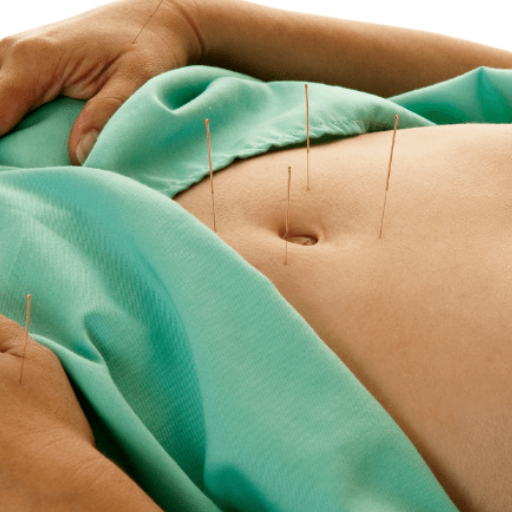
Diet and lifestyle provide the third pillar of tcm treatment, and unlike herbal formulas they are completely in your control. The Oriental Medicine frame shifts food choices around how each food affects Dampness, Qi, and Blood – categories that align surprisingly well with contemporary gut-microbiota science. A high-fibre, low-refined-carbohydrate diet, for instance, increases short-chain-fatty-acid producers like Blautia and Akkermansia – precisely the microbiota profiles listed in the Frontiers in Nutrition 2025 dietary supplement overview for pcos (Front. Nutr. 12:1705284).
✔ Eat regularly
- Warm, cooked foods (soups, congees, stews)
- Blood-nourishing foods: goji berries, black sesame, red dates
- Qi-tonifying foods: lamb, ginger, cinnamon, leeks
- Dampness-resolving foods: white fungus, mung beans, barley tea
- Liver-soothing greens: spinach, chrysanthemum tea
- Fibre-rich vegetables and whole grains (SCFA-producer support)
⚠ Limit or avoid
- Cold, raw foods (smoothies, cold salads, iced drinks)
- Refined sugar and processed carbohydrates
- Fried, greasy, deep-fried foods
- Excessive caffeine and alcohol
- Heavy dairy in Spleen-Damp patterns
- Too much processed soy (concentrated isoflavone supplements differ from whole-food soy)
The soy question warrants closer examination because it generates contradictory guidance. Internet support communities frequently advise women with pcos away from soy entirely. Published evidence is more complicated: a 70-participant 12-week study in the Frontiers 2025 review demonstrated that soy isoflavones reduced HOMA-IR and the free androgen index. What distinguishes them is processed soy concentrates and milks – which may interfere with hormone signalling in some women – versus whole-food fermented soy (tempeh, miso) in moderate quantities, which is an effectually different substance. From a traditional Chinese medicine perspective, the value judgment also tends to be pattern-specific: women with Spleen Damp thrive when they avoid all soy products; women with Kidney Yin deficiency are fine with fermented soy added in moderation.
📐 Engineering Note — Meal timing matters:
Traditional Chinese medicine organ-clock concept places the Spleen at its maximum activity between 9 and 11 AM. A comfortably warm cooked breakfast – set down leisurely, no screens – plays to the Spleen’s natural strength to process material thoroughly, reducing the Dampness that worsens pcos. Skipping breakfast or sipping icy coffee generates a backwards-running engine.
PCOS Insulin Resistance — TCM’s Approach to the Metabolic Side
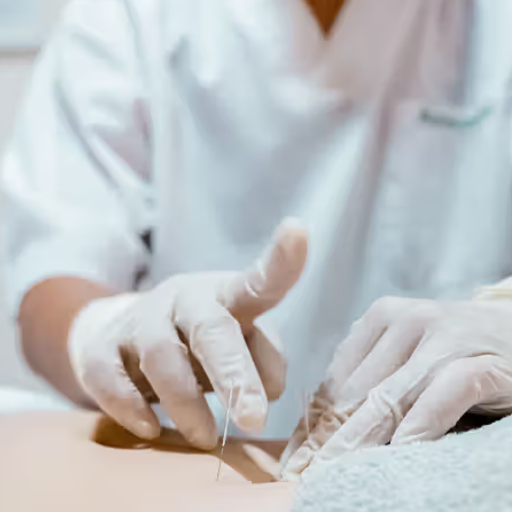
This sits at the metabolic centre of pcos in the 50-70% of cases who have it. Conventional Western medicine treatment uses metformin to boost AMPK and improve peripheral insulin sensitivity. TCMat the Frontiers 2025 review’s metaphorical fork, arrives via the same “metabolic barn-door” – rectifying gut dysbiosis so that LPS-led systemic inflammation and IRS-1 phosphorylation stay out of insulin signalling’s way.
Can TCM be combined with metformin for PCOS?
Conventional: no that’s not true- anything goes. NHS guidance on metformin states that there is “not enough information” to fully establish the safety of all herb-with-metformin combinations( taking-metformin-with-other-medicines-and-herbal-supplements/”>NHS metformin guidance) and a PMC review of herb-antidiabetic drug interactions lists both safe and unsafe pairs(PMC5527439). In fact the berberine ministry has been present since 2023 as a fully-appraised metformin-alternative with equally-aggressive off-label exploration as a metformin adjuvant:A short-term, 100-patient comparative study( Mednews 2023) found berberine no-inferior on insulin sensitivity, and the MDPI Biomedicines 2025 use-for-multiple-conditions guide recognizes berberine as a multi-target AMPK-activator(Biomedicines 14(1):213).
A simple rule: any TCM formula that contains berberine, cinnamon, fenugreek or salvia will block the action of metformin. That does not necessarily involve stopping one: it means separating them in time (usually by 2 hours) with your family doctor and your TCM family doctor fully copied in to your entire regimen, and testing the HOMA-IR and HbA1c every three months rather than, you know, flying blind.
Several individual ingredients have specific clinical evidence in PCOS:
- ✔
Berberine (PMC3722087, PMC6261244) — activates AMPK; comparable HOMA-IR reduction to metformin in short-term trials - ✔
Soy isoflavones — 70 patients, 12 weeks: ↓ HOMA-IR, ↓ free androgen index, ↑ insulin sensitivity check index (Frontiers 2025 Table 1) - ✔
Salvia officinalis — 60 patients, 8 weeks: ↓ insulin, ↓ HOMA-IR (Frontiers 2025 Table 1) - ✔
Cangfu Daotan Decoction — reduces inflammatory cytokines (IL-1β, IL-6, TNF-α) that drive IR (PMC12963303)
How TCM Supports the PCOS Reproductive Cycle (Fertility)
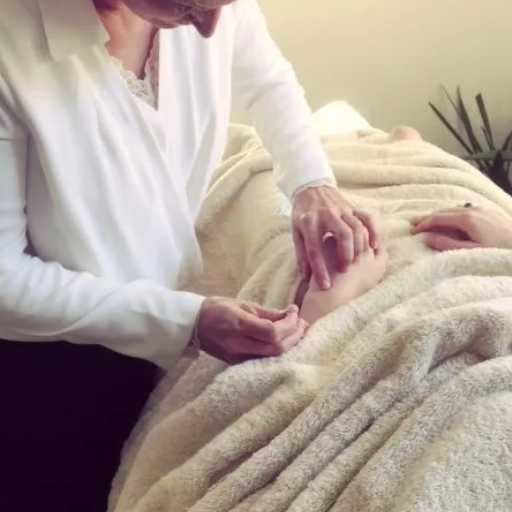
For women with pcos who wish to conceive, TCM divides the womb-centered menstrual cycle into 3: one for menstruation, one for ovulation and early pregnancy and one for the middle phase of pregnancy. Protocol design assumes a 28-day cycle, with proportionate adjustment for longer cycles.
TCM 3-Phase Cycle Support for PCOS
| Phase | Days | TCM Focus | Typical Action |
|---|---|---|---|
| Follicular | Day 1–13 | Nourish Blood, build Yin | Kidney Yin tonics; SP6, KI3 acupoints |
| Ovulatory | Day 14–16 | Move Qi and Blood, shift Yin to Yang | Blood-moving herbs; LR3, ST36 acupoints |
| Luteal | Day 17–28 | Warm Kidney Yang, support implantation | Kidney Yang formulas; CV4, Ren-12 acupoints |
The fenugreek post-marketing data(71% normal menstrual cycles, 12% pregnancy, Frontiers 2025) is right alongside the available-in-practice-expectation one: cycle regularisation first, conception second. A PubMed-indexed review of acupuncture as a non-standard form of contraception or post pill-PCOS supports this emphasis on cycle regulation. “acupuncture treatment can effectively improve ovulation and pregnancy rate across treatment cycles, reduce androgens” (PubMed 40706713) – over many cycles not one.
For an IVF or letrozole/clomiphene cycle, acupuncture regularly is added to the standard induction. NCT01573858, an acupuncture+clomiphene live-birth trial, acts as a model for this multimodal intervention.
TCM vs Western Treatment — The PCOS Treatment Decision Matrix

Very rarely”a clean” choice of “either-or”. Reliable symptomatic control has well-documented side effect profiles, while pattern-matched and slower to act hormone-balancing restoratives have fewer side effects but unpredictable response. For most women the most honest answer is to integrate—choose accordingly.
| Dimension | Metformin | OCP (Birth Control) | Chinese Herbal Formula | Acupuncture |
|---|---|---|---|---|
| Primary mechanism | AMPK activation, peripheral insulin sensitisation | Synthetic estrogen + progestin override HPO axis | Gut microbiota correction, pattern-matched | β-endorphin / GnRH modulation, sympathetic regulation |
| Time to result | 4–12 weeks | First cycle | 12–16 weeks | 12 weeks |
| Fertility compatibility | Yes (continued in early pregnancy in some cases) | No (must stop to conceive) | Yes — many formulas designed for cycle support | Yes (active adjunct in IVF) |
| Common side effects | GI upset (~25%), B12 depletion (long-term) | Mood, libido, clotting risk | Mild GI; rare allergic reactions | Bruising at needle site; uncommon |
| Cost per month | Low ($5–25) | Low ($10–30) or insurance-covered | Moderate ($60–200) | Moderate ($60–200/week) |
| Evidence quality | Strong (multiple meta-analyses) | Strong (decades of use) | Growing (peer-reviewed but smaller trials) | Moderate (multiple RCTs) |
Are Chinese herbs safe to take with metformin?
Most pairings are a yes with a few interesting notes. Pubmed evidence and clinical experience conflict on herb-vs-antidiabetic drug interactions; this Pubmed review of herb-antidiabetic interactions PMC5527439 warns of some herbs being potentially additive and makes exceptions for the slightly more powerful cinnamon, fenugreek and berberine (which can dip the metformin effect a little too much). Positive combinations have been explored such as a Pubmed review of berberine + Chinese herbs for pcos-IR illustrating positive results for insulin sensitivity without safety alarms PMC6261244. Your practical rules are: 1. inform your GP & your TCM doctor if you are using anything; 2. keep metformin and herbal decoctions separated by ~2 hours; 3. check fasting glucose 2 weekly for at least 1-2 months after any herbal mixture change; 4. avoid St Johns Wort & grapefruit-loaded TCM formulas with pcos.
The PCOS Treatment Decision Matrix
To price pcos unique needs and pcos subtype round and then prioritize for detailed formulas. Use your primary pcos goal and pcos subtype to triangulate a starting position. Adjust based on tolerance and response at 12 weeks.
| If your priority is… | And your subtype is… | Consider |
|---|---|---|
| Conceiving within 12 months | Anovulatory / high-LH | TCM 3-phase cycle support + ovulation tracking, ± medical induction |
| Insulin resistance / weight | Obesity / metabolic | Berberine-based formula + lifestyle + HOMA-IR monitoring, ± metformin |
| Acne / hirsutism / hair loss | Hyperandrogen | Kidney Yin-tonifying herbs + acupuncture, ± spironolactone |
| Mild cycle irregularity | High-SHBG / lean | TCM cycle regulation alone; review every 12 weeks |
| Acute symptom relief | Any | Western medicine treatment first-line; integrate TCM as second-line stabiliser |
How to Choose a Practitioner to Manage PCOS Long-Term
The single biggest variable in TCM outcomes is the practitioner – not the formula. Women on the r/pcos and r/TTC_PCOS forums consistently report that one broad approach (acupuncture plus herbs) produces “completely changed my cycles for the better” results with one practitioner and “never saw any improvement” results with another. Pattern differentiation is a clinical skill that varies widely; an experienced TCM gynecology specialist takes a different history, weights tongue and pulse differently, and adjusts the formula every 2-4 weeks rather than handing you a fixed bottle.
Use this checklist before booking:
- ✔Registered with the regional credentialing body (see table below) — never optional
- ✔Trained in gynecology specifically — not general TCM only
- ✔First consultation lasts 30–60 minutes (signal of pattern differentiation depth)
- ✔Reads tongue and pulse — not just symptom checklist
- ✔Adjusts formula every 2–4 weeks based on response, not “set and forget”
- ✔Discusses your Western medications openly; willing to coordinate with your GP
- ✔Discloses herb sourcing and quality testing (heavy-metal and pesticide reports for raw herbs)
| Region | Credentialing Body | Designation to look for |
|---|---|---|
| United States | NCCAOM | Dipl. Ac. / Dipl. OM |
| United Kingdom | BAcC / RCHM | MBAcC, MRCHM |
| Australia | AHPRA | Registered Chinese Medicine Practitioner |
| United Arab Emirates | DOH (Abu Dhabi) / MOHAP / DHA (Dubai) | Licensed TCM Practitioner |
| Singapore | TCMPB (Ministry of Health) | Registered TCM Physician |
If you are in the UAE and contemplating a Beijing trained gynecology specialist for your pcos, you can consult our Beijing-trained TCM gynecology team at Tong Ren Tang – our lineage traces directly to the 1669 Tong Ren Tang foundation and 188 years as the sole imperial provider of Chinese medicine under the Qing Dynasty.
TCM for PCOS Outlook — What’s Changing in 2026
Four trends are shaping how pcos natural treatment with TCM will look over the next 12-24 months, and they affect how you approach treatment today.
1. Gut microbiota becomes the new mechanism story. The Frontiers in Endocrinology 2025 review is one of several papers reframing TCM’s mechanism around gut-microbiota correction rather than direct hormonal action. This matters because it gives TCM formulas a molecular target that aligns with mainstream endocrinology research — describing the mechanism of TCM in molecular terms – and it predicts that prebiotic and probiotic adjuncts will increasingly appear in TCM-informed pcos protocols. The Frontiers in Nutrition 2025 dietary-supplement review already places probiotics alongside inositol as evidence-supported PCOS adjuncts.
2. Berberine now emerges a “natural metformin”. Female patient metformin interest has visibly softened over the past year – DataForSEO results show “metformin pcos” with on search volume dropping from ca. 40,500 (May 2025) to 18,100 (September 2025), with parallel growth in berberine and inositol searches. The MDPI Biomedicines 2025 precision targeting PCOS therapy review credits berberine as a multi-target AMPK activator with mechanism similar to metformin. Expect more practitioners to position berberine herbal formulas as premier starting trial for women with metformin intolerance.
3. Precision phenotyping takes the place of “pcos as a single disease”. This 2025 data-driven subtype paper from Nature medicine (four reproducible clusters) is the blueprint to treat by subtype rather than the older one-size-fits-all model.
TCM has been practicing this for several millennia – pattern differentiation, is, phenotypematching. We predict, within 24 months, clinicians will blend the two systems explicitly.
4. Candid acknowledgement of evidence quality. Frontiers 2025 authors are honest about the fact that numerous TCM trials have small sample sizes and varying sources of herbs.
Such self-admission is positive and indicates the direction that larger well-designed RCT’s should take. For patients that are: weigh up any individual small trial, and favour formulas that have been published in multiple independent studies (Cangfu Daotan, Liuwei Dihuang, Gui Zhi Fu Ling Wan) over the latest proprietary mix with flimsy evidence.
📐 What to ask your TCM doctor in 2026:
“Which of my symptoms point toward gut dysbiosis and how will the formula you are giving me affect that mechanism alone?” – a practitioner who is able to do this is forging ahead with current research, one who can’t may rely solely on textbook formulas.
Frequently Asked Questions
Q: How long does TCM treatment take to show results for PCOS?
View Answer
Changes in menstrual regularity and PMS for most women first occur between weeks 8 and 16. Markers of insulin-resistance (HOMA-IR, fasting glucose) mirror time to use in a similar chronology. Pregnancy when conceived optimally occurs another 3-9 months after cycle regularisation.
Response-time is shorter in lean-high SHBG and longer in obese or high LH subtypes.
Q: Are Chinese herbs safe to take during pregnancy if I conceive on TCM?
View Answer
Things are safe and some are not – there is never a one-answer-fits-all. Once pregnancy is confirmed, a trained TCM gynecology practitioner will alter or stop your formula. Do not self-medicate, and do not consume herbs in the “Blood-moving” or “Phlegm- resolving” category while early in pregnancy.
Announce your pregnancy to your TCM physician as soon as possible so that your formula can be changed to that which sustains pregnancy.
Q: Can you get pregnant with PCOS using only TCM (no Western intervention)?
View Answer
Yes – many patients with PCOS do, the fenugreek post-marketing data (71% menstrual normalisation, 12% pregnancy) and literature from the wider acupuncture meta-analysis support this. That is true however, and if 12 months of reliable TCM has not achieved conception in a woman with proven anovulation, then adding in ovulation induction (letrozole, then clomiphene) on top of ongoing TCM deeply improves both live-birth rates, with an integrated approach that beats either strategy alone for many couples.
Q: What foods should I strictly avoid with PCOS from a TCM perspective?
View Answer
All four TCM pattern have common avoid list items including Cold and Raw foods, Fried and Deep Fried foods, Refined Sugar, Snack foods that are high in processed carbohydrates and Betel In Diet shall also be avoided. Heavy dairy and processed soy concentrates shall aggravate Spleen Damp. Th list for avoid pattern is more detailed that your practitioner shall customize to your case.
Q: Does acupuncture hurt? How many sessions before I notice change?
View Answer
Acupuncture feeling is like a dull pressure, a heaviness, or slight zing when a needle hits the correct point not a pin point sharp penetration of a hypodermic. Bruising rarely occurs from the needling. Most women discover the early changes (rest, stress, and PMS complaints) within 4-6 sessions; menstrual cycle changes at 8-12 sessions; and normal hormonal labs within 12 weeks.
Q: Can TCM cure PCOS permanently?
View Answer
“Cure” is the wrong frame. pcos has genetic, metabolic, and lifestyle drivers – none of which TCM erases. What TCM does well is sustained regulation: a course of 6-12 months often produces cycles and metabolic markers stable enough that women no longer need active treatment beyond dietary and lifestyle maintenance. Without that maintenance, symptoms are likely to recur within a year.
Q: What if I’m vegetarian — can Chinese herbal formulas still work?
View Answer
Yes. Most classical pcos formulas (Liuwei Dihuang, Gui Zhi Fu Ling Wan, Jia Wei Xiao Yao San, Cangfu Daotan) are plant-only. On occasion a practitioner may use an animal-derived ingredient (e.g., gelatin, donkey-hide glue) — ask! Your practitioner can replace this.
Q: How much does TCM treatment of PCOS typically cost per month?
View Answer
The answer is in the ingredients – most classical pcos formulas (Liuwei Dihuang, Gui Zhi Fu Ling Wan, Jia Wei Xiao Yao San, Cangfu Daotan) are vegetarian. Tell your practitioner if you have allergies or preferences and they can work around any animal-derived ingredients.
Bringing It Together
PCOS responds well to the right TCM treatment of PCOS — and poorly to mismatched care. The takeaways from the research and patient-experience data are reasonably consistent. First, pattern differentiation is the single most important step; the right formula in the wrong pattern is the leading cause of “TCM didn’t work for me” reports. Second, gut microbiota correction is emerging as the mechanism through which Chinese herbal medicine acts on PCOS — a reframing supported by Frontiers in Endocrinology 2025. Third, integration with Western care is usually better than choosing sides; berberine alongside or instead of metformin, acupuncture alongside ovulation induction, and TCM dietary therapy and lifestyle (diet and lifestyle factors) alongside standard nutrition guidance all show stronger results than single-modality approaches in the literature. Fourth, practitioner quality matters more than formula brand.
If you are in the UAE and want to discuss your PCOS case with a Beijing-trained gynecology practitioner who treats patients with PCOS and whose clinical lineage traces back to 1669, you can book a consultation with the Tong Ren Tang clinical team. Bring your most recent labs (LH, FSH, total/free testosterone, HOMA-IR), any imaging, and a record of your last 3 cycles.
About This Analysis
This guide synthesises the August 2025 Frontiers in Endocrinology review on TCM-microbiota mechanisms in polycystic ovary syndrome (Jiang et al., DOI 10.3389/fendo.2025.1610869), the 2023 ESHRE/ASRM International PCOS Guideline, the 2025 Nature Medicine data-driven PCOS subtype paper, and classical TCM pattern theory inherited through Tong Ren Tang’s 350-year clinical lineage. We have deliberately surfaced evidence-base limitations — most TCM-PCOS trials are small or single-site — rather than overstate efficacy. Our editorial intent is to help readers alleviate PCOS symptoms with evidence, not marketing. The choice between Western, integrative, and TCM-led care belongs with you and your clinicians; this guide aims to make that choice better-informed.
References & Sources
- Mechanisms of TCM regulating PCOS through gut microbiota: a review — Frontiers in Endocrinology, Jiang X et al. (2025)
- Effects of TCM on PCOS and its cellular endocrine mechanism — PMC10228207 (2023)
- Redefining PCOS: 2023 ESHRE/ASRM International Guideline — PMC11898310
- PCOS: criteria, phenotypes, race and ethnicity — PMC11751892
- Data-driven subtypes of PCOS — Nature Medicine, Stener-Victorin et al. (2025)
- Use of Traditional Chinese Medicine for PCOS in a Nationwide Prescription Database in Taiwan — PMC6069244
- Cangfu Daotan decoction with Diane-35 in phlegm-dampness PCOS — PMC12963303
- Therapeutic effects of Bushen Huoxue formula on PCOS — PMC12399099
- Underlying mechanisms of acupuncture therapy on PCOS — PMC9637827
- Effect of electro-acupuncture stimulation on ovarian sympathetic activity in PCO rats — PMC411056
- Dose-response of acupuncture on ovulation rates in PCOS — PMC12422914
- Meta-Analysis of Acupuncture Combined With Letrozole in PCOS — PubMed 41269185
- Acupuncture and Clomiphene Citrate on Live Birth in PCOS — ClinicalTrials.gov NCT01573858
- Effect of berberine on insulin resistance in women with PCOS — PMC3722087
- Berberine on PCOS Patients with Insulin Resistance — PMC6261244
- Interactions between antidiabetic drugs and herbs — PMC5527439
- Taking metformin with other medicines and herbal supplements — NHS UK
- Efficacy of dietary supplements as adjunctive therapy for PCOS — Frontiers in Nutrition (2025)
- Precision Targeted Therapy for PCOS: Emerging Drugs — MDPI Biomedicines 14(1):213 (2025)
- PCOS: Effect and Mechanisms of Acupuncture — Wiley Online (Stener-Victorin 2013)
- Acupuncture as an alternative treatment for PCOS — PubMed 40706713
Related Articles
- Irregular periods and TCM cycle regulation — diagnostic and treatment guide
- Acupuncture for fertility and IVF — protocols, timing, and evidence
- Chinese herbs for women’s health: a pattern-by-pattern guide
- Kidney deficiency in women’s health — symptoms, patterns, and TCM treatment
- Blood stasis explained — painful periods, cysts, and TCM resolution
- Integrative women’s care in the UAE — coordinating TCM with Western specialists
![PCOS Treatment A Complete Guide to Your Options [2026]](https://tongrentang.ae/wp-content/uploads/2026/04/PCOS-Treatment-A-Complete-Guide-to-Your-Options-2026-768x515.webp)