Get in Touch with Tongren Tang Gulf
Acupuncture for Anxiety and Stress: What to Expect in a TCM Clinic

Updated September 2026
Medical evidence (population, comparator, uncertainty, and safety) has been reviewed.
Acupuncture for anxiety and stress is a complementary approach that may help some people, but the effect of acupuncture varies; it isn’t a proven first-line treatment or a guaranteed way to reduce anxiety. A responsible clinic will ask about your health history and provide safety information before acupuncture. If you pursue acupuncture for stress, you can continue if it feels helpful; however, don’t delay care for mental-health issues.
This information summarizes the available research and explains the process of a traditional Chinese medicine (TCM) consultation. It describes what patients may feel during and after needling and explains when anxiety symptoms require immediate professional intervention.
The short answer
- There’s still a lot of uncertainty in clinical research related to generalized anxiety disorder.
- Everyday stress, anxiety, panic attacks and PTSD are distinct research populations.
Everyday stress is a normal part of life. Most people experience stressful situations at various times in their lives, but everyday stress isn’t the same as an anxiety disorder.
- We should expect personalized plans, specific locations for thin-needle placement, and questions along the way. We shouldn’t expect the same “anxiety point” map for everyone.
- Agree on a specific review point, rather than accepting a session commitment.
- Don’t change your medical treatment while undergoing acupuncture. Use the card to discuss how acupuncture might fit with current treatment; it doesn’t prescribe that decision.
The Four-Field Visit Review Card is an editorial tool used to assist in the discussion of cases and isn’t to be used in the diagnosis or assessment of patients. The tool shouldn’t be used to determine the need for treatment, mental health treatment or acupuncture.
Can Acupuncture Help Anxiety and Stress? What the Evidence Says
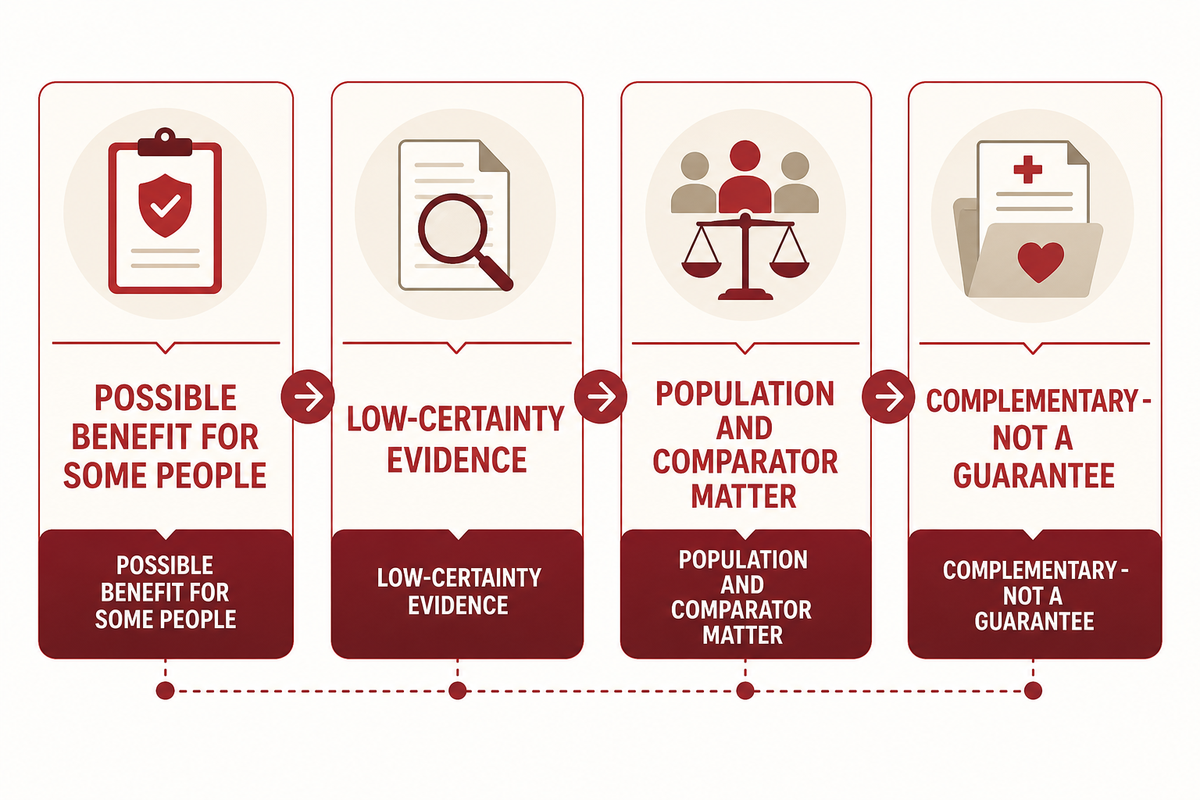
A fair answer is “possibly for some individuals, with substantial uncertainty.” Systematic reviews assessing the effectiveness of acupuncture have reported positive average changes in anxiety scores for generalized anxiety disorder. However, numerous methodological shortcomings have been reported in these studies including small and unstandardized samples, use of different types of control acupuncture, risk of bias, and high statistical heterogeneity.
41trials in a 2025 GAD review
4sham-controlled trial designs
Lowoverall certainty
The 2025 review identified 41 randomized clinical trials. There were 39 trials in Chinese, and 2 in English. Four trials used sham control. Outcomes from the Hamilton Anxiety Rating Scale were reported in three sham-controlled trials. The review authors assessed the evidence as low certainty. There was variability in the details of the interventions. The review authors concluded that the average treatment effect may not apply to an individual case.
Studies vary in how they delineate an acupuncture treatment. So, the impact of acupuncture in a given study can’t generally be transferred to other studies. There isn’t enough information in a pooled score alone to compare acupuncture across different protocols and populations.
Comparator and population impact the result. A 2025 study that included 93 veterans with PTSD found both real and sham acupuncture groups alleviated anxiety, with no difference between the groups. These results may not be generally applied to individuals with anxiety or stress outside of research and clinical settings. Different anxiety populations may produce varying results with acupuncture, so each population requires a distinct evidence question. The term “acupuncture for anxiety” describes a broad range of anxiety levels for which acupuncture may have different supporting evidence.
Acupuncture may be of some benefit as a complementary therapy. It’s important to evaluate acupuncture in the context of safety and affordability. Acupuncture should be coordinated with the patient’s overall plan of care. It isn’t justified to consider acupuncture as a substitute for any treatment (be it pharmacological or psychological) or to expect a complete or permanent alleviation of anxiety after undergoing acupuncture.
Evidence rule
Ask which population was studied, what acupuncture was compared with and how certain the evidence was before applying a research claim to your situation.
Stress, Anxiety and When Assessment Comes First
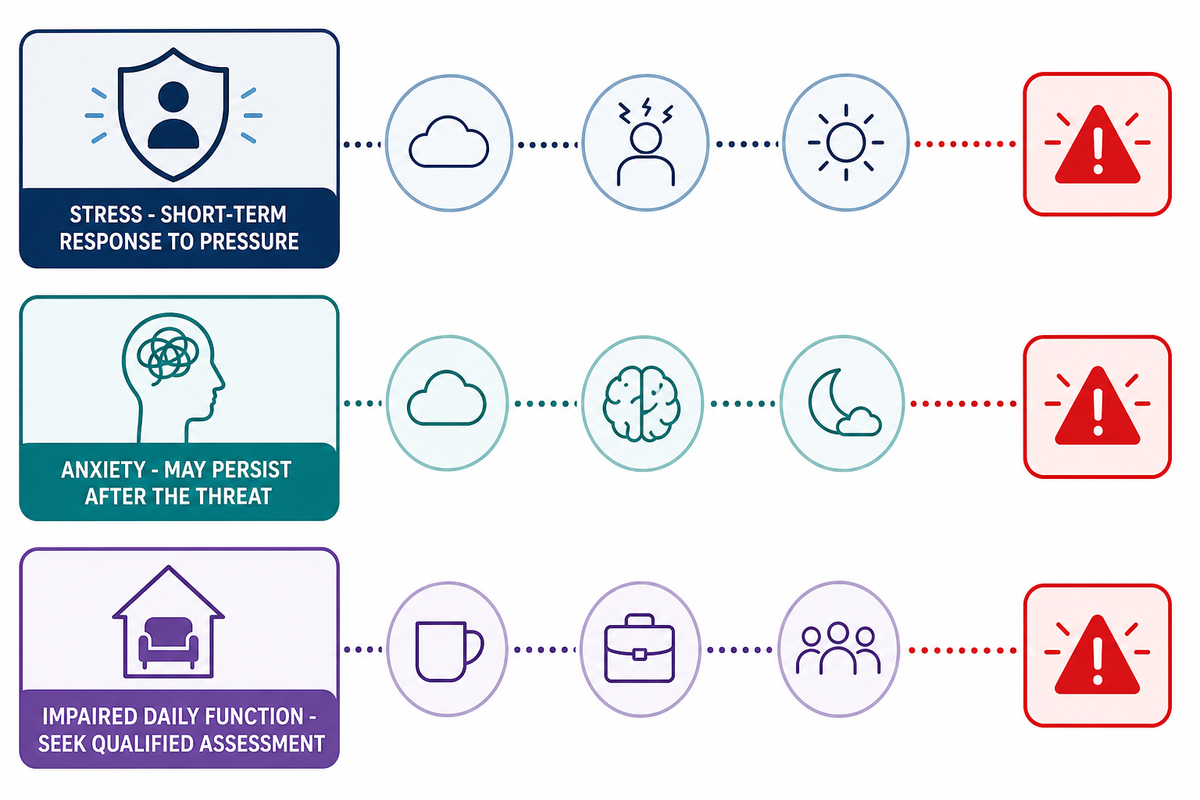
Stress can be the body’s short-term response to pressure. Anxiety can persist after the threat has passed. It may involve nervousness, restlessness, or fatigue. It may cause problems such as insomnia, physical tension, avoidance or difficulty concentrating. In severe cases, it may result in panic attacks and avoidance behaviors. A blog can’t diagnose an anxiety disorder. A Chinese medicine consultation, like any other alternative medicine consultation, can’t replace a professional mental health assessment.
Signs and symptoms alone don’t identify a mental disorder. Panic attacks can occur in more than one clinical context. A qualified professional can assess what’s happening and discuss established options such as cognitive behavioral therapy, other talking therapies or medication.
Get help from a medical professional if anxiety affects your ability to function normally in everyday life, makes you avoid normal activities, and/or negatively impacts your relationships, job, and/or other activities. Professional help may come in the form of medication, or talking/behavioral therapy. The type and quantity of treatment are determined by you and a licensed professional. Let your mental-health therapist and the acupuncturist know of concurrent treatments or therapies, and let each clinician know about any acupuncture treatment you’re seeking.
Don’t discontinue anxiety medication because a session or clinical recommendation led you to believe it was safe to do so. Relaxation experienced during a session doesn’t always mean that anxiety has been resolved. Only the responsible prescriber can assess whether a change to an anxiety medication prescription is safe and appropriate.
What to Prepare Before Your Appointment
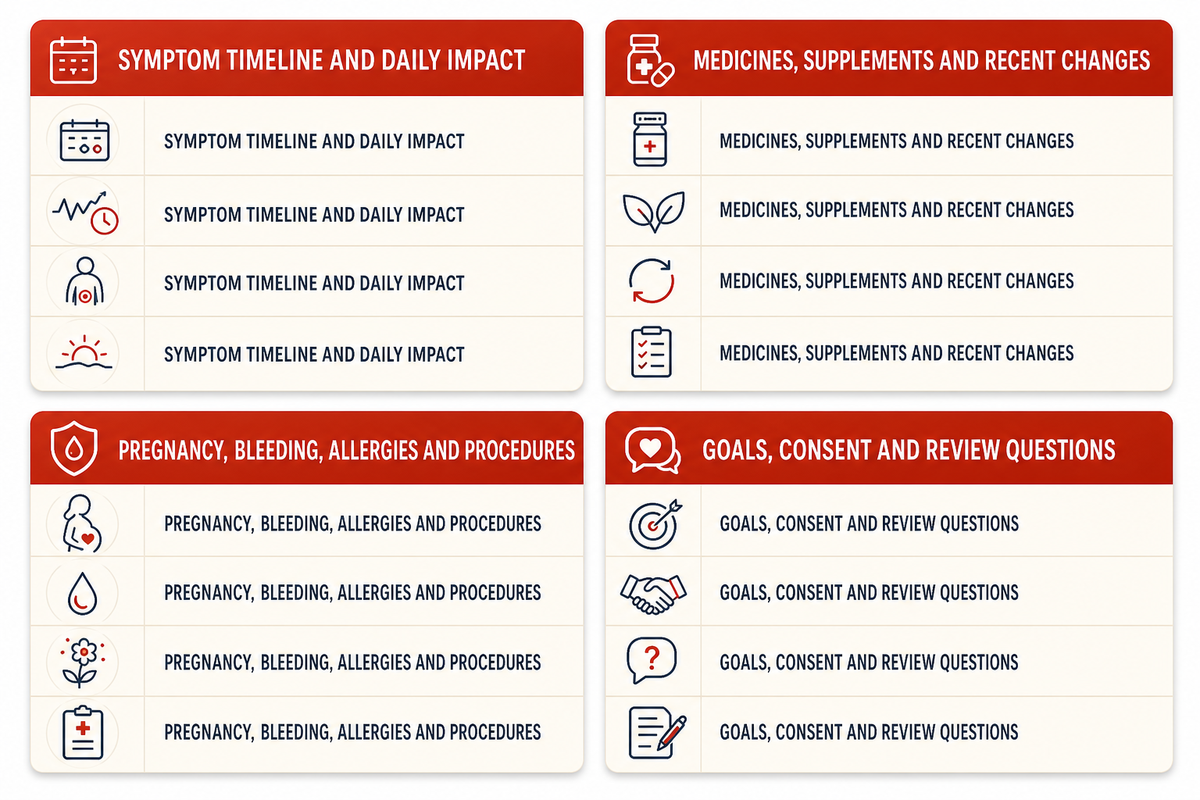
Accurate information is useful for a safe first visit. Create a detailed list regarding when your symptoms began, what factors make your symptoms better or worse, the effect your symptoms have on your daily activities, and the main reasons for seeking this visit. This information will assist your health care provider to determine the reason for your visit and design an appropriate management plan.
Bring and disclose
- Prescription and non-prescription medicines.
- Supplements and recent medicine changes.
- Pregnancy or the possibility of pregnancy.
- Bleeding or clotting concerns.
- Allergies, recent procedures and skin infection.
- Implanted electrical devices if electroacupuncture may be discussed.
Clarify before needling
- Your supportive goal and its limits.
- How consent and stopping a session work.
- What sensations should be reported.
- How sterile single-use needles are handled.
- When progress will be reviewed.
- How the practitioner coordinates with existing care.
These are disclosure prompts, not automatic exclusions. Pregnancy and medication use may require variation. The practitioner should assess each person’s circumstances before deciding how to proceed. Don’t make assumptions about the unrelated nature of details and omit them from your review.
What Happens During an Acupuncture Visit
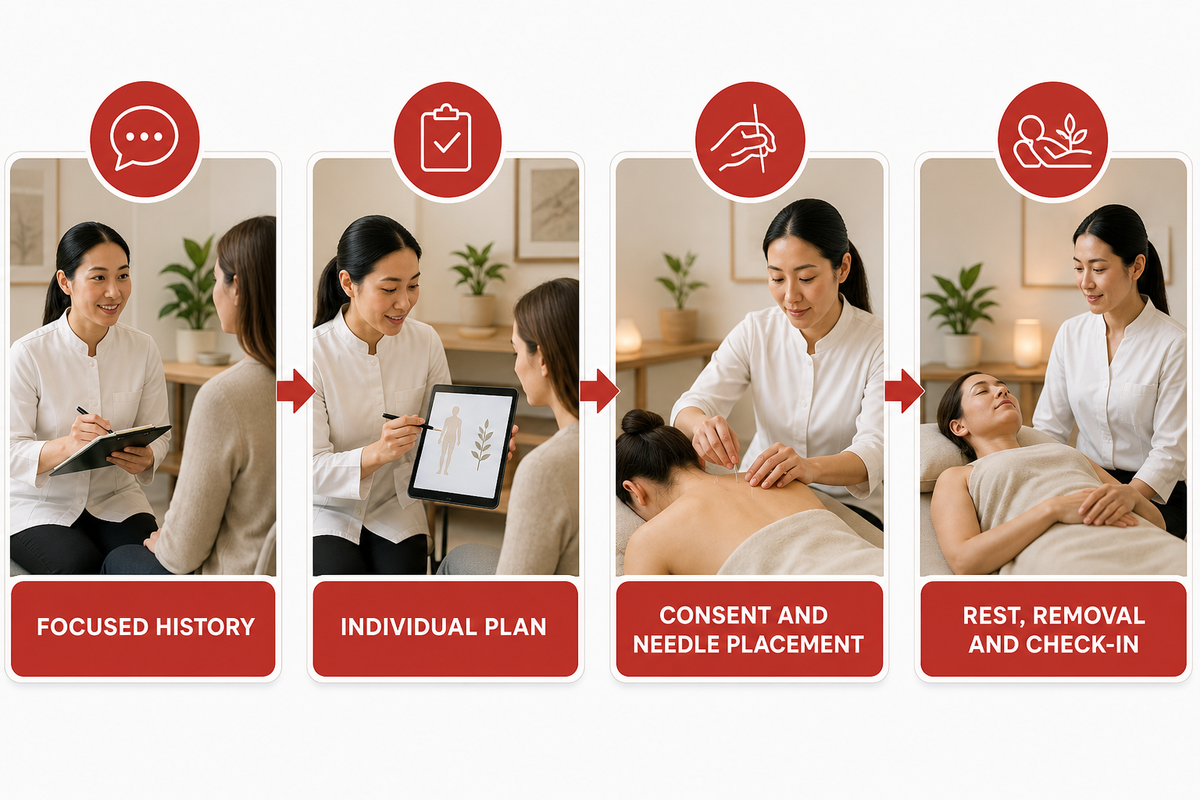
Though the details change, there’s typically a recognisable pattern in a responsible visit involving acupuncture for anxiety. Not everyone has the same exact plan, but each visit should start with an individual assessment and a clear safety discussion rather than a preset point map.
- Focused history: Certain pertinent symptoms, health history, medications, goals and/or risks are discussed.
- Individual plan: the practitioner tells the patient about the approach being taken, expected sensations, and available options.
- Consent and placement: Thin needles are inserted into points assessed for the individual. You’ve the right to pause or stop at any time.
- Your practitioner will allow the needles to remain while you rest, then remove them before you leave. Before departure, the practitioner quickly checks how you feel.
A Mayo Clinic patient guide states that the procedure for acupuncture involves the placement of thin needles and allows for a rest period. This is a general procedure description, not a confirmation of Tong Ren Tang’s schedule or a promise about anxiety outcomes. Other variables such as the number of needles, the points selected, the placement and the duration can differ based on the person and the therapist’s professional judgment.
While many practitioners will say needle insertion is painless, this isn’t necessarily the case. You should inform your practitioner if you’re feeling sharp discomfort. It’s important that your practitioner explains their process to you. You shouldn’t accept answers like “that means it’s working”.
What You May Notice During and After a Session
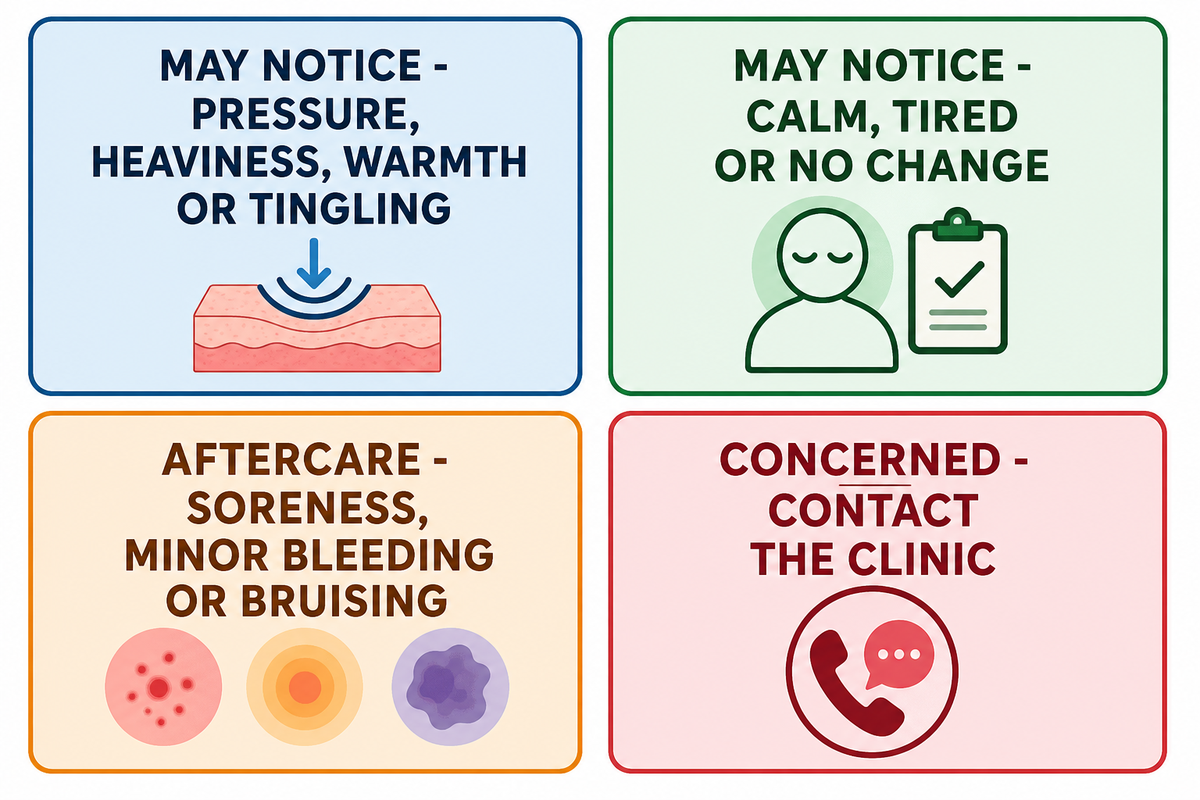
You may experience pressure or heaviness or feel warmth or tingling during a session. You may even feel quite calm or even tired during or after a session. Feeling these things doesn’t necessarily mean your anxiety will get better. You may even feel this way and not notice any change.
Expect a bit of temporary soreness, minor bleeding or bruising. Ask your clinic what kind of aftercare they recommend and who to contact if you’re concerned about your symptoms. If you experience an adverse event or other symptom causing concern, contact the clinic; in a UAE emergency, call local emergency services.
Keep your normal mental health appointments, and keep your usual prescriptions. If the responsible clinician advises a change, follow that advice; otherwise, keep normal appointments. If you start a new technique to improve your mental health, and things start getting worse (more panic attacks, more agitation, problems sleeping, problems with your daily routine, etc.) then let your mental health clinician know as soon as possible.
How to Review Progress: The Four-Field Framework
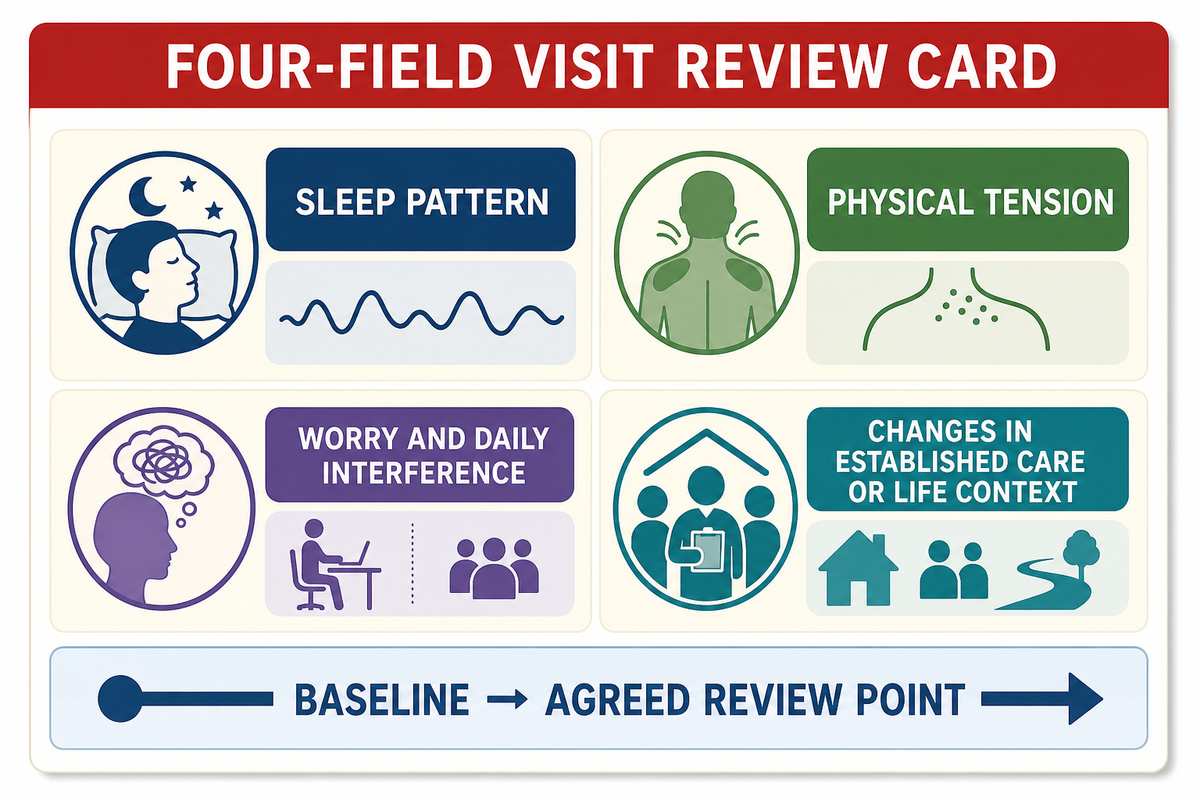
There isn’t a set number of sessions research has found to alleviate anxiety and stress. A better method for your situation is to first understand your baseline, decide on a few observations that will be repeated, and decide when the session will be reviewed.
| Review category | Baseline question | Review question |
|---|---|---|
| Sleep · settling | How long does it usually take to fall asleep? | Is the pattern consistently better, worse or unchanged? |
| Sleep · continuity | How often do you wake and how rested do you feel? | Has waking or next-day function changed? |
| Body · tension | Where and when do you notice physical tension? | Has frequency or interference changed meaningfully? |
| Body · restlessness | When is it hardest to sit, focus or settle? | Are those periods shorter, longer or unchanged? |
| Worry · interference | Which daily tasks are affected? | Can you do more, the same or less than at baseline? |
| Worry · avoidance | What situations are you avoiding? | Has avoidance changed without creating new risk? |
| Worry · acute episodes | How often do intense episodes occur and what help is needed? | Has frequency, intensity or recovery changed? |
| Care · therapy or medicine | What established care is underway? | What changed at the same time as acupuncture? |
| Care · life context | What work, sleep or relationship pressures are active? | Could an outside change better explain the result? |
It’s best not to evaluate your progress based on how you feel each day. Base your evaluation on notes you take at consistent intervals. When the time comes for review, you’ve the choice to continue for a defined reason, adjust your goal, coordinate with a different clinician, or stop the plan. Changes to therapy, medication, sleep, work, and other life events happen at the same time; therefore, the fourth field matters.
Review the plan if symptoms get worse, side effects occur, cost or time becomes a burden, or sessions interfere with getting more adequate care. In and of itself, “You haven’t had enough sessions yet” isn’t an adequate reason to keep the plan.
Safety, Red Flags and Urgent Help in the UAE
“Relatively few complications from using acupuncture have been reported.” NCCIH
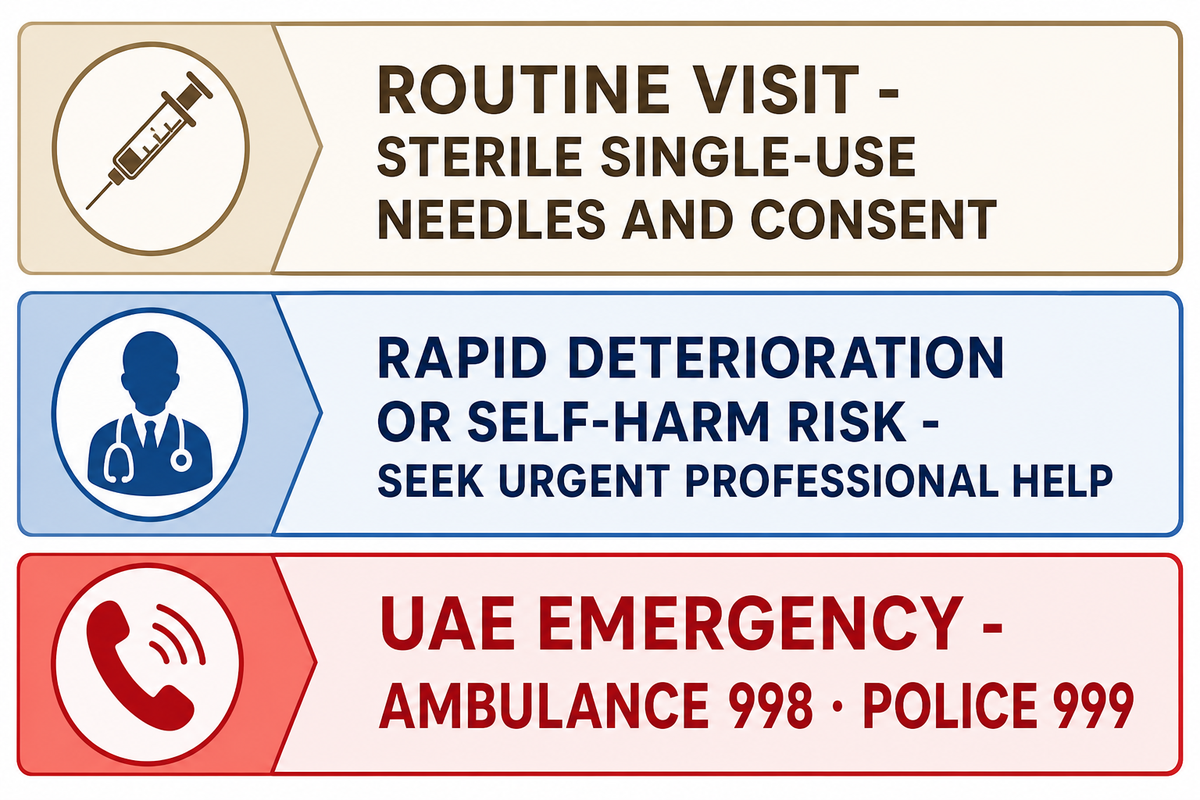
That isn’t risk-free. The same federal source states that non-sterile needles or improper delivery can lead to infection, puncture organs and injure the central nervous system. Also ask about sterile single-use needles, practitioner training and licensure, consent, and how concerns are reported.
Acupuncture isn’t appropriate if someone is in immediate danger or experiencing a medical emergency, including if they’re thinking about suicide or if they’re rapidly deteriorating and becoming at risk of harming themselves. In these situations, call the emergency services. In the United Arab Emirates, you can call 998 for the ambulance and 999 for the police.
Abu Dhabi support route
The Department of Health Abu Dhabi announced 800-SAKINA (800-725462) as a 24/7 mental-health support line for Abu Dhabi community members on 3 March 2026. It offers psychological first aid and access to qualified professionals for anxiety, panic, stress, sleep difficulty and other concerns. It’s an Abu Dhabi service and doesn’t replace 998/999 in an emergency.
How to Choose a Clinic and Plan the Next Step
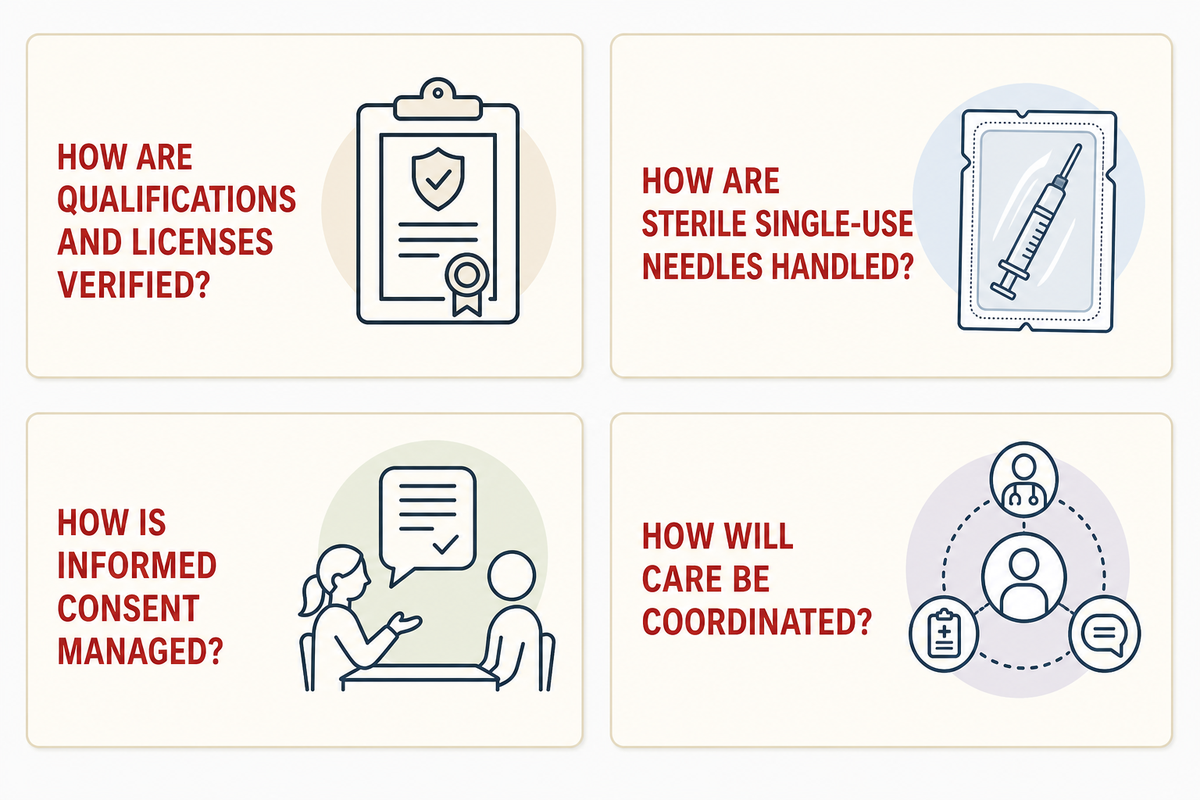
When inquiring about practitioners in Dubai, ask how a practitioner’s qualifications and licenses are verified. Dubai Health Authority’s 2025 unified qualification requirements include education, training and experience routes for acupuncture practitioners. The practical risk is choosing a clinic on promises alone: ask how it handles sterile single-use needles, informed consent, relevant disclosures and worsening symptoms.
Notice calibrated language. A competent practitioner can have an open conversation about goals and uncertainty without promising resolution to anxiety, providing one point map to all, implying a universal session duration, or advising you to stop established care.
For details about acupuncture and TCM treatments, please see: acupuncture in Dubai and first-party TCM treatments, respectively. These pages don’t offer evidence to support acupuncture for anxiety disorders; however, they do offer information about where to access these services and the limitations of these services.
If you decide to ask whether an appointment fits your situation, contact Tong Ren Tang with your medicine list, relevant health history, supportive goal and questions about review points. A useful consultation should leave you with clearer choices, not a guaranteed outcome.
Frequently Asked Questions
Does acupuncture work for stress and anxiety?
Short answer
It may help some people, but evidence doesn’t support a guaranteed result or a first-line replacement for established mental-health care. Reviews in generalized anxiety disorder report favourable average changes with low certainty, while a trial in veterans with post-traumatic stress disorder found no difference between real and sham acupuncture for anxiety. Population, comparator, protocol and individual circumstances all matter. Online acupuncture for anxiety success stories aren’t a substitute for a safe, coordinated plan with a baseline and an agreed review point. If you try it, keep existing care in place and judge any change against daily function, not only relaxation immediately after needling.
How long does it take, and how often should I get acupuncture for anxiety?
Short answer
There’s no universal number of sessions that reliably predicts benefit for everyone. Agree on a supportive goal, record a few baseline measures and set a review point before beginning. If daily functioning isn’t improving, symptoms worsen or the plan delays qualified mental-health care, reconsider it rather than automatically adding more sessions.
Where do acupuncture needles go for anxiety?
Short answer
There’s no single point map that’s appropriate for every person with stress or anxiety symptoms. A qualified practitioner chooses points after reviewing health history, symptoms, medicines and relevant risks. Online diagrams shouldn’t be treated as self-needling instructions. Ask why the proposed approach fits your assessment and how it will be reviewed.
Can I have acupuncture while taking anxiety medication?
Short answer
The key step is coordination, not an automatic yes or no. Give the acupuncture practitioner a complete list of prescriptions, over-the-counter medicines and supplements, and tell your prescriber that you’re considering acupuncture. Don’t reduce or stop medication without the prescriber’s advice. Also disclose pregnancy, bleeding concerns, implanted electrical devices and recent procedures. Ask both clinicians what information they need from each other, and record any medication or therapy change on your review card so an improvement or setback isn’t wrongly attributed to acupuncture alone.
References and Sources
- 2025 systematic review: acupuncture for generalized anxiety disorder
- 2021 systematic review and meta-analysis of acupuncture for generalized anxiety disorder
- 2022 systematic review of acupuncture for anxiety disorders
- Randomized real versus sham acupuncture for veterans with post-traumatic stress disorder
- NCCIH: Anxiety and complementary health approaches
- NCCIH: Acupuncture effectiveness and safety
- Mayo Clinic: Acupuncture procedure overview
- NHS: Anxiety, fear and panic
- Official UAE emergency guidance
- Department of Health Abu Dhabi: 800-SAKINA mental-health support line
- Dubai Health Authority: 2025 professional qualification requirements
This material is for education and awareness only. It doesn’t provide a diagnosis of anxiety, recommend acupuncture points or replace care by a licensed medical or mental health expert. For an emergency in the UAE, call 998 (Ambulance) or 999 (Police).
Bring questions, not a promised outcome
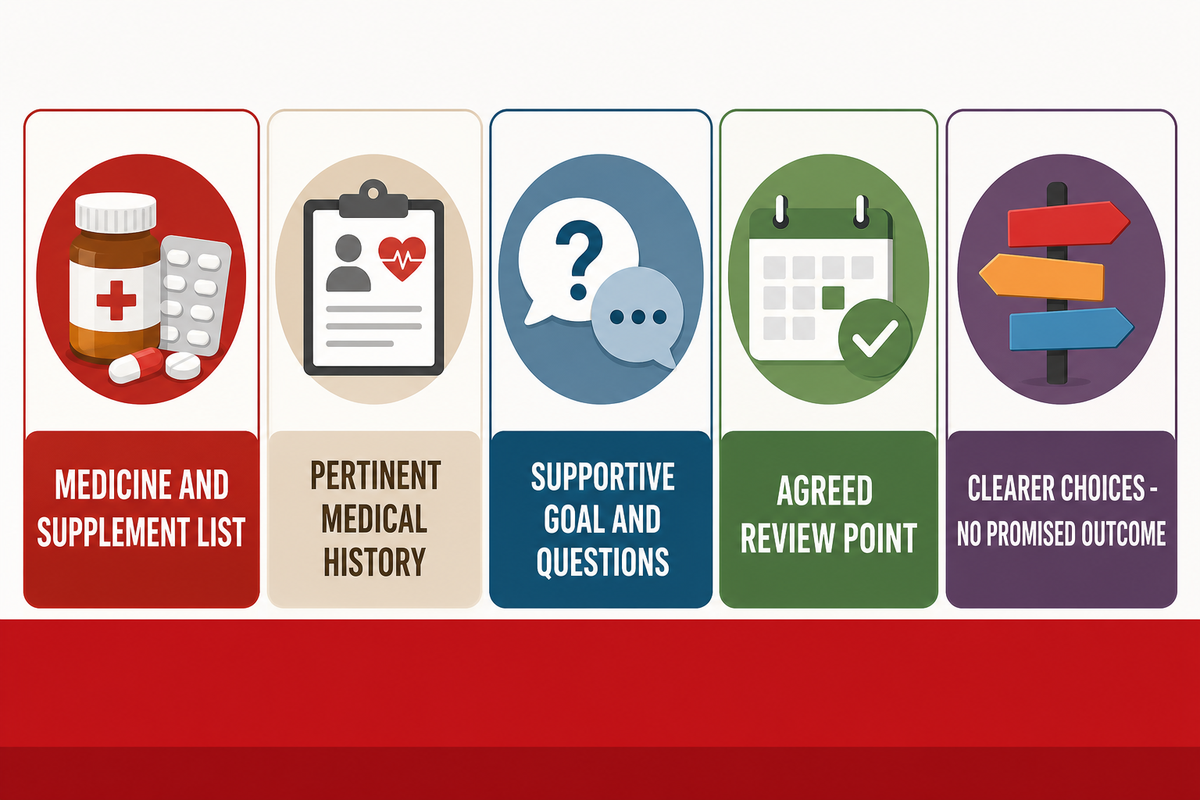
To discuss acupuncture in Dubai, please have your medications, pertinent medical history and the Four-Field Visit Review Card.
![Postpartum TCM Care: Safety Questions for Dubai [Guide]](https://tongrentang.ae/wp-content/uploads/2026/09/postpartum-tcm-care-blog-featured-768x512.png)