Get in Touch with Tongren Tang Gulf

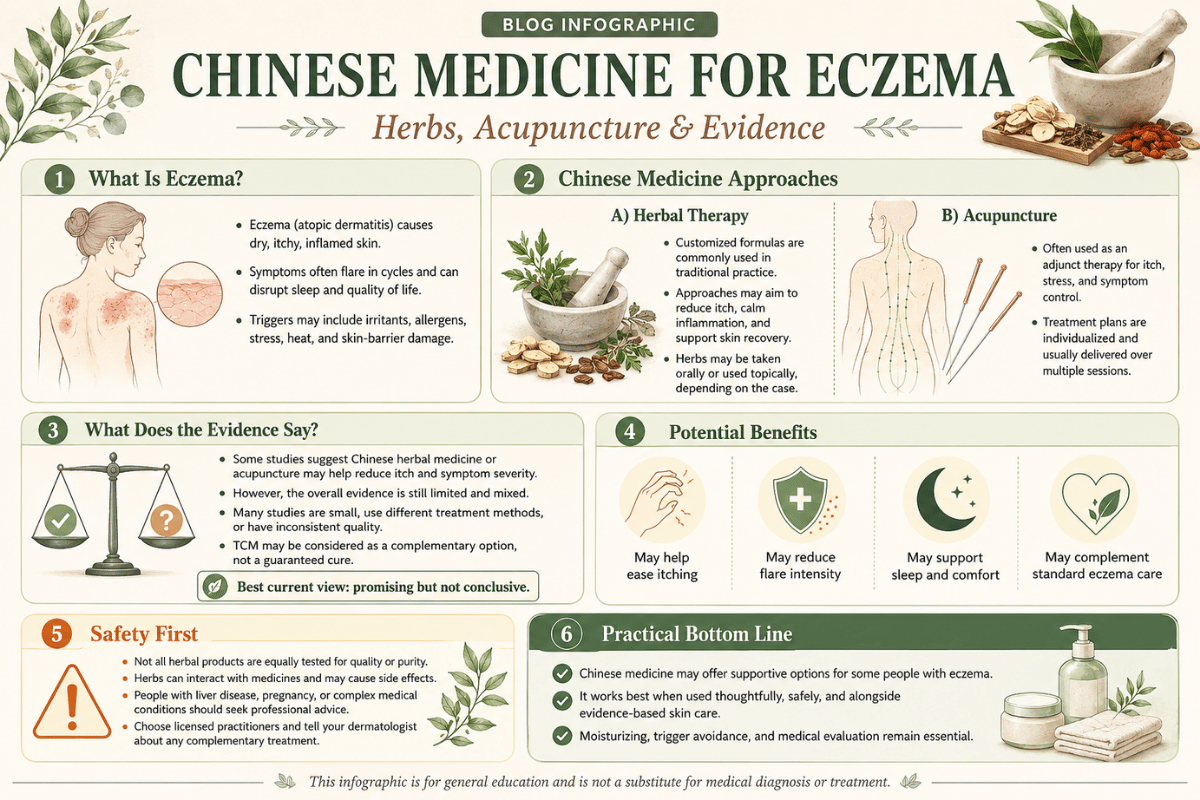
Chinese medicine for eczema has moved from word-of-mouth remedy to a question people bring straight to the clinic: can herbs, acupuncture, and dietary changes actually calm skin that keeps flaring? This guide explains how traditional Chinese medicine reads eczema, which herbs and therapies are used, and, just as importantly, what the published research really shows, including where the evidence is still thin.
At a Glance
| Core idea | TCM treats eczema by pattern (damp-heat, wind-heat, blood-deficiency dryness), not one fixed recipe |
| Most-studied herbs | Huang Qin, Fang Feng, Gan Cao, Mu Dan Pi, Yi Yi Ren |
| Methods | Herbal decoctions/granules, topical washes, acupuncture, moxibustion |
| Evidence | Several RCTs show symptom and sleep improvement; a Cochrane review found the overall evidence inconclusive. Best used alongside dermatology care |
| Best suited to | Chronic, relapsing eczema where flares keep returning despite creams |
Why So Many People With Eczema Look Beyond Creams
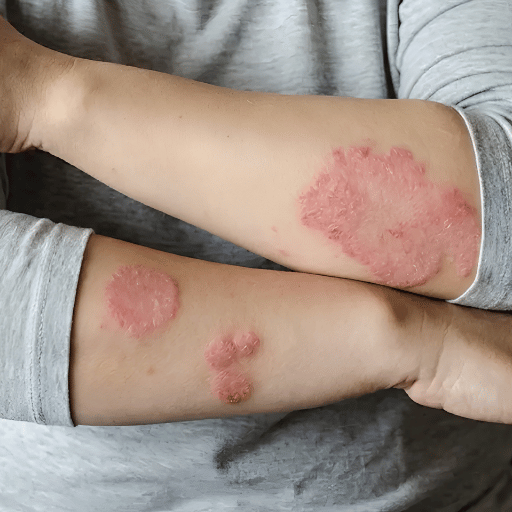
Eczema (atopic dermatitis) affects up to roughly one in five children and around one in ten adults, and for many it’s a relapsing condition rather than a one-time rash. Topical steroids and emollients remain the backbone of care, and they work, but they target the flare on the surface. They don’t change why the skin keep reacting. That gap is exactly where people start asking about Chinese medicine for eczema.
Here’s the logic worth holding onto, because it shapes everything below. A steroid cream treats the branchthe visible inflammation, quickly and effectively. Traditional Chinese medicine aims at the rootthe internal imbalance it believes drives the tendency to flare. Neither view is complete on its own. The practical “Root-and-Branch rule” is simple: control the branch fast so the skin can heal, and work on the root so flares come back less often. Read that way, TCM isn’t a rival to your dermatologist; it’s a different layer of the same problem.
💡 Who tends to try it
In practice, people most often turn to TCM after rounds of topical treatment have not held the flares back, or when eczema sits alongside other allergic conditions such as asthma or food allergy. It is a considered next step, not usually a first one.
How Chinese Medicine Understands Eczema
In traditional Chinese medicine, eczema is rarely described as “a skin disease.” It’s read as the skin showing what’s happening inside. Two organ systems carry most of the explanation: the Lung, which in TCM theory governs the skin and its defensive barrier, and the Spleen, which governs how the body transforms food and fluids. When the Spleen struggles, TCM says “dampness” accumulates; when that dampness combines with “heat,” you get the red, itchy, weeping skin that practitioners label damp-heat.
Why does that framing matter to a reader, not just a practitioner? Because it changes what gets treated. A conventional plan asks “how do we calm this rash?” A TCM plan asks “what internal pattern is producing this rash, and how is it different from the next person’s?” That’s the source of TCM’s customized, multi-herb formulas, the formula is matched to the pattern, not to the word “eczema.” Modern researchers describe a plausible bridge here too: Chinese herbal formulas appear to modulate immune signalling involved in atopic disease, including cytokines such as IL-4 and IL-13, which is why the National Eczema Association frames TCM as an approach that aims to “calm the immune system” rather than only the skin.
“It is fundamental to TCM that we treat the whole body. Organ systems are not independent of one another.”
The Three Main TCM Patterns Behind Eczema
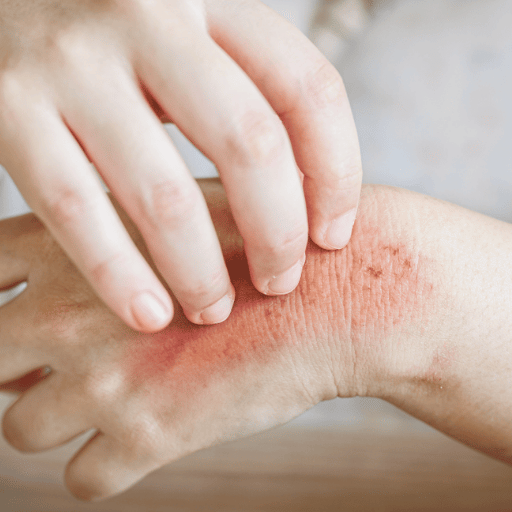
Most eczema presentations map onto one of three patterns, sometimes a blend. This is the single most useful thing to understand, because the pattern decides the herbs. The table below is the decision tool a practitioner is effectively running in their head during a consultation.
| Pattern | How the skin looks | Treatment principle | Representative herbs |
|---|---|---|---|
| Damp-Heat | Red, weeping or blistered, intensely itchy; worse in heat/humidity | Clear heat, drain dampness | Huang Qin, Ku Shen, Yi Yi Ren |
| Wind-Heat | Sudden, spreading, migrating red patches; dryness and strong itch | Dispel wind, clear heat | Jing Jie, Fang Feng, Mu Dan Pi |
| Blood Deficiency & Dryness | Chronic, dry, thickened (lichenified), scaly; dull itch, worse at night | Nourish blood, moisten dryness | Sheng Di Huang, Dang Gui, Bai Shao |
Notice the pairing that run through the wind-heat row. Jing Jie (schizonepeta) and Fang Feng (Saposhnikovia divaricata) are a classic combination used to “dispel wind and stop itch” — the closest TCM has to a dedicated anti-itch duo. So when a flare is acute, spreading, and maddeningly itchy, a practitioner reach for that pattern’s herbs; when it’s old, dry, and cracked, they switch to blood-nourishing herbs instead. Same diagnosis of “eczema,” two opposite formulas.
Chinese Herbs for Eczema, and What the Research Says
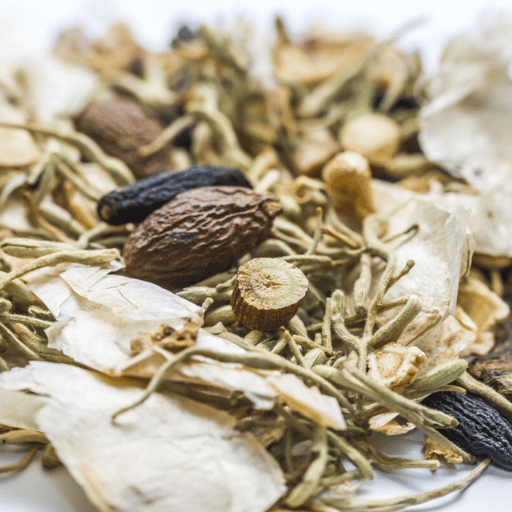
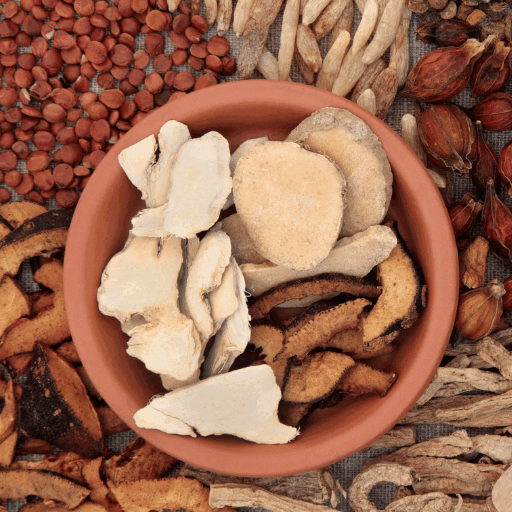
This is where a herbal medicine plan becomes concrete. Below are the herbs most often named in both clinical practice and published studies, with their TCM role and what laboratory or trial research suggests. For a wider primer on how formulas are built and dispensed, our guide to Chinese herbal medicine covers raw decoctions versus granules in detail.
| Herb (Pinyin) | Botanical source | TCM role | What research suggests |
|---|---|---|---|
| Huang Qin | Scutellaria baicalensis (Chinese skullcap) | Clears heat, dries damp | Antioxidant/anti-inflammatory compounds studied for inflammatory skin conditions |
| Fang Feng | Saposhnikovia divaricata | Dispels wind, relieves itch | Anti-inflammatory and analgesic activity; used topically |
| Gan Cao | Glycyrrhiza (licorice root) | Harmonizes, clears heat, soothes | Anti-inflammatory and immunoregulatory compounds |
| Mu Dan Pi | Moutan cortex (tree peony) | Cools blood, clears heat | Compounds shown to lower markers of inflammation |
| Yi Yi Ren | Coix seed (Job’s tears) | Drains dampness, supports Spleen | Immune-regulating; studied for reducing inflammation |
| Ku Shen / Bai Xian Pi | Sophora flavescens / Dictamnus | Clear damp-heat, stop itch | Common in topical anti-itch washes |
What Chinese Medicine Is Good for Eczema?
If you only remember one named formula, make it PentaHerbsa standardized five-herb combination (built around herbs like Cortex Moutan and Cortex Phellodendri) that has been studied specifically in children with atopic eczema. Laboratory work published in the Journal of Ethnopharmacology showed PentaHerbs suppresses the release of inflammatory mediators from mast cells, the immune cells that drive allergic itch. In clinical trials reviewed in the peer-reviewed literature, it was associated with improved quality of life and reduced need for topical steroids. That combination, a plausible mechanism plus a real-world outcome, is what makes it the most quoted answer to “which Chinese medicine is good for eczema.” Other named decoctions, such as Qinzhuliangxue (QZLXD), have been tested in randomized trials of 100-plus patients with results pointing the same direction.
📋 Practitioner Note
No single herb is “the eczema herb.” Damp-heat skin and dry, blood-deficient skin can call for nearly opposite prescriptions. Self-prescribing from an online herb list is the most common mistake, and because some imported herbal products have been found to contain heavy metals or contaminants, sourcing and a trained eye matter as much as the formula itself.
Acupuncture, Moxibustion and Cupping for Eczema
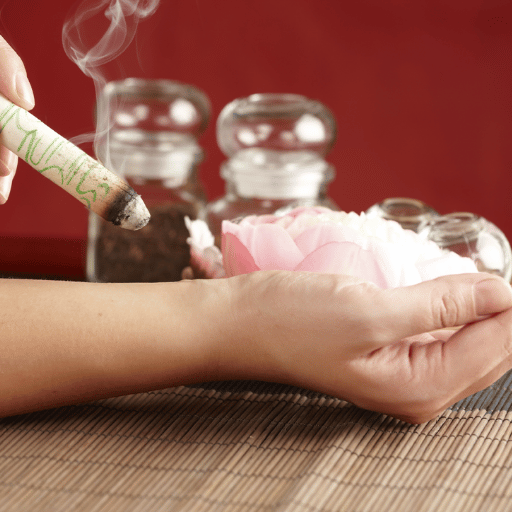
Herbs get most of the attention, but TCM also treats eczema through the body’s surface. Acupuncture is the most studied of these for one specific job: reducing itch. Itch isn’t a minor symptom, it drives the scratch that breaks the skin and restarts the whole flare. Trials of acupuncture and electroacupuncture for atopic eczema have focused on this antipruritic effect, and a frequently used point, LI11 (Quchi) at the elbow, has been tested for itch reduction. A 2023 trial reported in Frontiers in Medicine set out to objectively measure electroacupuncture’s effect on eczema itching, part of a growing effort to hold the technique to a high evidentiary standard. If you want the broader picture of where acupuncture’s evidence is strong and where it’s weaker, our overview of whether acupuncture works is a useful companion read.
Two warming and suction therapies round out the toolkit. Moxibustionwarming acupoints with smouldering mugwort, is generally reserved for patterns with cold and dampness rather than active red, hot, weeping skin, where added heat would be the wrong move. Cupping is used more for the wider picture (circulation, stress, a stiff damp constitution) than placed on broken eczematous skin directly. As a practical takeaway, these therapies support a herbal plan; they rarely replace it.
Does Chinese Medicine Actually Work for Eczema?
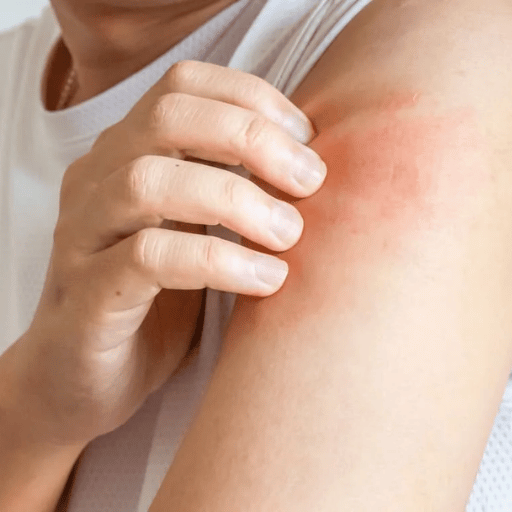
Here’s the honest answer, because you deserve it before spending money or hope. The evidence is genuinely mixed, and the most rigorous reviews are cautious.
✔ What looks promising
- A 2022 analysis in Frontiers in Pharmacology of eight higher-quality randomized trials (662 participants) found Chinese herbal medicine improved lesion size and severity and sleep quality.
- Randomized trials of specific decoctions (e.g., QZLXD, ~176 patients) reported symptom relief and fewer relapses.
- Treatments were generally reported as well tolerated.
⚠ Where the evidence is weak
- A Cochrane review concluded it “couldn’t find conclusive evidence” that Chinese herbal medicine reduces eczema severity.
- A systematic review found significant symptom improvement, but flagged that poor study quality limited firm conclusions.
- Formulas vary trial to trial, making results hard to compare.
There’s one result worth sitting with, because it teaches caution. Zemaphyte, an early standardized oral formula, looked promising in 1990s double-blind crossover trials, yet a later trial found skin improved in both the active and placebo groups over the study period. That doesn’t prove TCM is useless; it shows how powerful attention, structure, and time can be in a relapsing condition, and why a single positive study is never the whole story. A fair reading is this: Chinese medicine for eczema is plausible and sometimes clearly helpful in practice, but by the strictest research standards it remains unproven as a stand-alone treatment. Use it as a complement to dermatology care, with eyes open, not as a replacement.
How TCM Approaches Different Types of Eczema
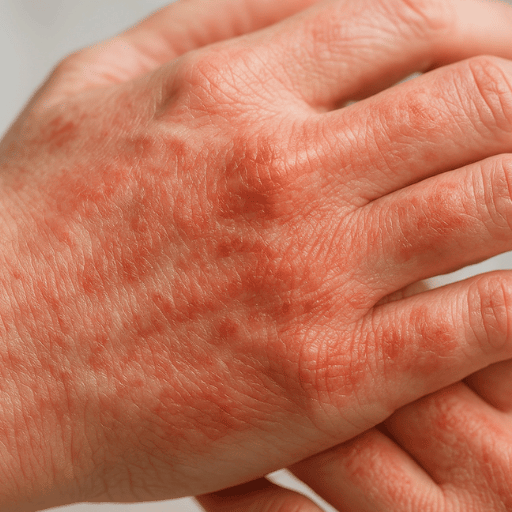
Because TCM treats the pattern rather than the label, different “types” of eczema simply lean toward different patterns. This mapping help you anticipate which direction a practitioner is likely to take.
| Eczema type | Typical TCM emphasis |
|---|---|
| Dyshidrotic / weeping (pompholyx) | Damp-heat — drain dampness, clear heat |
| Chronic atopic (dry, thickened) | Blood deficiency & dryness — nourish blood, moisten |
| Contact dermatitis (acute, red) | Wind-heat / damp-heat — dispel wind, clear heat |
| Hand eczema | Often mixed damp-heat with underlying dryness |
Diet and Daily Habits TCM Recommends for Eczema
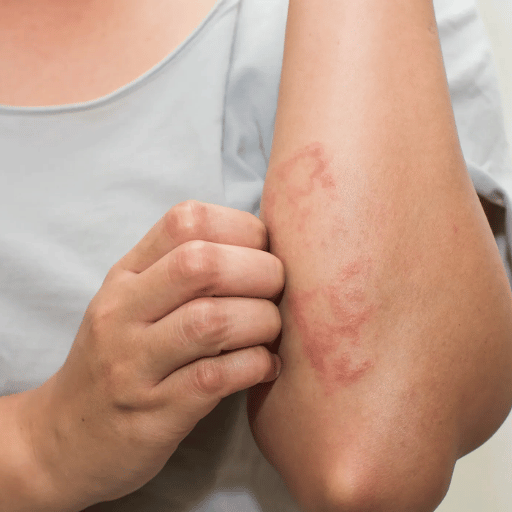
Diet is where TCM theory and a reader’s daily life meet, but it’s also where claims should be kept modest. In TCM dietary thinking, eczema linked to damp-heat is aggravated by “damp-forming” foods, so practitioners commonly suggest easing back on them and favouring foods said to drain dampness and clear heat.
Commonly eased back on
- Dairy (apart from plain yogurt)
- Sugar and sweet desserts
- Refined wheat and white flour
- Fried, greasy and very rich food
- Alcohol
Commonly favoured
- Coix seed (Yi Yi Ren / Job’s tears)
- Mung beans and aduki beans
- Cooked leafy greens
- Pear (to moisten dryness)
- Warm, cooked meals over cold-raw ones
A grounded caveat keep this useful rather than dogmatic: mainstream dermatology, including guidance from the American Academy of Dermatology, doesn’t endorse a single “eczema diet,” and elimination diets carry real nutritional risks, especially in children. So treat TCM food guidance as a gentle, personalized experiment, track what genuinely correlates with your flares, rather than a rigid list. The non-negotiables remain the same on both sides of the aisle: moisturize consistently and learn your own triggers. That’s the question behind “what clears up eczema naturally” — usually fewer triggers and a stronger barrier, not a miracle food.
The Mind, Skin Connection: Stress, Emotions and Eczema
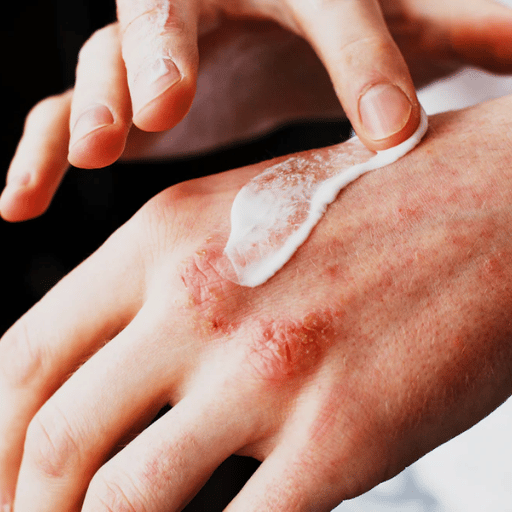
Almost everyone with eczema notices it: stressful weeks bring worse skin. That link is real and physical, not imagined. Research in psychoneuroimmunology shows psychological stress impairs the skin barrier and that the neuropeptide substance P can directly trigger itch, and itch invites scratching, which traumatizes the skin and start the next flare. A review in the peer-reviewed literature lays out this stress, barrier–itch loop in detail, and the National Eczema Association notes the relationship run both ways: the condition fuels anxiety, and anxiety fuels the condition.
TCM arrived at a parallel idea centuries earlier through different language. It connects the skin to the Lung, heat and agitation to the Heart, and the effect of stress and frustration to the Liver, which is why a TCM eczema plan so often includes calming the nervous system, not just the skin. Acupuncture’s documented relaxation effect is one route in; if stress is a clear flare trigger for you, our piece on acupuncture for anxiety and stress explains that side of the work. Whatever the framework, the action is the same: managing stress is eczema treatment, not a luxury.
⚠️ The stress-flare loop in real life
Consider a graduate student whose hands stayed clear all summer, then cracked and wept during three weeks of final exams. Nothing in her skincare changed — her stress did. Late nights raised cortisol, anxiety drove unconscious scratching, and the barrier broke down faster than her cream could repair it. Once exams ended and she added a short daily wind-down routine, the cycle eased. The lesson lands harder than any herb: for many people, the most powerful “ingredient” is calming the nervous system.
What to Expect From a TCM Eczema Consultation
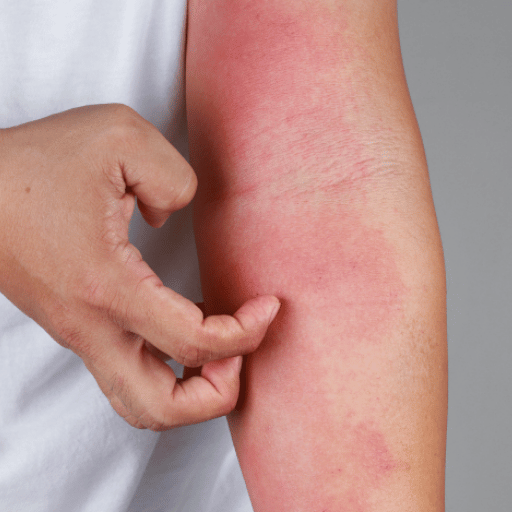
A first consultation look different from a dermatology visit. A practitioner will ask about your skin, but also about sleep, digestion, stress, temperature preferences, and menstrual cycle, and will look at your tongue and feel your pulse, all to identify your pattern. From that, you typically leave with a customized herbal formula (raw herbs to decoct, or granules), often a topical wash, and sometimes acupuncture sessions.
Set your expectations on timeline honestly, because this is where people are most often disappointed. Topical herbal washes can settle surface itch within days for some, one member of an eczema community described visible improvement from herbal tablets and a cream within three to four days. But shifting the underlying tendency to flare is measured in weeks to months, with the formula adjusted as your skin and symptoms change. One long-term patient on a public forum described working with a practitioner for around two and a half years. TCM rewards consistency, not impatience.
When to see a doctor first (red flags)
- Signs of skin infection: spreading redness, yellow crusting, pus, or fever
- Painful, clustered blisters that spread quickly (possible eczema herpeticum, a medical emergency)
- A flare covering large areas of the body, or rapidly worsening skin
- You’re pregnant, breastfeeding, or giving herbs to a young child, get professional guidance first
- You take prescription medication, herbs can interact, so tell both your doctor and your TCM practitioner
Two safety points deserve emphasis. First, use a qualified, licensed practitioner and a reputable dispensary, the U.S. National Center for Complementary and Integrative Health has documented heavy-metal and contaminant problems in some unregulated herbal products. Second, keep TCM and conventional care talking to each other rather than choosing one and hiding it from the other. People who explore a root-cause approach for one condition often apply the same logic elsewhere; our look at a natural, pattern-based approach to PCOS follows the same whole-body reasoning.
Treating eczema at the root, in Dubai
At Tong Ren Tang’s TCM clinic in Dubai Healthcare City, DHA-licensed physicians build a pattern-based plan from authentic, quality-checked herbs, and coordinate with your existing dermatology care rather than replacing it.
Book a Consultation →Prefer to start small? Message the clinic on WhatsApp with a photo and question, or read our Chinese herbal medicine guide first.
Outlook: Eczema and the Rise of Integrative Dermatology
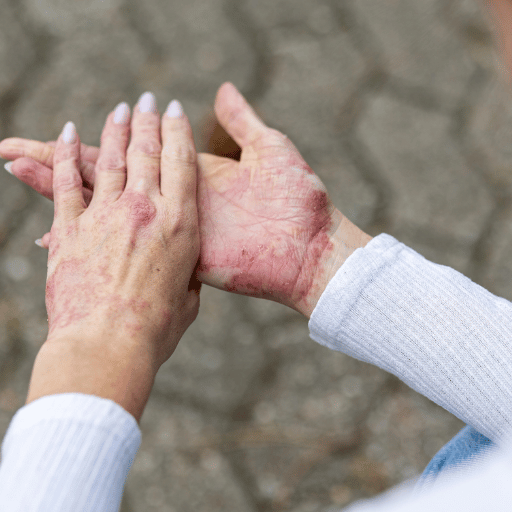
The direction of travel is clear. Where TCM eczema research once leaned on small, hard-to-compare trials, the past few years have brought more rigorous work, the 2022 Frontiers in Pharmacology analysis deliberately restricted itself to eight higher-quality randomized trials, and 2023 saw trials built to measure acupuncture’s effect on itch with objective tools. Standardized formulas such as PentaHerbs point the same way: toward something a researcher can actually reproduce.
For a reader planning their own care over the next year, the practical move is to ride that trend rather than wait for it. Ask for an integrative plan, one where a dermatologist manages flares and infection risk while a TCM practitioner works on patterns, stress, and relapse prevention, each aware of what the other is doing. That coordinated model, not herbs alone or steroids alone, is where the most credible future for eczema care is heading.
Frequently Asked Questions
Is Chinese medicine safe to use alongside steroid creams for eczema?
View Answer
In most cases yes, and pairing them is often the sensible approach rather than the exception. Topical steroids bring an active flare under control quickly, while a herbal formula works on the underlying pattern that keeps the eczema returning. One rule matters above all: transparency. Tell both your dermatologist and your TCM practitioner about every product, herb, and medication you use, because some herbs can interact with prescription drugs or change how they are absorbed. Never stop a prescribed treatment on your own — taper it only with medical guidance.
How long before Chinese medicine helps eczema?
View Answer
It varies. Topical herbal washes may calm surface itch within a few days, but shifting the deeper tendency to flare usually takes weeks to months of consistent, adjusted treatment.
Can children use Chinese herbal medicine for eczema?
View Answer
Some formulas, including the standardized PentaHerbs combination, have specifically been studied in children with atopic eczema. That said, children need lower doses and careful supervision, and quality and sourcing matter even more. Only use pediatric TCM under a qualified practitioner, and keep your pediatrician in the loop.
What organ is connected to eczema in Chinese medicine?
View Answer
Mainly the Lung, which TCM links to the skin and its protective barrier, and the Spleen, which handles fluids and dampness. Stress (Liver) and heat (Heart) often play a part too.
Are herbal creams better than oral herbs for eczema?
View Answer
They do different jobs. Topical washes and creams target surface itch and inflammation quickly; oral formulas aim at the internal pattern believed to drive recurring flares. Most TCM eczema plans use both together, matched to whether your skin is hot and weeping or dry and thickened.
Can acupuncture stop eczema itching?
View Answer
Itch reduction is the most studied use of acupuncture in eczema. Trials have tested specific points such as LI11 (Quchi) at the elbow, along with electroacupuncture techniques, and the short-term results for calming itch are encouraging. It is not a cure on its own, and the effect can fade between sessions, so it works best layered into a fuller plan that also addresses the pattern, diet, and stress behind your flares.
About This Guide
This article was prepared for Tong Ren Tang’s Dubai clinic and reviewed by our DHA-licensed TCM physicians. We’ve tried to present Chinese medicine for eczema fairly, including the Cochrane review’s caution that the overall evidence isn’t yet conclusive, because we think an honest picture serves patients better than a sales pitch. TCM is offered here as a complement to, not a replacement for, dermatology care.
Medical disclaimer
This content is for general education only and isn’t medical advice, diagnosis, or treatment. Eczema varies from person to person. Always consult a qualified healthcare professional before starting herbal medicine, acupuncture, or changing any prescribed treatment, especially during pregnancy, while breastfeeding, or for young children.
References & Sources
- Traditional Chinese Medicine and Eczema: An Interview with Xiu-Min Li, M.D. — National Eczema Association
- Chinese Herbal Medicine Research in Eczema Treatment (Hon et al., 2011) — PubMed Central, U.S. National Institutes of Health
- Chinese Herbal Medicine for Atopic Eczema (Cochrane Systematic Review) — PubMed, U.S. National Library of Medicine
- Efficacy and Safety of Chinese Herbal Medicine for Atopic Dermatitis (2022) — Frontiers in Pharmacology
- Electroacupuncture for Relieving Itching in Atopic Eczema (2023) — Frontiers in Medicine
- Psychoneuroimmunology of Psychological Stress and Atopic Dermatitis — PubMed Central, U.S. National Institutes of Health
- Traditional Chinese Medicine: What You Need To Know — U.S. National Center for Complementary and Integrative Health
- Home Remedies for Itchy Eczema — American Academy of Dermatology
Related Articles
- Chinese Herbal Medicine: Principles, Herbs and Evidencehow formulas are built and dispensed
- Does Acupuncture Work? What the Evidence Shows
- What Is Moxibustion and How Is It Used?
- Acupuncture for Anxiety and Stressmanaging a key eczema trigger
- A Natural, Pattern-Based Approach to PCOS
Reviewed by the Tong Ren Tang TCM clinic team (DHA-licensed physicians), Dubai Healthcare City.
![Postpartum TCM Care: Safety Questions for Dubai [Guide]](https://tongrentang.ae/wp-content/uploads/2026/09/postpartum-tcm-care-blog-featured-768x512.png)