Get in Touch with Tongren Tang Gulf
TCM Treatment for Diabetes: Supportive Care, Diet and Safety Limits

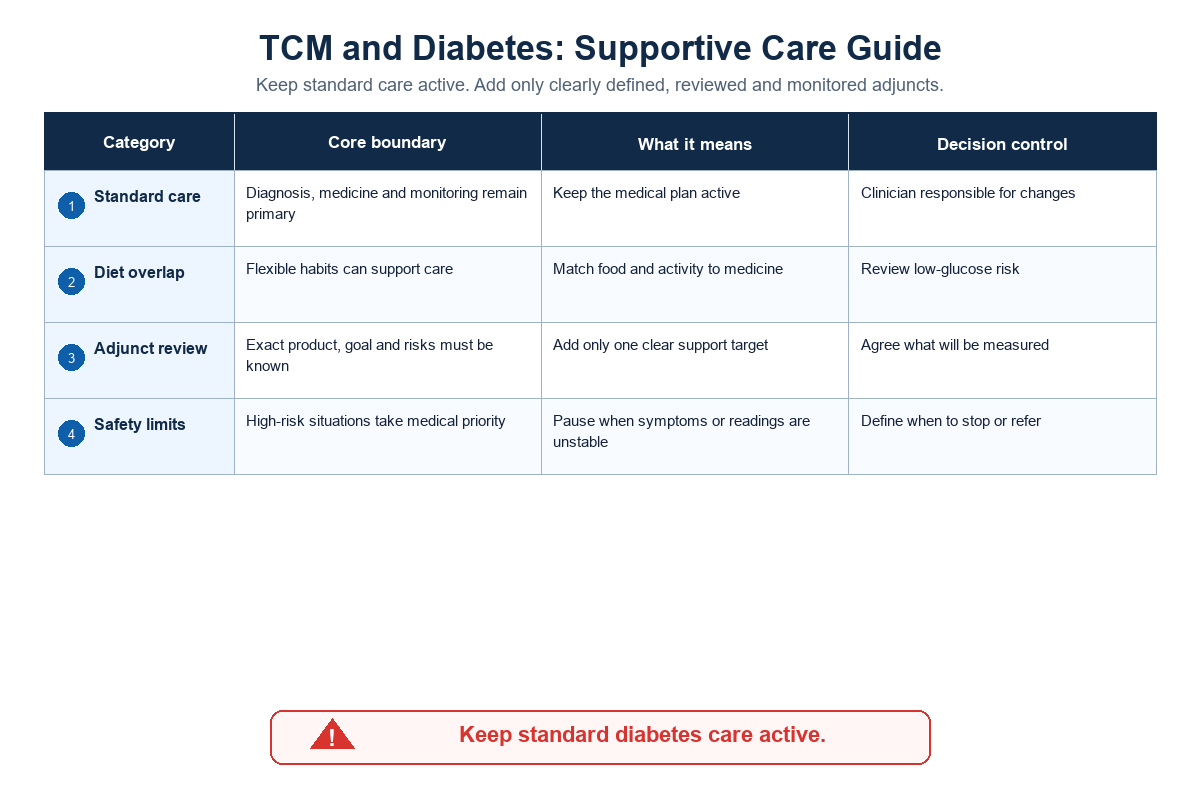
Evidence-aware diabetes support guide
TCM treatment for diabetes refers to traditional Chinese medicine used as supportive care alongside standard diabetes management; it isn’t a cure and it can’t replace insulin, prescribed medicine, glucose monitoring or screening for complications. The safest approach starts with a defined goal, a full medication-and-supplement review, and a plan for measuring what changes.
This guide explains what current research can, and can’t, show about traditional Chinese medicine, diet, Chinese herbal medicine and acupuncture. Practical limits are included for type 1 diabetes, pregnancy, kidney or liver disease, and medicines that can cause low blood sugar.
Safety first: Don’t stop or reduce insulin, metformin or any other prescribed medicine because you’re considering TCM. Sudden or severe symptoms, repeated low-glucose episodes, vomiting, dehydration, confusion, rapid breathing, a new foot wound or signs of infection need prompt medical assessment.
Reviewed by the Beijing Tong Ren Tang clinical content team. This article is general education and not an individual diagnosis or prescription.
Start with the diabetes care that cannot be replaced
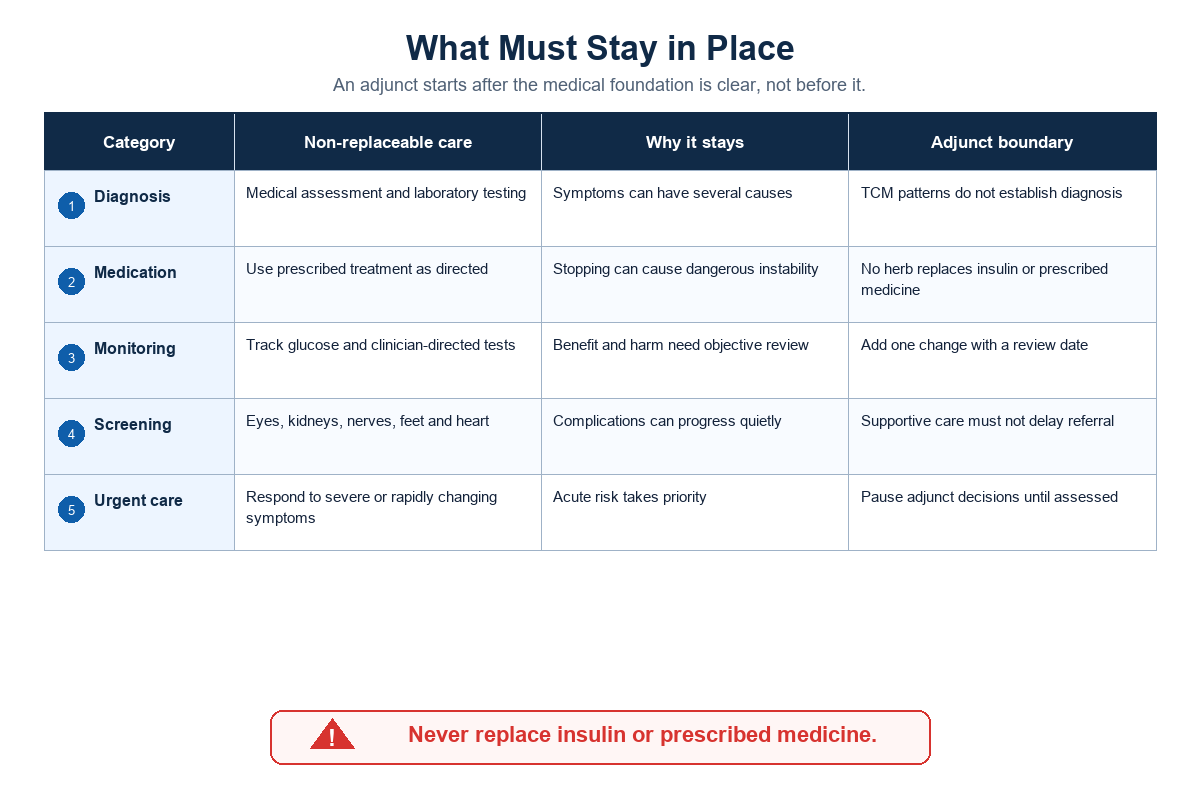
Diabetes care begins with an accurate diagnosis, an appropriate eating pattern, physical activity, medicines when needed, glucose monitoring and checks for complications. TCM can sit beside that plan only when it doesn’t delay, weaken or contradict the treatment already keeping glucose and health risks under control.
According to the World Health Organization diabetes fact sheet, diabetes can be treated and its consequences delayed or prevented through diet, physical activity, medication, and regular screening and treatment for complications. That’s the baseline against which any adjunct should be judged.
Type 1 diabetes has a hard boundary: the body doesn’t produce enough insulin, so insulin is essential. No herb, acupuncture protocol, diet or TCM pattern diagnosis replaces it. Type 2 diabetes may involve insulin resistance and declining insulin production, but the same principle applies: an adjunct doesn’t cancel the need for medicines or monitoring when they’re prescribed.
The practical question is therefore not “East or West?” It’s: What specific problem are we trying to support without making the diabetes plan less safe? Possible goals might include making meals more regular, supporting sleep, addressing stress, or discussing a symptom with a practitioner. “Lower my blood sugar naturally” is too vague to guide a safe decision.
Medical terminology can blur this discussion. Type 2 diabetes mellitus is the clinical name for the condition, while “TCM,” “Chinese medicine” and “traditional Chinese medicine” describe a system of care rather than one product. Western medicine is sometimes used as a contrast, but coordinated care is more useful than treating the two systems as rivals. Treatment still depends on diagnosis, risk, current blood glucose and the person’s medicine plan.
Use the 4-Layer Diabetes Support Boundary
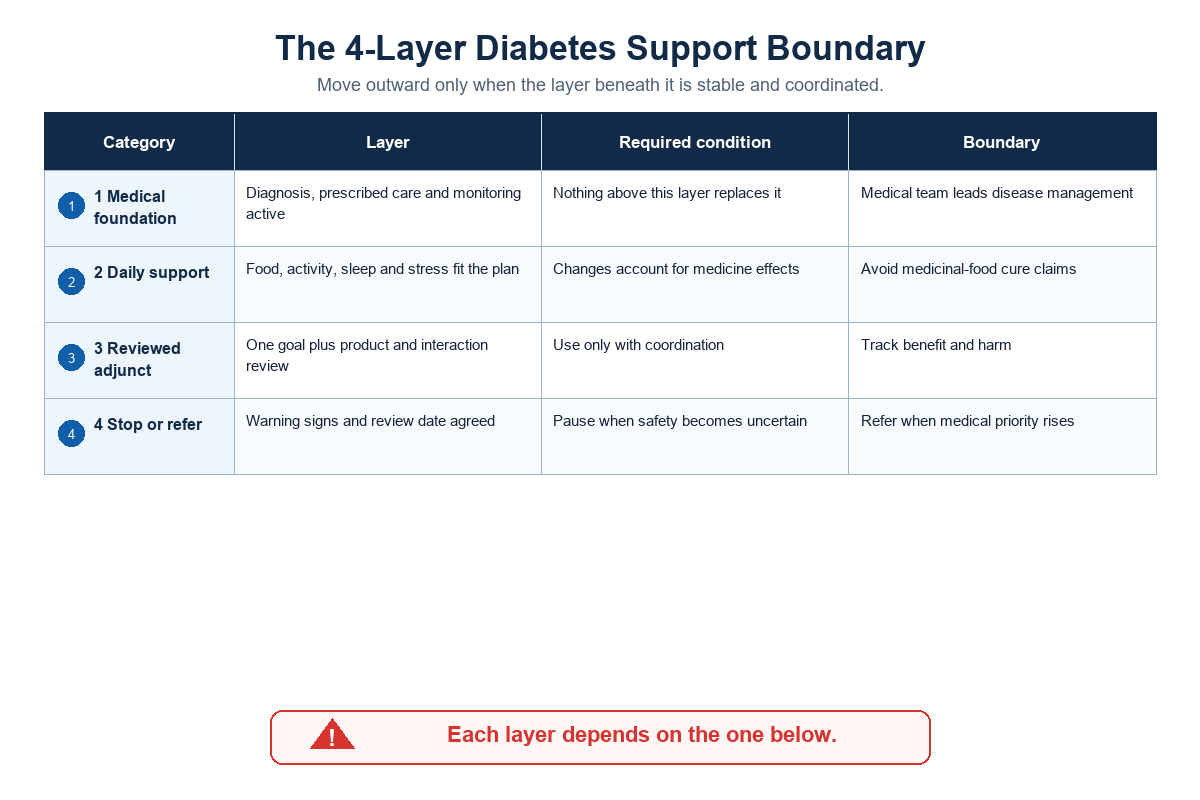
Our 4-Layer Diabetes Support Boundary separates non-negotiable care from optional support. Patients, diabetes clinicians and TCM practitioners can use it to see who owns each decision and what should trigger a pause, while keeping the WHO diabetes-care baseline intact.
| Support type | What belongs here | Decision rule |
|---|---|---|
| 1. Standard treatment | Diagnosis, prescribed medicine, glucose checks, laboratory follow-up and complication screening | TCM must not replace or delay it |
| 2. Measurable lifestyle support | Meals, movement, sleep, stress and treatment adherence | Choose one observable goal and review it |
| 3. Optional TCM adjunct | Individualized herbal discussion, acupuncture or other non-drug support | Start only after ingredient, interaction and practitioner review |
| 4. Escalation | Unsafe readings, adverse effects, new complications or diagnostic uncertainty | Stop the adjunct and seek medical advice |
This boundary also prevents a common coordination failure. If a patient changes diet, starts an herb and increases activity in the same week, a glucose change or adverse effect is difficult to interpret. One approved change at a time, with agreed monitoring, makes the result easier to understand.
What does the evidence say about TCM and type 2 diabetes?
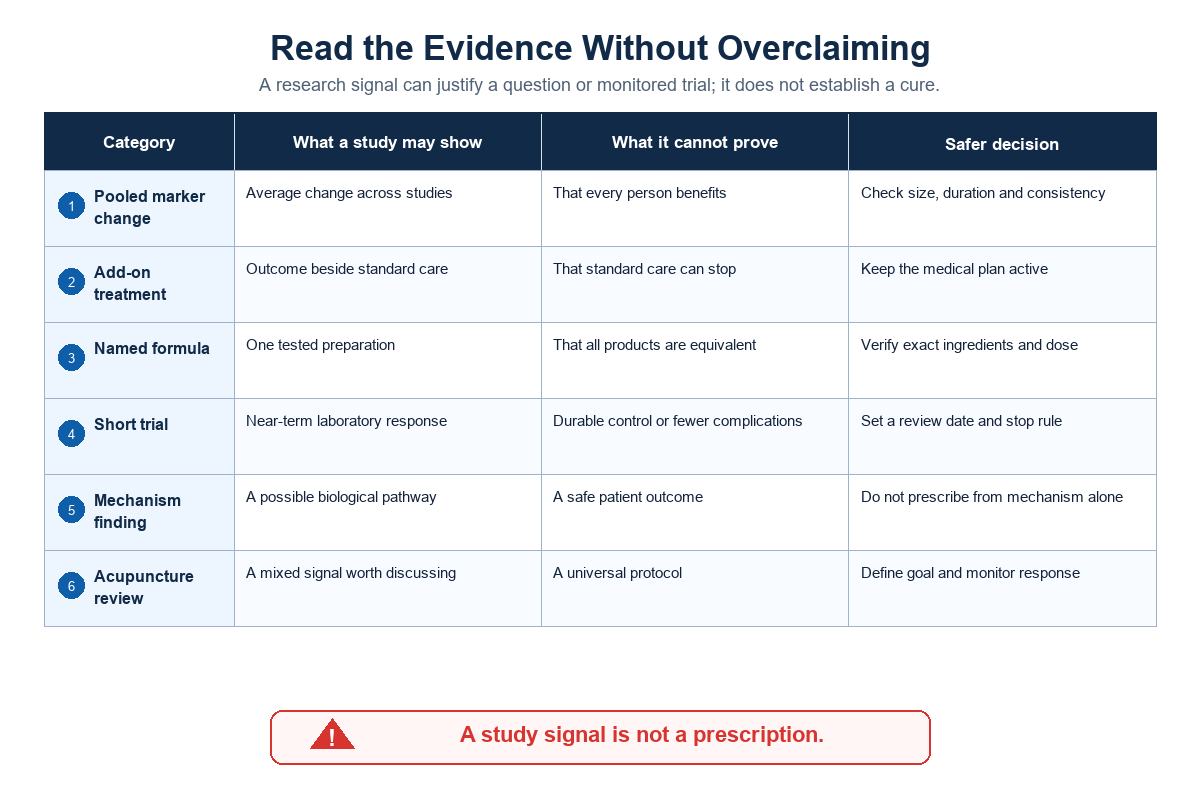
Current evidence suggests that some TCM interventions may influence glucose-related measurements when added to standard care. No reviewed source identifies one treatment that reliably works for every person or shows that TCM cures type 2 diabetes.
A 2025 systematic review and meta-analysis, also available as PMC full text, included 58 randomized trials with 7,318 participants. The pooled analysis reported mean differences of −0.53 mmol/L for fasting glucose, −0.40 percentage points for HbA1c and −0.90 for HOMA-IR. These figures describe group averages across the included studies; they aren’t a promise of what one patient will experience.
Limitations matter as much as the numbers. Formulas, doses, treatment durations, participants and comparison groups varied. Study quality wasn’t uniform. Pooled results can signal an area worth studying while still being too uncertain to select a formula, predict a response or support stopping a medicine.
How to read a pooled result: “The average changed” isn’t the same as “this treatment will work for me.” A useful interpretation asks whether the intervention was standardized, whether the result lasted, whether adverse events were well reported, and whether outcomes beyond a laboratory marker improved.
Acupuncture research illustrates this distinction. One systematic review indexed in PubMed found a small fasting-glucose signal, but the effect on HbA1c was uncertain and the studies didn’t report whether acupuncture reduced diabetic complications. Short-term surrogate measurements aren’t the same as durable glucose control or fewer kidney, eye, nerve or cardiovascular complications.
An evidence-led conclusion stays measured: selected adjuncts may be discussed, especially for a defined supportive goal, but the plan still needs standard treatment, measurable outcomes and a clear stop rule.
Researchers may measure fasting blood glucose, HbA1c, insulin resistance or insulin sensitivity. Each answers a different question. One blood glucose level is a moment in time; HbA1c reflects a longer period; HOMA-IR is a research measure rather than a home-monitoring target. Good reporting keeps these outcomes separate instead of using any one improvement to say an intervention can treat diabetes broadly.
Diet and daily habits: where TCM and standard care overlap
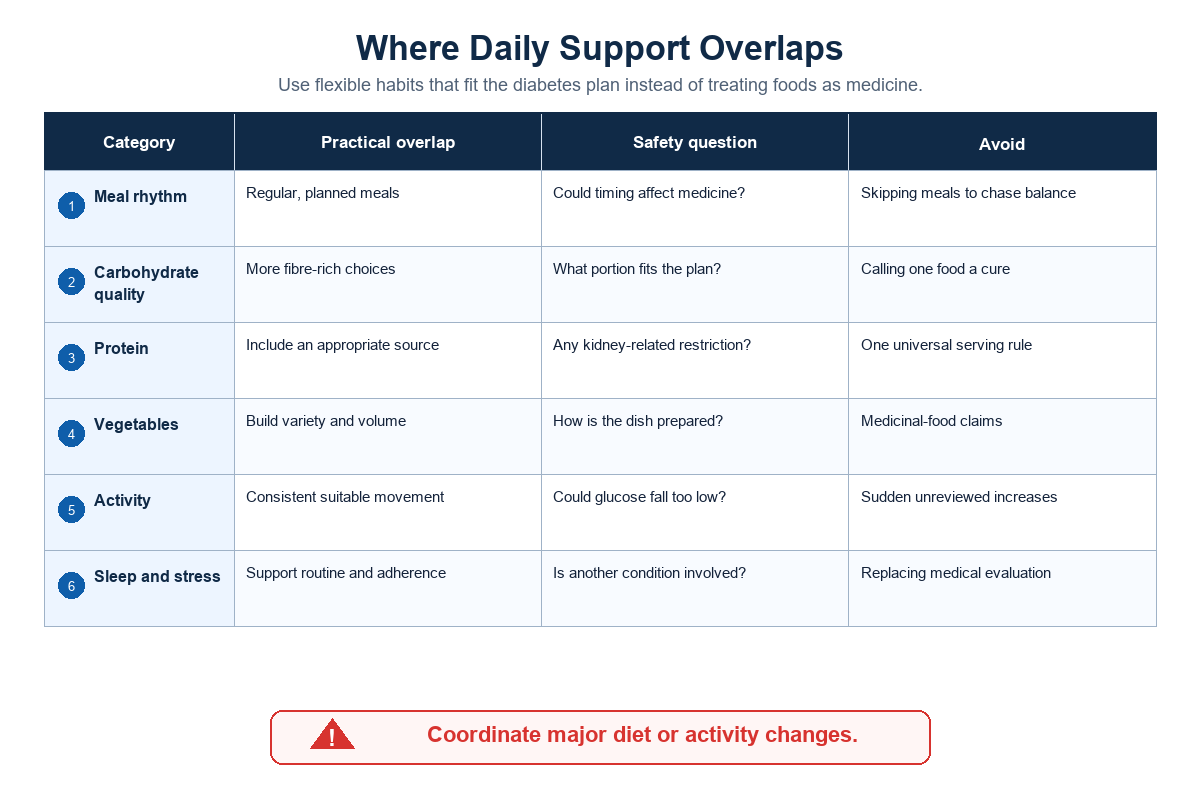
A safe TCM diabetes diet isn’t a universal menu of “hot,” “cold” or medicinal foods. The useful overlap with standard diabetes care is a repeatable eating pattern: regular meals, appropriate portions, fibre-rich foods, enough protein and fewer refined carbohydrates or sugary drinks.
Regularity matters because glucose-lowering medicine, meal timing and activity interact. Someone using insulin or a sulfonylurea may need closer monitoring when meal size, carbohydrate intake or exercise changes. Metformin carries a different risk profile. This is why a diet change should be connected to the medication plan rather than treated as a separate wellness experiment.
A practical plate check
- Choose vegetables and other fibre-rich foods that fit your culture and medical needs.
- Include a suitable protein source and discuss portions with a dietitian when kidney disease is present.
- Prefer less-refined carbohydrate sources and watch the portion, not only the ingredient name.
- Treat sweetened drinks, “detox” beverages and concentrated herbal teas as products that still need review.
Physical activity is another area of overlap. WHO recommends working toward at least 150 minutes of moderate-intensity activity per week for adults, where medically appropriate. That’s a population benchmark, not an instruction to jump straight into a new routine. Foot problems, cardiovascular disease, neuropathy, recurrent hypoglycaemia and long periods of inactivity may change how activity should begin.
No tea, spice, berry or soup replaces diabetes treatment. Food can support a plan; it shouldn’t be marketed as a medicine with a guaranteed glucose effect.
Chinese herbal medicine: a research signal is not a prescription
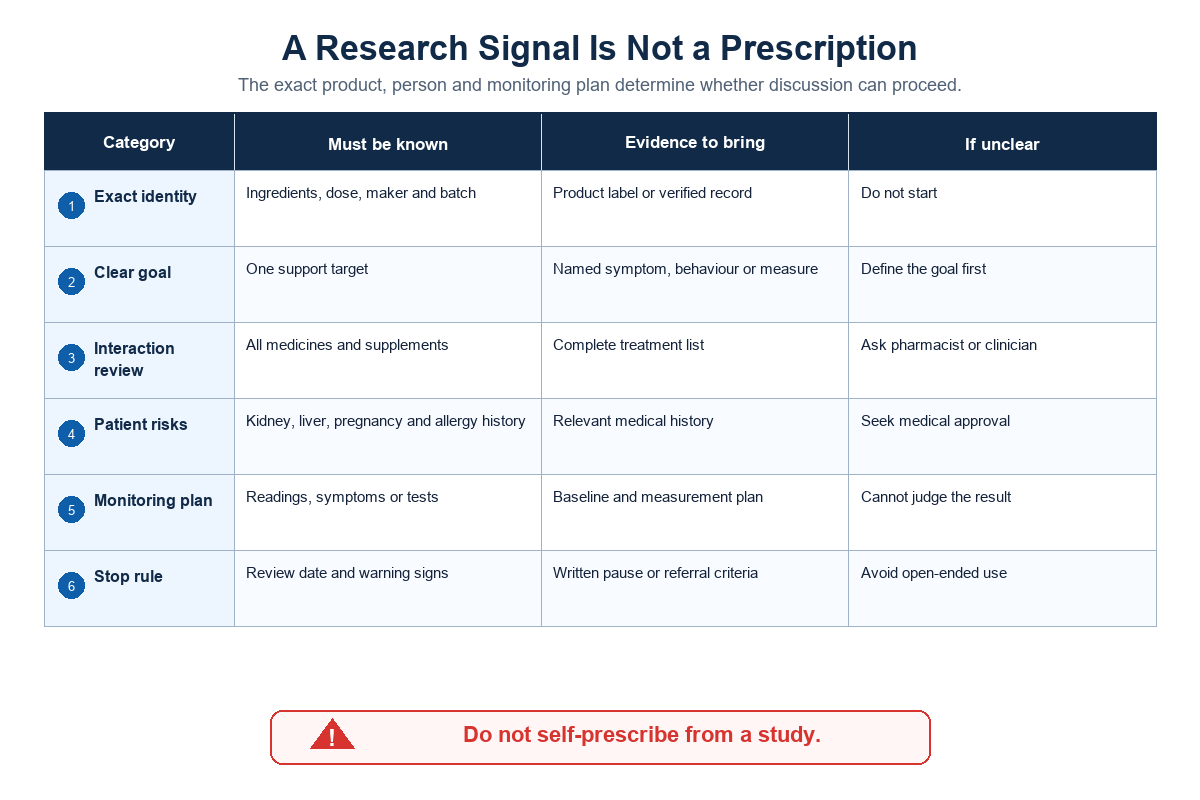
There’s no single “TCM formula for diabetes” that can be safely recommended online. Traditional prescriptions may be individualized, but individualization doesn’t remove the need to know every ingredient, dose, product source, medicine interaction and health condition that changes risk.
The US National Center for Complementary and Integrative Health says that evidence is insufficient to draw reliable conclusions about most supplements used for diabetes. Its review notes limited or weak signals for ingredients such as chromium, cinnamon and berberine, while also pointing to small studies, inconsistent results and safety concerns.
Berberine is a useful safety example, not a recommendation. NCCIH notes possible medicine interactions and gastrointestinal adverse effects. Use during pregnancy or breastfeeding, or in infants, is unsafe. Labels that say “natural” don’t show that a product is appropriate with insulin, metformin, sulfonylureas, anticoagulants or other medicines.
Product identity is part of clinical safety
Product names and front labels aren’t enough to establish contents, quality or interaction safety. NCCIH’s diabetes supplement guidance advises people to discuss dietary supplements with their health care providers and not to replace proven treatment. Exact product, manufacturer and batch details matter, especially when a person is already taking glucose-lowering medicine.
Kidney and liver status also change the threshold for caution. Diabetes itself can affect the kidneys, and supplements may add organ-specific risk or complicate laboratory interpretation. People with chronic kidney disease, liver disease, swelling, jaundice, dark urine or an unexplained change in kidney or liver tests shouldn’t self-start an herbal formula.
The phrase Chinese patent medicine can also be misunderstood. Here it refers to a prepared, standardized product category, not to proof supplied by a Chinese patent or to a medicine proven suitable for all diabetes patients. Product registration, a patent and clinical evidence answer different questions. None of them, by itself, tells a person whether the product is safe with their current treatment of type 2 diabetes.
Bring these to a TCM consultation:
- All prescription medicines, over-the-counter products and supplements
- Recent glucose patterns and any low-glucose episodes
- Known kidney, liver, heart, eye, nerve or foot problems
- Pregnancy, breastfeeding, planned surgery or recent illness
How to monitor an approved adjunct without confusing the result
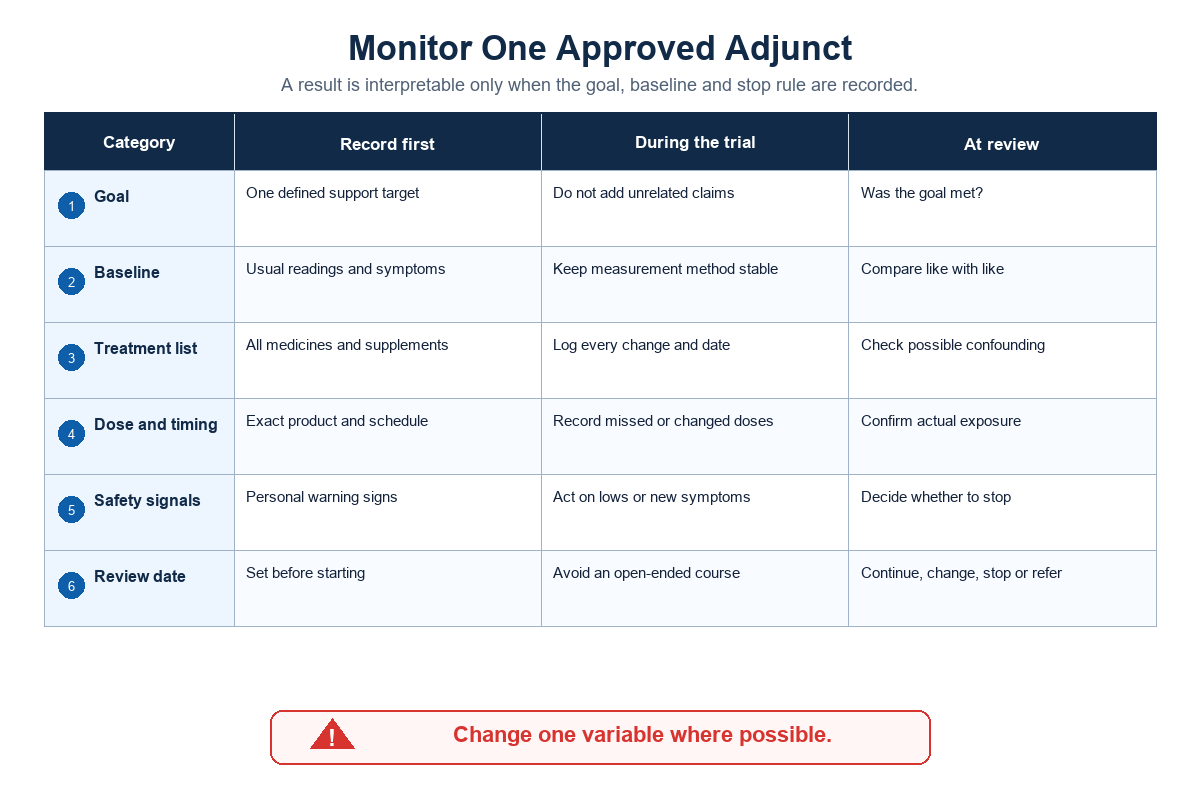
Monitoring an adjunct means deciding in advance what would count as useful, neutral or unsafe. Without that agreement, normal day-to-day variation in blood glucose can be mistaken for proof that a product works, or for proof that it caused a problem. The monitoring plan should remain secondary to the established treatment and screening framework.
Begin with one goal. Someone might want help keeping meals regular, sleeping more consistently or managing a symptom that has already been assessed. Record the starting point in ordinary language. “I miss breakfast three days most weeks” is more actionable than “my energy is imbalanced.” Daily care should benefit from the goal even if no laboratory value changes.
Next, define the observation period with the practitioners involved. HbA1c doesn’t respond on the same timescale as a pre-meal reading. Symptoms may change for reasons unrelated to the adjunct. Illness, travel, sleep, stress, meal size, activity and medicine timing can all move the blood glucose level. Notes about these factors help the diabetes clinician interpret a pattern.
Avoid changing several variables at once. Starting two supplements, cutting carbohydrates sharply and adding daily exercise creates a tangle of causes. If low readings appear, nobody can tell which change mattered. Staged plans may feel slower, yet they give a clearer answer and make the most recent change easier to reverse.
Finally, write the stop rule before starting. Triggers may include an adverse effect, repeated readings outside the range set by the diabetes team, a new illness, pregnancy, surgery, a medicine change or no meaningful progress by the review date. Practitioners proposing adjuncts should explain who receives this information and how quickly the plan will be reviewed.
A simple review note can contain five lines:
- Goal being supported
- Exact product or treatment started
- What stayed unchanged
- Readings, symptoms or behaviours reviewed
- Decision: continue, modify with approval, or stop
This method doesn’t turn supportive care into a clinical trial. Still, it makes the treatment of type 2 diabetes less vulnerable to memory, expectation and simultaneous changes.
Acupuncture and other non-drug support
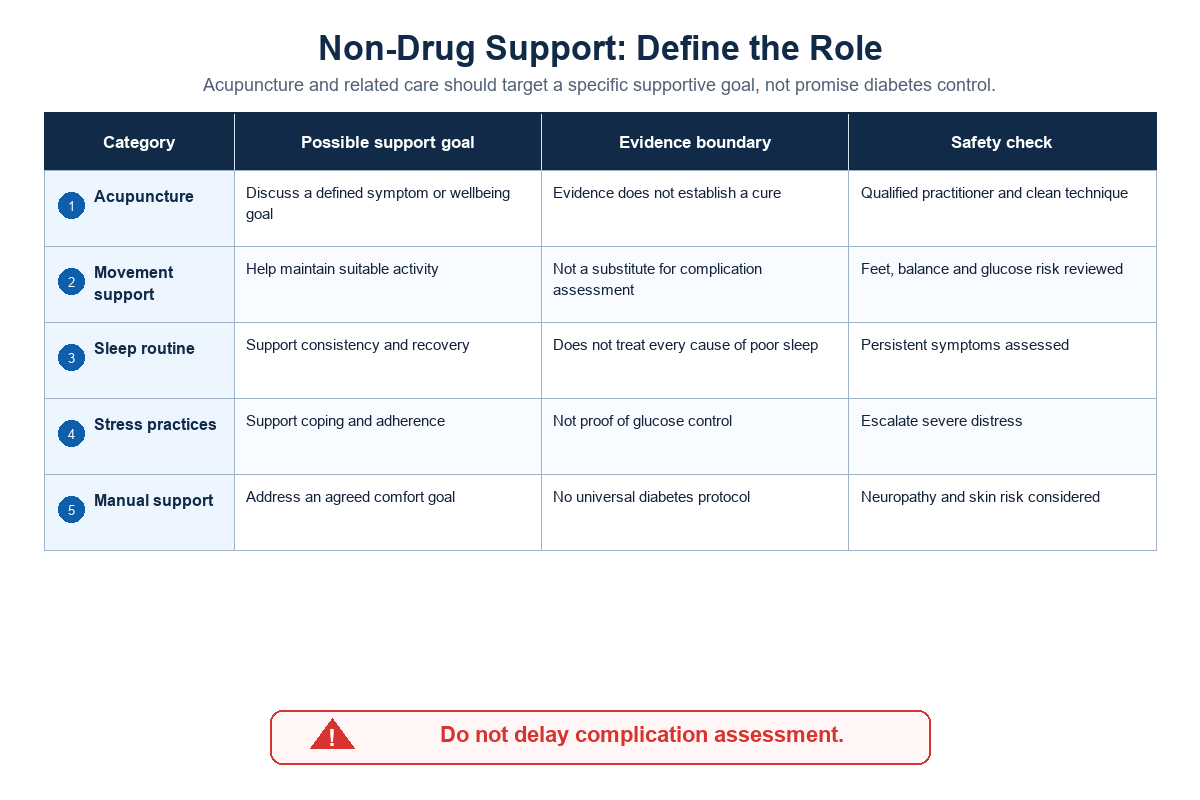
Acupuncture may be discussed for a defined supportive goal, such as comfort, stress, sleep or a symptom that has already been medically assessed. Marketing it as a substitute for glucose-lowering treatment and complication screening would exceed the evidence.
In practical terms, the glucose evidence is mixed: a small fasting-glucose signal has been reported, while longer-term HbA1c effects and complication outcomes remain uncertain. That makes “supportive and monitored” a more accurate description than “controls diabetes.”
If acupuncture is appropriate, use a licensed practitioner and sterile single-use needles. Don’t use repeated sessions to delay assessment of numb feet, a wound that isn’t healing, infection, sudden visual change, chest symptoms or another possible complication. You can read how the clinic describes acupuncture in Dubai and review its TCM doctor profiles, then ask how the proposed goal will be measured and when referral would occur.
Apply the Food-Herb-Medicine Safety Matrix
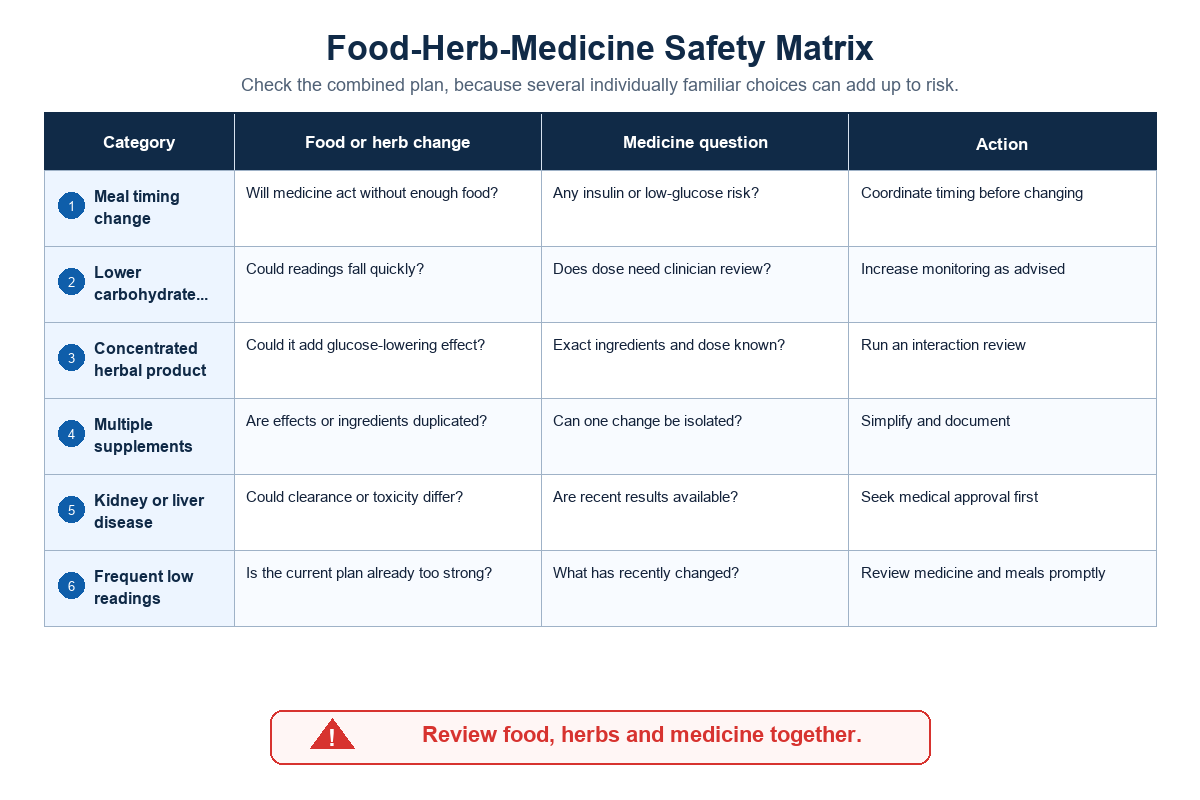
The Food-Herb-Medicine Safety Matrix turns a broad “Is it safe?” question into three decisions: what must be discussed before starting, what should be monitored if the change is approved, and what should trigger a stop. It applies the interaction and product-risk cautions summarized by the US National Center for Complementary and Integrative Health.
| Risk category | Discuss first | Monitor if approved | Stop and escalate |
|---|---|---|---|
| Insulin or sulfonylurea | Added glucose-lowering effect and meal changes | Glucose pattern and low-glucose symptoms | Severe or repeated lows, confusion, fainting or inability to self-treat |
| Metformin or several medicines | Exact ingredients and interaction potential | Digestive effects, intake and glucose pattern | Persistent vomiting, dehydration or severe symptoms |
| Kidney or liver disease | Organ function, laboratory history and product clearance | Only clinician-directed symptoms or laboratory checks | Jaundice, dark urine, marked weakness, swelling or an acute change |
| Pregnancy or breastfeeding | Do not self-start an herb or formula | Obstetric and diabetes-team supervision | Any concerning reaction or pregnancy symptom |
| New food plan or more activity | Medicine timing and hypoglycaemia history | Readings around the changed routine as advised | Repeated lows, chest symptoms, injury or an unwell state |
| Planned surgery | Every herb and supplement, with enough notice for the surgical team | Only the plan given by the surgical and diabetes teams | Unexpected bleeding, illness or a medicine conflict |
| Unclear product label | Full ingredient, dose, manufacturer and batch information | Do not start until the identity is resolved | Any undeclared ingredient or unverifiable source |
| Acute illness or dehydration | Sick-day medicine plan, fluid intake and current glucose or ketone advice | Follow the diabetes team’s sick-day instructions rather than testing a new adjunct | Vomiting, confusion, breathing difficulty, high ketones or inability to keep fluids down |
The matrix is a discussion tool, not a dosing guide. Clinicians managing diabetes care should decide whether monitoring or medicine adjustments are needed. TCM practitioners should know where the scope of supportive care ends.
Know the hard limits for type 1 diabetes and higher-risk situations
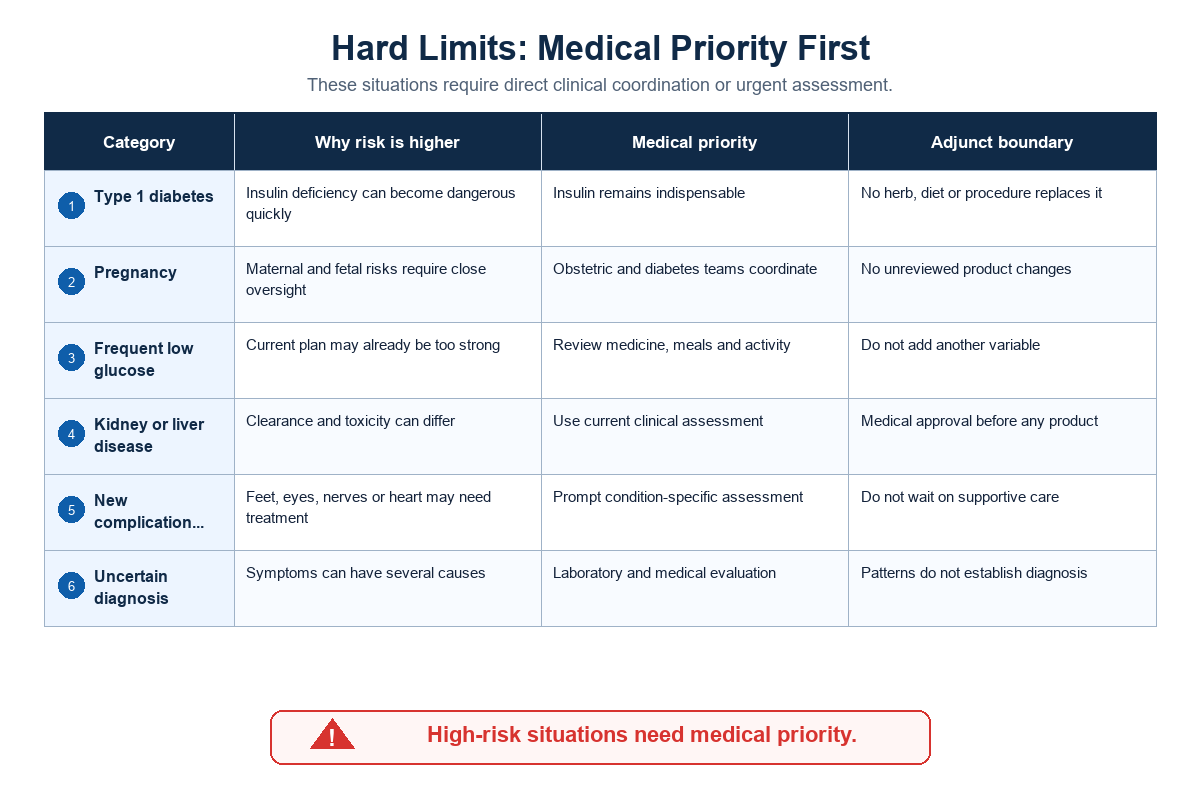
Some situations need a higher threshold than “ask your practitioner.” Type 1 diabetes, pregnancy, kidney or liver disease, recurrent hypoglycaemia, frailty, several medicines and planned surgery all need medical coordination before an herbal product is considered. The WHO treatment baseline remains the minimum boundary.
- For type 1 diabetes, insulin remains essential. Herbs and acupuncture aren’t replacements.
- During pregnancy or breastfeeding, avoid self-prescribed formulas; familiar ingredients may still carry specific risks.
- With kidney or liver disease, metabolism and clearance may differ, and a new product can cloud the cause of changing laboratory results.
- After frequent low blood sugar, the priority is to review medicine, meals, activity and monitoring with the diabetes team.
- Foot, eye, nerve or cardiovascular symptoms shouldn’t wait while supportive care is tried.
That same principle applies to an uncertain diagnosis. Excessive thirst, fatigue or frequent urination can have more than one cause. TCM pattern descriptions may organize a traditional consultation, but they don’t replace laboratory diagnosis or medical evaluation.
Use the 8-Question Herb Safety Check
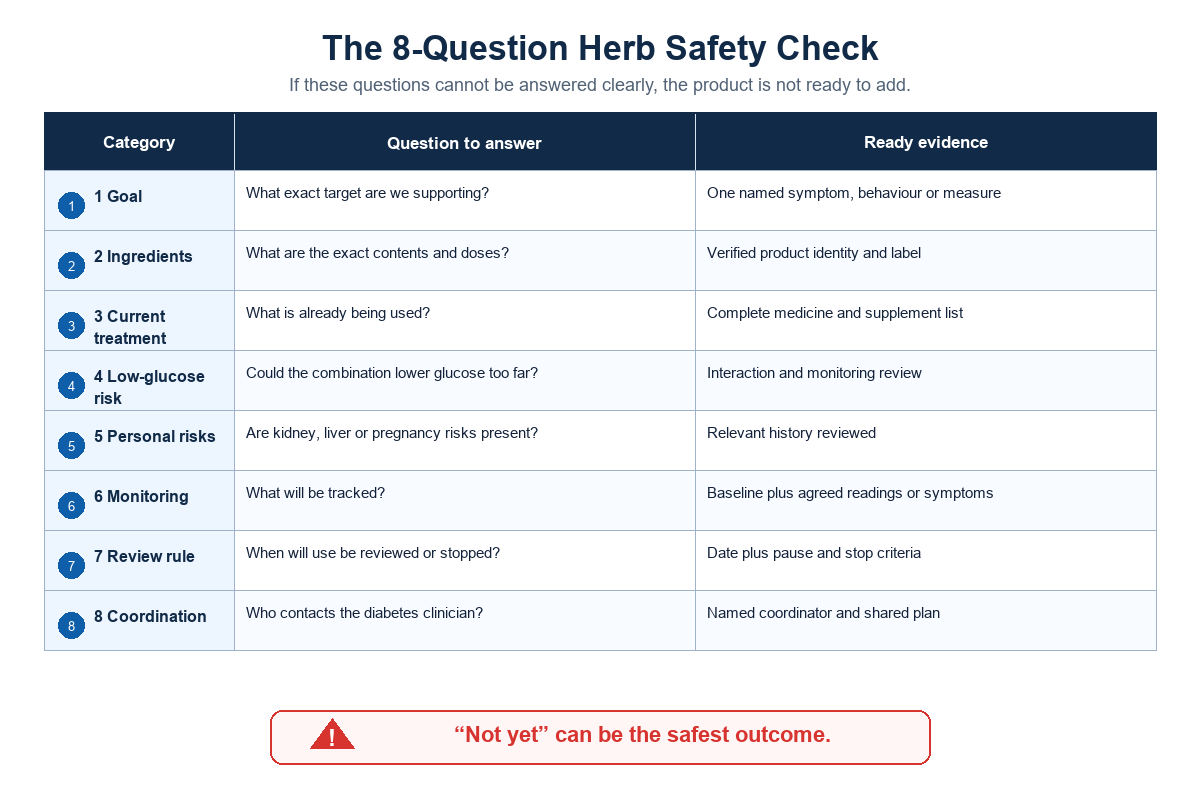
The 8-Question Herb Safety Check is a short pre-treatment conversation. If a product or formula can’t be described clearly enough to answer these questions, it isn’t ready to be added to a diabetes plan. This reflects the NCCIH warning that exact products and combinations matter to safety.
- What exact goal are we trying to support? Name a symptom, behaviour or measure, not “balance everything.”
- What are the exact ingredients and doses? “Proprietary blend” isn’t enough for an interaction review.
- Which medicines and supplements are already used? Include injections, over-the-counter products and occasional remedies.
- Could the combination lower glucose too far? Consider medicine, meals and activity together.
- Are kidney, liver, pregnancy or breastfeeding risks present? These can change the decision before the first dose.
- What will be monitored? Agree on readings, symptoms or clinician-directed tests.
- When will the plan be reviewed or stopped? An open-ended course is harder to evaluate.
- Who will coordinate with the diabetes clinician? Don’t assume that each practitioner knows what the other has prescribed.
A useful appointment outcome may be “not yet.” If ingredients are unclear, readings are unstable, a new symptom hasn’t been assessed or the medication list is incomplete, postponing an adjunct is a safety decision, not a failed consultation.
Translate diabetes research terms into safer decisions
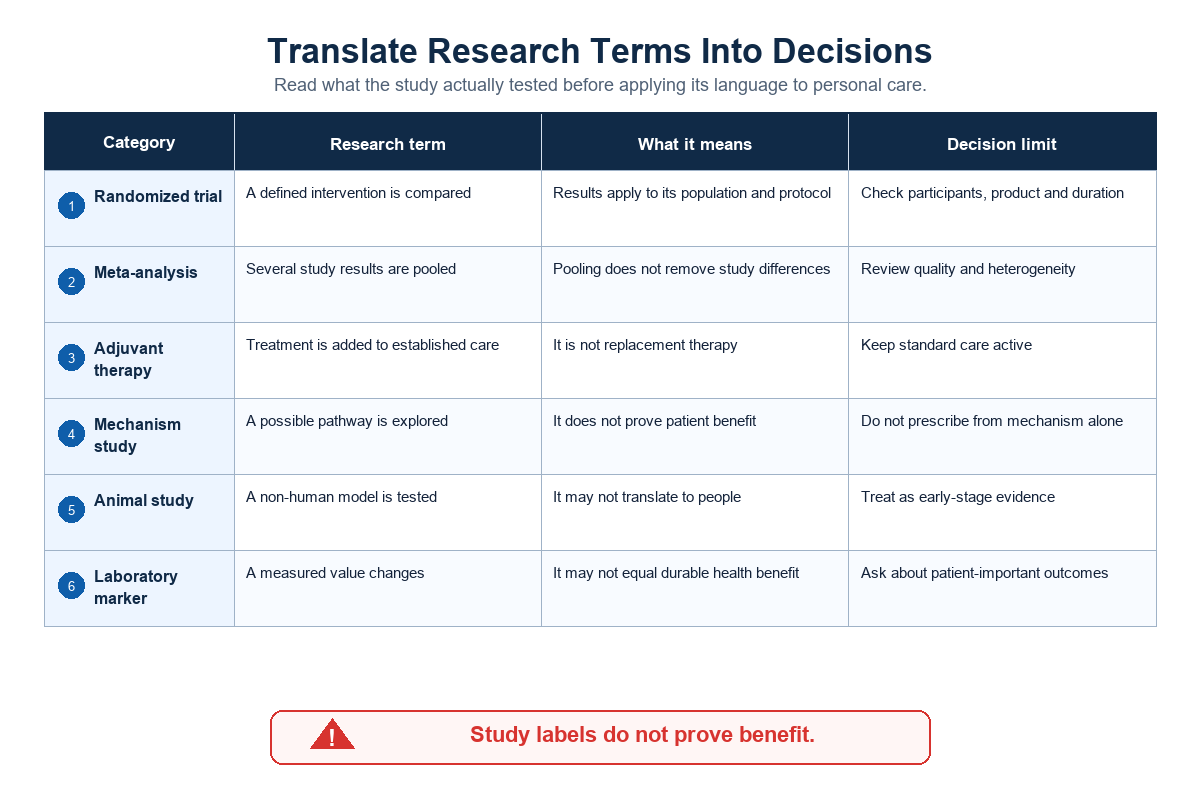
Research language can make a modest finding sound more decisive than it is. A randomized controlled trial tests an intervention under defined conditions, while a meta-analysis combines results from several studies. Neither design removes differences in formula, dose, patient selection or study quality. In evidence-based medicine, a pooled laboratory result still needs to be weighed against safety, durability and outcomes that matter to patients with diabetes.
The term adjuvant therapy means an addition to established care, not an alternative medicine replacement. For patients with type 2 diabetes, diabetes management may include nutrition, activity, medication, monitoring and screening for diabetes complications. For type 1 diabetes mellitus, insulin remains indispensable. Gestational diabetes and other pregnancy-related risks need obstetric and diabetes-team oversight.
- Hyperglycemia means high blood glucose; hypoglycemia means a level that is too low and may require urgent action.
- Peripheral neuropathy, diabetic retinopathy, diabetic foot ulcer and cardiovascular disease are complications associated with diabetes that require medical assessment.
- Chinese and Western medicine can be coordinated, but responsibility for prevention and treatment should remain clear across practitioners.
- When reading a claim about a Chinese herb or TCM treatment, ask whether it concerns a symptom, a short-term marker, insulin resistance or long-term management of diabetes.
This vocabulary doesn’t make an adjunct effective by itself. It helps patients with type 2 diabetes compare the claim with the actual treatment goal, identify risk and keep the safety of traditional Chinese medicine separate from promotional language.
How to read common database labels
Academic databases use overlapping labels, abbreviations and translated phrases. The terms below are search-language examples, not treatment recommendations. Always open the actual study and check its participants, intervention, comparison, duration and outcomes before applying a conclusion to personal care.
| Search concept | Labels a reader may encounter | Safety-minded interpretation |
|---|---|---|
| Patient group | “type 2 diabetic,” “type 2 diabetic patients,” “type 2 diabetes patients” and “patients with type 2 diabetes” | Confirm the study population instead of assuming that every diabetes type, age group or stage was included. |
| Treatment wording | “treatment of diabetic,” “treatment of T2DM,” “treating type 2 diabetes mellitus,” “therapy for type 2 diabetes” and “treatment of diabetes mellitus” | A broad treatment label may cover different interventions and outcomes; it does not establish a cure. |
| Translated index phrases | “type 2 diabetes mellitus treated,” “treatment of type 2 diabetic,” “medicine in the treatment” and “Chinese medicine for the treatment” | Awkward wording may be a translated title or index term. Read the methods rather than inferring meaning from the phrase alone. |
| Mechanism research | “mechanism of traditional Chinese medicine,” “active ingredients of traditional Chinese medicine,” “Chinese medicine in diabetes” and “TCM in treating diabetes” | A laboratory mechanism is a hypothesis-supporting signal, not proof of a safe or effective patient outcome. |
| Institutions and associations | “University of Traditional Chinese Medicine,” “University of Chinese Medicine,” “China Association of Chinese Medicine” and “International Diabetes Federation” | An affiliation helps identify provenance, but study design and source quality still determine how much confidence a result deserves. |
| Journal labels | “Journal of Traditional Chinese Medicine,” “Chinese Journal,” “Journal of Chinese Medicine,” “Hunan Journal of Traditional Chinese Medicine,” “Diabetes Res Clin Pract,” “Diabetes Obes Metab” and “Diabetes Metab Res Rev” | Check the full journal title, article type, peer-review status and publication date before citing a result. |
| Guidelines and prevention | “guideline for diagnostic and treatment,” “diagnostic and treatment principles,” “prevention and treatment of diabetes,” “prevention of type 2 diabetes” and “delay the progression of diabetes” | Verify who issued the guidance, which population it covers and whether it complements current clinical standards. |
| Management and prevalence | “managing diabetes,” “Diabetes Atlas,” “diabetes prevalence estimates,” “diabetes prevalence estimates for 2021,” “cases of diabetes mellitus” and “diabetes is a chronic disease” | Population statistics describe burden; they do not predict an individual’s response to an adjunct. |
| Insulin resistance | “insulin resistance in type 2 diabetes,” “resistance in type 2 diabetes,” “treatment of insulin resistance” and “treatment of insulin” | Insulin resistance and insulin treatment are not interchangeable concepts. Never change prescribed insulin based on a search result. |
| Complications | “diabetes and its complications,” “treatment of diabetic peripheral neuropathy,” “treatment of diabetic retinopathy” and “diabetes and diabetic complications” | Complication claims require condition-specific evidence and medical assessment; symptom relief must not delay eye, nerve, kidney, foot or cardiovascular care. |
| Products and formulae | “Chinese medical,” “traditional Chinese patent medicines,” “herbal formulae,” “Dachaihu decoction in the treatment” and “TCM for diabetes” | A named product or formula still requires ingredient, quality, interaction and patient-specific review. |
| Population boundaries | “newly diagnosed type 2 diabetes,” “type 2 diabetic rats,” “obesity and type 2 diabetes,” “type 1 and type 2” and “cases of type 2 diabetes” | Animal findings and narrowly selected patient groups cannot be assumed to apply to all people with diabetes. |
| Combined care | “combined with Western medicine” and “Western medicine in the treatment” | Combined care should mean coordinated adjunctive use with a shared medication list, monitoring plan and stop criteria. |
Frequently asked questions
Can TCM cure type 2 diabetes? No—current evidence does not support a cure claim.
Some trials and reviews report changes in glucose-related measurements when TCM is added to standard care, but formulas, treatment periods, participants and study quality vary. Those results don’t show that one intervention cures type 2 diabetes. Prescribed treatment, monitoring and medical follow-up must remain in place while any adjunct is assessed against a defined goal. Research also tends to focus on laboratory markers; durable control, medicine reduction and fewer complications require stronger and longer evidence. For that reason, “supportive care under monitoring” is more accurate than “reversal” or “cure.” A responsible treatment of diabetes also includes screening for eye, kidney, nerve, foot and cardiovascular complications; no herbal formula substitutes for that work.
What is the TCM formula for diabetes? There is no single safe formula for everyone.
Traditional prescriptions may be individualized, and that makes an online formula list less, not more, appropriate. Ingredients can interact with glucose-lowering medicines, affect the liver or kidneys, or add to low-blood-sugar risk. A qualified practitioner should review the diagnosis, medication list, laboratory history and risk factors, then coordinate with the clinician managing the diabetes.
Can TCM help insulin resistance? Research signals exist, but individual benefit is uncertain.
Research has explored Chinese herbal medicines, acupuncture and lifestyle approaches for insulin resistance, and pooled studies sometimes report favourable changes. That doesn’t prove that one product or protocol works for every person. A better test is whether an adjunct has a clear goal, an interaction review and a monitoring plan, and whether it’s stopped if readings or symptoms become unsafe.
Is a TCM diabetes diet different from a standard diabetes diet?
The safest overlap is a practical eating pattern rather than a rigid list of medicinal foods. Regular meals, appropriate portions, fibre-rich foods, adequate protein and fewer refined carbohydrates can fit many cultural food traditions. Anyone using insulin or a medicine that can cause hypoglycaemia should make major dietary changes with the diabetes care team.
Is Chinese herbal medicine safe with metformin or insulin?
It depends on the exact ingredients, dose, product identity, full medication list and health conditions. Some products may add to glucose-lowering effects or cause gastrointestinal, liver or kidney problems. Never stop metformin or insulin to try an herb. When a clinician approves a change, ask what readings and symptoms to monitor and when the product should be stopped.
A measured next step
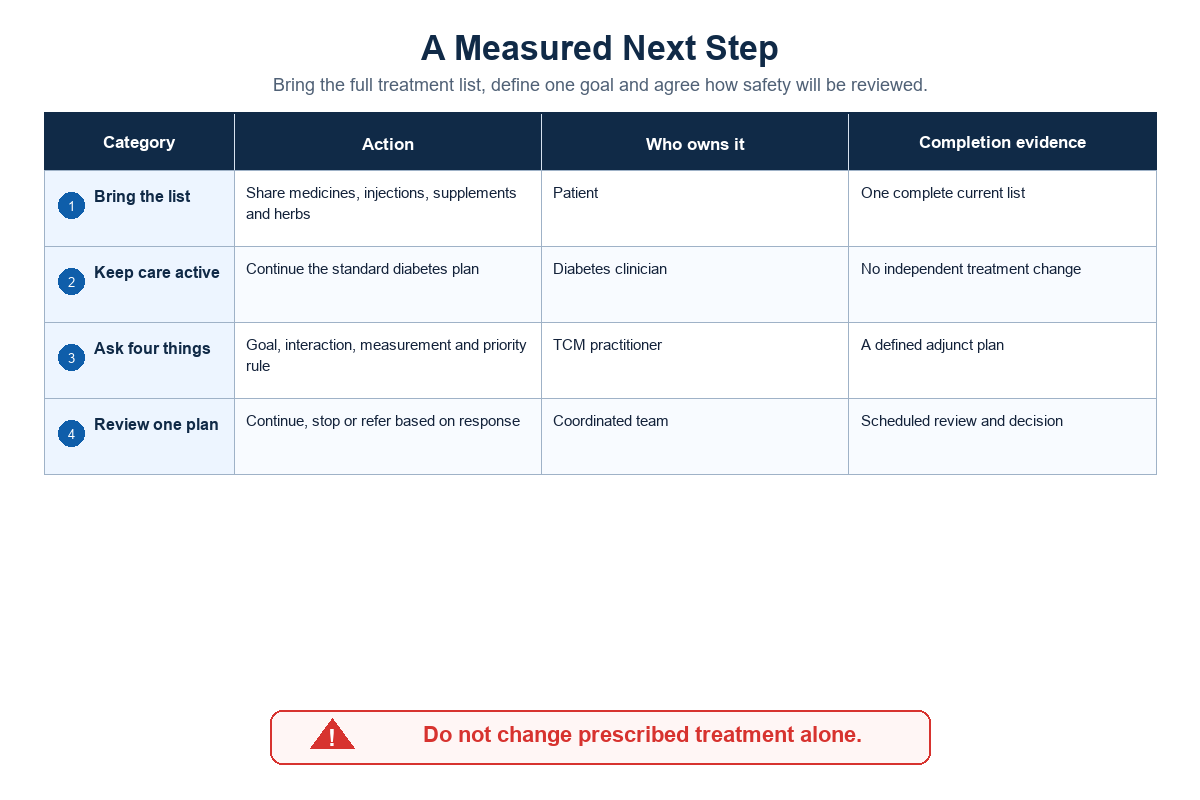
If you’re considering TCM alongside diabetes care, start by bringing your medication and supplement list, not by choosing a formula online. The main risk is an interaction or treatment delay that neither practitioner can see from an incomplete history. Keep the standard diabetes-care plan active, and ask what goal is being supported, what could interact, how the result will be measured and when medical review takes priority.
Tong Ren Tang’s diabetes treatment page explains the clinic’s service context, while the TCM treatments overview helps you understand where an assessment sits within the wider service. You can also ask a medication-and-herb safety question or arrange an assessment. Keep your usual diabetes treatment and monitoring active unless the clinician responsible for that care changes it.
![Postpartum TCM Care: Safety Questions for Dubai [Guide]](https://tongrentang.ae/wp-content/uploads/2026/09/postpartum-tcm-care-blog-featured-768x512.png)