Get in Touch with Tongren Tang Gulf

Quick Specs: Urinary Incontinence at a Glance
| Global prevalence | ~423 million adults aged 20+ |
| Female prevalence | 24–45% of adult women report some degree of urine leakage |
| Male prevalence | 11–34% of older men; roughly half the female rate |
| Most common type (women) | Stress incontinence — 37.5% of female cases |
| Pelvic floor exercise cure rate | 58.8% at 12 months (supervised program) |
| Key risk factors | Pregnancy, childbirth, menopause, obesity, neurological conditions |
What Is Urinary Incontinence — And Why Is It More Common Than You Think?
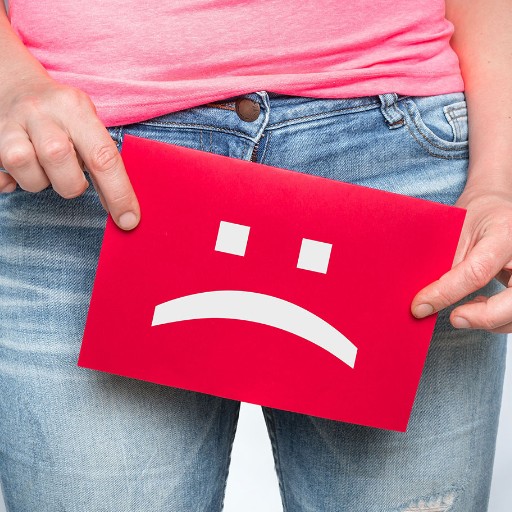
 Urinary incontinence refers to any loss of urine that is involuntary. Although not a disease unto itself, it is a sign of changes that have taken place in the urinary tract, or in the pelvic floor muscles or the nerves that regulate bladder control.
423M
Adults affected globally
62%
Of women 20+ report some leakage
1 in 4
Women over 18 experience involuntary leakage
💡 Key Takeaway
Urinary incontinence is not a disease and doesn’t have to go along with old age. It is a symptom and it can be treated — the earlier you know what kind you have, the more choices you’ll have.
The Different Types of Urinary Incontinence
 Not all bladder leakages are created equal. The particular type of incontinence you have will influence the approach to management and proposed treatment options. Clinicians keep in mind the several types of incontinence, each identified by their own pathophysiology.
| Type | Trigger | Share of Female Cases | Who It Affects Most |
|---|---|---|---|
| Stress incontinence | Physical pressure — cough, sneeze, exercise, lifting | 37.5% | Women post-childbirth, post-menopausal women |
| Urge incontinence | Sudden, intense urge followed by involuntary leak | 22% | Overactive bladder patients, older adults |
| Mixed incontinence | Combination of stress and urge triggers | 31.3% | Women 40+, especially peri-menopausal |
| Overflow incontinence | Bladder does not empty fully — constant dribble | Less common in women | Men with prostate enlargement, nerve damage patients |
| Functional incontinence | Physical or cognitive barrier prevents reaching toilet | Varies by setting | Elderly, mobility-impaired, dementia patients |
💡 Key Takeaway
The various forms of urinary incontinence need varied management. A bladder diary (record of when leaks happen, what you were doing and how much urine was lost) enables you and your practitioner to identify your pattern clearly.
What Causes Urinary Incontinence?
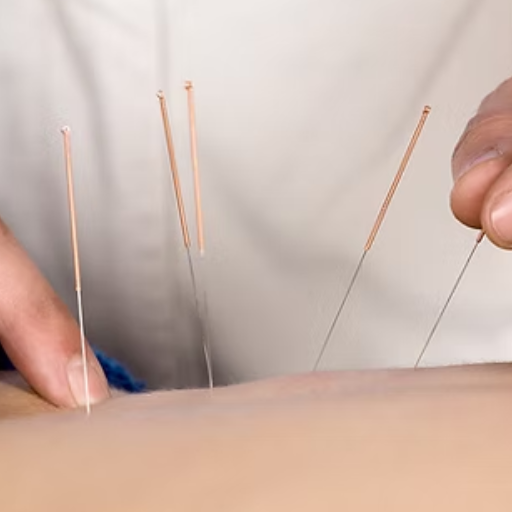 Urinary incontinence is the consequence of an abnormality of the muscles, nerves or structures that support the bladder and relax the urethra. There are a host of reasons as to why urine may leak, but these fall into two general classifications: temporary and persistent incontinence.
Temporary Causes
- Urinary tract infections (UTIs) — irritate the bladder lining, leading to the urge to urinate and urine leakage. These settle down with treatment
- Dietary irritants — alcohol, fizzy drinks, artificial sweeteners and foods with a high acid content may temporarily increase bladder activity
- Medications — use of diuretics, sedatives and certain blood pressure tablets can either increase production of urine or relax the bladder muscle
- Constipation — a full rectum can put pressure on the bladder and the nerves shared by both organs
Persistent Causes
- Pregnancy and childbirth — the enlarging uterus presses on the bladder, while vaginal delivery can stretch, damage or weaken the pelvic floor muscles and nerves that provide pelvic support. According to the U.S. Office on Women’s Health, as many as 4 in 10 women develop incontinence during pregnancy.
- Menopause — lower levels of estrogen cause thinning of the tissues lining the urethra as well as weakness in the pelvic floor, weakening the bladder’s support. If you are experiencing menopausal symptoms alongside bladder changes, the two are frequently connected.
- Neurological conditions — multiple sclerosis, Parkinson’s disease, stroke, and spinal cord injuries can disrupt the nerve signals between the brain and the bladder
- Prostate enlargement — in men, benign prostatic hyperplasia may block the urinary passages and lead to overflow incontinence
- Obesity — extra weight increases pressure on pelvic floor muscles and contributes to stress incontinence
⚠️ Common Misconception
Bladder leakage is viewed by many as simply a fact of aging – it is not. Though as we age we are more likely to develop changes to the muscle in our bladder or tissues of the pelvis that make us more prone, incontinence is defined by a well-defined cause, and that cause is repairable in the vast majority of cases. 25% of women over the age of 18 will experience some degree of involuntary leakage, making this an issue not limited to older populations.
Recognizing the Symptoms — When Leaking Becomes a Medical Concern
 The signs of urinary incontinence (ui) can be as mild as an odd dribble every now and again, or as severe as complete loss of control of the bladder. Often people ignore or dismiss the early symptoms such as a small amount of urine escaping when laughing or an immediate need to urinate just as you reach the front door. It is often when these signs are picked up early that easy corrective measures can be taken.
- ✔Urine leaks when you cough, sneeze, laugh, or exercise
- ✔An intense, urgent desire to urinate that is impossible to postpone.
- ✔Passing urine frequently—more than 8 times in 24 hours
- ✔Waking two or more times at night to use the bathroom (nocturia)
- ✔A constant feeling of wetness or dribbling throughout the day
- ✔Avoiding social activities, travel, or exercise because of leakage worry
Not sure where you stand?
Take Our Bladder Health Self-Assessment →How Is Urinary Incontinence Diagnosed?
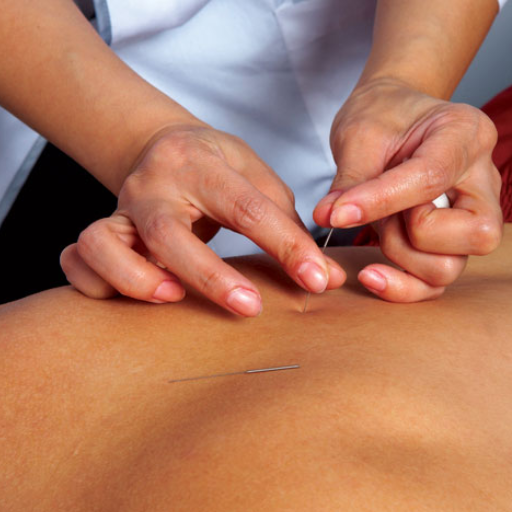 Diagnosis starts with understanding your individual pattern. Because treatment depends on the type of incontinence, practitioners use a structured process to narrow down the cause before recommending a plan.
The Diagnostic Process
- Medical history review — your practitioner will inquire about symptom patterns, fluid intake, medications, pregnancies, surgeries and neurological conditions
- Physical examination — a pelvic exam for women (assessing pelvic floor muscle strength and pelvic organ prolapse) or a prostate examination for men
- Bladder diary analysis — documenting fluid consumption, urination times, leak episodes, and activities for 3–7 days provides a clear picture of your bladder habits
- Urinalysis — a urine sample rules out urinary tract infections, blood in the urine (hematuria), and other abnormalities
- Specialized testing (if needed) — urodynamic testing measures bladder pressure and flow; cystoscopy allows visual inspection of the bladder lining; ultrasound evaluates post-void residual urine volume
💡 Pro Tip: Prepare Before Your Appointment
Keep a bladder diary, for at least three days prior to your appointment. Record the time of each visit to the toilet, an estimate of the volume of urine produced, any episodes of incontinence and what you were doing when incontinence occurred and the amount of fluids consumed. Record this in one document and this can be more diagnostically useful to your health practitioner then the results of any laboratory tests you may have;
Daily Management: Exercises, Diet, and Lifestyle Changes
 For the majority of individuals with urinary incontinence, the most effective treatments are daily behaviors and habits. In the NIH StatPearls clinical reference, supervised pelvic floor exercise programs have a 58.8% cure rate at 12 months in patients with stress incontinence in women. This section discusses the evidence-based interventions you can start using today.
📐 Kegel Exercise Protocol — Evidence-Based Progression
Target muscles: Pelvic floor muscles which help hold the bladder, urethra, and rectum in place. To find these muscles, attempt to hold back urine midstream so that the muscles you use to squeeze are your pelvic floor muscles. (Only use this technique to identify the muscles — do not practice Kegel exercises while urinating.)
Beginner protocol (weeks 1–3): Contract pelvic floor muscles for 3 seconds then relax for 3 seconds. Perform 3 sets of 10 repetitions each day. Breathe normally throughout — do not hold your breath or tighten your abdominal muscles.
Progression (weeks 4–8): Gradually increase the hold to 5 seconds, then 10 seconds. The CU Anschutz Urogynecology program recommends building to three or four sets of 10 contractions with 10-second holds.
Timeline: The U.S. Office on Women’s Health states that the majority of women observe symptoms begin to improve within 4–6 weeks of regular practice.
Supervision advantage: Studies have consistently shown that supervised programs with biofeedback are more effective than unsupervised Kegel exercises, because some patients unknowingly engage the wrong muscle group.
Bladder Training
Bladder training is particularly effective for urge incontinence and overactive bladder. The technique involves gradually extending the time between bathroom visits — starting with your current interval and adding 15 minutes every 1–2 weeks. Over 6–12 weeks, many patients reduce urinary urgency and frequency significantly. Keeping a bladder diary during training helps you track progress and identify patterns.Dietary and Lifestyle Adjustments
Certain foods and drinks can irritate the bladder or increase urine production. However, the evidence is more nuanced than many sources suggest.⚠️ Caffeine: The Evidence Is More Complex Than You Might Expect
A 2023 study in the Symptoms of Lower Urinary Tract Dysfunction Research Network (LURN) found that although abstaining from caffeine may decrease urgency, over a period of 1 year, there was no link between caffeine intake and the likelihood of worsening incontinence. The clinical recommendation is a personal trial: reduce caffeine for 1–2 weeks and observe whether your symptoms improve. Not everyone is equally sensitive.
- ✔ Maintain healthy hydration — reducing water intake concentrates urine, which irritates the bladder and worsens symptoms. Aim for 6–8 glasses spread throughout the day.
- ✔ Limit known irritants — alcohol, carbonated beverages, artificial sweeteners, and very spicy or acidic foods can trigger urgency in some people.
- ✔ Manage weight — excess abdominal weight puts constant pressure on the bladder and pelvic floor. Even a 5–10% reduction in body weight can help reduce stress incontinence episodes.
- ✔ Address constipation — straining during bowel movements weakens the pelvic floor over time. Adequate fiber intake (25–30 g/day) supports both digestive and bladder health.
- ✔ Quit smoking — chronic coughing from smoking repeatedly stresses the pelvic floor muscles and increases the risk of stress incontinence.
💡 Daily Bladder Health Routine
Morning: Kegel set #1 (10 reps, 3–10 second holds). Hydrate with water — not coffee — first.
Midday: Kegel set #2. Bladder training interval check: can you extend by 15 minutes today?
Evening: Kegel set #3. Reduce fluids 2–3 hours before bed to support the bladder overnight.
Weekly: Review your bladder diary. Look for patterns — are certain days, foods, or activities linked to more episodes?
Have questions about managing your symptoms?
WhatsApp Us Your Questions →Treatment Options: From Conservative to Integrative Approaches
 Medical treatments are available if your daily management strategies are not enough. Which treatment fits best hinges on the specific pattern of your incontinence, how severe it is, your overall health, and what matters most to you.
| Approach | Examples | Typical Efficacy | Best For |
|---|---|---|---|
| Conservative | Pelvic floor exercises, bladder training, lifestyle changes | 58.8% cure at 12 months (supervised PFMT) | First-line for all types |
| Pharmacological | Antimuscarinics, beta-3 agonists, topical estrogen | 49% at 12 months for urge incontinence | Urge incontinence, overactive bladder |
| Procedural | Botox injections, bulking agents, nerve stimulation | Varies by procedure; Botox requires repeat injections every 6–12 months | When medications are insufficient |
| Surgical | Sling procedures, artificial urinary sphincter, colposuspension | 84.4% success at 12 months (women) | Severe stress urinary incontinence |
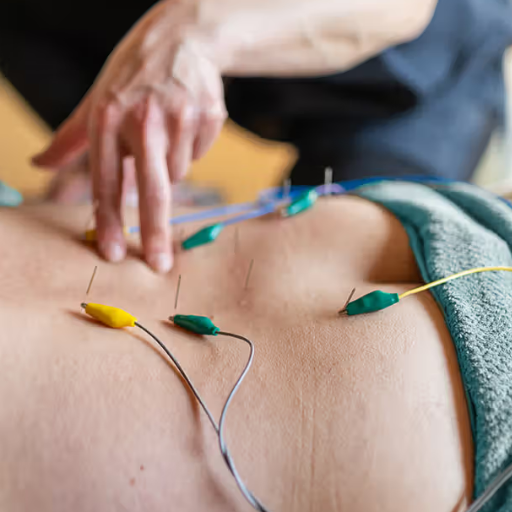
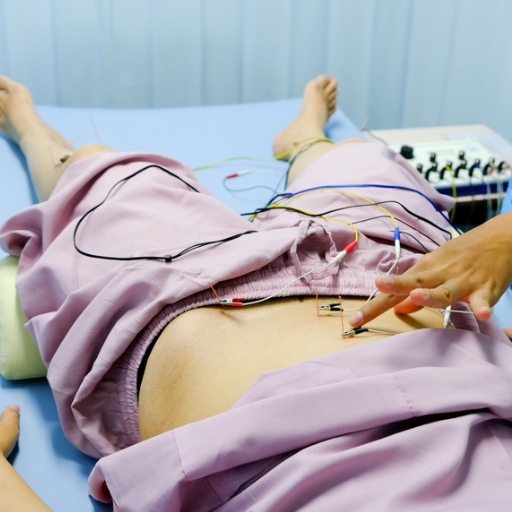
| Integrative | Acupuncture, electroacupuncture, Chinese herbal medicine, biofeedback | Multiple systematic reviews endorse electroacupuncture efficacy vs placebo | Patients seeking non-pharmaceutical options |
Ready to Take the Next Step?
Our practitioners at Tong Ren Tang combine 350+ years of Traditional Chinese Medicine heritage with modern evidence-based protocols. A bladder health assessment is the starting point for a personalized treatment plan.
Book Your Assessment →Frequently Asked Questions About Urinary Incontinence
Q: Is urinary incontinence a normal part of aging?
View Answer
No. The risk does increase with age as the tone of bladder muscle and pelvic tissue declines but urinary incontinence is not inevitable. There is always a known cause to urinary incontinence be it weakening of the pelvic floor muscles, change in hormones, neurological disorder or side effect of medication and treatment is possible at any age.
Q: What are the 4 types of urinary incontinence?
View Answer
The four major kinds are stress incontinence (leaking during physical pressure), urge incontinence (sudden strong urge with leak), overflow incontinence (incomplete bladder emptying causing dribble), and functional incontinence (physical or cognitive barriers). Mixed incontinence — a combination of stress and urge — is also very common.
Q: Can urinary incontinence be cured?
View Answer
There are many circumstances in which a patient can be greatly improved or cured. A supervised program of pelvic floor exercises is 58.8% successful at solving stress incontinence at 12 months, and surgery has success rates of 84.4%. Even when complete cure is not possible, the right combination of exercises, lifestyle changes, and medical treatment can reduce episodes dramatically and restore quality of life.
Q: What should you not do if you have incontinence?
View Answer
Don’t cut down fluid intake too much – concentrated urine irritates the bladder and worsens the symptoms. Don’t “just go in case” all the time as this trains the bladder to hold less. Don’t ignore the symptoms or think that “there’s no solution”, they are treatable and early treatment results in better success.
Don’t strain on the toilet (treat constipation with fibers). Don’t depend solely on absorbent products – seek treatment if you haven’t already. Don’t fail to do your pelvic floor exercises because you don’t think you are doing them correctly, see a physio.
Q: Does pregnancy cause urinary incontinence?
View Answer
Yes pregnancy is a common trigger. Up to 40 percent of pregnant women have some level of urinary incontinence caused by the pressures on the bladder and the stretching of the pelvic floor muscles. Usually these problems resolve within a few months of delivery, often easier with pelvic floor exercises.
Q: How long does it take for Kegel exercises to work?
View Answer
Most people find to see results from 4-6 weeks of daily practice. It will take anywhere from 3-6 months to see full results.
About This Guide
This guide has been prepared by the clinical content team at Tong Ren Tang, a practice of traditional Chinese medicine (TCM) established in Beijing, in 1669, and currently serving patients throughout the UAE. Our clinicians are all trained in both TCM and modern clinical medicine. The prevalence data, exercise protocols, and treatment efficacy figures cited here are drawn from peer-reviewed sources including NIH StatPearls, the U.S. Office on Women’s Health, and Frontiers in Medicine. Where our clinical perspective as a TCM practice informs a recommendation, we state this clearly.
References & Sources
- Urinary Incontinence — StatPearls Clinical Reference (2024) — National Institutes of Health
- Urinary Incontinence Fact Sheet — U.S. Office on Women’s Health
- Urologic Diseases in America — Urinary Incontinence Annual Data Report (2024) — NIDDK / National Institutes of Health
- Fluid Intake, Caffeine, and Bladder Irritant Avoidance — LURN Study (2023) — National Institutes of Health / PMC
- Urinary Incontinence and Depression, Stress, and Self-Esteem (2021) — Nature Scientific Reports
- Acupuncture for Female Stress Urinary Incontinence — Systematic Review (2025) — Frontiers in Medicine
- I Leaked, Then I Reddit — Patient Experiences with Urinary Incontinence (2019) — International Urogynecology Journal
- Kegel Exercises — StatPearls Clinical Reference — National Institutes of Health
Related Articles
- Urinary Incontinence Treatment — Acupuncture & Chinese Medicine at Tong Ren Tang
- Menopause Treatment — Managing Hormonal Changes with TCM
- Chinese Herbal Medicine Guide — Understanding Traditional Formulas
- Our Chinese Herbal Medicine Practice — Quality, Heritage, Efficacy
- Moxibustion Treatment — How Heat Therapy Supports Healing