Get in Touch with Tongren Tang Gulf

![Postpartum TCM Care: Safety Questions for Dubai [Guide]](https://tongrentang.ae/wp-content/uploads/2026/09/postpartum-tcm-care-blog-featured.png)
Updated September 2026 · By DD
The information here covers acupuncture, moxibustion, Tui Na and other postpartum practices. The first part covers the options you and your baby have for a medical check-up, a routine visit or assistance with breastfeeding. Traditional Chinese medicine doesn’t replace maternity and postpartum care, and no unnamed herbal mixture can be declared safe during breastfeeding.
This documentation provides information about various treatment methods, where the evidence is lacking, and prompts to ask the Dubai clinic. This document doesn’t evaluate any symptoms experienced by mother or infant and doesn’t approve any treatment or product.
The first decision
Seek prompt medical assessment for warning signs. Keep planned postnatal and infant visits. If you then consider complementary care, identify the exact intervention and, for herbs, the exact product before anyone assesses whether it fits your circumstances.
Which Postpartum Symptoms Need Medical Care First?
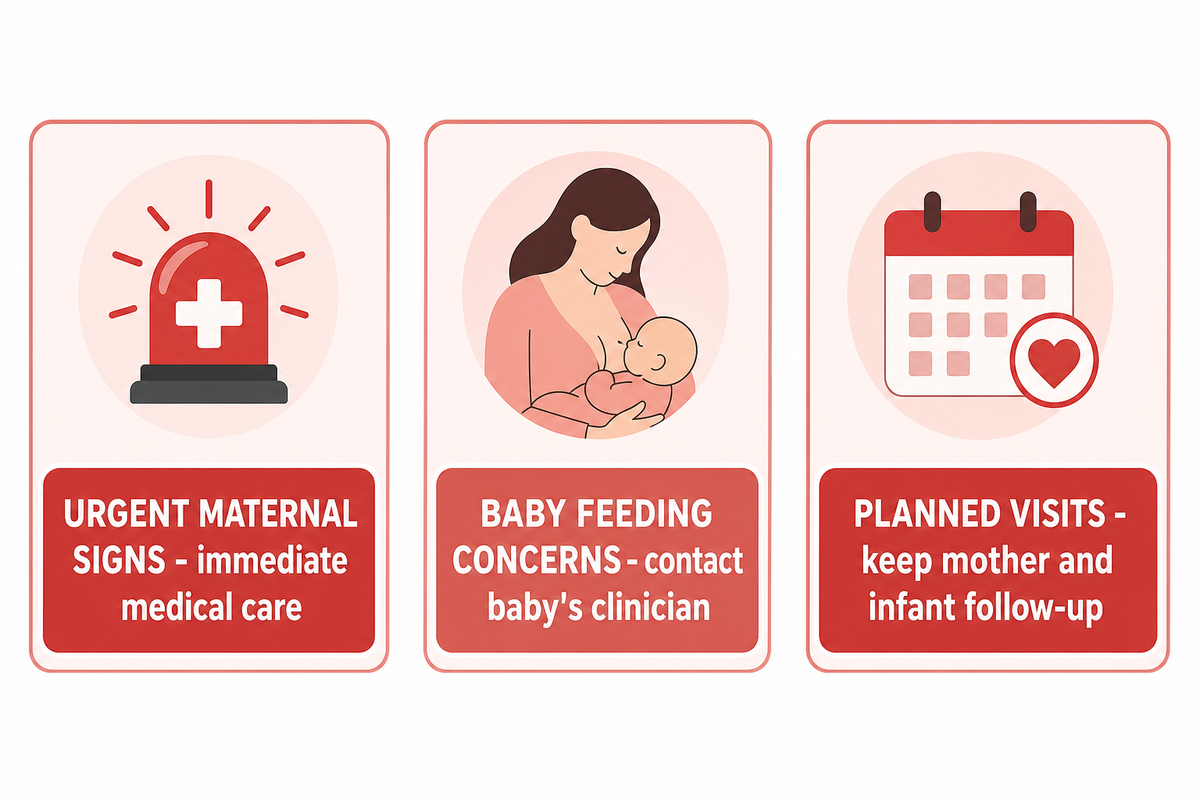
Medical emergencies after birth require conventional not complementary medical care. Symptoms that require immediate evaluation and care during pregnancy and within one year after delivery are described by the Centers for Disease Control and Prevention. Among others, these symptoms/conditions include: heavy bleeding, fever, severe headache, and trouble breathing. If you have any of these symptoms after delivery, you should seek immediate care. Inform your health care provider that you delivered, even if the symptom seems unrelated, and provide a history of your condition.
| Concern type | Next contact | Complementary-care boundary |
|---|---|---|
| Heavy maternal bleeding | Seek immediate medical care and say you recently gave birth. | Do not wait for a TCM appointment. |
| Severe headache or a vision change | Seek immediate medical care. | A traditional explanation cannot rule out danger. |
| Trouble breathing or chest pain | Seek immediate medical care. | Do not try a complementary procedure first. |
| Fever or a severe new belly pain | Seek immediate medical care. | Do not use warming or massage to postpone review. |
| Thoughts of harming yourself or your baby | Seek immediate medical help. | A TCM visit is not emergency mental-health care. |
| Baby has poor feeding, concerning diaper output or yellow-looking skin | Contact the baby’s clinician promptly. | A maternal supplement discussion cannot establish infant intake. |
| Painful, hot breast or flu-like symptoms | Contact a maternity or breastfeeding professional for assessment. | Avoid firm breast pressure; discuss any massage plan. |
| Persistent recovery concern without an urgent sign | Contact the maternity team and keep follow-up. | Discuss a complementary step only after the concern is assessed. |
| No current warning sign; routine visits are arranged | Keep planned postnatal and infant visits. | You may ask about options without assuming benefit or safety. |
The World Health Organization’s postnatal-care guideline treats ongoing support for both mother and newborn as essential care. A cultural recovery plan should fit around that plan. If symptoms change, seek a fresh assessment instead of relying on an earlier reassurance or on a traditional pattern name.
When should I seek care after childbirth?
Seek immediate help for a maternal warning sign such as heavy bleeding, trouble breathing or a severe headache. For a non-urgent but persistent concern, contact your maternity team rather than waiting for a complementary appointment. Keep your scheduled appointments for you and your baby. The timing of additional appointments should be based on your symptoms and discharge plan. Other care will be determined by your symptoms and your discharge plan.
Where Does TCM Fit in Postpartum Recovery?
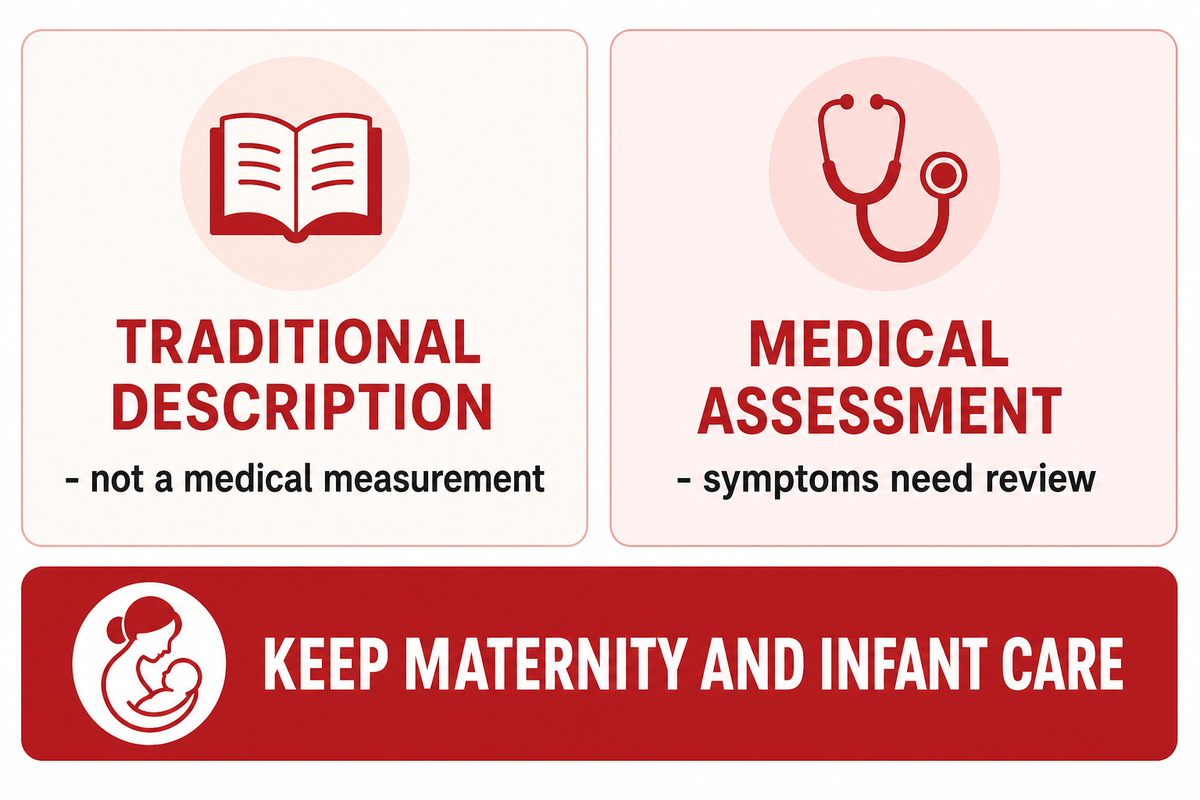
Traditional Chinese medicine includes a range of practices rather than a single treatment. A practitioner may discuss food, rest, acupuncture, moxibustion, massage or herbal products using terms such as qi and qi and blood. These descriptions are not measurements of circulation, diagnoses of bleeding or proof that an intervention speeds recovery. They may also explain recovery in terms of Qi or other traditional ideas. In this context, traditional Chinese medicine may use descriptions of blood circulation or replenishing vitality.
The National Center for Complementary and Integrative Health identifies different traditional Chinese medicine methods and addresses safety issues with herbs and improperly performed acupuncture. Existing research on a particular method or condition doesn’t establish that every postpartum practice is beneficial. When someone recommends a particular method to you, determine the reason for the recommendation and the scientific basis for it.
Early motherhood can include mood concerns, including possible postpartum depression, which deserve a medical conversation rather than a traditional label alone. Recovery also varies with delivery, healing, feeding, sleep and support at home. Discuss these concerns with the maternity care team and other professionals, as appropriate. If there’s a conflict between the two plans, ask the maternity care team to review the proposed step before you take any action.
What are the traditional Chinese practices after giving birth?
Complementary practices such as rest and diet, moxibustion and Tui Na may be described along with acupuncture and herbs. There are different exposure, public health and safety considerations associated with the practices. Traditional practices must not take precedence over public health and infant care practices, including hygiene, movement advice, medicines, infant feeding support and scheduled medical review.
Comparing Acupuncture, Moxibustion, Tui Na and Herbs After Birth
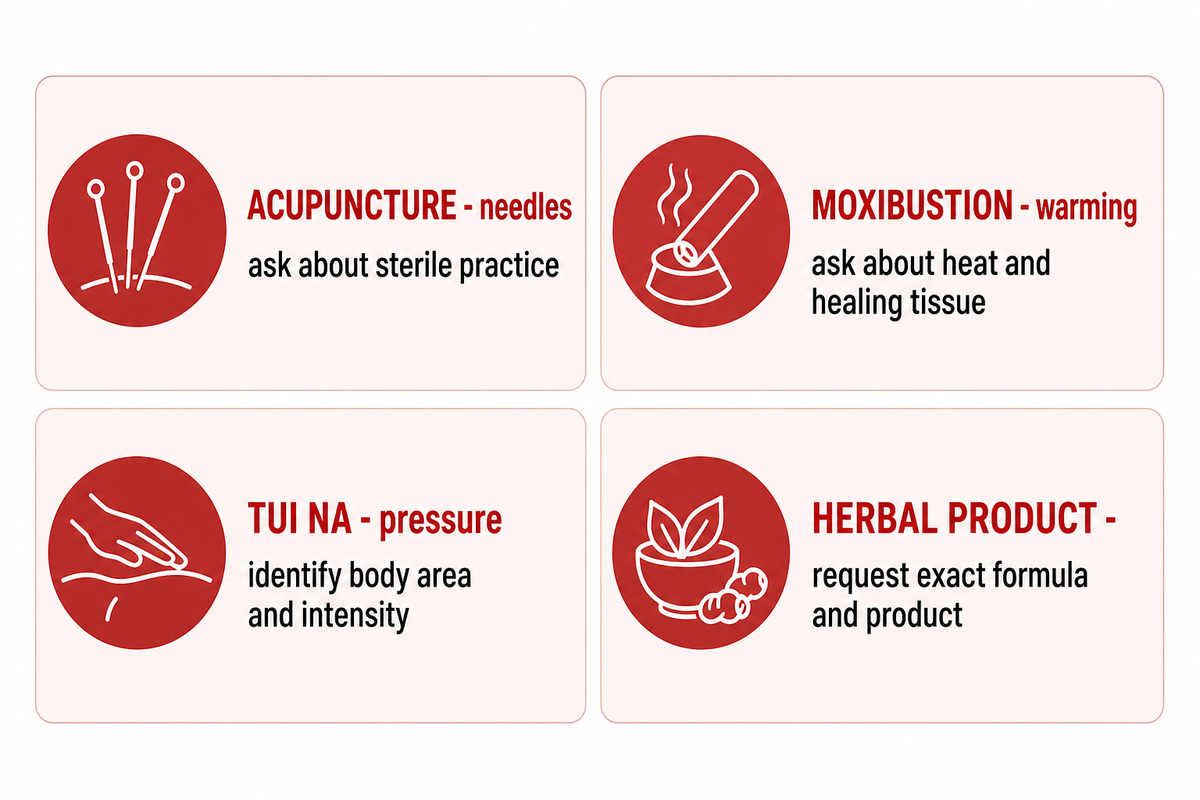
Clinic treatment options for traditional Chinese medicine currently include acupuncture, moxibustion, cupping, Tui Na and herbal medicine. A service list specifies what’s described on the web site; it doesn’t define a specific postpartum program, demonstrate a benefit after childbirth, assess suitability or address the needs of a patient. Herbs are addressed on this web site as an official clinic service; however, this doesn’t mean that a specific formula has been validated for postpartum use or breastfeeding.
| Approach | Exposure and question | Evidence limit |
|---|---|---|
| Acupuncture | Needles and skin contact. Ask who performs it, how sterile equipment is used and whether healing sites or current symptoms change the plan. | Findings from another condition do not predict postpartum healing or milk supply. |
| Moxibustion | A warming procedure. Ask what area is proposed and how heat and skin comfort are managed, especially near healing tissue. | A traditional rationale does not establish a recovery outcome. |
| Tui Na | Manual pressure or movement. Identify the body area and pressure before treatment, especially with pain, an incision or an inflamed breast. | General massage cannot be assumed suitable for every postpartum problem. |
| Herbal product | An ingested mixture may expose the mother and potentially the breastfeeding infant. Request the exact formula and product details. | Evidence for one formula cannot clear a different product or guarantee lactation safety. |
One particularly important distinction is pressure on the breast. The National Health Service’s mastitis guidance advises against firm pressure on an affected breast. That’s a specific caution for a painful, inflamed breast, not evidence that every form of bodywork is harmful. Describe breast pain, heat or flu-like symptoms to a medical or breastfeeding professional before considering massage in that area.
For acupuncture and herbs, the NCCIH overview mentions risks of infections and substandard herbal products. Ask how the practitioner would adapt or postpone the intervention for a new symptom, a wound, a medicine change or a breastfeeding concern.
Breastfeeding and Chinese Herbs: A Formula-Specific Safety Check
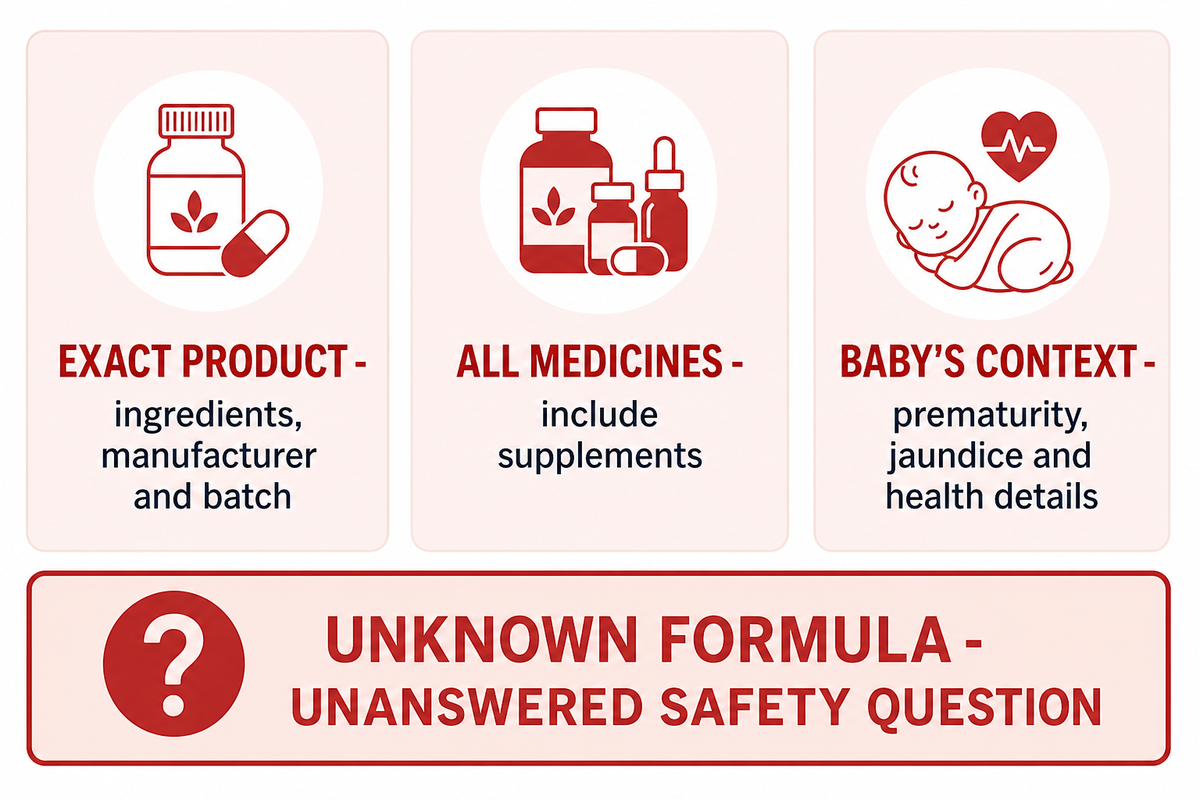
The label “Chinese herbs” does not identify an ingredient, dosage or manufactured product. Thus, during breastfeeding, the label alone wouldn’t assist in making any safety-related decisions. The National Health Service breastfeeding medicines page, reviewed in May 2026, says that there isn’t enough evidence to guarantee herbal remedies are safe during breastfeeding. Therefore, it was suggested that the clients consult with a health care professional or pharmacist.
“not enough is known about herbal remedies to guarantee they’re safe to use when breastfeeding”
Ask for the full list of ingredients and the amount of each, if available. Record the product and manufacturer name and how it was prepared. Ask for any batch or quality documentation. Bring the containers or clear photos of the product labels. Provide the prescription and over-the-counter medicines you take or plan to take. Also include vitamins, herbal supplements, and other alternative medicines.
Disclose if the baby was born premature. If the baby has had jaundice, provide any relevant health details to the reviewer. Provide any conditions that may affect medication choice.
Unknown formula = unanswered safety question
Ask a breastfeeding-aware doctor, midwife or pharmacist to assess the exact product with your medicine list and baby’s circumstances before use. A familiar brand, a traditional name, a “natural” label or another mother’s experience doesn’t supply the missing information.
Some traditional Chinese herbal products may contain contaminants, as described in the report of the National Center for Complementary and Integrative Health. Not all herbal products are contaminated. Herbal products may also vary in quality. When reviewing herbal products, information about product quality and potential ingredient safety is also important. Do not stop a prescribed medication or give a herbal product as a substitute without speaking to the prescriber.
A single-arm study published online in 2025 from a Korean Medicine hospital monitored 186 postpartum women using herbal medicine. The study reported that 3 women were in its breastfeeding category and 175 combined breast milk with formula. Eight women gave their infants formula only. These maternal observations cannot establish infant safety for a formula used in Dubai. The study monitored maternal adverse events in women taking herbal medicine, but the lack of a control group limits the conclusion of the study. Evidence for the actual product and the mother and infant who may be exposed is necessary.
Can TCM Herbs Increase Breast Milk Supply?
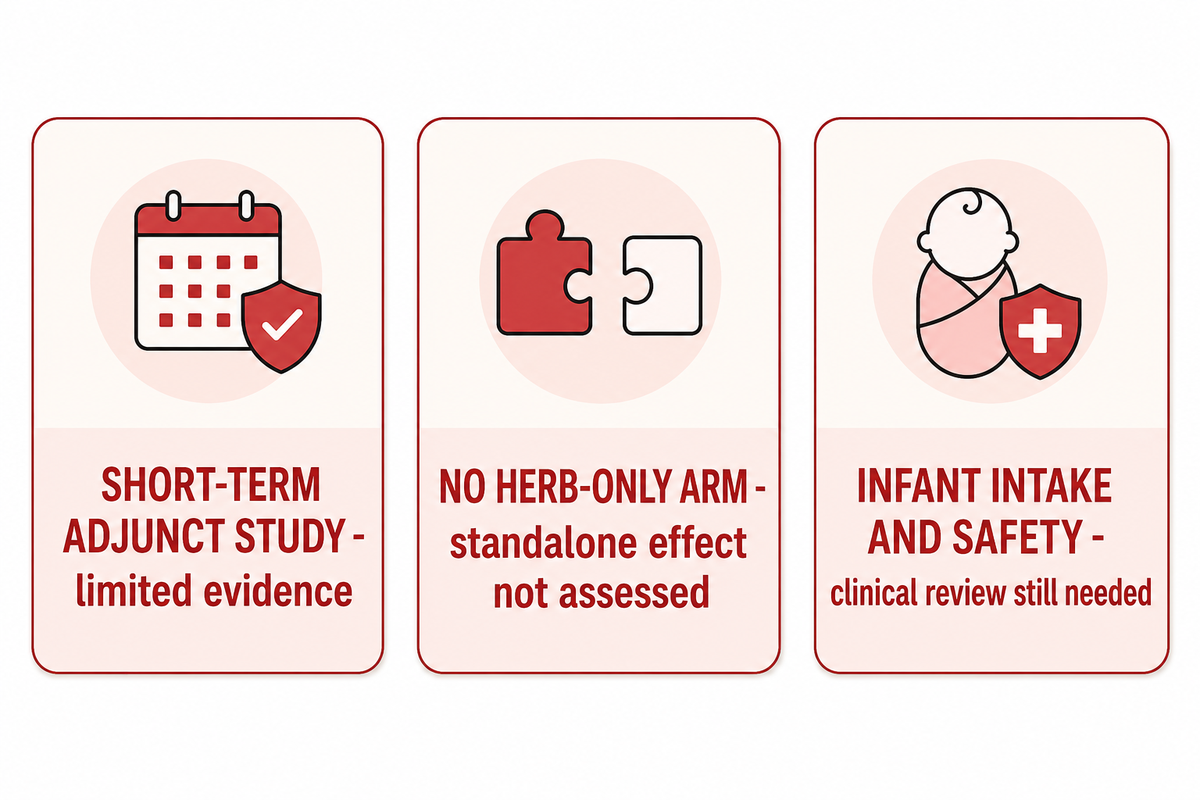
An unnamed herb or formula shouldn’t be recommended as a way to increase milk supply. There’s some intervention-specific research, so “no evidence exists” would also be inaccurate. A 2026 randomised study abstract reports that, over two weeks, 52 women given auricular acupressure plus one herbal decoction had better milk-production measures and less formula supplementation than 52 given auricular acupressure alone. The abstract does not assess the decoction used without acupressure, demonstrate a long-term result, or establish infant safety. The full paper wasn’t reviewed for this article, and no link to this clinic’s products was established.
Hormonal markers reported in the same abstract are secondary end points. An improved laboratory marker doesn’t show that an infant has received enough milk or that a herbal product is safe to use while breastfeeding.
Before discussing a product, check whether the baby is getting enough milk. The Centers for Disease Control and Prevention’s newborn breastfeeding guidance points to swallowing during feeds, latch, weight change and wet and dirty diapers; yellow-looking skin can be a concern. Bring your observations to the baby’s clinician or a lactation specialist. A mother’s lack of warning signs doesn’t establish adequate infant intake. Seek help promptly if feeding, weight or output worries you.
Do Postpartum Confinement Rules Replace Medical Advice?
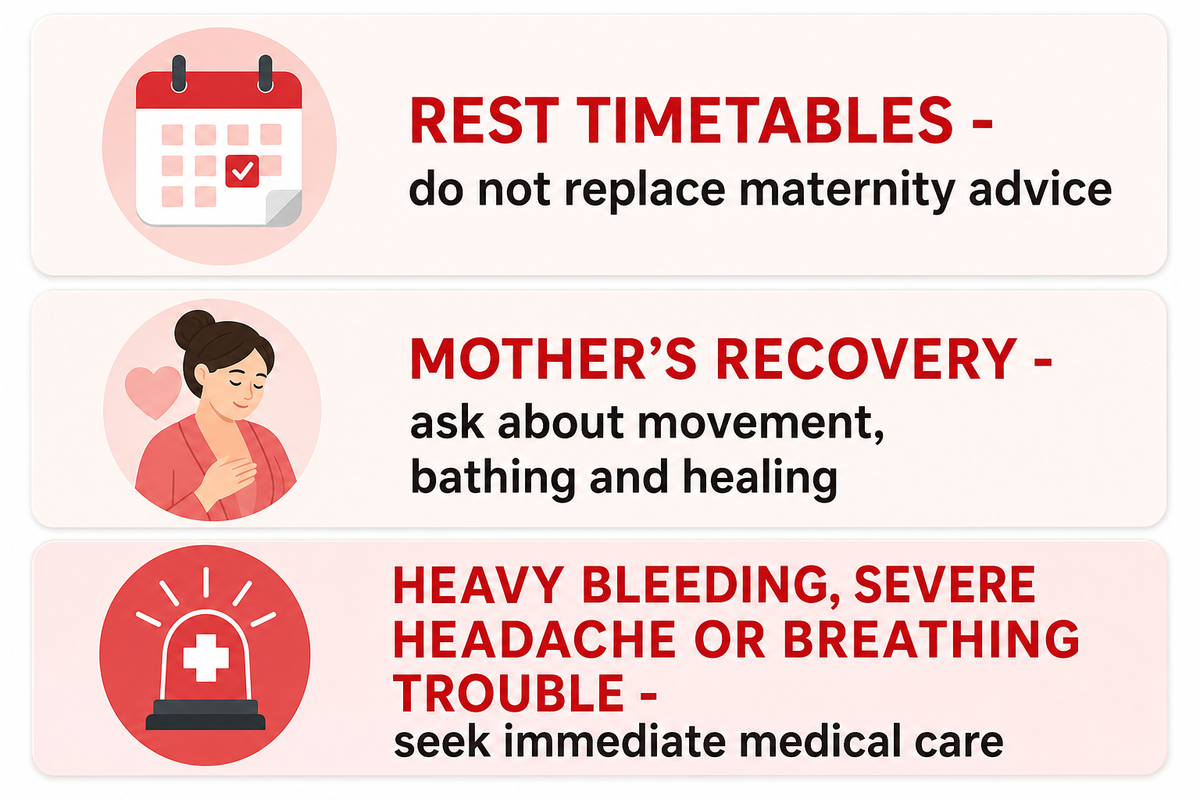
No. Rest and support can be valuable, and families may have meaningful confinement customs. A new mother may enjoy soups or other nourishing foods without claiming that any dish repairs the uterus or increases milk supply. The postnatal guideline reviewed here does not define a “3-3-3” or “7-7-7” clinical schedule for healing, breastfeeding or medical review. It shouldn’t determine whether you bathe, move, take prescribed medicine, attend a follow-up visit or report a new symptom.
The World Health Organization’s postnatal-care guideline places consistent information and support within routine care for mother and newborn. A traditional timetable doesn’t answer a question about a healing wound, movement or bathing after your delivery; bring those questions to your own maternity team.
Is the 7 7 7 rule for postpartum a medical schedule?
The postnatal guideline reviewed here does not define this phrase as a medical prescription or a verified recovery timetable. Follow your discharge instructions and seek assessment for any new warning sign regardless of the day of a proposed rest plan, while keeping planned appointments and feeding support.
What to Bring to a Postpartum TCM Consultation in Dubai
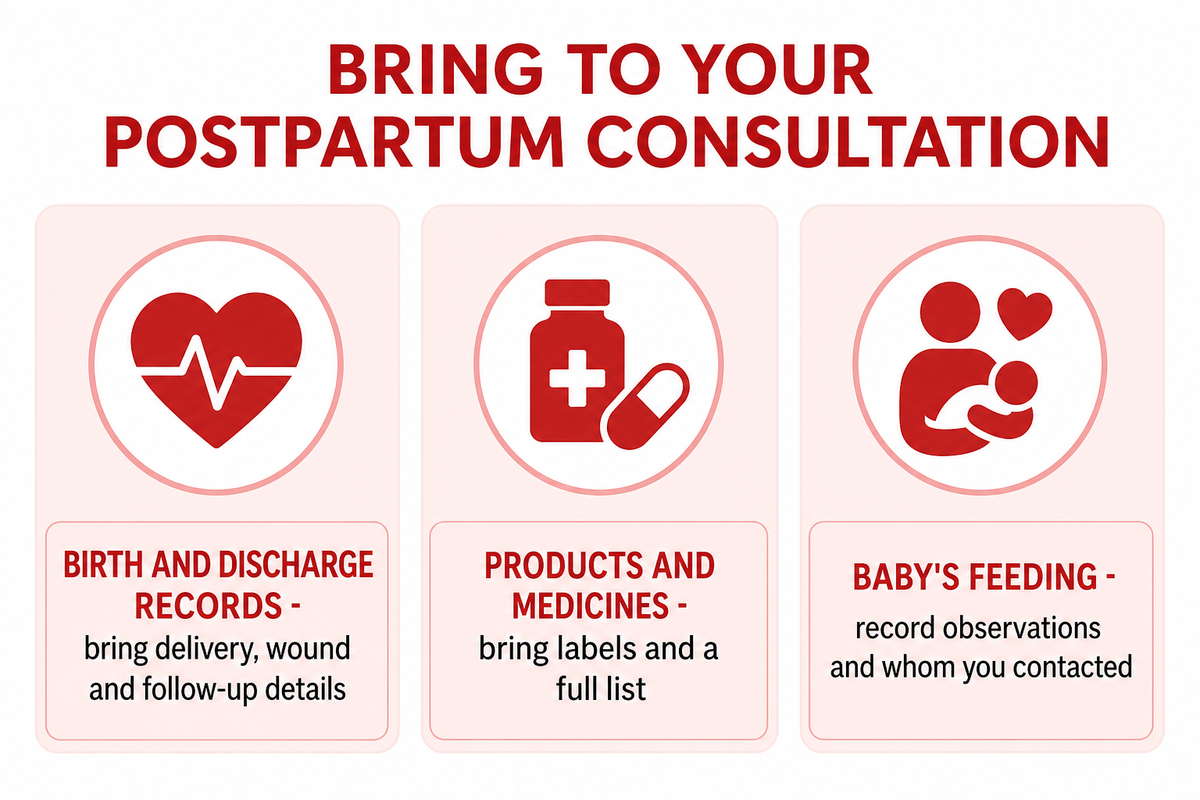
Please bring a short record of your postpartum concern that will help your practitioner review your history without having to make any assumptions about your health. List the type and date of each delivery. Include any Caesarean section incision, tear and other wounds, your discharge instructions, and maternity and infant visits. List current postpartum concerns including bleeding, pain, fever, headaches, breast symptoms and mood changes, with their start dates and whether a clinician assessed them.
Seek assessment from a health care professional for any new warning signs instead of only noting problems.
Describe all prescription and non-prescription drugs and other complementary and alternative products, including herbal products, that you’re taking or thinking of taking. Include the product labels. If you’re breastfeeding or pumping, include the age of the infant, any prematurity or jaundice, your concerns about infant feeding, and who you’ve contacted about this. The newborn feeding guidance can help you record observations such as swallowing and diaper output without diagnosing supply yourself.
What do you want to achieve with this visit? Are you interested in a particular modality? Do you need clarification about a particular formula? Is there something else you would like to talk about?
This card is for your information only. Filling it out won’t authorize the practitioner to treat you. Filling it out won’t make an herb safe for use. Filling it out won’t replace a postnatal check-up.
Once you’ve indicated what you would like to achieve, the practitioner should specify the name of the intervention requested, and if applicable, state what’s missing from the maternity team’s information in order to make a decision on the requested intervention.
Questions to Ask Tong Ren Tang Before Booking
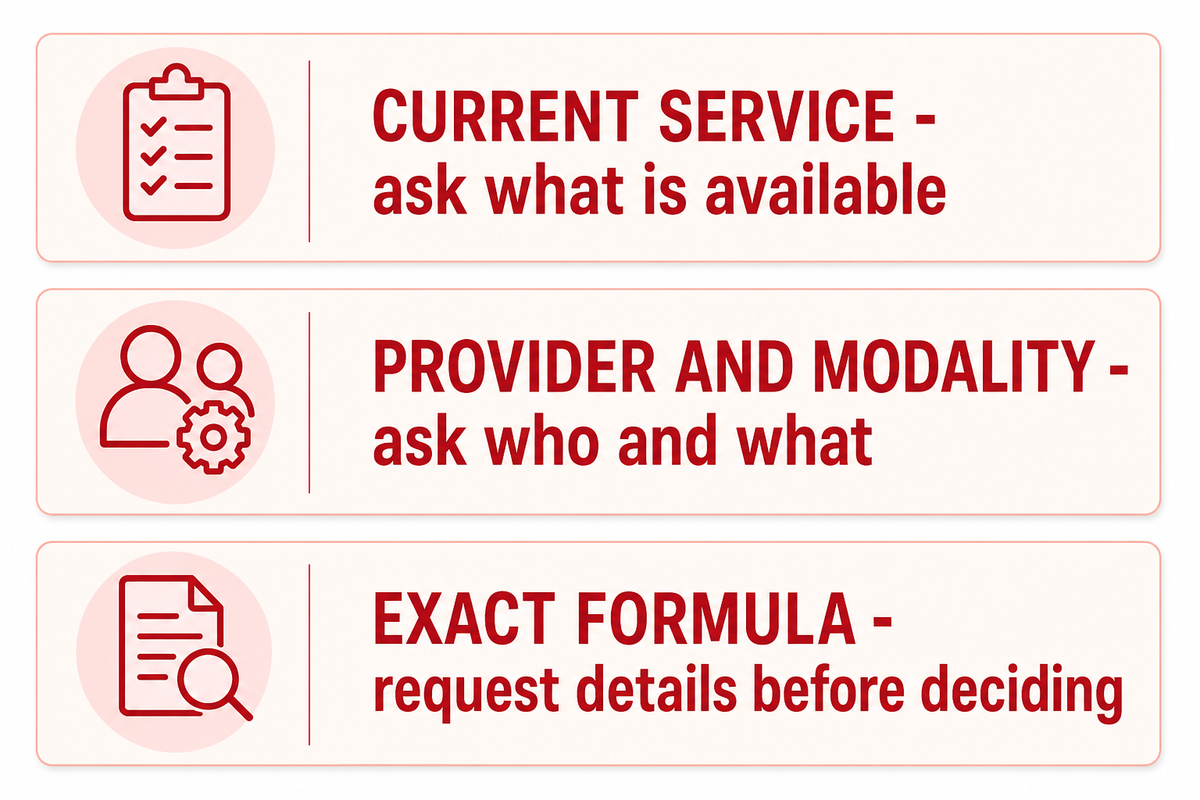
The clinic’s treatment areas page describes general modalities. It doesn’t, on the version reviewed for this article, list a dedicated postpartum programme. Ask the clinic whether an appropriate consultation is currently available for your circumstances instead of assuming that a named package, practitioner or formula exists.
- Which of the listed approaches, if any, would the clinic consider for my specific concern, and who would perform it?
- What training and sterile or heat-safety procedures apply to the proposed intervention?
- Would an incision, breast symptom, current medicine, breastfeeding or a warning sign change or postpone the plan?
- If herbs are proposed, can I receive the full formula, product and batch details before deciding?
- How would the practitioner coordinate with my maternity clinician or the baby’s clinician, and what are the consultation and product costs?
You can contact Tong Ren Tang in Dubai to ask about current availability. The about page supplies brand context, but it doesn’t verify a postpartum outcome or a clinician’s qualifications for this particular concern. If a symptom needs urgent care, make the medical contact first.
Ask the clinic about a consultation
The Postpartum Care Handoff Card
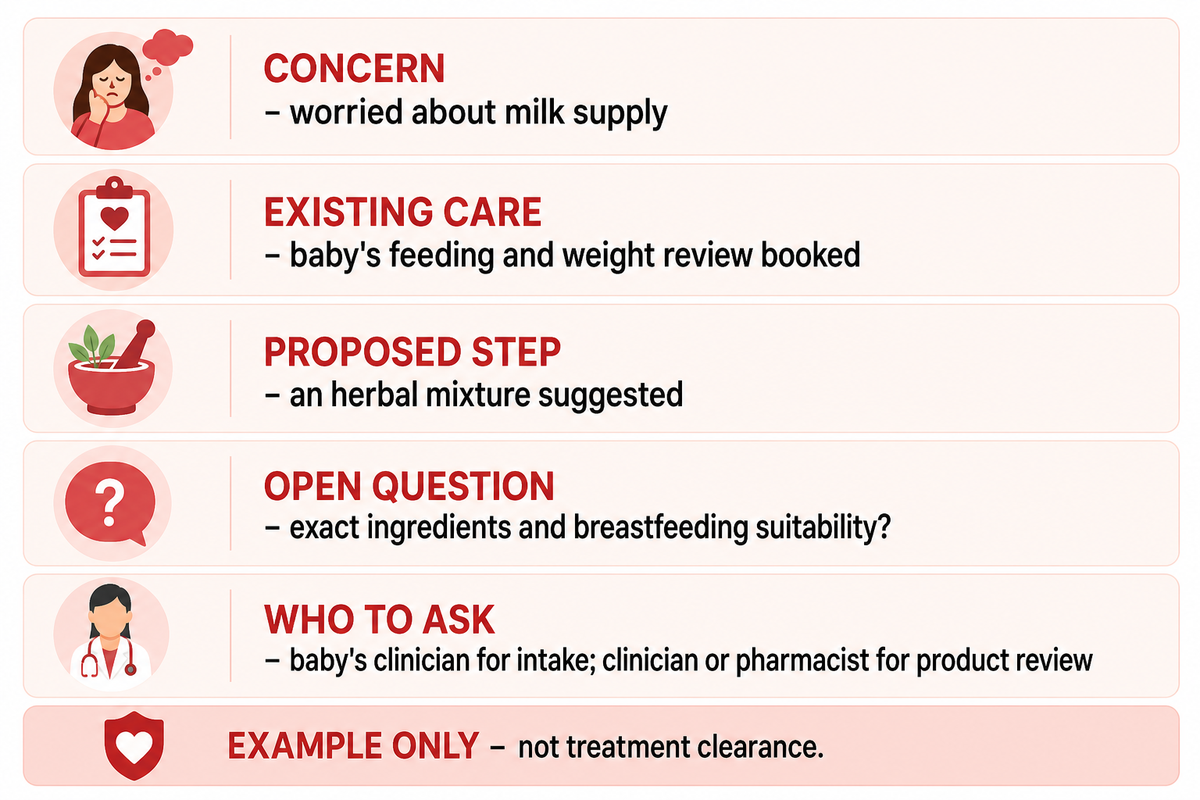
This card is an editorial way to make a question legible across appointments. It isn’t a validated triage tool, a Tong Ren Tang protocol or a substitute for an examination. Use it only after acting on urgent symptoms. The World Health Organization’s postnatal-care guidance supports consistent information and support; this five-column layout is our own practical synthesis of that general principle.
| Concern | Existing care | Proposed step | Open question | Who to ask |
|---|---|---|---|---|
| Worried about milk supply | Baby’s feeding and weight review booked | An herbal mixture has been suggested | What exactly is in it, and is this product appropriate during breastfeeding? | Baby’s clinician or lactation professional for intake; breastfeeding-aware clinician or pharmacist for the exact product |
Regarding the safe handoff: This isn’t an evaluation. If the baby isn’t feeding well or has concerning weight or diaper changes, contact the baby’s clinician promptly. Until the missing formula is identified, assume the card isn’t permission to take the formula and don’t proceed with it. Bring the answers to clinical conversations, and be sure to document which clinical assessments are still missing.
Frequently Asked Questions
What are traditional Chinese remedies for postpartum care?
The phrase can refer to several distinct practices; none is automatically suitable after birth.
They may include acupuncture, warming practices such as moxibustion, Tui Na and herbal products, alongside food or rest customs. These are different interventions. A shared traditional label does not show that each improves postpartum recovery or that each is suitable during breastfeeding. Keep planned maternity and infant care, and explain any new bleeding, fever, breast pain or feeding concern to the appropriate clinician before deciding whether a complementary appointment fits your recovery.
Could acupuncture help with postpartum recovery?
Ask about the specific goal and precautions; evidence from another condition does not prove a postpartum benefit.
Ask what specific concern it would address, who would perform it and what evidence applies to that postpartum use. Share the date and type of delivery, incision or other healing areas, medicines and current symptoms with both the maternity team and the practitioner. Evidence for acupuncture in another condition is not proof of faster postpartum healing or better breastfeeding. A severe symptom requires medical assessment rather than a trial of acupuncture.
Can I take herbs while breastfeeding?
An exact formula and product review are needed; “herbs” alone cannot receive a safety answer.
There is no useful blanket answer without the exact product and your health context. Request all ingredients, the intended amount, manufacturer and batch information, and bring your medicine list to a breastfeeding-aware doctor, midwife or pharmacist. The National Health Service says that evidence is insufficient to guarantee herbal remedies are safe while breastfeeding. Traditional use, a familiar name or a recent study of a different formula cannot fill that product-specific gap. Do not start an unidentified mixture while waiting for a review.
Is the 3-3-3 rule for postpartum a medical schedule?
The guideline reviewed here does not define this label as a medical recovery timetable.
Keep the follow-up and activity guidance from your maternity team, seek help for warning signs, and adapt family traditions around your own recovery and feeding needs. A phrase about days cannot tell you whether a symptom, wound or feeding concern needs assessment.
When should I contact a maternity clinician instead of a TCM clinic?
Urgent warning signs require medical help first; persistent concerns also deserve assessment.
Get immediate medical help for heavy bleeding, severe headache, fever, breathing difficulty or another urgent maternal warning sign. Contact your maternity team for a persistent or changing recovery concern, even when it is not an emergency. For a baby’s poor feeding, concerning weight or diaper output, or yellow-looking skin, contact the baby’s clinician promptly. Describe the birth date and symptom timing when you call, because urgent maternal signs can appear well after the day of delivery. Keep planned visits even if the immediate concern settles. A complementary consultation can be discussed after these concerns are assessed, but it should not become the place where a medical warning sign waits.
Does Tong Ren Tang Dubai offer a dedicated postpartum programme?
A dedicated programme was not listed on the treatments page reviewed for this article.
Contact the clinic to ask whether an appropriate consultation is currently available, which practitioner and modality would be involved, and how it would fit your maternity care. Do not assume that a general service listing confirms a postpartum package or its suitability for you.
Sources, Limits and Editorial Byline
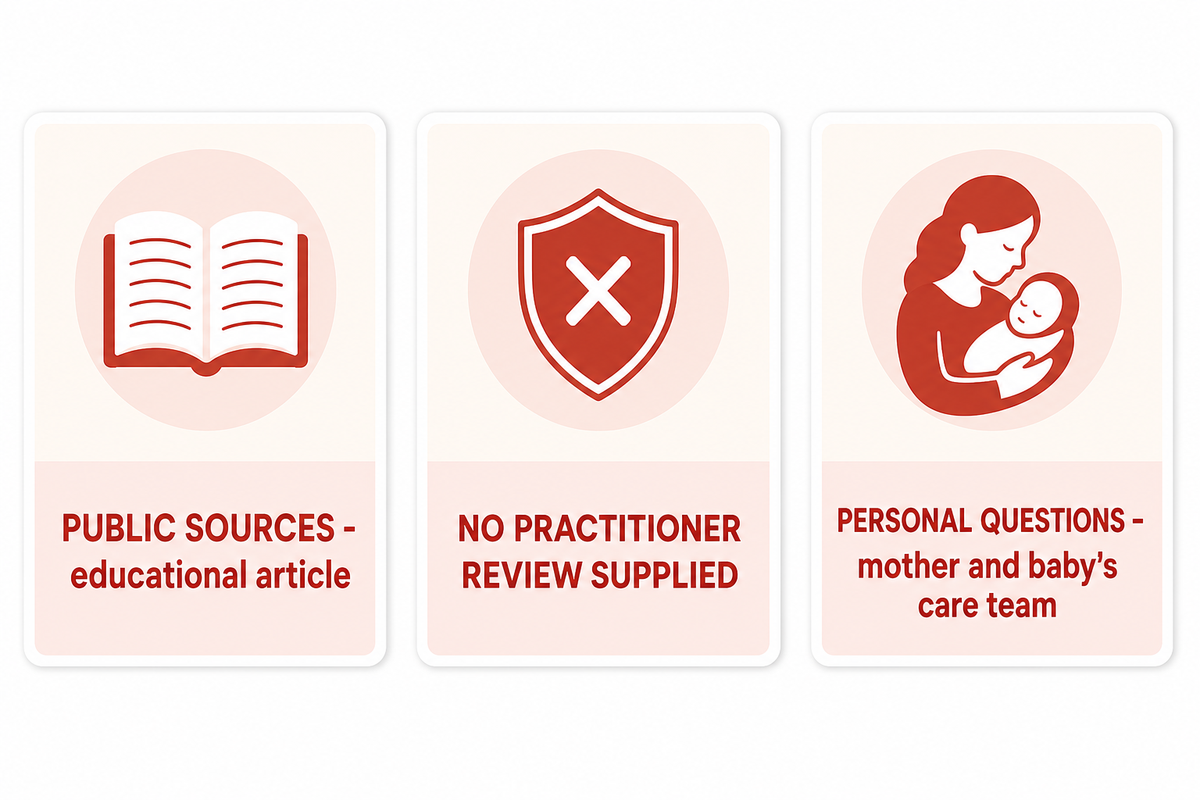
DD prepared this educational article from the public sources cited below. No patient record, practitioner review, Tong Ren Tang postpartum outcome or product-specific breastfeeding assessment was supplied. Handoff cards are for editorial guidance only. A 2026 trial is discussed from its abstract only. Information regarding the infant’s feeding, the mother’s symptoms and the proposed formula requires evaluation by clinicians involved with both mother and baby.
References & Sources
- Recommendations on maternal and newborn care for a positive postnatal experience World Health Organization, 2022.
- Urgent maternal warning signs and symptoms Centers for Disease Control and Prevention, 2024.
- Newborn breastfeeding basics Centers for Disease Control and Prevention, 2024.
- Breastfeeding and medicines National Health Service, reviewed 2026.
- Mastitis National Health Service.
- Traditional Chinese medicine: What you need to know National Center for Complementary and Integrative Health.
- Safety of herbal medicine in the postpartum period single-arm prospective study, 2025.
- Herbal decoction plus auricular acupressure and milk production randomised study abstract, 2026; full text not reviewed.