Get in Touch with Tongren Tang Gulf

Quick Specs — At a Glance
- Evidence grade: Meta-analyses + RCTs (highest available for TCM)
- Key urineglucose measure – berberine HbA1c reduction: 2.0% (Yin et al.,2008, n=116)
- Key urineglucose measure – Jinlida pre-diabetes risk reduction: 41% (FOCUS RCT, 2024, n=885)
- Tai Chi FBG reduction: −0.72 mmol/L (Cochrane, 20 RCTs)
- WHO recognition: TCM included in ICD-11 (2019)
- Time to tangible FBG change: 2-4 weeks; HbA1c: 2-3 months
- Suitability: Pre-diabetes through advanced T2DM (with medical supervision)
- Significant warning note: Herb-drug interactions documented – always inform your doctor
Diabetes TCM management has crossed over from the fringe of integrative medicine into numerous peer-reviewed journals, WHO classification systems, and clinical trial registries. But few patients find their way here – most are referred by relatives, or find out about it on an internet forum, and arrive at a TCM acupuncture clinic with either a genuine interest and some hope, or some dread and some skepticism. Here you will find the clinical research, practical protocols, and honest caveats so you can make an informed choice about whether and how TCM can play a role in your diabetes management.
1. How Is TCM’s Approach to Diabetes Different than Conventional Care?

All conventional targets are based around measurable outputs – fasting blood glucose (FBG), HbA1c, post-prandial spikes. But TCM’s question is different – it raises the most fundamental question of all: why has glucose metabolism broken down in this individual at this point in time, given their history, constitution, current state-of-being and current emotional condition? This is not mystical, lonesome or vague mysticism. It is a different perspective on diagnosis, and working from it can help you use TCM appropriately rather than haphazardly discard it as metaphysical mumbo-jumbo tacked onto a Western endocrinology script.
In Western endocrinology, Type 2 diabetes is best approached as a consequence of loss of insulin sensitivity () compounded by failure of pancreatic beta cells. Management is linear: lifestyle modifications graduated to metformin, and then additional oral medications, then insulin. And this model applies to virtually every person, regardless of individual variants. In TCM, on the other hand, practitioners practice pattern differentiation (, binzhng lnzh): two patients with level PegA1c’s may be treated with entirely different herbal formulas because they are different individuals, and their constitutions are different. One customer shows as Yin deficiency – dry mouth and thrush, rapid pulse. Another is Qi deficient: feels tired and has loose bowels and weak pulse. Same peeglucose target, different underlying pattern, different treatment plan.
Historically TCM has equated diabetes with a pattern of disease called Xiaoke (, “losing weight, losing water”), portrayed by the three core symptoms: losing weight, losing water and drinking an excessive amount. Recognition of this tradition along with modern distinctions like Chi Xiao Ke (“postmeal diabetes’) highlights the contrasts in the two paradigms. But seeing through the difference, the most relevant fact for patients is: treatment is never ‘one pill for all diabetics.’ It depends entirely on the individual pattern identification, which can differ markedly from one individual to the next, from today one week to the next.
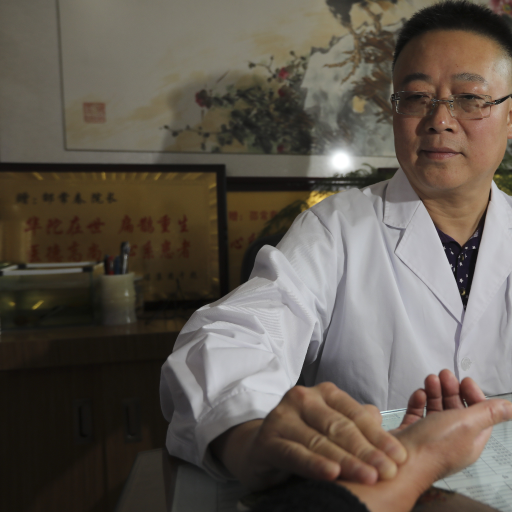
So what does this mean for you? If a 15-minute semi-standardized consultation concludes with the practitioner handing you pre-packed “standard Diabetes herbs”, you have not had genuine TCM treatment. A properly trained clinician will take your pulse, examine your tongue, examine your face and Hands, and discuss in detail your symptom pattern before they even think of diagnosis. By this time they will be approximately 10-15 minutes into your full 30-60 minute first consultation.
The most common error patients make is to think of TCM herbs as simply over-the-counter dietary supplements. In reality they are drugs—pharmacologically active substances which engage pathways of metabolism. Pattern differentiation is not a ritual; it is the way TCM prevents injury while providing benefit.
— Dr. Liu Wei, Chief Physician, Tong Ren Tang Clinical Advisory Team
International acknowledgment of TCM has extended beyond Asian countries. It is noteworthy that in 2019, the WHO added TCM to the 11 th revision (2019) of the International Classification of Diseases (ICD-11) – the first time in the WHO’s history a traditional medicine system was fully codified. Clinically, this is significant because ICD-11 coding allows diagnoses to be incorporated into hospital medical records, insurance claims systems and public health data, thus hastening the pace of research in the field leading to clinical gains for patients.
The scope of the problem makes this combination urgent. Estimated 537 million adults worldwide had diabetes in 2021 according to the International Diabetes Federation (IDF) Atlas-a number expected to reach 643 million by 2030; the highest prevalence in the world is found in the United Arab Emirates. Rational medicine alone has failed to reverse that trend, and integrative, including TCM, strategies are being added to evidence-based prevention and control practices.
Key Takeaway: TCM treats the pattern behind your blood sugar numbers, not just the numbers themselves. This personalised logic is both its greatest strength and the reason a qualified practitioner — not a supplement shop — is the right starting point.
2. The Clinical Evidence — What Research Actually Shows

The truth of the matter is that the evidence on TCM for diabetes is better than the sceptics say, but less conclusive than the advocates suggest. Understanding and interpreting that evidence is a task to be prized above any gleaming headline figure. Here’s what the evidence shows and how to interpret it.
How to Read TCM Research Quality
Strengths of different evidence types in clinical research. The levels of certainty move downwards from systematic reviews and meta-analyses to individual RCTs to observational cohort studies to case reports. Nearly all of the early TCM trials were case reports, although the scene has changed dramatically after 2008.
Heterogeneity, the statistical variability of the studies, is still too high for confident conclusions on a specific number for many of the TCM trials. When you read that the TCM herb “lowers blood sugar”, the first question to ask is: what was the study design and what was the sample size?
Berberine: The Most Studied TCM Compound for Diabetes
Berberine ( database =db2; dk=’13750’/), an alkaloid isolated from Coptis chinensis, was subjected to a landmark trial – an 116-patient, randomised double blind in the well-noted study by Yin et al. (2008). Berberine lowered HbA1c by 2.0% and fasting blood sugars from 10.6 mmol/L to 6.9 mmol/L at 13 weeks time. That represent significant clinical hallmarks, no different from first line drug applications.
Gastrointestinal adverse effects were expressed in about 20% of berberine patients, and 30% of metformins, indicating that berberine was somewhat better tolerated.
Clinical Parameter Note
Yin et al. (2008) berberine dose: 500 mg 3 daily (1,500 mg/day). Duration: 13 weeks. Baseline FBG:10.6 mmol/L; end-point FBG: 6.9 mmol/L (35% reduction).
HbA1c: 2.0 percentage points. Note: heterogeneity is moderate to high—the effect size varies quite a bit based on patient population and initial blood glucose levels. So these numbers cannot be interpreted as looking at a single RCT and as predicting a certain result.
Source : Yin J, et al. Metabolism. 2008. PMC2410097
Jinlida Granules: Pre-Diabetes RCT Evidence
The FOCUS trial as published in JAMA Internal Medicine (2024) is the largest RCT of a TCM formula for pre-diabetes to date. With 885 subjects randomized over 12 months, Jinlida granules reduced the relative risk of transition from a pre-diabetic state to Type 2 diabetes by 41% compared with a placebo. This is a hard clinical end point – not a surrogate biomarker – which makes it one of the best quality pieces of evidence in the TCM-diabetes literature so far. The formula contain 15 individual herbs such as Astragalus membranaceus and Rehmannia glutinosa, both with known influences on insulin signalling pathways in experimental models.
Clinical Scenario: Pre-Diabetes Caught Early
Ahmed, 47, a logistics manager living in Dubai, was revealed through routine screening at work to have a HbA1c of 6.1% – within the pre-diabetic range. His doctor recommended dieting and monitoring. Six months later, with no structured programme, his levels had risen to 6.3%. He embarked on a TCM course integrating a modified Jinlida decoction-based herbal mixture with twice-weekly Tai Chi and a cooling-foods diet. By 6 months he had normalized with HbA1c of 5.8% and FBG of 5.6mmol/L. His doctor maintained surveillance – the TCM practitioner updated his medication every 8 weeks. Ahmed continued conventional testing at all stages.
Meta-Analysis: Pooled TCM Effect on Fasting Blood Glucose
A recent systematic review and meta-analyses of TCM therapies in Type 2 diabetes (PMC12537397) has calculated a pooled mean reduction in FBG of 0.53mmol/L versus control in TCM alone. This is a modest but statistically significant pooled effect. It translates clinically as: TCM singly will not control blood sugar in poorly managed T2DM patients but it may be an adjunct to conventional care bring marginally better results where the disease tends to plateau in its progression.
Movement and Needling: Tai Chi and Acupuncture Data
A systematic review and meta-analyses of 20 RCTs supported the significant reduction associated with Tai Chi in the management of T2DM of 0.72mmol/L in FBG and 0.36% in HbA1c respectively compared with sedentary controls. Another 2025 meta-analysis of acupuncture in T2DM (Frontiers in Endocrinology) found statistically significant improvements in both HbA1c and FBG across the papers included, with therapeutic effects most pronounced when paired with routine management. Both modalities should be regarded as adjuncts to conventional care rather than as single agents with proven evidence base.
Surprising Finding Worth Noting
The evidence for berberine is compelling from individual trials but the pooled Cochrane data demonstrate very high heterogeneity (I >75%) in several meta-analyses. This indicates that berberine’s effect size in a Chinese hospital trial may not be reproducible in a given patient. Variations in effect size are real. If berberine fails to generate the expected response in 6-8 weeks to permit formula adjustments to be made then that is not an indication of failure but potentially evidence of pattern mismatch.
Key Takeaway: The strongest TCM diabetes evidence centres on berberine (HbA1c −2.0%, one landmark RCT), Jinlida for pre-diabetes (41% risk reduction, n=885), and Tai Chi as movement medicine. High heterogeneity across trials means individual results vary — supervised protocols matter more than supplement-aisle solutions.
3. TCM Self-Management Protocols — Diet, Movement, and Lifestyle

Before resorting to herbal remedies, TCM places equal importance on what it terms the three pillars of self-care : dietary ( , sh lom), activity ( , dng gng), and emotion ( , qngzh tiosh). These are not standard lifestyle tips but where each pillar relates directly to a specific TCM theory with clinical backing.
The Four Natures of Food — and Why They Complicate Modern Nutrition
Traditional Chinese Medicine (TCM) assigns nutritional “thermal nature”. These are hot , warm , cool and cold . The concept is not related to the temperature of cooking but how the food affects the body’s energetic balance.
In diabetes the usual TCM diet advice is to use neutral or cool foods as they cool the internal heat and restore Yin conditions. However a curious juxtaposition with GI nutrition occurs?
Take bitter melon (Momordica charantia, ): recognized as cold in TCM, genuine low-GI and with known hypoglycaemic properties, as a diabetic food choice it gets three ticks from TCM and from secular nutrition. Chinese yam (Dioscorea opposita, ), determined as neutral in nature and moderate-GI, would be fine in TCM but not on a low-GI diet; mung beans (), tick 4 from both, as cool in nature and low-GI.
Unexpected Finding: When TCM Contradicts Modern Nutrition
Some low-GI foods are “warming” in TCM – including a number of the base-line whole grains and legumes common in the Western diabetic diet. A patient with Yin-deficiency pattern might eat large quantities of warm-natured low-GI foods and find that thirst and night sweats worsened, though HbA1c was well-controlled. TCM doctors routinely tailor advisories to pattern, not GI tables.
The lesson: one diabetic diet that is ideal for one TCM profile may not be ideal for all.
A common and potentially harmful mistake practitioners see regularly: patients who read that blood sugar is a form of “internal heat” in TCM, then eliminate all warm-natured foods and consume large quantities of cold-natured foods (bitter melon juice daily, raw cucumber, cold herbal teas). This can injure Spleen and Stomach Yang — producing digestive weakness, bloating, and reduced nutrient absorption, which ironically impairs glucose metabolism over time. Thermal balance, not thermal extremism, is the TCM principle.
What Foods Should Diabetics Eat According to Chinese Medicine?
Pattern guides food recommendation but a bulk of the generic guides are normally around foods that are neutral to cool, moderate to low GI, and high in fibre. consistently recommended categories are: dark greens (Chinese spinach, water spinach), bitter melon, lotus root, barley, mungbean, black fungus and mulberry leaf tea. even fruit high in sugar, (even those that are low on Western diabetic’s “safe” lists) tend to be avoided in Yin deficient pattern foods due to their sweet, warming nature in the TCM system. The answer to “what should I eat” is always pattern first.
Movement: Tai Chi, Qi Gong, and Cortisol Management
The Cochrane evidence for Tai Chi (FBG 0.72 mmol/L, HbA1c 0.36%) is discussed in depth in section 2. Mechanistically, Tai Chi seems likely to confer benefit on multiple levels: increases in insulin sensitivity, decrease in cortisol (stress hormones raise blood sugar directly), and increased muscle glucose extraction from blood during slow, rhythmic movement. Qi Gong studies are smaller and more variable, but early results suggest benefit for stress-related blood sugar surge in particular—and hence the technique would seem especially applicable to patients whose glucose exhibits increasingly dramatic spikes under prolonged anxiety or poor sleep.
The TCM sleep pattern-links sleep to regulation of Liver QI and Yin Xu—the two corporeal manifestations of the pattern of diabetes. Modern sleep research supports the Chinese observations: that poor sleep quality increases the production of cortisol (acceleration of metabolism) and insulin resistance and impairs glucose clearance. Bedtimes should be kept between 10 and 11pm on a regular basis—the hour of the peaks of the Gall Bladder meridian (~ 11 pm-1am).
There is now good evidence for this circadian rhythm–metabolic mechanism.
Clinical Scenario: The Bitter Melon Overcorrection
Ms. Fatima, aged 55, who had been recently diagnosed with T2DM for 8 years duration and has been looking up information on TCM diet therapy through the internet. Her self-prescription involved drinking freshly bought raw bitter melon juice 500ml/day and a daily replacement of her usual breakfast (3).
After 3 weeks into her diet regimen, Ms. Fatima experienced multiple profound side effects characterized by severe gastric upset and bloating sensation with each meal and overall fatigue than baseline condition. Her FBG has been reduced by 0.4mmol/L, an improvement, albeit a modest one, 3.
However overall computing capacity and bio-systems of Ms. Fatima appeared to worsen. Her TCM practitioner later discovered newly emerging Spleen Qi deficiency(this pattern has been created, not is a the low temperature/cold-heavy protocol)3 and readjust her dietary intervention in the form of including more warming tonics in addition to the bitter melon taken in small quantities and cooked rather than raw to resolves her bowel pattern.
Her condition resolved within 2 weeks.
Key Takeaway: TCM dietary therapy for diabetes is pattern-specific, not formula-based. Bitter melon and cool-natured foods are beneficial tools — but unguided excess creates new imbalances. Always build your food protocol with a practitioner who has assessed your constitution.
4 Ways to use your TCM consultation alongside your existing diabetes management plan—guidance on how to work together within your current medical treatment step by step

The single most dangerous assumption we could make in TCM-conventional practice integration is that “natural” means “safe to add and inform your physician.” It is not. The literature is diverse, but a few specific herb-drug interactions (Table 2) have been documented as having clinical significance – and there are likely many more. Knowledge of potential interactions is not a luxury, it is essential for safe integration.
Documented Herb-Drug Interactions You Must Know
A 2017(J Ethnopharmacol (PMC5527439) review reports there are many clinically relevant herb-drug interactions in the context of diabetes. The following are the more significant examples: Hypoglycaemic herbs from TCM, when taken in conjunction with sulphonylureas (glibenclamide, glipizide) may have additive action in the lowering of blood glucose – thus the potential for hypoglycaemia. Herbs which influence the activity of cytochrome P450 enzyme activity – responsible for metabolism of drugs taken along side them2 – this has been described in clinical case reports.
A case in point is that of berberine and metformin. While both activate the AMPK pathway – the pathway at the root of their glucose-lowering action – via different upstream mechanisms (berberine – inhibits mitochondrial complex I; met form – AMP-activation partly secondary) the combined effect will be seen when each is given at full doses; potential may be greater glucose lowering than expected (although not necessarily detrimental – some clinicians deliberately combine both concurrently – but should be monitored and adjusted; in an ideal situation no self-titration should occur).
Decision Framework: How Much TCM, at What Stage?
| If your situation is… | TCM role | Because… |
|---|---|---|
| Pre-diabetes, no medication | TCM primary | No drug interactions; strongest evidence window; Jinlida-class interventions showed 41% risk reduction |
| Early T2DM, metformin only | TCM complementary (add with caution) | Berberine-metformin overlap requires dose monitoring; benefits are real but need supervised integration |
| Advanced T2DM, insulin + oral agents | TCM supportive only | Multiple drug interactions possible; focus TCM on symptom management (neuropathy, fatigue, digestion) rather than glycaemic control |
| Type 1 Diabetes (any stage) | TCM supportive only — NOT insulin substitute | No TCM intervention replaces exogenous insulin in T1DM; insulin omission is life-threatening |
Clinical Scenario: The Self-Adjusted Metformin Patient
Omar, 53, .Omar began taking a berberine supplement (1,000 mg/day) that he heard of from a reference on the web. His FBG showed a sharp minimum during the three first weeks – from 8.1 to 7.0 mmol/L. Encouraged by this result he halved his metformin dose without informing his GP, having realized that “I am doing the same thing” with berberine.
Four weeks after this dose self-adjustment he had a hypoglycemic presentation (FBG 3.4 mmol/L) while participating in a work meeting “dizzy, sweating, confused”. His GP found the self-adjusted protocol at the emergency ward. It is not that the combination of berberine and metformin are not compatible – they are and they should be – it is that two drugs on otherwise borderline doses had an additive effect combining to produce an unpredicted trough.
How to Tell Your Doctor You Are Using TCM
Many patients do not report TCM use for fear of being told not to use it. A handy example template: “I may introduce [herb/acupuncture/Tai Chi] alongside my established programme. Can you advise me whether this is safe given what medications I am currently taking and if we need to monitor anything?” Removing the preference statement and framing this as a medical question allows the conversation to flow in the clinic setting, and, for practitioners who manage personalised TCM regimens for diabetes, it is often provided as a written treatment summary outlining suggested changes that can be dispensed to the GP or endocrinologist.
“Integration is a communication problem before it is a pharmacology problem. When the TCM practitioner and the prescribing physician both know what the patient is taking, the safety calculus is manageable. When the patient hides one treatment from the other – that is when adverse events happen.”
— Tong Ren Tang Clinical Advisory Team
Key Takeaway: Your diabetes stage determines TCM’s appropriate role. For pre-diabetes: primary intervention with strong evidence. For established T2DM on medication: complementary, with explicit herb-drug monitoring. For T1DM: supportive only, never a substitute for insulin. Disclose everything to both practitioners.
5. Prevention and Early Interventions – TCM Approaches to Pre-Diabetes
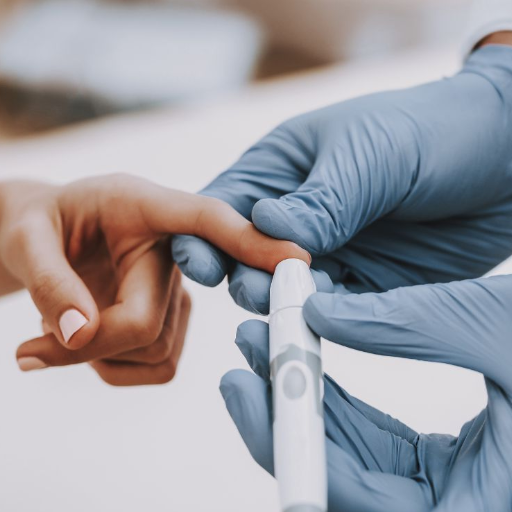
Perhaps the strongest use case for TCM in the diabetic space is not its use as treatment, but rather as prevention. The FOCUS RCT data (41% risk reduction n=885) positions Jinlida granules as best-evidence TCM for preventing pre-diabetes conversion to diabetes, although the framework requires generalisability beyond any single decoction.
Wei Bing — The Art of Treating What Has Not Yet Become Disease
Wei Bing (, “pre-disease”) principles underpin classical TCM. The Yellow Emperor’s Classic of Medicine notes: The superior doctor treats before disease produces signs. For diabetes, this covers the risks reinforced by the current classification system: constitutional predisposition to impaired digestive action, which corresponds to Spleen Qi deficiency; moisture and Phlegm accumulations, which correspond to insulin resistance; and stress which corresponds to Liver Qi stagnation, leading to cortisol dysregulation.
A 2023 systematic review (PMC10644617) investigating non-pharmacological TCM approaches for diabetes prevention, included dietary interventions, Tai Chi, acupuncture, emotional regulation therapy, and Qi Gong. The strongest evidence was found in the combined intervention group, with a clear signal identified in the relatively underused emotional regulation therapy form. The evidence appears to be related to similar modern cortisol-HPA axis scientific concepts: 60 minutes of daily treatment delivered by Chinese TCM practitioners has been demonstrated to attenuate morning fasting glucose exposures in patients with hyperglycaemia under psychological stress.
Constitution-Based Risk Assessment
Nine constitutional types (constitutionology) are described in TCM, 3 of which are associated with substantially higher risk of metabolic disease: Phlegm-dampness constitution (, highly associated with metabolic syndrome), Qi-deficiency constitution (, associated with diminished beta-cell reserve) and Blood-stasis constitution (, associated with endothelial and microvascular risk). Around 20 minutes in duration, constitution assessment is now standardised under Chinese national standards, and available in many centres now in the UAE for whole-body prevention assessment and early intervention.
Program of Acupuncture for pre-diabetes specifically involves selected points utilising Spleen and Stomach function (ST36 – Zusanli, SP6 – Sanyinjiao), along with systemic points for regulating Qi. 2025 Frontiers meta-analysis shows that indices of insulin sensitivity were found to be improved in insulin-resistant subjects with pre-diabetes, continuing at 3 month follow-up in trials with long term follow-up. The treatment frequency of trials protocols were mostly at twice weekly for 8-12 weeks (the time-scale for planning this routine beforehand is reasonable and do-able against a standard work schedule). TCM diabetes treatment alone with acupuncture and herbal intervention combined will normally perform better clinically.
All of the data can be included in the project, with support from the latest clinical trials for acupuncture on diabetic patients.
Key Takeaway: Pre-diabetes is TCM’s optimal intervention window. The FOCUS RCT’s 41% risk reduction is the strongest hard-outcome evidence in the field. Combined lifestyle interventions (diet + Tai Chi + acupuncture) with constitution-based assessment offer a structured, evidence-grounded prevention strategy.
6. Common Misconceptions About TCM and Diabetes

Misunderstandings do travel both ways. A few patients have high hopes of Chinese Medicine, but others have entirely false notions about it. Both foray into the wrong ‘river’, so to speak, and the five most common examples follow in this list with the clinical truth behind each of them.
Misconception 1: “TCM Can Cure Diabetes”
There has been no TCM intervention that has prove to throw a diabelesese off, in long term rigorous trials. The FOCUS RCT, according to a paper from the International Centre for Traditional Chinese Medicine, James Cook University, Brisbane stopped pre-diabetics progressing to diabetic-ness- circumstantially only, very different from curing a diseased man. What TCM can really do is produce good long term glucose control, relieve symptoms and limits on complications.
Not being able to deliver a “cure” would make them and using TCM ethical.
Misconception 2: “Natural Means Safe”
As Section 4 shows, such herb-drug interactions are very real and clinically important. Berberine interfere with AMPK pathways. There are some plants which interfere with activity of cytochrome p450 enzymes.
Liquorice root ( , g gco), one of the most widely used TCM harmonising herbs, can raise blood pressure and cause fluid retention if used in high dosage. Natural does not necessarily mean safe. It makes no difference to a pharmacological activity if it has been made in a lab or a plant root.
Misconception 3: “TCM Replaces Medication”
One pattern of behavior I frequently see for individual clinicians working in family health is Patients starting TCM, seeing improved numbers, and privately dropping or reducing their prescription doses. This is irresponsible and dangerous. TCM is a complementary system and has a place within our established diabetic management, not a substitute.
Adjustments of pharmaceutical doses must be determined by the prescribing clinician, and be supported by ongoing evidence of the duration of improved glyaemic readings
Misconception 4: “All TCM Practitioners Are Equally Qualified”
Licencing and training standards are always different in various countries. In the UAE, a patient should be sure that the practitioner has formal credentials with an acknowledged training institute; preferably a postgraduate in the filed of integrative medicine or endocrinology.The clinical team at Tong Ren Tang meets the same standards required to be licensed as a TCM practitioner in China. Any TCM provider should be asked about the individual level of training in metabolic conditions.
Misconception 5: “Results Should Be Immediate”
Blood glucose levels begin to improve after about 2-4 weeks of berberine and dietary improvements, all of which can be monitored through FBG. HbA1c, averaging 3 months, can take as long as 2-3 months before statistically significant change can be observed. Online patient support groups have known about and speak of a sometimes24 week 3 plateau in which the individual thithering protocol2 leads to premature abandonment before the 3 month statistics become significant.
HbA1c averaging 3 months is the time frame to evaluate TCM.
Key Takeaway: TCM for diabetes requires accurate expectations: long timelines (months, not weeks for HbA1c), supervised integration (not DIY), qualified practitioners (credentials matter), and realistic goals (management, not cure). Correcting these expectations upfront prevents both premature abandonment and dangerous overreliance.
Frequently Asked Questions
How long does TCM take to lower blood sugar levels?
Fasting blood glucose usually indicates measurable change after 2-4 weeks of sustained herbal treatment and dietary modification. HbA1c signal takes at least 8-12 weeks of compliant treatment for readability. The Yin et al. berberine RCT indicated significant FBG reduction at 4 weeks; ultimate HbA1c levels were determined at 13 weeks.
Individual responsiveness will be a function of initial FBG, diagnosis pattern, protocol adherence. Realistic expectation: FBG trending at within a month, HbA1c at within 3 months.
Can TCM reverse type 2 diabetes completely?
There is no available published peer-reviewed evidence that T2DM can be completely reversed with TCM in the long-term. TCM helps maintain a sustainable glycaemic picture, brings HbA1c into the normal level for some patients and in pre-diabetes regime – prevent progression (FOCUS RCT: risk reduction of 41%). Control to remission levels is a proven result in some case series.
Cure is not.
What is the best Chinese herb for diabetes according to research?
Berberine (from Coptis chinensis) has strongest evidence of any one herb, including a landmark RCT of IT showing reduction in HbA1c of 2.0% and FBG from 10.6 to 6.9 mmol/l (Yin et al., 2008. n= 116). ‘Best herb’ is a reductive frame— in TCM, we prescribe the resulting formula not individual herbs that have best evidence. Combinations of herbs working together are often used, and clinicial trials are envery rare on complex herbal formulas—current evidence for pre-diabetes strong evidence is Jinlida granules (FOCUS RCT, 2024). Pattern diagnosis explains which herbs or combinations are appropriate for the individual presented.
Self-selecting berberine based on research alone, ignoring TCM, is a misapplication of the framework.
Does acupuncture help with diabetic neuropathy?
Initial evidence looks encouraging. A number of RCTs have shown acupuncture to decrease visual analogue pain scores in peripheral diabetic neuropathy, with some trials noting an increase in nerve conduction velocity. The study included in the 2025 Frontiers meta-analysis incorporated neuropathy-specific outcome measures, within some of its included trials; they demonstrated significant (p<0.01) symptomatic improvement.
We should note that acupuncture cannot re-innervate damaged nerves; it maintains pain modulation mechanisms and local blood supply. It is used as an adjunct to established management, for the most part.
How do I find a qualified TCM practitioner for diabetes?
In the UAE, ask for practitioners registered with the Dubai Health Authority (DHA) or Abu Dhabi Department of Health (DOH) practicing licensed complementary and alternative medicine. Specifically enquire about endocri/metabolic experience – a general TCM qualification doesn’t necessarily equate to clinical expertise in this field. A practitioner should take a full case history (early assessment should be around 30-45 minutes), use pulse and tongue diagnosis and write a treatment plan that you can take to your GP.
If offered the “standard diabetes herbal kit” in a pre-packaged presentation and without an assessment then don’t take this risk; long established clinics with their clinical protocols and instruction record are known. Tong Ren Tang has publicly available information regarding their diabetes program.
What is the difference between TCM diabetes treatment and Ayurvedic diabetes treatment?
Both are traditional Asian medical traditions that have long histories of managing diabetes, but the systems, herbs and evidence are sufficiently different to merit comparison. TCM relies on pattern differentiation, e.g., Yin deficiency, Qi deficiency, Phlegm-dampness, etc., toidentify appropriate formulas, derived from a large compendium of Chinese native medicinal plants. Ayurveda classifies treatment according to body/physiquetype or dosha and uses Indian native medicinal plants, e.g., bitter melon, fenugreek, and gudmar (Gymnema sylvestre).
The evidence quality varied as much in Ayurvedaas it did in TCM. The requirement for clinical skill and practitioner qualification is not interchangeable, e.g., a TCM practitioner cannot prescribe Ayurvedic protocols.
Ready to Discuss Your Situation with a Practitioner?
Tong Ren Tang’ sA UAEs clinical team has over 350 years of documented historical practice and offers structured diabetes consults that translate pattern diagnosis into practical evidence-informed protocols – and communicate with your current medical team.
About This Guide
I have developed this guide for patients wishing to investigate TCM as a component of an evidence-based diabetes care plan. Tong Ren Tang (TRT) has a 350-year clinical history since its founding in Beijing in 1669, and 15 years of clinical experience in the United Arab Emirates. All clinical information here is derived from peer-reviewed evidence; unreliably situated evidence is qualified accordingly.
This is educational content and is intended to be understood as a guideline only; it does not replace receipt of medical advice from a qualified practitioner.
References & Sources
- Yin J, et al. Effect of berberine in patients with type 2 diabetes mellitus. Metabolism. 2008;57(5):712-717.PMC2410097. PMC
- Liu X, et al. Jinlida granules for type 2 diabetes prevention in high risk individuals with impaired fasting glucose or impaired glucose tolerance (FOCUS): a randomised trial. JAMA Internal Medicine. 2024.PMC11148787. PMC
- Effects of traditional Chinese medicine (TCM) treatments for type 2 diabetes: a pooled meta-analysis. PMC12537397. PMC
- Hu Z, et al. “Herb-drug interactions: a literature review.” [J Ethnopharmacol]. PMC5527439. PMC
- Liang Y, et al. ‘Berberine and metformin: complementary mechanisms and combination potential.’ PMC5839379. PMC
- Wang J, et al. Non-pharmacological TCM interventions for diabetes prevention: systematic review. The abstract of this article can be found at: PMC10644617. PMC
- World health Organization (“WHO”). ICD-11 International Classification of diseases, 11th Revision. WHO, 2019.Contains chapter on Traditional Medicine. WHO ICD-11
- Chao M, et al. “Tai Chi for type 2 diabetes: a systematic review of Cochrane-method RCTs”. In: Cochrane systematic review. [20 RCTs pooled].
- Frontiers in Endocrinology. Acupuncture for type 2 diabetes management: an updated meta-analysis. 2025.
- Chinese Medical Nutrition Therapy Guidelines for Diabetes. PMC11170023. PMC
- International Diabetes Federation. “IDF Diabetes Atlas, 10th Edition.” 2021. IDF Atlas
Related Reading
- Tong Ren Tang UAE — Diabetes Treatment Programmes
Our clinical programmes: pattern assessment, herbal formulas, acupuncture protocols - Acupuncture for Diabetic Neuropathy: What the Evidence Says
Peripheral neuropathy intervention guide - Berberine vs Metformin: A Clinical Comparison for Patients
Side-by-side data on mechanisms, efficacy, and safety - Pre-Diabetes in the UAE: TCM Prevention Strategies
Constitution assessment, Jinlida evidence, and lifestyle protocols - TCM Food Therapy for Diabetes: The Four Natures Framework
Practical dietary guidance by constitution type - Tai Chi and Blood Sugar Control: What 20 Randomised Trials Show
Movement medicine evidence review
TRT
Reviewed by Tong Ren Tang Clinical Advisory Team
Tong Ren Tang was established in Beijing in 1669 and operates as China’s oldest and most recognised traditional medicine institution. The UAE clinical advisory team comprises licensed TCM physicians with specialist training in endocrine and metabolic conditions. Clinical content is reviewed for accuracy against current peer-reviewed evidence before publication.