Get in Touch with Tongren Tang Gulf

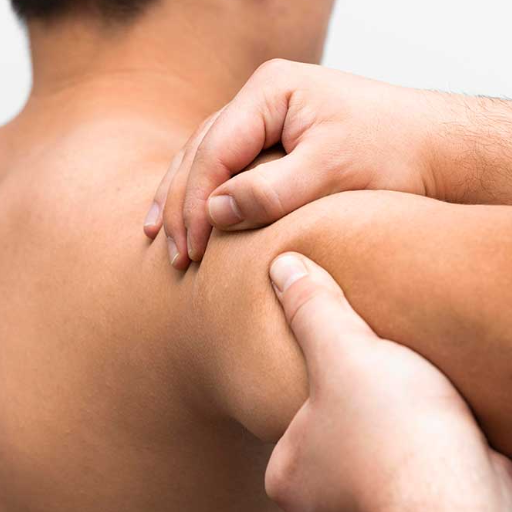
Quick Specs: Frozen Shoulder (Adhesive Capsulitis)
| Medical Name | Adhesive Capsulitis of the Glenohumeral Joint |
| Peak Age Range | 40–60 years |
| General Prevalence | 2–5% of the general population |
| Prevalence in Diabetic Patients | 13.4% (95% CI: 10.2–17.2%) |
| Typical Duration | 1–3 years; 41% report residual symptoms beyond 4 years |
| First-Line Treatment | Physical therapy + oral anti-inflammatory drugs ± corticosteroid injection |
What Is Frozen Shoulder? Signs, Symptoms and How It Develops
 Frozen shoulder results from a stiff and inflamed adhesive capsule where the connective tissue that surrounds the ball and socket shoulder joint begins to replicate scar tissue. When healthy, the capsule stretches and provide room for your upper arm (humerus) to move within the glenoid socket of the scapula. When frozen shoulder develops, there is a thickening inside this capsule; developed adhesions compromise the space for your shoulder.
Symptoms of frozen shoulder include a rotator cuff type side pain that worsens at night, a stiffening that reduces both active and passive range of motion, and difficulty completing functional tasks such as reaching overhead, fastening a seatbelt, and putting your arm through a coat. Rotator cuff injury differs in that frozen shoulder limits active AND passive motion whereas rotator cuff pain limits only active motion. That distinction matters for diagnosis.
According to StatPearls (NCBI Bookshelf), adhesive capsulitis affects roughly 2–5% of the general population, with women making up 58% of cases. It rarely appears before age 40 and peaks between ages 50 and 60. Frozen shoulder may affect one or both sides, though bilateral involvement occurs in up to 20–30% of cases over time.
Frozen shoulder results from a stiff and inflamed adhesive capsule where the connective tissue that surrounds the ball and socket shoulder joint begins to replicate scar tissue. When healthy, the capsule stretches and provide room for your upper arm (humerus) to move within the glenoid socket of the scapula. When frozen shoulder develops, there is a thickening inside this capsule; developed adhesions compromise the space for your shoulder.
Symptoms of frozen shoulder include a rotator cuff type side pain that worsens at night, a stiffening that reduces both active and passive range of motion, and difficulty completing functional tasks such as reaching overhead, fastening a seatbelt, and putting your arm through a coat. Rotator cuff injury differs in that frozen shoulder limits active AND passive motion whereas rotator cuff pain limits only active motion. That distinction matters for diagnosis.
According to StatPearls (NCBI Bookshelf), adhesive capsulitis affects roughly 2–5% of the general population, with women making up 58% of cases. It rarely appears before age 40 and peaks between ages 50 and 60. Frozen shoulder may affect one or both sides, though bilateral involvement occurs in up to 20–30% of cases over time.
The 3 Stages of Frozen Shoulder — and How Long Each Lasts
 The symptoms of frozen shoulder move in a predictable course. Such movement guides treatment interventions; a frozen shoulder patient who is considered to be in stage 3 of the disease would generally receive a very different treatment plan than a frozen shoulder patient in stage 1.
| Stage | Duration | Pain Level | Stiffness | Primary Goal |
|---|---|---|---|---|
| 1. Freezing | 2–9 months | Severe, especially at night | Increasing — gradual loss of motion | Pain control; gentle movement within tolerance |
| 2. Frozen | 4–12 months | Decreasing | Maximum — shoulder motion severely limited | Restore range of motion through structured therapy |
| 3. Thawing | 5–24 months | Minimal | Gradually improving | Rebuild strength and full recovery |
📐 Engineering Note — Range of Motion Benchmarks
Frozen shoulder’s three planes are flexion/extension, abduction/adduction, and internal/external rotation. Normal range of motion (measured with the goniometer) for f, e is 160-180; frozen shoulder patient in stage 2 may be found to have restricted motion of 90-100. E is normally 90 but can be 0-10. I usually reaches to the buttocks versus T5-T7 as it normally does. These three measurements depending on the stage determine the intervention.
⚠️ Common Misconception
Most chronic frozen shoulder patients are told that the condition “eventually gets better on its own in 1-2 years.” However, the prospective, 5-10-year study cited here observing 269 frozen shoulder patients reports that 41% of shoulder symptoms (www.sprintzeal.com) persisted after follow-up, and only 39% reached full functional recovery. Early intervention that is stage-sensitive makes sense; frozen shoulder is not simply a waiting game.
What Causes Frozen Shoulder? Risk Factors You Should Know
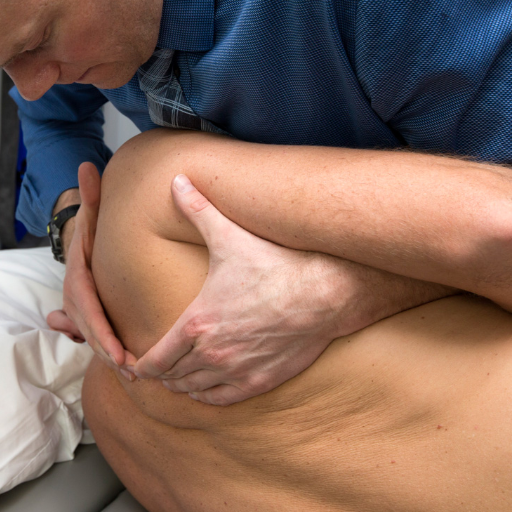 There is no single causative factor of frozen shoulder. Ultimately, the inflammation of the joint capsule sets into motion a fibrotic cascade, in essence the body produces excess scar tissue which contracts and thickens the capsule. Several conditions are known to significantly predispose.
The strongest association by far is with diabetes. A systematic review and meta-analysis of frozen shoulder in PMC (2023) estimated the incidence of frozen shoulder in DM patients as 13.4%; roughly 5-6 times that of the general population. Patients with diabetic frozen shoulder are known to have more resistant disease. 36% of diabetic patients undergoing manipulation under anesthesia in one study required repeat, compared to 15% of nondiabetics.
A meta-analysis in PMC (2020) observed significantly increased prevalence of hypothyroidism (OR 1.92) and subclinical hypothyroidism (OR 2.56) in frozen shoulder.
Other noted predisposing factors include immobility following surgery or injury (particularly shoulder, arm, or thoracic surgery). Parkinsons Disease, cardiac conditions, and cerebrovascular stroke are also established risk factors. Women are more frequently affected than men. There is no predilection for the dominant side, either shoulder may also be affected after minor injuries. Shoulders may also be frozen after prolonged “protection” during recovery from even minor trauma.
There is no single causative factor of frozen shoulder. Ultimately, the inflammation of the joint capsule sets into motion a fibrotic cascade, in essence the body produces excess scar tissue which contracts and thickens the capsule. Several conditions are known to significantly predispose.
The strongest association by far is with diabetes. A systematic review and meta-analysis of frozen shoulder in PMC (2023) estimated the incidence of frozen shoulder in DM patients as 13.4%; roughly 5-6 times that of the general population. Patients with diabetic frozen shoulder are known to have more resistant disease. 36% of diabetic patients undergoing manipulation under anesthesia in one study required repeat, compared to 15% of nondiabetics.
A meta-analysis in PMC (2020) observed significantly increased prevalence of hypothyroidism (OR 1.92) and subclinical hypothyroidism (OR 2.56) in frozen shoulder.
Other noted predisposing factors include immobility following surgery or injury (particularly shoulder, arm, or thoracic surgery). Parkinsons Disease, cardiac conditions, and cerebrovascular stroke are also established risk factors. Women are more frequently affected than men. There is no predilection for the dominant side, either shoulder may also be affected after minor injuries. Shoulders may also be frozen after prolonged “protection” during recovery from even minor trauma.
💡 Pro Tip
If you have diabetes or thyroid disease and are noticing early dysfunction or stiffness, see your clinician for diagnosis and treatment. Intervention “freezing” occurs earlier than adhesive capsulitis, and effective intervention at this stage results in better prognosis than when stiffness is advanced and adhesions are established.
How Frozen Shoulder Is Diagnosed
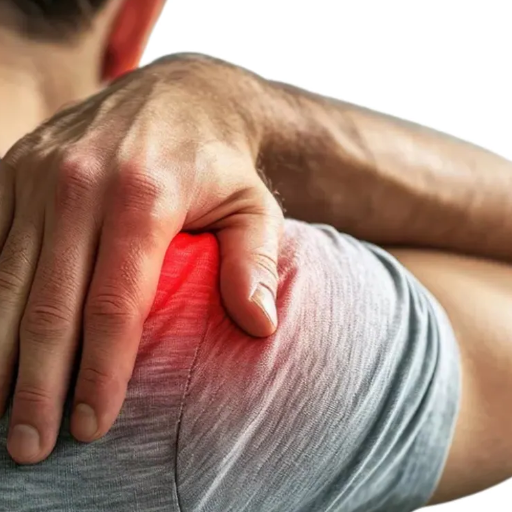 Frozen shoulder is effectively a diagnosis arrived at through the clinical exam. An important feature diagnostic of frozen shoulder is a comparison between active and passive ranges of motion; both are similarly restricted in frozen shoulder, especially external rotation and flexion. This is in direct contrast to rotator cuff tear, where although active range of motion is limited, passive range of motion remains normal.
During the physical exam, your provider will assess flexion, abduction, external and internal rotation. They may also check for tenderness and note compensatory motion of the shoulder blade.
X-ray is ordered to exclude other causes such as osteoarthritis, calcification, or osseous shoulder abnormalities. MRI may be ordered in suspected rotator cuff tear, and MRI changes consistent with frozen shoulder (capsular thickening, decreased capsular volume) can help establish diagnosis. Ultimately, frozen shoulder is diagnosed on physical exam, not imaging tests.
Frozen shoulder is effectively a diagnosis arrived at through the clinical exam. An important feature diagnostic of frozen shoulder is a comparison between active and passive ranges of motion; both are similarly restricted in frozen shoulder, especially external rotation and flexion. This is in direct contrast to rotator cuff tear, where although active range of motion is limited, passive range of motion remains normal.
During the physical exam, your provider will assess flexion, abduction, external and internal rotation. They may also check for tenderness and note compensatory motion of the shoulder blade.
X-ray is ordered to exclude other causes such as osteoarthritis, calcification, or osseous shoulder abnormalities. MRI may be ordered in suspected rotator cuff tear, and MRI changes consistent with frozen shoulder (capsular thickening, decreased capsular volume) can help establish diagnosis. Ultimately, frozen shoulder is diagnosed on physical exam, not imaging tests.
Medical Treatments for Frozen Shoulder — What Works and When
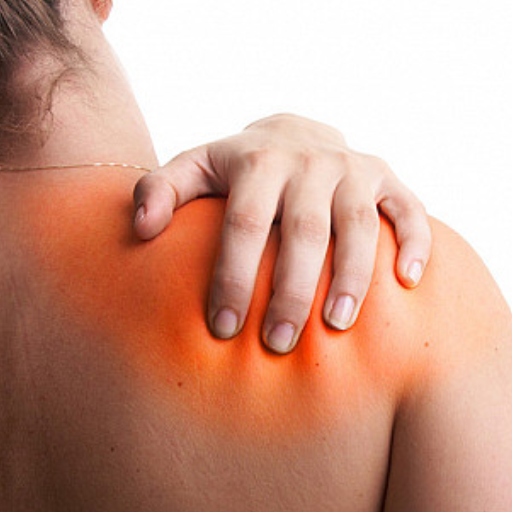 Frozen shoulder treatment involves a staged escalation of conservative treatments, moving on if progress stagnates. The choice of appropriate interventions varies according to the treatment pathway review contained within PMC by Cho et al. (2019) but as many as 90% of patients respond to conservative treatments, although “response” remains variable.
| Treatment | Best Stage | Evidence Level | Key Data |
|---|---|---|---|
| NSAIDs (ibuprofen, naproxen) | Freezing / Frozen | Moderate | Antiinflammatory effect helps reduce pain; limited evidence of superiority over other treatments |
| Corticosteroid injection | Freezing (within first year) | High (short-term) | Notable pain decrease at 6 weeks; effects diminish by 26 weeks. Network meta-analysis of 66 RCTs (4,491 patients) confirms short-term efficacy |
| Physical therapy | All stages (adapted) | High | Primary treatment recommendation (AAOS). 5–6 daily sessions of 5–10 min each recommended during frozen stage |
| Hydrodistension | Frozen | Moderate | Oxford shoulder score improved from 22.3 to 39.2 in 53-patient follow-up (14 months). Recent meta-analysis suggests clinically small effect |
| Manipulation under anesthesia (MUA) | Frozen (6–9 months optimal) | Moderate | 3–40% recurrence rate overall; 36% of diabetic patients require repeat procedure vs. 15% non-diabetic |
| Arthroscopic capsular release | Frozen (after 6+ months conservative failure) | Moderate–High | Significant improvement in ROM, pain, and function maintained at 7-year follow-up. Low complication rate |
💡 Treatment Decision Framework
Freezing stage? → Corticosteroid injection + gentle PT within pain limits.
Frozen stage, under 6 months? → Structured PT program (5–6 daily micro-sessions) + anti-inflammatory drugs to decrease pain.
Frozen stage, 6+ months with no progress? → Discuss MUA or arthroscopic capsular release with your orthopedist.
Thawing stage? → Progressive strengthening and range-of-motion exercises to achieve full recovery.
Acupuncture for Frozen Shoulder — What the Evidence Shows
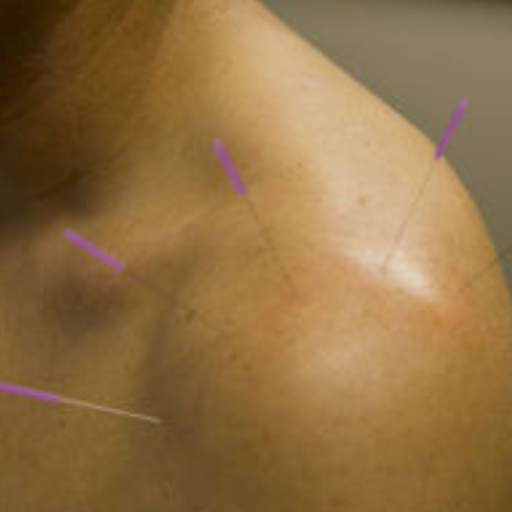 Another promising modality to consider adding to common frozen shoulder treatments is acupuncture. Findings from a recent 2024 systematic review and meta-analysis published in the Pain Management Nursing journal on 13 clinical trials indicate that co-treatment of frozen shoulder with acupuncture leads to more significant pain reduction (SMD = 0.891) and improved therapeutic effect (OR = 3.693) compared to physical therapy alone.
What about other aspects of Traditional Chinese Medicine? How does acupuncture actually help relieve pain and restore mobility in frozen shoulder? Scientific theories include local pain inhibition by secretion of endorphins and an improved blood flow through the shoulder capsule, thereby washing out inflammatory mediators. In the traditional TCM understanding of frozen shoulder, this condition is caused by blocked Qi and Blood flow in the shoulder meridians, and treating this concept guides the overall treatment.
Other facets of TCM treatment for frozen shoulder include Tuina medical massage for targeted soft tissue mobilization; moxibustion for applying heat to specific acupuncture points; and cupping therapy to improve circulation in the shoulder region. These modalities are typically used in combination rather than in isolation.
For a detailed guide to frozen shoulder treatment from a TCM perspective, which includes stage-at-a-glance treatment strategies, treatment timelines, and clinical evidence from 84 published studies, see our frozen shoulder treatment program.
Another promising modality to consider adding to common frozen shoulder treatments is acupuncture. Findings from a recent 2024 systematic review and meta-analysis published in the Pain Management Nursing journal on 13 clinical trials indicate that co-treatment of frozen shoulder with acupuncture leads to more significant pain reduction (SMD = 0.891) and improved therapeutic effect (OR = 3.693) compared to physical therapy alone.
What about other aspects of Traditional Chinese Medicine? How does acupuncture actually help relieve pain and restore mobility in frozen shoulder? Scientific theories include local pain inhibition by secretion of endorphins and an improved blood flow through the shoulder capsule, thereby washing out inflammatory mediators. In the traditional TCM understanding of frozen shoulder, this condition is caused by blocked Qi and Blood flow in the shoulder meridians, and treating this concept guides the overall treatment.
Other facets of TCM treatment for frozen shoulder include Tuina medical massage for targeted soft tissue mobilization; moxibustion for applying heat to specific acupuncture points; and cupping therapy to improve circulation in the shoulder region. These modalities are typically used in combination rather than in isolation.
For a detailed guide to frozen shoulder treatment from a TCM perspective, which includes stage-at-a-glance treatment strategies, treatment timelines, and clinical evidence from 84 published studies, see our frozen shoulder treatment program.
Home Exercises and Self-Care for Frozen Shoulder Recovery
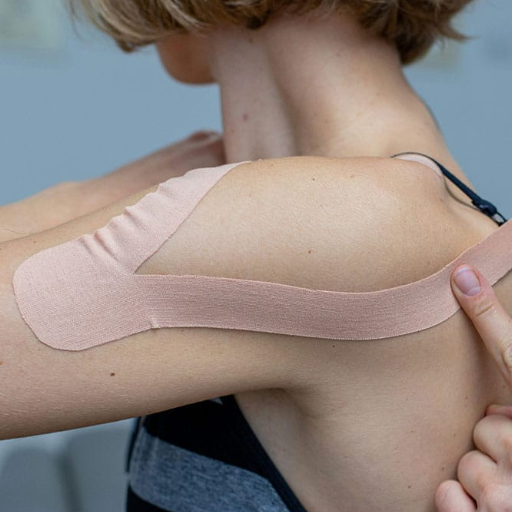 Once diagnosed, homework shoulder exercises are an integral part of frozen shoulder treatment. However, as the severity of shoulder adhesions progresses from stage 1 to 3, so too does your need for gentle progression of shoulder mobility exercises. Too much too soon during Freeze can stimulate more inflammation, effectively restarting your timeline back at square one.
Stage 1 (Freezing) — Gentle, Pain-Free Movement
- Pendulum stretch: lean forward and let the affected arm hang down. Swing it gently in small circles — about 30 cm diameter. 10 revolutions each direction, once daily.
- Passive supine forward elevation: Lying on your back, gently raise the affected arm overhead, using the uninvolved arm to assist. Allow the arm to rise until any pain is felt.
Stage 2 (Frozen) — Active-Assisted Stretching
- Face a wall and do the wall walk: place your fingertips at waist height and slowly walk them upward until you feel a stretch. 10–20 repetitions per day.
- Hold a towel behind your back with both hands for a towel stretch. Use the good arm to pull the affected arm upward as one of the key stretching exercises for internal rotation.
- To cross body reach, with your unaffected hand, grasp the impacted arm at the elbow and move across the body. Hold this position for 15-20 seconds.
Stage 3 (Thawing) — Strengthening and Full ROM
- Using a resistance band, notice the external rotation—stand the band between both hands at the elbow level, keep the elbow at your sides, and rotate the problem arm out.
- The band will be anchored at elbow height, pull across the body when you do this. Internal Rotation
- Use a door frame or a wall for guidance to increase overhead reach height slowly – progressive overhead reaching rebuilds the last degrees of mobility.
⚠️ What NOT to Do
- Do not force through sharp pain. Aggressive stretching beyond your pain threshold — especially during the freezing stage — can injure the rotator cuff and worsen inflammation.
- Avoid total inactivity. Rest when you need to, but complete immobilization lets adhesions tighten further. Gentle movement within your pain-free range is essential.
- Do not skip heat application. Applying warmth to the shoulder for 10–15 minutes before stretching helps relax the capsule and relieve pain during movement.
Frequently Asked Questions
Q: What is the fastest way to recover from frozen shoulder?
View Answer
The most rapid evidence-proven modality is an early corticosteroid injection, combined with an active stretching program. Early corticosteroid injection produces a pain-free window, where stretching can be more effectively performed. Beginning treatment immediately upon symptom appearance (a few months into the course versus 3+ years) has been proven to lead to much faster recovery times.
There is not an immediate fix, but early treatment can certainly speed up the natural course.
Q: What are the 3 stages of frozen shoulder?
View Answer
The three stages are: Freezing (2–9 months, increasing pain and progressive stiffness), Frozen (4–12 months, pain decreases but shoulder motion is severely limited), and Thawing (5–24 months, gradual return of range of motion). The total timeline varies from 1 to 3 years.
Q: Is it okay to massage a frozen shoulder?
View Answer
Gentle massage around the shoulder — particularly the upper trapezius, deltoid, and surrounding muscles — can help relieve secondary muscle tension and pain. However, deep pressure directly on the inflamed joint capsule during the freezing stage may increase discomfort. Targeted approaches like Tuina medical massage focus on specific acupuncture points and meridian pathways around the shoulder, which differs from general relaxation massage.
Q: How long does frozen shoulder last without treatment?
View Answer
Without treatment, frozen shoulder runs its course over 1–3 years, sometimes longer. A long-term follow-up study found 41% of patients still had symptoms at a mean of 4.4 years. In a separate 5–10 year prospective study, only 39% achieved full recovery. A common reassurance that it “always resolves on its own” is not well supported by evidence.
Q: Can frozen shoulder be permanent?
View Answer
Permanent total frozen shoulder is rare, but lasting partial limitation is not uncommon. Research shows roughly 10–20% of patients retain some degree of residual stiffness or discomfort over the long term. Diabetic patients face higher odds of persistent restriction. About 94% of those with lingering symptoms report only mild residual effects rather than severe disability.
Q: Why is frozen shoulder pain worse at night?
View Answer
Several factors contribute. Lying down changes the position of the humerus within the glenoid socket, putting pressure on inflamed capsule tissue. Natural cortisol levels — which help suppress pain — drop at night. Without daytime distractions, pain perception also becomes more acute. Sleeping on the unaffected side with a pillow supporting the affected arm can help.
Q: What should you not do with a frozen shoulder?
View Answer
Avoid forcing your arm through painful ranges of motion — this can injure the rotator cuff and worsen capsule inflammation. Do not completely stop moving the shoulder, as prolonged immobilization accelerates adhesion formation. Skip heavy overhead lifting during the freezing and frozen stages. Do not rely on painkillers alone without addressing the underlying stiffness through physical therapy or structured exercises.
Ready to Start Your Recovery?
Tong Ren Tang offers stage-specific frozen shoulder treatment combining acupuncture, Tuina massage, moxibustion, and herbal medicine — backed by over 350 years of TCM heritage.
Book Your Frozen Shoulder Consultation →Or estimate your treatment cost before booking.
About This Guide
This guide was developed by Tong Ren Tang — a Traditional Chinese Medicine practice founded in Beijing in 1669, serving patients across 29 countries for over 350 years. We present frozen shoulder treatment evidence across all modalities — conventional and complementary — because informed patients make better recovery decisions. The acupuncture efficacy data referenced here comes from peer-reviewed systematic reviews, not our internal clinical records.
References & Sources
- Adhesive Capsulitis (Frozen Shoulder) — StatPearls — National Center for Biotechnology Information (NCBI)
- Treatment Strategy for Frozen Shoulder (Cho et al., 2019) — PMC, National Institutes of Health
- Diabetes as a Risk Factor for Frozen Shoulder: Systematic Review and Meta-Analysis (2023) — PMC, National Institutes of Health
- Association Between Frozen Shoulder and Thyroid Diseases (2020) — PMC, National Institutes of Health
- Long-Term Outcome of Frozen Shoulder (Hand et al., 2008) — PubMed, U.S. National Library of Medicine
- Corticosteroid Injection Methods for Frozen Shoulder: A Network Meta-Analysis (2024) — PubMed
- Efficacy of Combining Acupuncture and Physical Therapy for Frozen Shoulder (2024) — Pain Management Nursing
- Frozen Shoulder — Patient Information — American Academy of Orthopaedic Surgeons (AAOS)
- How to Release a Frozen Shoulder: 5 Stretches — Harvard Health Publishing
Related Articles
- Frozen Shoulder TCM Treatment — Stage-Specific Protocols and Clinical Evidence
- Shoulder Pain Treatment — Causes, Diagnosis, and Relief Options
- Tuina Chinese Medical Massage — How It Works and What to Expect
- Chinese Herbal Medicine — Traditional Formulas for Modern Health
- Neck Pain Treatment — Acupuncture and TCM Approaches