Get in Touch with Tongren Tang Gulf


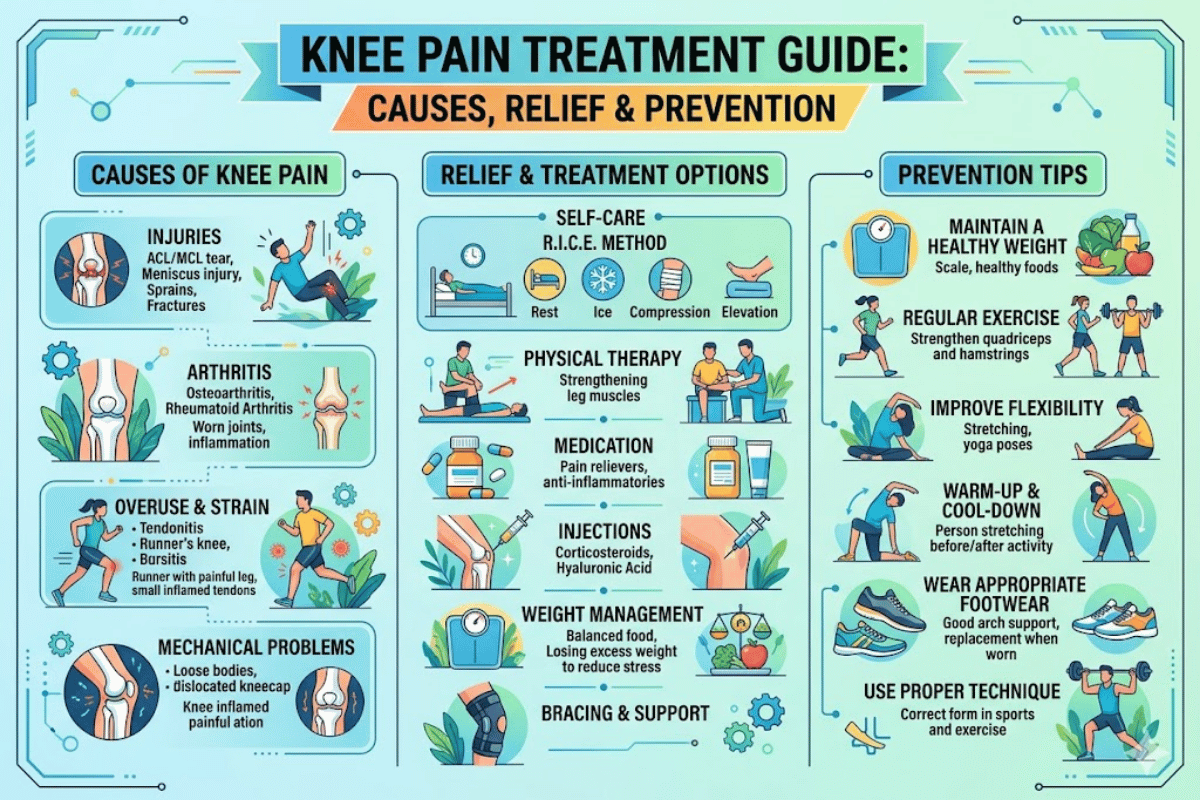
Quick Facts: Knee Pain at a Glance
| Most Common Cause (Adults 50+) | Osteoarthritis — 374.7 million cases globally (GBD 2021) |
| Red-Flag Symptoms | Inability to bear weight, visible deformity, fever + joint swelling |
| First-Line Treatment | Physical therapy + targeted strengthening (ACR Strongly Recommended) |
| Typical PT Timeline | 4–8 weeks of consistent sessions |
| Non-Drug Options with Evidence | Acupuncture (ACR conditionally recommended), bracing, weight management |
| When to See a Specialist | Pain persists >2 weeks despite self-care |
A survey in the PMC-identified 2024 revealed that over 50% of people living in the UAE have insufficient knowledge about knee Osteoarthritis. knee pain is a common condition impacting an estimated 374.7 million worldwide. Regardless of whether you experience a dull ache after an extended walk, a stabbing pain when bending, or former rigidity every time you awaken, exploring the causes in your knee joint is the ideal starting point for genuine assistance.
This manual explains the most frequent causes of knee pain, details treatment options supported by clinical research, discusses the role of traditional Chinese medicine, and offers practical self-care strategies you can begin implementing today. We’ve categorized each recommendation in order of the level of scientific proof so you can create a joint treatment plan with your doctor.
What Causes Knee Pain? Anatomy and Common Causes
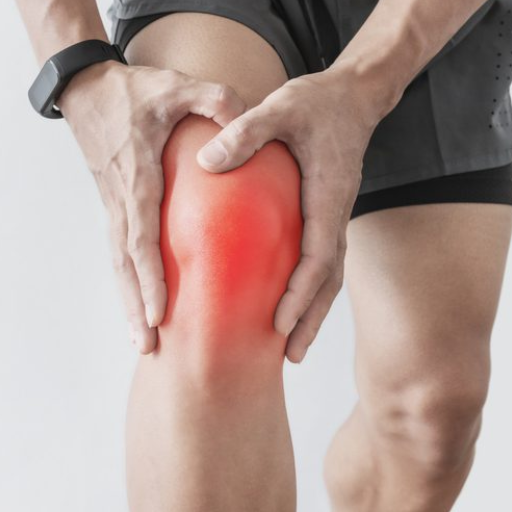
Knee pain usually originates from a injury or strain to one of a few structures within and around the knee joint. Common structures include bones (femur, tibia and patella), and cartilage – specifically the meniscus, that is the shock absorber for the knee joint, four major ligaments (ACL, PCL, MCL, and LCL), various tendons between muscles and bones and the muscles around the knee that hold everything in place from every step you take.
Knowing this anatomy is important as different forms of damage tend to give various pain patterns and the common cause of knee pain tends to vary considerably according to age, activity level and general health. Main forms of condition leading to knee pain are:
Degenerative Conditions
Osteoarthritis is the leading cause of knee pain in people 50 years old and over. In this disorder, the knee joint cartilage that provides a cushion between the bones begins to wear away, leading to pain, inflammation and reduced mobility. The 2021 Global Burden of Disease study recorded 374.7 million osteoarthritis cases worldwide, with scientist predicting an increase of 74.9 % by 2050.
Rheumatoid arthritis is an autoimmune disorder that 50 years can attack the joint lining of joints.Traumatic Injuries
There are sports and accident related injuries like tears of cartilage called menisci (is a smooth, rubbery cartilage that cushions your shinbone from your thighbone), ACL sprain (a ligament tear often seen in pivoting sports leading to an ACL tear), fracture, dislocations, etc.
Inflammatory Conditions
Gout results in a very severe joint pain when uric acid crystals deposit in the knee. Bursitis is when the fluid filled sacs (bursae) which cushion the outside of the joint become inflamed usually from repeated kneeling or overuse.
Mechanical Issues
Anterior knee pain syndrome is pain at the front of the knee, common in cyclist, runners and those who are sitting for long periods of time. Bakers cyst causes fluid filled swelling to develop behind the knee often as result on to arthritis or torn menisci.
UAE Context: One 2024 cross-sectional survey reported that just 20.4% of the population of the UAE had good knowledge about the Anatomy of knee osteoarthritis.. Luckily, the vast majority (79.6%) were aware that a higher BMI is a risk factor however, they still lacked knowledge about treatment and the appropriate time to seek health evaluation.
The key point: knee pain causes spectrum from slow cartilage erosion in osteoarthritis to rapid traumatic injuries. Appropriate treatment entirely depends on which structure in or around the knee is involved & that’s why diagnosis is important before jumping into treatment.
Knee Pain Symptoms — When Pain Signals a Serious Condition

Not all knee pain symptoms equate to same urgency. An ache after a walk on a nice day differs from a knee that gives way mid-stride or suddenly balloons up after injury. Adeptness in differentiating time-sensitive conditions from those that will get better without an ER trip prolongs your life instead of wasting it.
| Symptom Pattern | Likely Condition | Urgency |
|---|---|---|
| Gradual onset, stiffness after rest, worse with activity | Osteoarthritis | Moderate — schedule appointment |
| Sudden swelling, warmth, redness | Inflammatory arthritis / Gout | High — see doctor within days |
| Locking, catching, giving way | Meniscus tear | Moderate-High |
| Pain at front of the knee, worse climbing stairs | Patellofemoral pain syndrome | Low-Moderate |
| Visible deformity, cannot bear weight | Fracture / severe ligament tear | Emergency |
| Fever + joint swelling | Possible infection (septic arthritis) | Emergency |
| Pain on the outside of the knee during running | IT Band syndrome | Low-Moderate |
| Pain behind the knee, swelling, tightness | Baker’s cyst | Low-Moderate |
Differentiating between acute pain and long-term knee pain is also important where treatment planning is concerned. Acutes can develop from a one-off injury or sudden flare-up and usually can be kept under control with a few things. Chronic knee pain, or lasting three months or more, hints at a perpetuating knee condition such as osteoarthritis for which a different approach should be prepared.
People who experience knee pain when kneeling, climbing, or transitioning from sit-to-stand should take heed of what sites the pain. Anterior knee pain frequently links to patellofemoral problems, and posterior pain suggests a Baker’s cyst or hamstring pain.
UAE-specific concern: A combination of hot conditions outside and inside air-conditioning cycling promotes dehydration, which in turn can escalate uric acid levels and cause gout attacks in those genetically inclined. If during oncoming summer months you experience a sudden-severe joint swelling accompanied by redness and heat – think gout among the other inflammatory possibilities.
Key point: the table above is a useful reference for: symptom to likely condition during triage but should never be a record for self-diagnosis. If pain occurs with a red-flag symptom such as an inability to bear weight, deformity, or fever with joint swelling, do seek immediate ER treatment.
Nonsurgical Knee Pain Treatments — What the Evidence Shows

The best treatment for knee pain is diagnosis-specific yet American College of Rheumatology (ACR) and American Academy of Orthopaedic Surgeons (AAOS) guidelines such as inconsistent usage of nonsurgical treatment. physical therapy, specific exercises, and research approved pain management are proven pain relief options for most common knee issues.
| Treatment | Evidence Level | Typical Timeline | Key Notes |
|---|---|---|---|
| Physical therapy + exercise | Strong (ACR/AAOS) | 4–8 weeks | First-line for most knee pain |
| Topical NSAIDs | Strong (ACR/OARSI first-line) | Days to weeks | Preferred over oral NSAIDs for localized pain |
| Oral NSAIDs (Ibuprofen, Naproxen) | Strong | Hours to days | Monitor GI and cardiovascular risks |
| Corticosteroid injections | Moderate (short-term) | Days (lasts weeks–months) | Diminishing returns with repeated injection |
| Knee brace / Orthotics | Moderate (AAOS) | Immediate support | Unloader braces for unicompartmental OA |
| Weight management | Strong | Gradual | 1 lb lost ≈ 4 lbs less knee force |
| PRP injections | Limited | Weeks to months | Most systematic reviews rated critically low quality |
| Tai chi | Strong (ACR) | Weeks | Specifically recommended for knee OA |
Physical therapy predates any treatment plan of knee pain. A methodical PT regimen will mobilise the muscles around your knee – including quadriceps and hamstrings – to stabilize the joint, ease pain, and restore functional ability. Most patients have been noticed noticeable gains in 4 to 8 weeks of regular work.
For pain relief in the perioperative interval, non-prescription pain relievers are a helpful adjunct. Topical NSAIDs (applied as gels or creams on the knee’s surface) are now recommended as a first-choice option in the OARSI criteria because they deliver local pain relief with fewer overall adverse effects than orally-taken products. Systemic painkillers such as ibuprofen and naproxen suffice for general inflammation but bear stomach and cardiovascular risks.
A knee brace can give immediate mechanical support (especially an unloader brace for patients with osteoarthritis of one compartment of the knee) by shifting weight off the damaged area. They can help reduce pain during activity.
A note on PRP injections: platelet-rich plasma therapy has garnered significant commercial hype, but the clinical results are mixed. An overview of systematic reviews published in 2025 found that 26 of 29 reviews included in the overview received critically low rating of methodological quality on the AMSTAR-2 evaluation tool. Clinical significance of PRP use remains uncertain, and patients should consider costs versus the evidence base.
Clinical Note: the ACR 2019 guidelines recommend exercise therapy and topical NSAIDs as “strongly recommended” for knee osteoarthritis, and oral NSAIDs as having a “conditional” recommendation due to the risks of gastrointestinal and cardiovascular effects. This difference really counts for something: it means that exercise is actually better supported by evidence than medication alone.
Important point to remember: begin with the treatments that have the highest quality of evidence: physical therapy, exercise, and topical NSAIDs. Add additional modalities based upon your specific condition and doctors input. Do not hop straight to costly treatments with scant evidence to wait for first-line options.
Traditional Chinese Medicine & Alternative Treatments for Knee Pain
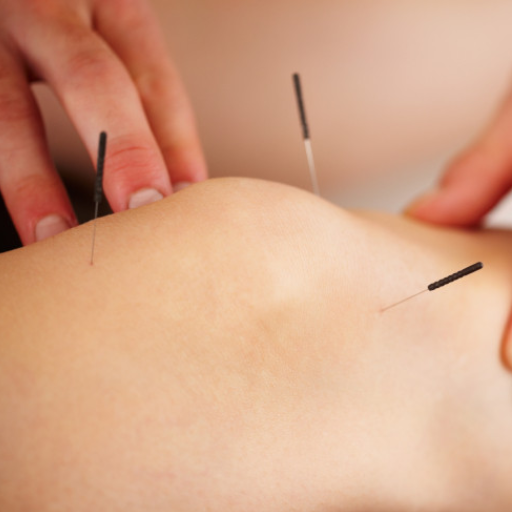
In addition to mainstream therapies, there is a growing pool of clinical research supporting some traditional Chinese medicine (TCM) modalities for knee pain – namely acupuncture for knee osteoarthritis. The American College of Rheumatology now appropriately condones using acupuncture for up-to-date diagnostic knee osteoarthritis, placing it firmly amongst other treatment options. For individuals interested in non-pharmacologic options to potentially support alleviation of joint pain, these approaches merit educated consideration.
Acupuncture for Knee Pain
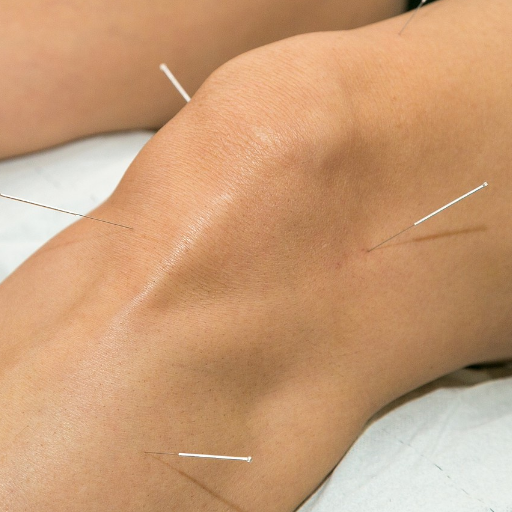
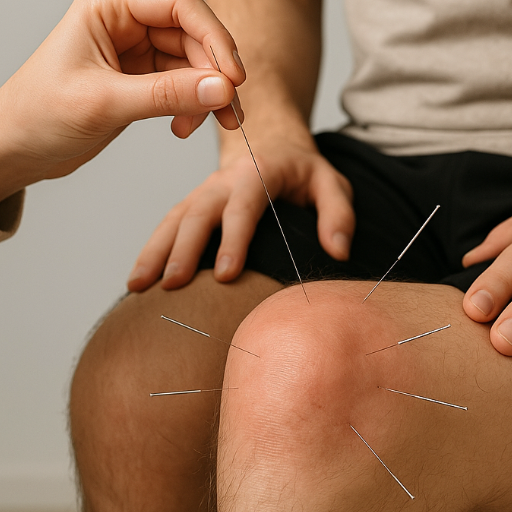
Acupuncture incorporates placement of thin needles at precise locations along these established pathways to help relieve knee pain, ease inflammation, and promote function. Its validation base received a boost recently:
- An up-to-date systematic review from 2024 reviewed 10 distinct randomized controlled trial using 3,221 individuals and demonstrated ongoing effectiveness of Acupuncture with long-lasting pain relief as compared to placebo Acupuncture for the treatment of people with knee osteoarthritis, which persisted for up to 4.5 months.
- A recent 2024 network meta-analysis consisting of 80 distinct randomized controlled trials involving 9,933 individuals also supported the increasing clinical effectiveness of this modality.
- Proposed mechanisms primarily consist of the endorphin effect (stimulation of acupoints to prompt endorphin generation, disrupting pain pathways), the gate control effect (stimulation of acupoints inhibits pain by disrupting other signals in the spinal cord), and anti-inflammatory effects.
Individual treatment protocols include 6 to 12 sessions, with weekly to biweekly visits typically common; the greatest benefits seem to accrue after the fourth or fifth dose, with later doses adding to cumulative benefit.
Herbal Medicine for Knee Pain
TCM’s classical designation of pain syndromes as “bi-syndrome” – reflects different patterns in which wind, dampness, and cold-heat can hinder the flow of qi and blood to form excessive joint; similarly, herbalists establish individualized diets based on the pattern identification. Common herbs for knee pain include du huo (angelica root), niu xi (achyranthes root) and du zhong (eucommia bark), often formulized in multi-ingredient preparations.
Remarkably in the context of TCM, it is important to remember that herbal medicines need to be prescribed by a TCM-trained physician practitioner because individual herbs have their own contraindications and potential interactions with pharmaceutical medications. For a more detailed explanation of how TCM herbal prescriptions work, review our guide to traditional Chinese herbal medicine.
Tuina Massage
Tuina (traditional Chinese massage) seeks to treat the muscles of around the knee joint by applying manipulation techniques to relax muscles soft tissues surrounding the joints to promote circulation, relax muscle tension and release the soft tissues to return the joint’s mobility to its optimal state. Rather than relax the entire body, tuina manipulates acupressure points and follows the same five meridians in the body that are utilized in acupuncture.
Moxibustion
Moxibustion involves the application of heat to acupressure points using dried mugwort to expel cold and damp conditions. This approach is indicated in cold damp pattern knee pain , where pain is worse in cold or damp weather and better in warm conditions. Studies in TCM indicate that moxibustion is effective to reduce pain and can improve function in knee OA.
Cupping (Hijama)
Cupping therapy utilizes suction to lift the skins around the knee in order to stimulate blood flow and to relax muscle tension. Read our cupping therapy (hijama) for pain management guide to get a detailed explanation of its usage.
✔ Advantages
- Non-invasive approach with minimal side effects
- Addresses root patterns, not only symptoms
- Can be combined with conventional treatment safely
- Acupuncture specifically recognized by the ACR
- Suitable for patients who cannot tolerate NSAIDs
⚠️ Limitations
- Multiple sessions needed — not an instant fix
- Practitioner quality varies significantly
- Smaller RCT evidence base than pharmaceuticals
- Limited insurance coverage in the UAE
- Herbal formulas require professional supervision
For patients in the UAE interested in TCM for knee pain, Tong Ren Tang’s specialized knee pain treatment program integrates two treatments – acupuncture and herbal formulas based on individual diagnosis.
Key Takeaway: The clinical literature supports the use of acupuncture for knee pain more than any other TCM modality – the condition is listed in the 2007 ACR guidelines, which conditionally recommended acupuncture for knee OA. Consider acupuncture as part of a multi-modal treatment plan rather than a single modality, and make sure you work with a qualified TCM practitioner.
When Is Knee Surgery Necessary? Surgical Options Compared
Failure to respond to conservative measures usually determines the presence of knee surgery, whereby a patient has participated in at least three to six months of physical therapy, pharmaceutical agents, and lifestyle alterations, and continues to experience significant pain and dysfunction. The American Academy of Orthopaedic Surgeons (AAOS) released an updated Clinical Practice Guideline for the Surgical Management of Osteoarthritis of the Knee in January 2023. This guideline emphasizes that surgery follow a well-planned decision pathway rather than be the initial treatment.
| Procedure | Typical Candidate | Recovery | Notes |
|---|---|---|---|
| Arthroscopy | Meniscus tear, loose bodies | 4–6 weeks | Minimally invasive, small incisions |
| Osteotomy | Younger patients, unicompartmental OA | 3–6 months | Preserves natural joint, realigns bone |
| Partial knee replacement | Single-compartment OA | 4–8 weeks | Faster recovery than total replacement |
| Total knee replacement | Severe multi-compartment OA | 3–6 months | Last resort; 90%+ patient satisfaction |
Arthroscopy involves inserting a small camera into the knee joint for modest interventions, and such procedures can be performed using very small incisions. This minimally invasive technique can be used to remove loose bodies within the knee joint or smooth out the articular surfaces of the knee. The recovery time is relatively quick; however, trials demonstrate that arthroscopic surgery for osteoarthritis unaccompanied by a specific mechanical abnormality (i.e. loose body) has little clinical benefit.
Partial knee replacement surgically replaces only the affected part of the joint where the disease resides by removing the damaged bone and minimizing damage to healthy bone and ligaments. It feels more natural, and the recovery from partial knee replacement is significantly faster than from either a total knee replacement procedure.
Total knee replacement surgery- replacing the entire joint with prosthetic parts- is still the gold standard for severe multi-compartment osteoarthritis. Modern implants can last 15-20 years in many patients, and patient satisfaction has been reported to be over 90% at 1 year after surgery. joint replacement surgery is associated with a long healing and rehabilitation period, which explains why it is reserved as a last resort after you have exhausted conservative measures.
Key Point: knee surgery is a last resort, not a first step. Authorize a 3-6 month trial of conservative treatments- physical therapy, medication, bracing, weight loss, – before surgical workup is done. When indicated, type of surgery depends upon your age, the extent of damage, and which compartments of the knee joint have been compromised.
How to Relieve Knee Pain at Home — Daily Self-Care Strategies

You do not need to see a provider to begin treating minor knee pain! A combination of evidenced-based hands-off techniques can minimize pain, facilitate healing, and prevent flare ups- particularly if instituted as part of your daily self-care routine. Here is how to treat knee pain at home with techniques proven by sports medicine and physical rehabilitation research.
The PEACE & LOVE Protocol (Updated from RICE)
Sports medicine has progressed well beyond the traditional RICE protocol. The modern PEACE & LOVE protocol for acute injury management stands for: Protection, Elevation, Avoid anti-inflammatories in the first 48 hours, Compression, Education – followed by Load management, Optimism, Vascularization (controlled movement) and Exercise. One key change: controlled activity replaces lengthy rest.
Strengthening Exercises for Knee Pain
Around the knee strengthening is one of the most efficacious long-term approaches to reduce knee pain and protect the joint!
- Quad sets: Contract the front thigh muscle while sitting with your leg straight. Hold 5 seconds and repeat 10 times.
- Straight leg raises: Lie on your back, contracts the quad and raise your leg 6-8 inches. Hold 3 seconds and repeat 10 times.
- Hamstring curls: Stand holding onto a chair and curl each heel toward the buttock. Repeat 10 times on each side.
- Calf raises: Rise onto your toes, hold two seconds, and lower slowly. Repeat 15 times.
Stretches for Knee Pain
Loosen tight muscles and relieve pain- not always a happy pair! Stretch out the quadriceps, hamstrings, IT band, and calf muscles to ease pain by relaxing the structures around the knee. Hold each stretch 20-30 seconds, repeat twice, and avoid bouncing.
Heat vs. Ice: Which One and When?
Ice is your best option for acute inflammation and pain- the first 48-72 hours. Use ice during flare ups with visible swelling. Use for 15-20 minutes at a time with a cover such as a towel. Heat is more beneficial for chronic stiffness- such as the morning stiffness typical with osteoarthritis. Use a warm towel or heating pad 15-20 minutes before activity to loosen the joint.
Weight Management
A link between body weight and knee pain is not linear – it is multiplicative. Hopkins Arthritis Center research has demonstrated that 10 pounds overweight increases knee loading force by 30-60 pounds/cycle. Wake Forest University’s human biomechanical research team headed by Dr. Stephen Messier has shown that for every pound of body weight a person loses, knee joint loading forces go down by roughly 4 pounds/cycle. Most overweight people who lose 20 pounds shed around 80 pounds of force/cycle from their knees – a huge decrease in the rate of cartilage wear.
Night Pain Tips
Knee pain at night worsens sleep and hinders recovery. Side sleepers should put a pillow in-between their knees to prevent asymmetrical alignment of hips. Back sleepers should place a small pillow under their knees. Use topical pain relief 20 minutes before bed, followed by 5 minutes of light stretching to relax nighttime stiffness.
UAE Living Modifications: Ensure adequate hydration – dehydration worsens gout and exacerbates joint stiffness. Minimize time spent seated in air-conditioned offices with no time for movement breaks (set a timer for ever 45 min). During summer, avoid outdoor exercise and use the summer months to increase indoor activity through swimming, stationary cycling and weight training.
Pro Tip: The No 1 error that worsens bad knees is doing absolutely nothing. While it might seem logical, it’s natural to want to just rest when in pain, but loading the affected knee strengthens it over time. ACR guidelines recommend exercise therapy as the first line treatment for knee OA, and this applies to most causes of knee pain as well.
Preventing Knee Pain — Long-Term Joint Health Strategies
Our best answer to knee pain is to keep it from happening by preventing minor knee problems from becoming chronic diseases. Every knee joint translates an impact on the knee by a factor of 4.7 times. Good strength, body composition and habits are the tools to make this happen.
Here is a simple checklist to help prevent later lifecycle early knee pain, based on clinical guidelines:
- Regular low-impact exercise 3 – 5 times weekly. Swimming, cycling and yoga are considered to be profound for the knee joint. In the UAE’s sunny, hot climate, motions indoors like lap pools and spinning bikes is the way to go for year-round consistency.
- Maintain and keep your ideal weight. Extra weight greatly increases your rate of knee joint cartilage destruction – it takes one pound on your body to create four pounds of maximum impact force on your knees.
- Support your feet. Resist the temptation of high heels, remain in shoes with more than enough position and cushioning. ACR guidelines did not recommend slapping on lateral or medial heel wedges for knee osteoarthritis.
- Heat before your workout. Five to ten minutes of warm-up movement makes your joints function smoothly.
- Strengthen muscles around your knee. Hamstring, quadratus and calf work is the most value modifiable joint risk factor to your knee joint health. Target them with 2-3 annual endeavors.
- Watch your vitamin D levels, to catch it early and have more options for correction. Particularly in the UAE, where we tend to stay indoors and avoid more intense sun during scorching months, we can develop deficits that impact later bone health. Insufficient levels can accelerate cartilage breakdown and worsen arthritis progression, while also contributing to broader musculoskeletal pain.
- Glucosamine and chondroitin supplements – reasonable expectations needed. Truly the evidence is conflicted. Patients do sometimes perceive gains, but large, independently powered trials have not shown convincing statistically significant advantage over placebo for knee osteoarthritis pain. They are without risk but should not be substituted in place of proven strategies such as exercise and proper weight.
Key Point: Prevention is not avoiding all activities – it is establishing the building blocks, muscular strength, and maintenance of one s body composition that permits your knee joints to function day-to-day life free from failure. Routine high- versus low-impact loading combined with optimal weight remains the most well-documented evidence based long-term strategy.
Frequently Asked Questions About Knee Pain
Q: What is the fastest way to relieve knee pain?
View Answer
Ice for 15-20 minutes, take an over-the-counter pain reliever such as aspirin or Tylenol, and rest the knee. If pain persists greater than 72 hours, seek medical attention.
Q: What is the most common cause of knee pain?
View Answer
Osteoarthritis, the leading degenerative cause in adults over age 50, affects roughly 374.7 million individuals worldwide (2021 GBD). For the younger set, groin pain is more likely to derive from patellofemoral pain syndrome or other athletic causes such as knee injuries.
Q: Which medicine is best for knee joint pain?
View Answer
It depends on the etiopathogenesis. Current evidence from OARSI recommends topical NSAID agents initially in localized knee osteoarthritis pain. Applied to the affected area, they provide directed pain relief with less systemic adverse effects. Oral NSAID agents address more generalized inflammation, but can lead to gastrointestinal concerns with chronic administration. It is always advisable to speak with your physician before initiating any medication regimentt, especially if you have other health concerns.
Q: How to relieve knee pain at night?
View Answer
Place a pillow between your knees if you sleep on your side or underneath your knees if you lie on your back. Topical pain relief applied about 20 minutes prior to sleep, self stretching for 5 minutes. If inflammation is noted, apply ice to the joint for 15 minutes prior to sleep.
Q: What is the #1 mistake that makes bad knees worse?
View Answer
Complete rest and immobility. While this seems the logical choice, there exists multiple peer reviewed data that the exact opposite: moderate activity, especially movement surrounding low-intensity muscle group strengthening exercises, fosters recovery in both pain and function. ACR recommendations favor exercise therapy over complete inactivity for a winning strategy against the pain later arthritis.
Q: Does acupuncture really work for knee pain?
View Answer
Scientific data backs Acupuncture with respect to their use for knee osteoarthritis. A systematic review published in 2024 of 10 random-controlled trials involving 3,221 comprising patients showed sustained pain relief up to 4.5 months, and the American College of Rheumatology issued conditional endorsement of acupuncture as a treatment tool for knee osteoarthritis. When combined with traditional management in a 6-to-12-session course of treatment, results were more remarkable. For other traditional Chinese medicine options in the UAE, investigate Tong Ren Tang’s knee pain treatment services.
Q: Can knee pain go away on its own?
View Answer
Light strains and repetitive use injuries are often self-limited in 1-2 weeks, especially if basic lifestyle measures are taken – rest, ice, and gentle activity. However, pain that persists beyond 2 weeks is suspicious for a chronic etiology and requires further medical evaluation. Problematic knee pain should never be ignored, because ongoing damage to your joint only makes it that much tougher to.
Q: Is walking good or bad for knee pain?
View Answer
Walking, for mild or moderate knee joint pain – it helps to strengthen the muscles around the knee and improves joint mobility without necessarily high load. Avoid walking on hard surfaces in the acute exacerbation with large swelling, while aiming to walk on a level flat surface. Good comfortable shoes are very important in how deal with the knees while walking.
Ready to Address Your Knee Pain?
It’s helpful to talk to peers or choose a health care provider who understands physical therapy, acupunture, or a tailored treatment plan.
Book a Consultation →Our Perspective on This Guide
This knee pain treatment guide demonstrates how Tong Ren Tang continues to integrate traditional Chinese medicine with forward-looking clinical evidence. Based on more than 350 years of development of TCM within our practice, we understand even effective knee pain management might best be taken care of by a combination of a number of treatment strategies—in addition to evidence-based physical therapy, also considering acupuncture accounts confirmed by the latest systematic reviews. These strategies are ranked based on the clinical evidence available to support them, whether or not they can be provided through our service.
References & Sources
- Global Burden of Disease Study 2021 – Knee OA Prevalence. Frontiers in Medicine, 2024
- UAE Cross-Sectional Survey on Knee OA Knowledge. PMC, 2024
- ACR/AAOS Osteoarthritis Treatment Guidelines Comparison. PMC, 2022
- Durable Effects of Acupuncture for Knee OA: Systematic Review. PubMed, 2024
- Network Meta-Analysis of Acupuncture for Knee OA. PMC, 2024
- PRP for Knee OA: Overview of Systematic Reviews. Frontiers in Pharmacology, 2025
- Hopkins Arthritis Center — Role of Body Weight in Osteoarthritis. hopkinsarthritis.org
- MedlinePlus — Knee Pain. National Institutes of Health
- AAOS Surgical Management of Osteoarthritis of the Knee — Clinical Practice Guideline Update. AAOS, 2023
- Arthritis Foundation — Exercise Recommendations for OA. arthritis.org
Related Articles
- Knee Pain Treatment at Tong Ren Tang Dubai — Our TCM approach to lasting relief
- A Guide to Chinese Herbal Medicine — Understanding TCM formulas and their applications
- Hijama Cupping Therapy Guide — Benefits, process, and what to expect
- All TCM Treatment Services — Browse our full range of traditional Chinese medicine therapies