Get in Touch with Tongren Tang Gulf


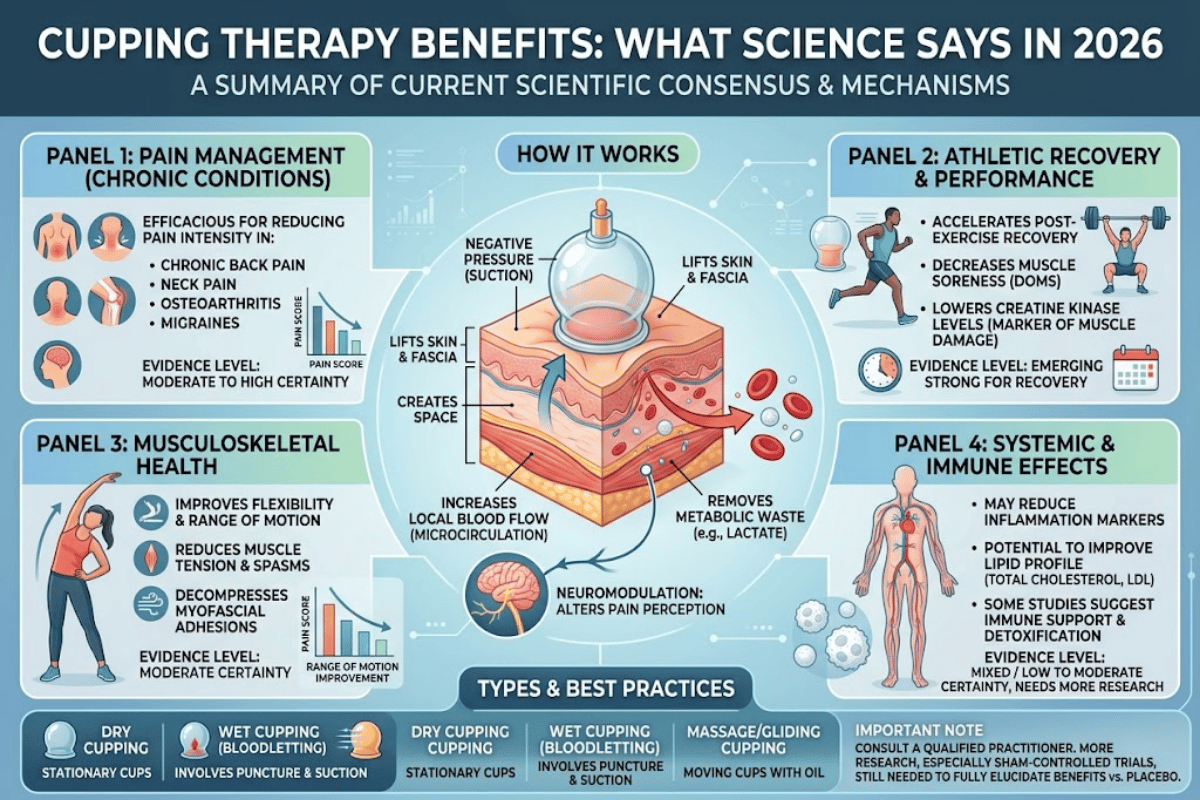
So what the science really says about cupping therapy benefits? After millennia of its application in Egypt, China, Middle East and in the latest integrative clinics, the question is no longer whether cupping is alive in terms of its mechanisms but which of its potential effects are only manageable through peer-reviewed studies. This 2025 evidence review takes a step back and uncovers what the latest scientific studies concur as benefits for pain management, athletics and skin conditions, what the most recent placebo studies implicitly deny and what traditional Chinese medicine concepts neglect to account for but medicine today is still trying to make sense of. Below you find the strongest evidence-based benefits of cupping, the scope of such claims and a down-to-earth framework to match your needs with the most suitable training.
Important: this article is not medical advice, nor a substitute for it. Please consult a licensed healthcare practitioner before commencing cupping therapy if pregnant, on blood-thinning medications or suffering from a chronic condition.
Quick Specs: Cupping Therapy at a Glance
| Strongest evidence base | Low back pain, neck pain, tension/migraine headaches |
| Cup duration per session | 5–10 minutes (per NIH StatPearls) |
| Marks fade in | 1–10 days, depending on suction intensity and skin healing |
| Typical US session cost | $40–$120 (higher in major metros; combined with acupuncture $70–$150) |
| Sessions for chronic pain | 4–8 sessions across 2–4 weeks (typical clinical protocol) |
| Major contraindications | Pregnancy, bleeding disorders, blood thinners, skin conditions, pacemakers |
A 5,500-Year Practice Reborn: What Cupping Therapy Is
Cupping therapy is a process where a series of cups or vessels are attached to the human body using vacuum suction to draw blood and interstitial fluid towards the surface to potentiate local circulation, metabolic activity and immune response. According to NIH StatPearls (Sina & Bokhari, 2023), the practice was recorded across Egypt and Greece around 5,500 years ago and remains prevalent in other cultures such as China, Rome and the Prophet Muhammad traditions. Although it waned substantially in the U.S. in the turn of the 20th century, cupping therapy is making a brand new appearance after the Phelps Olympics surge in popularity from the 2016.
Traditions from China, Persia and Ayurveda converge in modern practice. While in China, cupping was incorporated into traditional Chinese medicine and aligned with concepts of qi, meridians and acupuncture, in Persia and the Middle East cupping was understood as a process called Al-Hijama – Arabic translation of “restoring the body back to its predefined optimum level”. The practitioners of Ayurveda apply the similar practice of Ghati yantra for perceived detoxification of the blood. The similarities were not accidental: when culture after culture discover similar techniques over thousands of years, likely the underlying demonstration – controlled negative pressure reduces musculoskeletal pain – is faithful, despite the varying terminology.
Hijama: The Wet-Cupping Lineage
Hijama (or Al-Hijamah) is Islamic wet cupping and is widely practiced in the Middle East, North Africa and in South and South East Asia. Classic Al-Hijamah involves a three-stage process where the cups are initially placed into suction, the skin surface is superficially scarified with a sterile blade and the cups are re-applied to draw a modest volume of blood. Honey is sometimes used at the edge of the cup, both to facilitate the vacuum (stronger suction) but also to promote skin re-generation in the tradition of ancient medicine.
While dry cupping remains the modality of choice in most Western hospital practice due to biohazard concerns, wet cupping has its own substantial evidence base for different systemic conditions including hypertension and inflammatory pathologies.
Modern Cupping Therapy: Dry, Wet, Fire & Facial Methods Explained
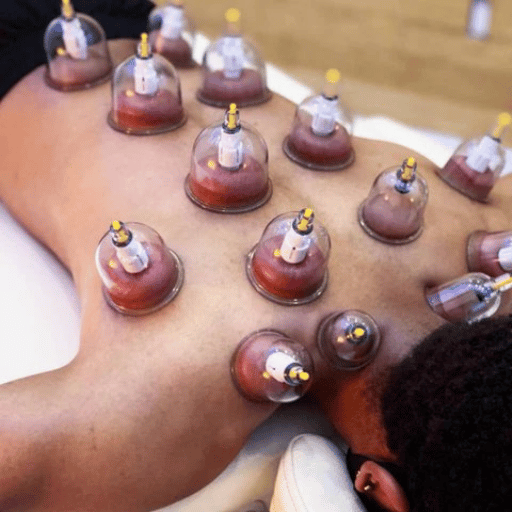
Today, cupping therapy is no longer a one-off treatment. There are at least four major cupping techniques in use today, each with different indications, evidence backgrounds, and risks. It does matter which one a patient receives: most of the published research for pain relief relates to dry cupping, as opposed to wet cupping used on inflammatory and systemic diseases, for example.
Using a wrong type for an indicated goal is one reason some patients feel short-changed.
| Method | Mechanism | Primary Use Case | Marks Expected | Evidence Base |
|---|---|---|---|---|
| Dry cupping | Suction only (manual pump, electric, or fire vacuum) | Musculoskeletal pain, muscle tension, range-of-motion limits | Yes — round ecchymosis | Strongest for low back & neck pain |
| Wet cupping (Hijama) | Suction + superficial skin scarification with blade | Headaches, migraines, hypertension, inflammatory disorders | Yes — small skin marks at incision sites | Stronger for systemic conditions; biohazard precautions required |
| Fire cupping | Brief flame inside cup creates partial vacuum on cooling | Traditional dry-cupping protocols, deeper suction | Yes — typically darker marks | Same evidence as dry cupping; added burn risk |
| Facial cupping | Light suction with small silicone cups, glided across the face | Cosmetic claims: lymphatic drainage, perceived firming | Usually none (gentle suction) | Preliminary; mostly anecdotal evidence |
How Does Cupping Therapy Work?
Researchers do not yet agree on a single mechanism – and that ambiguity is another factor in the ongoing debate over the evidence base. The NIH StatPearls review of cupping therapy records no fewer than five suggested explanations. Pain-gate theory suggests that mechanical pressure and vibrations exerted by the cups induces muscle relaxation by stimulating large-fiber nerves that act to block pain signals in the dorsal horn of the spinal cord; diffuse noxious inhibitory controls (DNIC – which in humans can be observed as conditioned pain modulation) hypothesizes that the ministrations serve to diminish the perception of pain elsewhere in the body.
Other mechanisms that have been proposed are the secretion of nitric oxide, resulting in vasodilation; the stimulation of immune activity via fluctuations in levels of known inflammatory mediators; and for wet cupping specifically, the extraction of small quantities of blood containing elevated serum concentrations of urea, uric acid, cholesterol and triglycerides in comparison to venous samples.
💡 Engineering Note: Suction Levels
Modern electric cups/ suction devices often create suction levels of 100–400mmHg. Light suction (<150mmHg) is used for more sensitive body work and fx. Face work; medium suction is used as the bread-and-butter “working range” for back and large-muscle pain protocols.
Stronger is better: too much suction increases bruising and burst-vessel risk without benefit.
Pain Relief: The Strongest Evidence Base (and Its Limits)
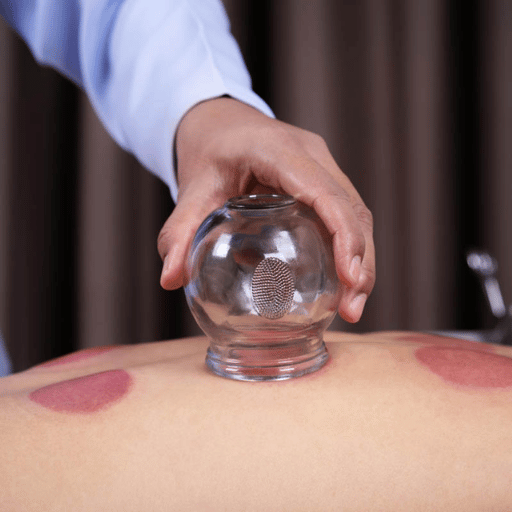
Regarding pain relief, the most developed body of evidence for the efficacy of cupping therapy is published trials of its effect on pain. For physicians specializing in pain management, this is the domain in which cupping has the clearest role to provide complementary care. A 2024 systematic review and meta-analysis published on ResearchGate found that “in studies involving low back pain, high- to moderate-quality evidence shows that cupping has a significant capacity to relieve pain and disability,” and a 2025 update of the evidence on cupping for pain indexed in PubMed Central (PMC11955767) found that cupping with or without other therapies was “beneficial for pain relief, quality of life improvement, and cure rate increasing for various musculoskeletal diseases,” experts recommending that it reduce the severity of headaches an average of 66% and the number of headache days per month by 12.6.
However the picture in terms of how effective cupping is not all rosy. A trial in 2015 in the Journal of Orthopaedic & Sports Physical Therapy compared dry cupping to placebo cupping which is an important comparison methodologically that was largely absent in prior published work and found only ‘very-low-certainty evidence’ of efficacy, and that was only in medium-term outcomes. The lesson for both believers and skeptics may be a disappointing one: for some pain sufferers, cupping therapy may have the ability to reduce pain in the short-term, but perhaps with much of the benefit ‘baked into the cake’ of placebo expectation and ritual and contact as well as that of the suction itself.
The hit in terms of a best case scenario feels like the realistic benefit of cupping therapy should be in terms of adjunct rather than alone.
Cupping therapy is a useful treatment method for promoting health and relieving localized and systemic complaints. Considering its potential for some applications, health care professionals should not have a too high expectation on the benefit of cupping therapy for most of the medical disorders and use it cautiously.
— Reddog E. Sina, MD & Abdullah A. Bokhari, MD, NIH StatPearls (2023)
| Pain Condition | Evidence Quality | Direction of Effect | Typical Protocol |
|---|---|---|---|
| Chronic low back pain | Moderate–High (multiple meta-analyses) | Significant pain & disability reduction | Dry cupping, 4–8 sessions |
| Neck pain | Moderate (Kim 2018, BMJ Open) | Reduction vs control | Dry cupping, paraspinal placement |
| Tension & migraine headaches | Low–Moderate (Ahmadi 2008) | 66% severity reduction (wet cupping) | Wet cupping, multi-session |
| Knee & shoulder pain | Low–Moderate | Mixed; useful as adjunct | Dry cupping, soft-tissue focus |
| Dry cupping vs placebo (head-to-head) | Very low (JOSPT 2025) | Effect modest, medium-term only | — (research finding, not protocol) |
⚠️ Honest Disclosure: Where the Evidence Is Thinnest
This effect is further diminished when patients are blinded to intervention type (real or placebo cupping). The 2025 JOSPT trial is the clearest demonstration to date that some of the efficacy of cupping arises from contextual variables – ritual contact of the hand on body; expectation of treatment effect – not from the vacuum. The only enduring evidence for therapeutic benefit remains a short-term alleviation of pain in musculoskeletal pathology; long-term and pathology-specific outcomes require large, properly blinded RCTs.
How Long Does It Take for Cupping Therapy to Work?
Most patients observing a pain reduction that occurs within the first one to three sessions, with the cumulative effect of cupping therapy typically reaching it peak around four to eight sessions over a twenty-four day period. Acute pain generally responds faster than chronic pain. If you have not observed any change after four sessions, this is a good breaking point at which you could talk about other or addition approaches with your physical therapist or pain specialist without simply hoper.
Cupping therapy should be monitored like any treatment using the functional outcome rather than subjective comfort.
Athletic Performance & Mobility: The Fascia Connection
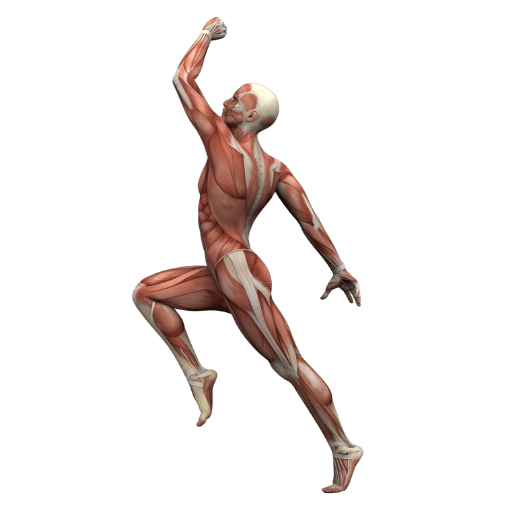
Cupping leapt from clinical obscurity to athletic mainstream on the morning of the 2016 rio olympics, when American swimmer Michael Phelps appeared at the event sporting round injuries all over his shoulders. Since that time, sports medicine and physical therapy departments have watered down the label to “myofascial decompression” while the framing has altered from “rusty old remedy” to a functional means of fascia-centered treatment, range of motion enhancement, and workout time optimization.
In warmer, more colloquial terms, the ‘mechanics’ of cupping, as spoken by the physical therapists, are exactly the opposite as we understand manual therapy. Foam rolling and massage tends to push directly into the tissue while dry cupping pulls layers of tissue in opposite directions. By doing so, it could potentially separate luminal fascial adhesions and, allow for the muscle, fascia, and skin to slide more effectively.
Cupping has been shown to reduce the pain-free end range of motion and result in less delayed-onset muscle soreness, but these studies often include an active movement component within the cupping window and are limited to small samples and uneven comparators, wrangling with similar placebo concerns to those from the JOSPT 2025 trial.
💡 Pro Tip: Cupping for Sports Recovery
For effect of the active recovery use, query the practitioner about glide cupping (sometimes called running cupping) on large muscle groups instead of static placement of the cup. Most physical therapy work with fascia working employs the combination of the vacuum (negative pressure) plus directional glide. Located static cupping is better used for triggered local pain.
One possible way to look at the data: this isn’t a cure-all, but a helpful addition to the recovery repertoire. It likely does help with perceived stiffness, range of motion, and personal feelings of recovery. It certainly does not eliminate the need for strength work, mobility work, and sleep, and any coach or practitioner peddling it to be a replacement for the same is over-promising.
Skin & Facial Cupping: Cosmetic Claims vs. Reality
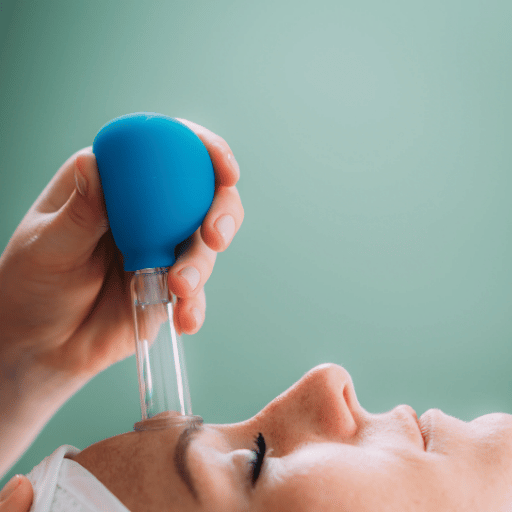
Facial cupping applies light strength, light suction small silicone cups while moving repeatedly over the face to stimulate microcirculation and aid lymphatic drainage. Promotional verbiage seems universally to making its inspiring claims of “lifting, brightening, softer lines,” and “ready-made Botox in a bowl.” The body of research validating any of these specific cosmetics benefit effects is rudimentary, anecdotal, and uncontrolled at best. More certainly evidenced is that the cups increase blood flow to the area of skin where they are applied, delivering blood flow to the area that temporarily translates to a flushed look often misinterpreted as a “glow.”
⚠️ Reality Check on Facial Cupping
Facial cupping will not reverse ageing or dissolve scar tissue, or replace medically-proven skin care procedures. It is a soft, manual (hands-on) technique with relatively gentle circulatory effects. If the process is agreeable to you as part of a skincare ritual, and you can tolerate the treatment, then the risks of any negative results are low – but always be equally skeptiscal of the advertising claims.
The honest framing: facial cupping can be reasonably marketed as a relaxing, minimally risky, and beneficial compliment to the skincare routine, mainly for clients who respond well to gentle suction devices. It should not be billed as a replacement for retinoids, sunscreen, or dermatologist-prescribed treatments. Conditions such as eczema, rosacea, and inflamed acne should be excluding indications for pupping until a healthcare professional approves.
Stress, Sleep & Mental Health: The Quiet Frontier
The evidence for cupping for stress/anxiety/sleep is the most tenuous of those reviewed in this article –yet arguably the least studied, which is another way to state the same thing. Several pilot studies have reported reductions in salivary cortisol following a series of cupping treatments, with effect sizes varying from trivial to moderate (it depends on sample size and protocol). There are also case series of cupping as an adjunct to insomnia and generalized anxiety disorder that have not been independently replicated in clean rigor.
The more defendable option is the indirect mental-health pathway. Chronic pain is a consistently good predictor of poor sleep, anxiety symptoms, and depression. If the success of cupping therapy in decreasing chronic musculoskeletal pain is valid (and the best evidence to date suggests that it is), then downstream improvements in sleep and stress levels is biologically plausible, absent any suggestions of direct cortisol, autonomic, or nervous-system-mediated effects in the literature.
The honest advice to give to a patient asking “Will cupping help my anxiety?” is: “probably not directly, and not as a substitute for evidence-based treatment of mental illness, but possibly indirectly if alleviating pain is a big part of what is fueling your anxiety.”
Be skeptical of any clinics that sell cupping as the main treatment for clinical depression, anxiety disorders or insomnia. These conditions all have defined treatment hierarchies and cupping is not appearing in any of them at present.
Cupping Marks Decoded: What Bruises Mean (and What They Don’t)
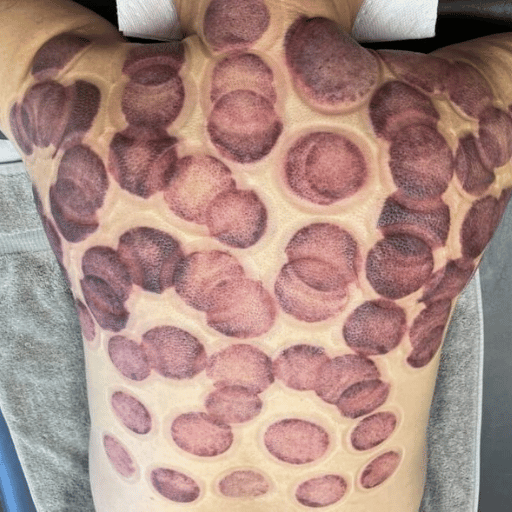
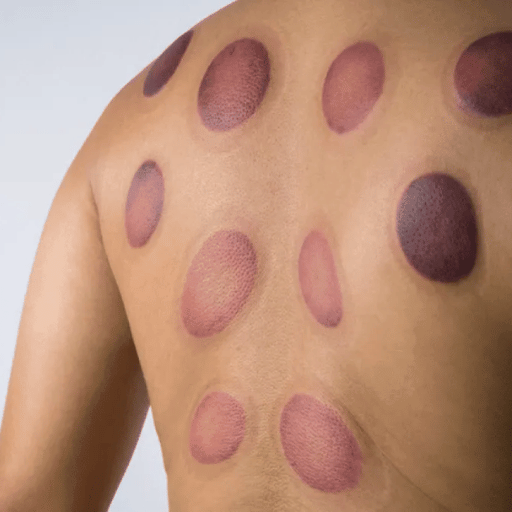
The mark left after cupping is not really a bruise per se. The Cleveland Clinic states that The suction force opens small blood vessels and the blood is absorbed as the vessels heal through normal physiologic processes, fairly standard physiological healing. NIH StatPearls defines the marks as ecchymosis and notes that “Cosmetically, the discoloration should remain through out the healing process for 1 to 10 days, the color of which depends on skin type and the intensity of the cupping.”
| Mark Color | What It Reflects (biomedical reading) | TCM Interpretation |
|---|---|---|
| Light pink or faint red | Mild capillary response; minimal extravasation | Healthy circulation, low stagnation |
| Bright red | Fresh extravasation; recent suction | Heat or recent imbalance |
| Dark red to purple | More substantial capillary rupture; longer cupping or stronger suction | Blood stasis or chronic stagnation |
| Dark purple, slow to fade | Heaviest extravasation; correlates with high suction settings | Long-standing imbalance |
What Toxins Does Cupping Remove?
This is one of the most cherished claims in cupping marketing—and one of the most sophistically deployed when exposed in other than marketing terms. There is no tedium to the identification of the toxic substances that are supposedly extracted in dry cupping. Consideration of the markings reveals continued enlightenment- dry cupping doesn’t extract toxins in a biomedical sense, the marks are caused by ruptured capillaries, they are not the result of toxins or minerals being extracted through the skin.
Wet (also known as bleeding) cupping is a different matter. NIH StatPearls points out that blood taken in wet cupping has “elevated concentrations of various substances including uric acid, cholesterol, urea and triglycerides, and various research has used the technique in protocols aimed at detoxification of heavy metals such as aluminum, mercury, silver and lead”. Whether this constitutes a successful type of overall-body detoxification remains debated – every session takes off only tiny volumes, and metabolically the majority of clearance takes place in the liver or kidneys.
The bottom line is: wet cupping ‘has measurable effects on biomarker concentrations in drawn blood’, but the clinical relevance of this in relation to overall toxin reduction in the body remains unsubstantiated. Claims that ‘cupping’, even dry or facial, removes toxins are marketing, not medicine.
Side Effects, Risks & Who Should Avoid Cupping
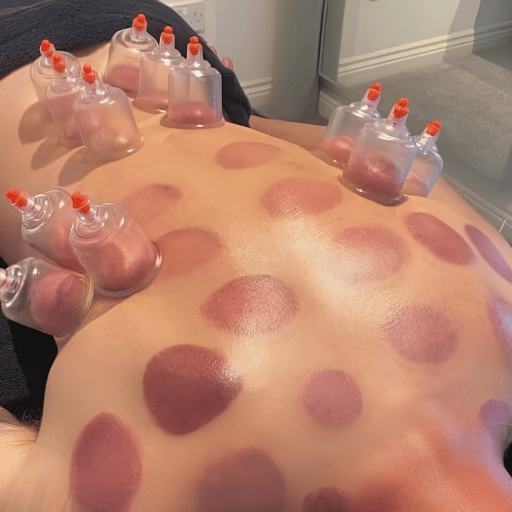
This is an informational section; please consult your prescriber before undertaking any alternative therapy, particularly if you are taking medication or have a chronic health problem.
The risk to the patient with cupping is quite low when performed by trained practitioners. NIH StatPearls categorizes the adverse events into preventable and nonpreventable. The preventable side effects-scarring, burns, bullae, abscesses, blood borne and skin infections, pruritus and panniculitis-are almost all referenced to instrumentation/sterile-technique error, and are generally avoided in licensed clinical practices.
The nonpreventable side effects are patient associated: headache, dizziness, fatigue, nausea, insomnia, and in very rare circumstances vasovagal syncope (caused by a transient drop in blood pressure and heart rate, often in association with wet cupping in patient susceptible to needle-related syncope).
✔ Reasonable Expectations
- Mild skin tightness during the procedure
- Round marks lasting 1–10 days
- Localized soreness for 24–48 hours after
- Possible short-term fatigue after the first session
⚠ Call Your Provider If
- You have burns or blistering at cup sites
- Pain or soreness is severe or worsening
- Signs of infection appear (redness, warmth, discharge, fever)
- Marks remain unchanged or worsen after 14 days
Contraindications- this is where cupping gets a little more hazardous. According to the conjoined lists of Cleveland Clinic and NIH StatPearls, the wide range of contraindications includes: pregnancy, anemia, pacemakers as well as other electronic implants, hemophilia and other bleeding disorders, deep vein thrombosis, a history of stroke, cardiac disease, eczema, psoriasis, epilepsy, active cancer, renal failure, anticoagulant medication, infections and high serum cholesterol levels. Cupping is never indicated over fresh wounds, fractures, varicose veins, lymphatic tissue, ocular tissue or infected tissue.
Decision Framework: Should You Try Cupping?
- Pregnant, breastfeeding or trying for a baby?If yes consult your doctor first; default position avoid.
- Are you on blood thinning medication? (Warfarin, apixaban, rivaroxaban, daily aspirin). If so avoid wet cupping completely; use dry cupping only with a doctor’s permission.
- German: Bleeden Sie? Do you have a bleeding disorder, anemia, or recent DVT/stroke? If yes avoid.
- Are you suffering from eczema, psoriasis, active acne, or any open skin condition in the area to be treated?If yes, avoid that area or skip altogether until the skin heals.
- Do you have a pacemaker or any other implanted electronic device?If so please do not place the hand-laid cupping over the site of the device.
If, however, none of the above apply and you have a long lasting musculoskeletal problem that has not been improving significantly through traditional care, buying in a licensed practitioner for a session of cupping is a reasonable addition to try.
What Not to Do After Cupping
Cost, Sessions & Finding a Qualified Practitioner
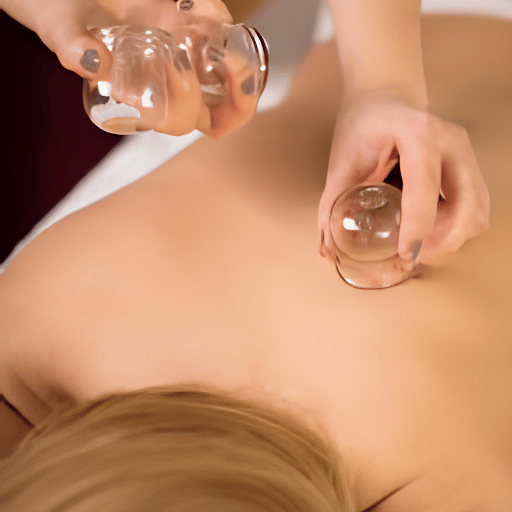
Traditionally one single “round” of cupping in the US costs $40-$120 with individual sessions $70-$150. Cumulating sessions (combining cupping with needles or massage) are $70-$150. Large heavily populated cities such as NYC, LA and SF tend to start higher $80-$200+ for advanced therapeutic work with senior practitioners.
Many clinics in these cities will offer pa ckages of sessions in some sort of a discounted rate 10-20%. Some sliding scale community acupuncture clinics will offer cupping as low as $20-$40 as an add on treatment.
| Setting | Typical US Range | Notes |
|---|---|---|
| Community acupuncture clinic | $20–$60 | Often as add-on to acupuncture session |
| Standalone cupping session | $40–$110 | National average per Thervo/WTHN data |
| Combined cupping + acupuncture | $70–$150 | Most common clinical configuration |
| Senior practitioner / metro premium | $120–$300 | NY/LA/SF; specialized therapeutic protocols |
Credentials to look for depend on jurisdiction. In the US, licensed acupuncturists (LAc, with state licensing) are usually the most formally-trained cupping therapists, often having completed college-level accredited programs in acupuncture and Oriental medicine. Licensed massage therapists, chiropractors with cupping continuing-education hours, and physical therapists with myofascial decompression certification are also common sources. Before your first session, ask three concrete questions: where did the practitioner train, how often do they perform cupping weekly, and what conditions do they treat outside scope. Answers to any of those questions askance is a reason to go elsewhere.
Cupping at Home: DIY Considerations & Safety Essentials
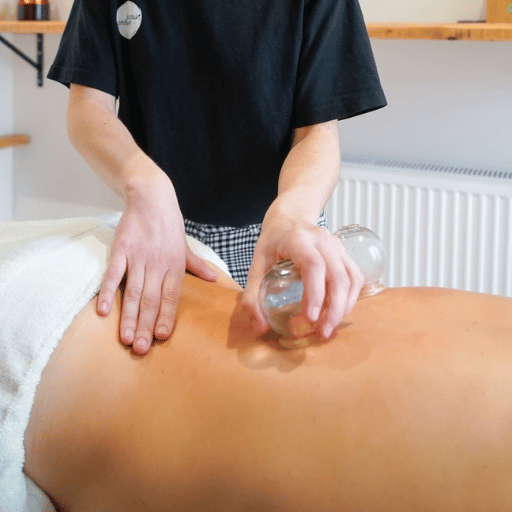
Home use kits of modern silicone and vacuum-pump cups are available, and for easy-range low-impact self-care on reachable muscle groups – calves, forearms, glutes, upper back – they can be a safe extension of the in-clinic experience. The strong positive: home cupping is not the clinic experience, and the risks scale exponentially from what most users expect.
- Only use silicone or hand-pump cups. Stay away from fire cupping at home the risk for burns is real and significant.
- Light to medium suction. If the skin tents or the feeling switches from strong pressure to pain, go ahead and release.
- Set a limit at 5-10 minutes per area. The clinical-study range is your maximum, not your minimum.
- Never do wet cupping at home. Skin scarification is a blood-borne pathogen risk and should be left only to licensed practitioners.
If you have any of the contraindications mentioned in the previous section, home cupping offers the same risks as clinic cupping minus the trained safety guarantee. When in doubt, make an appointment with a licensed practitioner before purchasing a home kit.
The TCM Perspective: Where Eastern Wisdom Meets Western Science
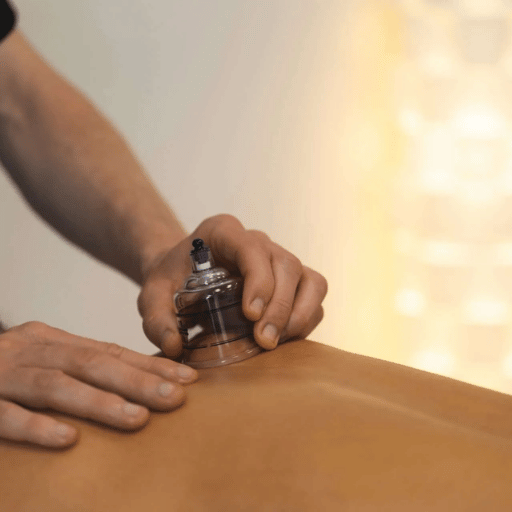
In TCM, cupping is one example of a theory: the cycle of qi (the body’s natural energy) and blood through twelve main channels (meridians) that run externally from accessible point locations to connect with internal organs. Where the qi or blood pools, pain and blockages follow; cupping was one technique among many to work toward the unobstructed flow. This identity was determined in classic Chinese medicine texts more than two thousand years ago but remains the working premise of traditional Chinese medical practice today.
With modern biomedical language, research often describes the same phenomena in a manner similar to TCM approaches. “Blood stasis” from traditional Chinese medicine maps closely with what Western medicine describes as localized tissue ischemia and deranged microcirculation. The qi movement model – particularly along the back’s bilateral bladder meridian, where most of the cups went – coincides with structures such as the dorsal sympathetic chain and the vasculature of the paraspinal region as described by the National Institute of Health StatPearls text when discussing the reflex zone line of response. The traditional reliance on placement in between the scapulae and at the low-back matches not only the region typically used in Chinese medicine but where modern physical therapists investigate causes of upper-quadrant and lumbar pain with myofascial decompression.
No compromise on cost and work despite the complication of processing herbal medicines. No compromise on quality and standard despite the scarcity of therapeutic ingredients.
— Founding motto of Tong Ren Tang, established 1669
But the editorial on TCM physiology that accompanies this one is published in the same disciplined spirit. Three and a half centuries of tradition do not make TCM exempt from scientific interpretation and it obliges us to subject it to this interpretation in good faith. But the integrative picture is not “TCM versus Western,” two competing systems; it is two complementary readings of the same therapeutic effect, each shedding light on what the other framework cannot fully see.
For musculoskeletal pain, the light is bright. For the systemic ideas – energy flushing, organ-tissue rebalancing, immune balancing in healthy and symptom-free subjects – the light is more shadow than glow. It is what the honest practitioner admits to.
2025 Outlook: What’s Changing in Cupping Research
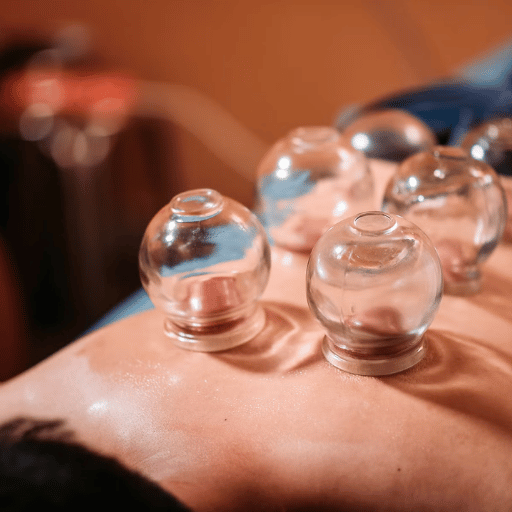
Three trends are influencing the field as of late 2025. First, on the research front, high-quality clinical trials are posthaste coming to fruition. As the most popular recent article, the 2025 JOSPT placebo-controlled trial for dry cupping has sparked intelligent discussion in PT and integrative medicine circles due to very-low-certainty outcomes.
Registered trials on ClinicalTrials.gov, such as NCT06193603 for chronically persistent nonspecific lower back pain, will be delivering data through 2026 and 2027 and will hopefully illuminate which patient phenotypes respond best.
In terms of implementation, integrative Medicine is growing at a pace far exceeding the cup specific research. The biggest health systems in the country, Cleveland Clinic and Banner Health, routinely put out patient-facing cupping information (something unthinkable 20 years ago). Sports-medicine programs are writing protocols for myofascial-decompression to be integrated into the standard rehab programs for certain types of pain.
From the industry perspective, the garra rufa therapy kits market, for instance, is forecast to expand from around USD 24.9 billion in 2023 to about USD 65.8 billion in 2033, corresponding to a roughly 10.2% compound average annual growth rate by multiple market-research estimates (DataM Intelligence, Market.us). (Once more, these should be considered industry estimates, not peer reviewed figures: market-sizing consultancies tend to have very different methods, and none is surely more accurate than another, but the general trend is consistent: adoption at the consumer level/ sale of home devices is outpacing the evidence base with significant margin.) For a reader entering practice of the subject in 2026, a high-level practical conclusion is that take-home guiding information has leveled off and prices seem to be stabilizing, yet vigilances around symptom-focused clinical evidence must fall on the consumer to maintain.
Frequently Asked Questions
Q: What are the benefits of having cupping done?
View Answer
Overall, the greatest evidence is for cupping and musculoskeletal pain (especially LBP, neck, tension or migraine headaches). Some evidence exists for range of motion, recovery from muscle soreness, and other systemic conditions such as high blood pressure for wet cupping. Evidence is weaker for cosmetic, mental health or detoxification claims.
Q: How long should cupping therapy last?
View Answer
Cups placed on the skin for 5 to 10 minutes each session (NIH StatPearls). Total session time, including consultation, taking the cups on and off, and aftercare, will vary from 30 to 60 minutes. For the chronic pain protocol, expect 4 to 8 treatments over 2 to 4 weeks before deciding on increasing treatment frequency.
Q: Does cupping therapy really work for chronic pain?
View Answer
Chronic LBP stands out as the only setting with multiple meta-analyses showing moderate-to-high quality evidence of clinically meaningful pain and disability reduction. In the other settings, the evidence is more conflicting. The 2025 JOSPT placebo-controlled trial only found very-low-certainty effect for dry cupping vs. sham cupping, indicating that some of the effect is due to contextual effects.
Cupping may serve as a beneficial adjunct in such cases, rather than a panacea.
Q: Is cupping therapy safe?
View Answer
In the hands of a well-trained practitioner treating appropriate candidates, the risks of cupping are quite minimal. Brusing, mild soreness, and transient fatigue are common. Burns from fire cupping, skin infection, and (rarely) vasovagal syncope are major adverse events.
Q: Who should avoid cupping therapy?
View Answer
Pregnant or breastfeeding individuals, those with hematologic or anticoagulant taken states, with anemia, pacemakers, history of deep vein thrombosis, active cardiovascular disease, eczema, psoriasis, epilepsy, active cancer, organ failure, and active infections should avoid cupping or seek medical advice before proceeding. Never place cups on open wounds, varicose veins, or fracture sites.
Q: How much does cupping therapy cost in 2025?
View Answer
In the United States, it is typical for a single cupping session to cost between $40 and $120, and for cupping plus acupuncture to cost between $70 to $150. The proximately larger cities are on the higher end; community acupuncture clinics providing cupping as an add-on are lower. Multi-session packages usually discount each session by 10 to 20 percent.
References & Sources
- Cupping Therapy – StatPearls (Sina & Bokhari, 2023) – National Library of Medicine, NIH
- Cupping Therapy: Definition, Types & Benefits – Cleveland Clinic Health Library
- Updated Evidence of Cupping Efficacy for Pain Relief (2025) – PubMed Central
- Dry Cupping and Placebo Cupping Efficacy (2025) – JOSPT Open
- Cupping Therapy in Chronic Nonspecific Low Back Pain (NCT06193603) – ClinicalTrials.gov
- Cupping Therapy: The Medical Viewpoint: Effects and Mechanisms of Action – Al-Bedah et al., J Tradit Complement Med (2018)
- Evidence Map of Cupping Therapy – Choi et al., J Clin Med (2021)
- Cupping Therapy and Chronic Back Pain: Systematic Review and Meta-Analysis – Moura et al., Rev Lat Am Enfermagem (2018)
- Effectiveness of Cupping Therapy for Neck Pain: Systematic Review and Meta-Analysis – Kim et al., BMJ Open (2018)
- Cupping Therapy: The Good, the Bad, and How It Is Done – Banner Health
About This Analysis
This review of the benefits of cupping therapy as evidence up to 2025 was compiled for Tong Ren Tang, a Chinese medicine institution established in 1669 and a provider of imperial health products to eight Qing emperors from 1723 to 1911. With a 350-year-old history to rely on, its approach to evidence maintains the culture of tradition as an initial source of information, not a shield from examination. When the evidence of modern, peer-reviewed research and TCM observation overlaps—in regard to musculoskeletal pain—the perspectives are both included here. When they do not—with regard to systemic claims being proven or disproven in 2025 placebo-controlled trials—the two perspectives are honestly documented.
Considering cupping therapy for chronic pain?
Set up a consultation with a licensed cupping specialist, and have your medical history and medication list ready to share.