Get in Touch with Tongren Tang Gulf

Cupping Marks Meaning and Aftercare: What Color, Duration and Care Mean

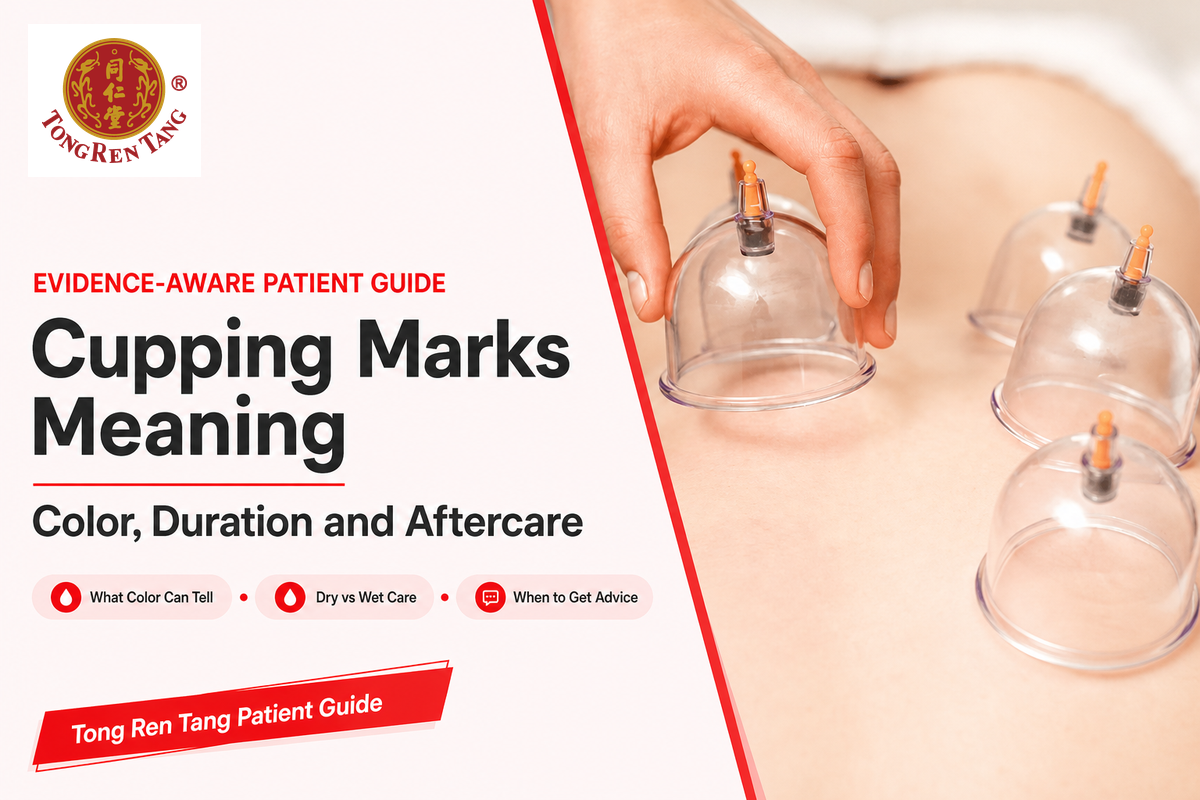
Cupping marks meaning is often simpler—and less diagnostic—than online color charts suggest. The circles are usually temporary discoloration caused by suction acting on the skin and small superficial blood vessels. Marks can vary from pink and red to purple, and may reflect treatment pressure, time and individual skin response. Color alone doesn’t prove that toxins were removed, identify an unhealthy organ or diagnose a disease.
Most uncomplicated marks become lighter over several days. Clinical references describe a range of roughly 1–10 days, while Cleveland Clinic says they should fade in a week or two. The first aftercare question isn’t “What color is it?” but “Is the skin intact after dry cupping, or was it punctured during wet cupping or hijama?” Those situations need different care.
Checked for limits to evidence and reader safety as updated August 2026
| What you notice | What it may represent | Reasonable next step |
|---|---|---|
| Round pink, red or purple areas on intact skin that are gradually fading | An expected local response to suction | Treat gently and monitor the overall trend |
| Small puncture sites after wet cupping or hijama | Procedure wounds, not merely intact-skin marks | Follow your practitioner’s wound-care instructions |
| Burn, blister, increasing pain, fever, spreading redness, discharge or bleeding that will not stop | A possible complication that cannot be judged by color alone | Get prompt medical advice |
What Do Cupping Marks Actually Mean?
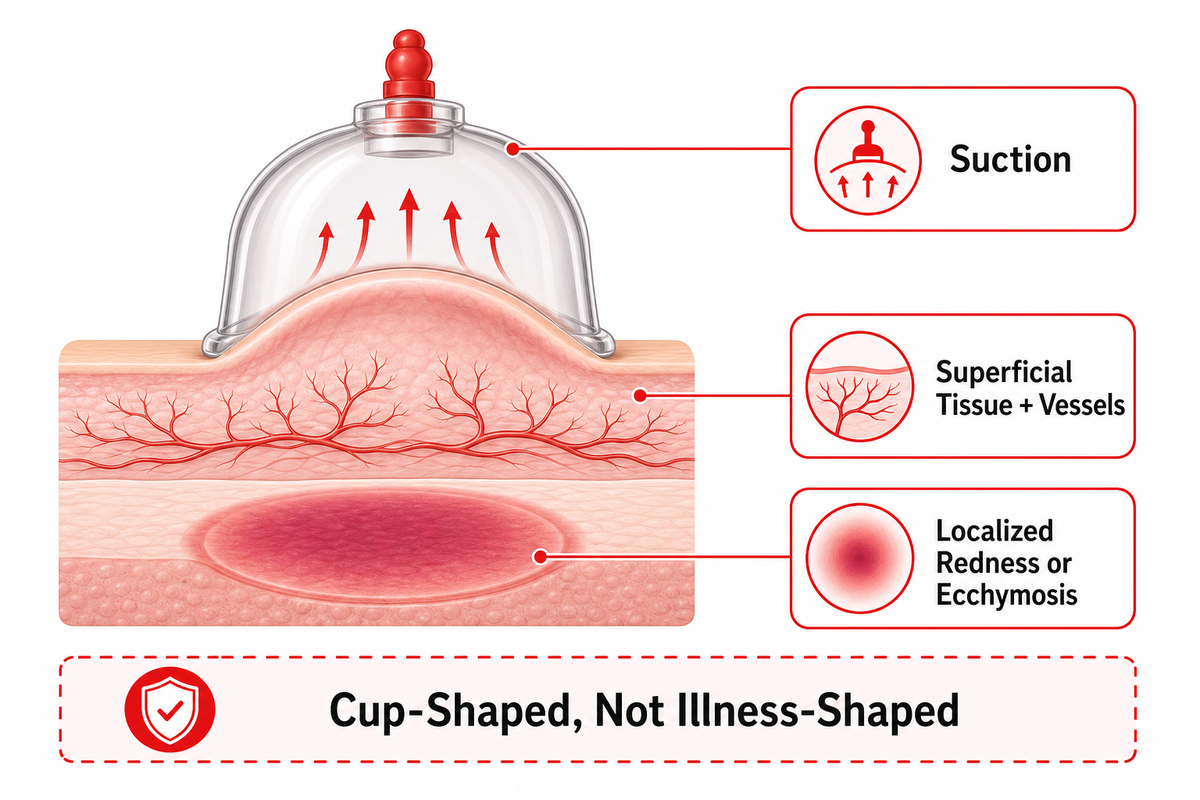
During cupping therapy, a cup creates negative pressure over a small area. Suction lifts the skin and affects superficial tissue and tiny blood vessels. Its round outline follows the cup rather than the shape of an illness. That physical process can leave localized redness or ecchymosis—the medical term for visible bleeding beneath the skin.
The circles may resemble impact bruises, but the trigger is different. Conventional bruises often follow a bump or blow; deliberately applied suction leaves a cupping mark. It’s safest to describe the appearance and cause without making the marketing claim that cupping marks are “not bruises” in every medical sense.
What a mark can indicate
Where suction was applied and how the local skin and superficial vessels responded.
What a mark cannot confirm by itself
Toxin removal, organ health, a blood flow problem or a named disease.
This distinction matters because the evidence for cupping’s therapeutic benefits remains limited. The U.S. National Center for Complementary and Integrative Health says that most cupping research is of low quality. A visible response doesn’t prove that a claimed treatment effect occurred.
What Cupping Mark Colors Can, and Cannot, Tell You
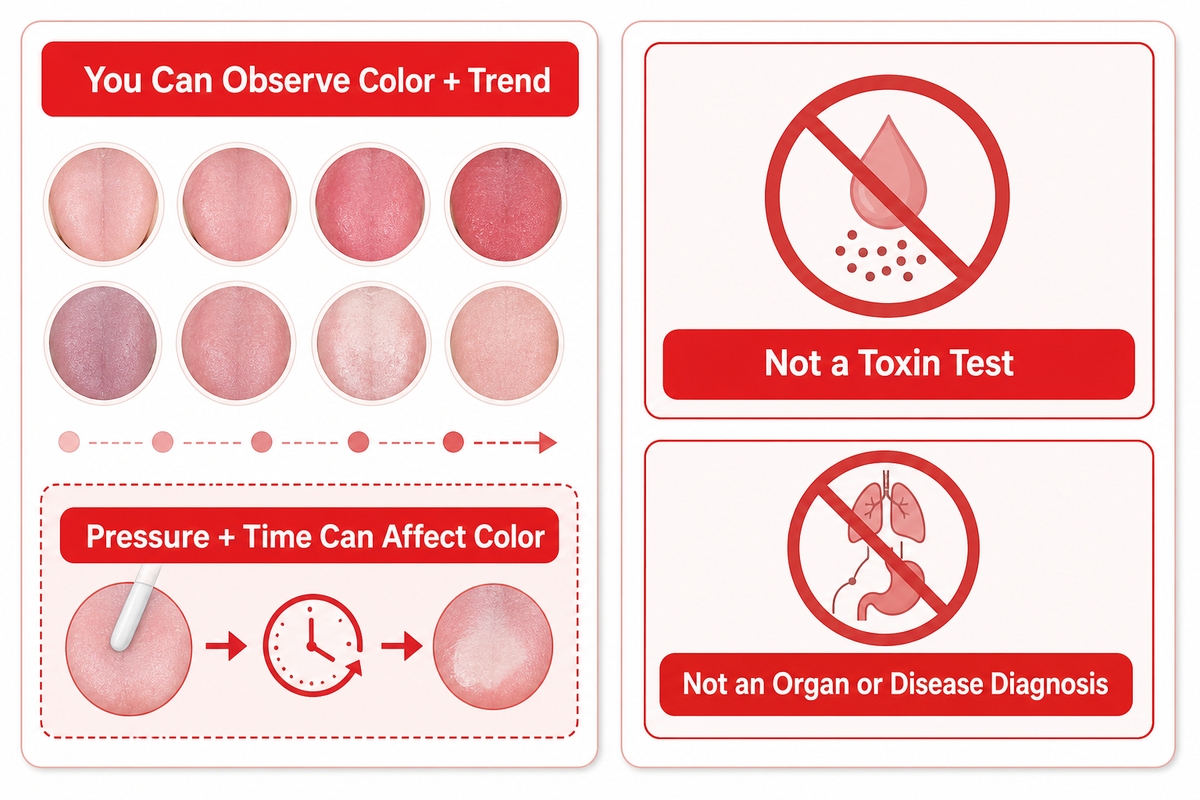
Cupping colors can range from light pink or red to deep purple. Their appearance isn’t produced by one factor. Skin characteristics, individual response and treatment intensity can all matter. One small published study also found that applied pressure and retention time significantly affected mark color. Darker marks may therefore reflect technique as well as a person’s skin response; the study doesn’t turn color into a diagnostic test.
| What you can observe | What color cannot confirm |
|---|---|
| Whether a mark is light, dark or uneven | How “toxic” the body is |
| Whether it is becoming lighter over time | The condition of a specific organ |
| Whether the same session left different shades in different locations | A disease, deficiency or circulation diagnosis |
| Whether skin is intact, punctured, blistered or draining | Whether a complication is harmless |
Do darker cupping marks mean I am unhealthy?
Not on color alone. Dark purple cupping marks can be affected by technique and the local skin response. They aren’t a validated measure of overall health. Traditional Chinese medicine practitioners may discuss marks using concepts such as stagnation. That’s a traditional interpretive framework, not a standalone medical diagnosis. If you want the traditional color categories, see Tong Ren Tang’s cupping marks color guide; use medical symptoms and the course of the skin change—not color mythology—to make safety decisions.
How Long Do Cupping Marks Last?
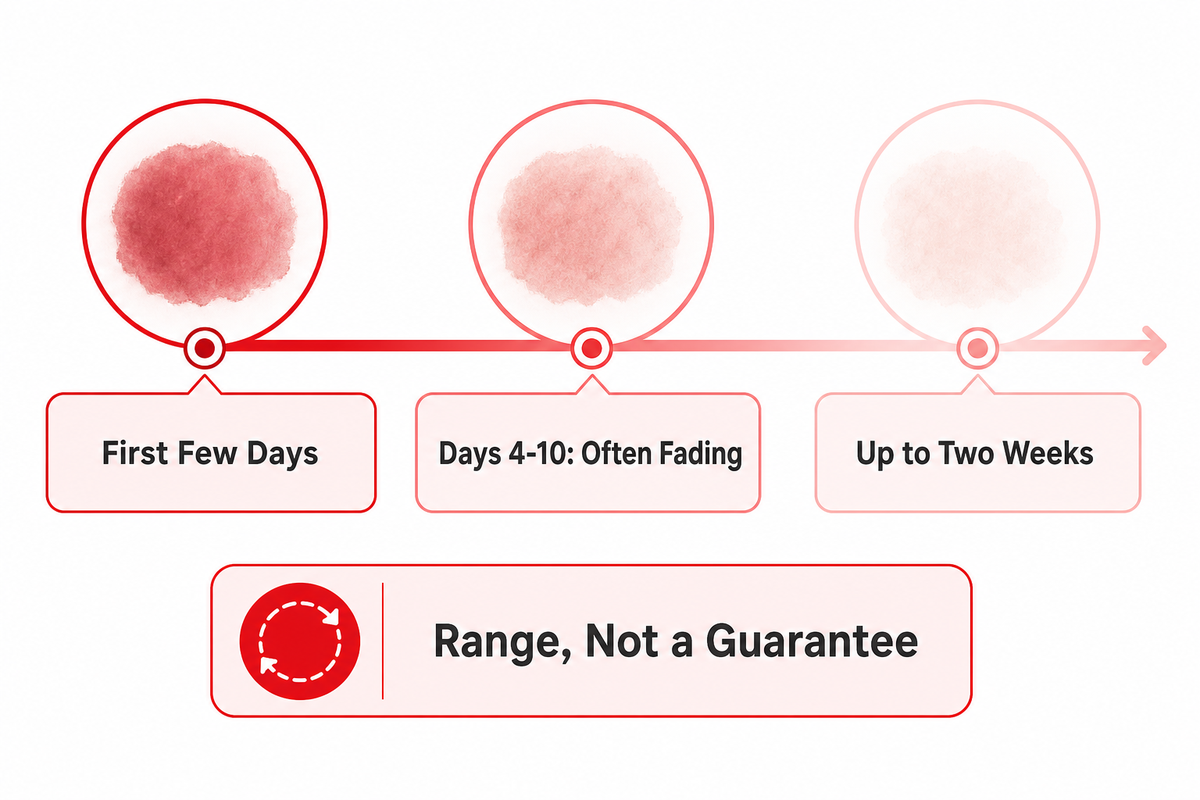
There’s no single disappearance date. StatPearls describes residual marks as generally resolving in 1–10 days. Cleveland Clinic gives a broader patient-facing expectation of one to two weeks. Together, these sources support a practical answer: most uncomplicated marks fade over days, and some remain visible for up to about two weeks.
A flexible fading timeline
- First few days: circles may still look prominent. Focus on whether symptoms are mild and stable.
- Days 4–10: many uncomplicated marks are becoming lighter, although their edges may fade unevenly.
- Up to two weeks: some marks take longer. The overall direction should be toward improvement, not increasing pain or skin breakdown.
Darker starting points may be more noticeable for longer, but color isn’t a countdown clock. Treatment intensity and individual response vary. NCCIH also notes that persistent discoloration and scarring can occur, so “temporary” shouldn’t be treated as a guarantee for every person.
Duration alone is less useful than the trend. Even without an hour-to-hour change, a circle may still be following a normal course. More pain, heat, swelling, broken skin or drainage needs a different response even if the session was recent.
Use the Trend–Skin–Symptoms Mark Check
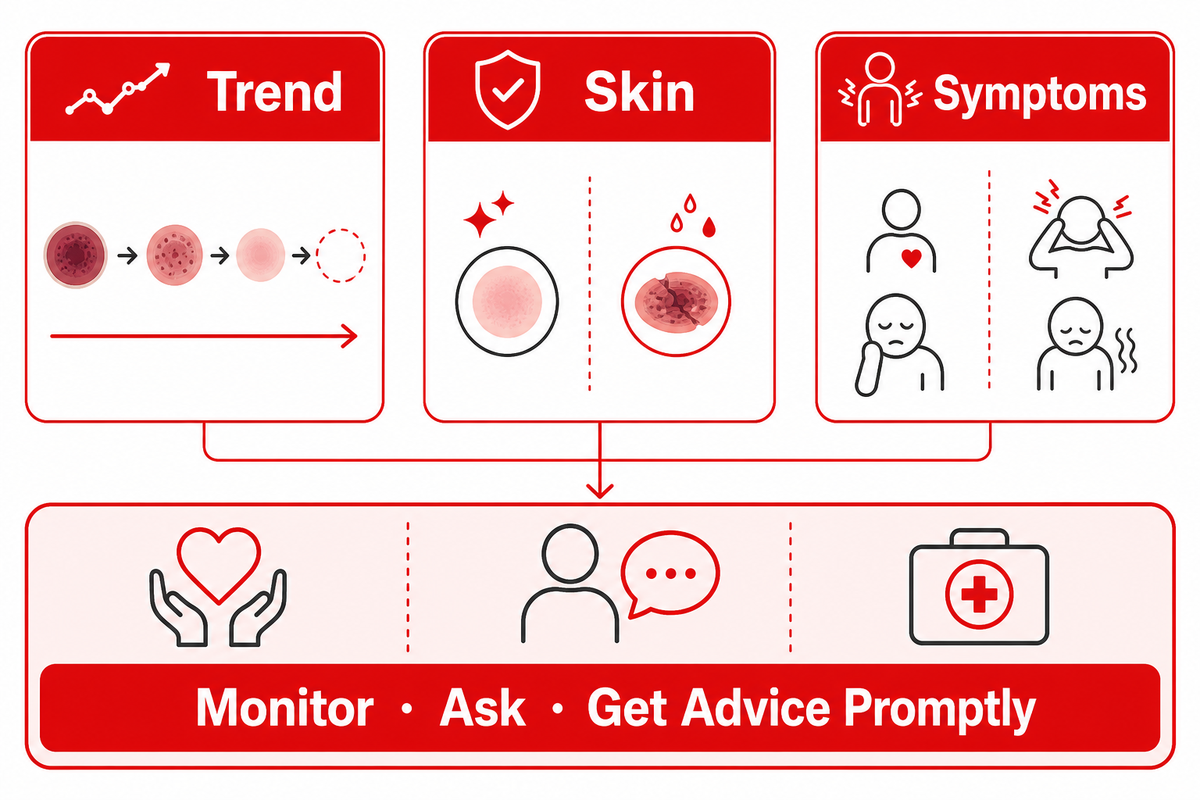
The Trend–Skin–Symptoms Mark Check is an educational triage aid, not a diagnostic test. It shifts attention from shade names to three observations that are more useful for deciding what to do next.
1. Trend
Is the mark gradually becoming lighter, or is the area worsening, spreading or staying unexpectedly persistent?
2. Skin
Is the surface intact, intentionally punctured, blistered, burned, reopened or draining?
3. Symptoms
Is there mild local sensitivity, or increasing pain, fever, spreading redness, discharge or bleeding?
Expected: monitor gently
The skin is intact, symptoms aren’t worsening and the mark is following an overall fading trend. Continue the conservative intact-skin aftercare below and follow the instructions given at your session.
Uncertain: monitor and ask
Ask your practitioner or a healthcare professional if the course isn’t what they told you to expect, the discoloration remains unexpectedly persistent, or a health condition or medication makes you unsure. Photos taken in the same lighting can help you describe the trend, but they aren’t a substitute for assessment.
Concerning: get medical advice promptly
Seek prompt medical advice for a burn, concerning blister, extreme or increasing pain, fever, spreading redness, marked tenderness, yellow or green discharge, a wound that reopens, or bleeding that won’t stop. These aren’t questions a color guide can safely resolve. If symptoms are severe or rapidly worsening, use the urgent-care route appropriate to your location.
Dry Cupping Aftercare When the Skin Is Intact
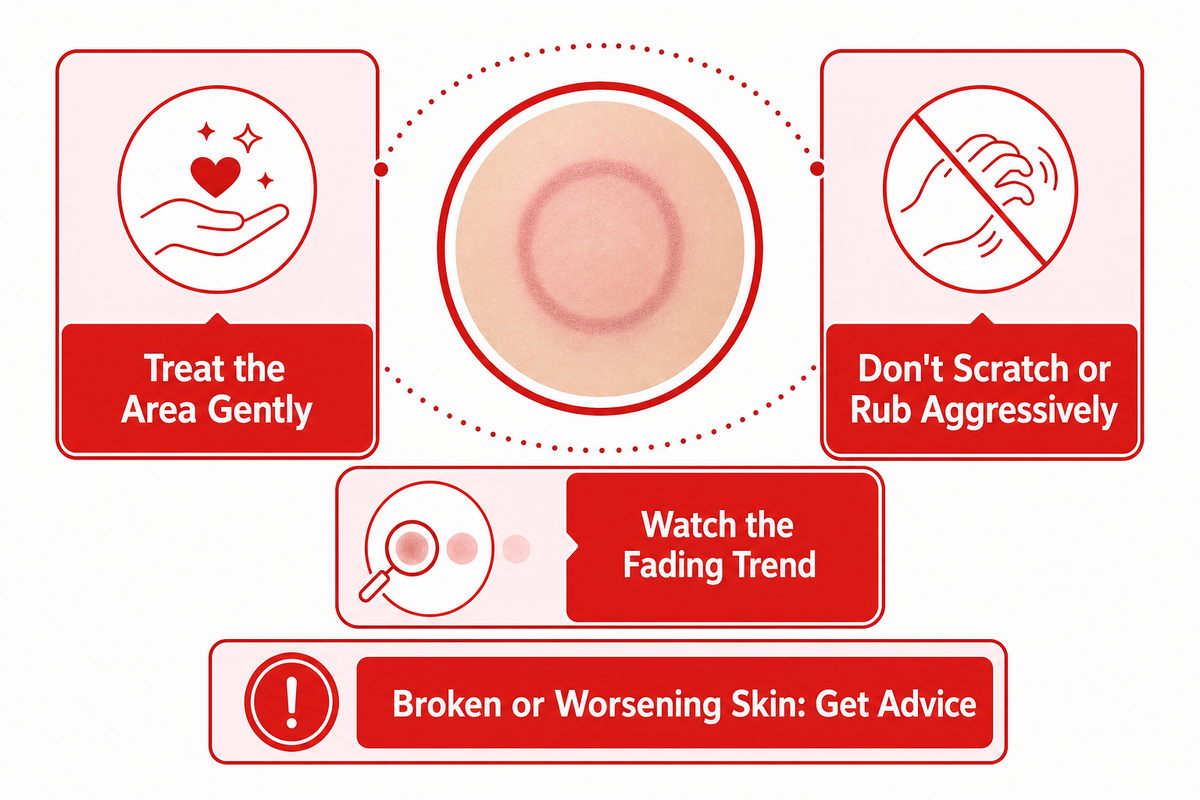
After dry cupping, the skin hasn’t been deliberately punctured. Marks left on an intact surface usually need observation and gentle treatment rather than an aggressive attempt to erase them.
- Follow the treating practitioner’s advice, because technique and individual response differ.
- Avoid scratching or aggressively rubbing an irritated area.
- Check the overall fading trend and notice any new pain or skin change.
- Move to the medical-advice pathway if the site is burned, blistered, open, draining or increasingly painful.
This evidence review didn’t find a reliable home method that makes marks disappear on demand. Drinking water for normal hydration may be sensible for general wellbeing, but it shouldn’t be sold as a proven way to “flush out” a cupping mark. The same caution applies to forceful massage, heat, oils, special foods and detox products.
Wet Cupping or Hijama Aftercare When Skin Is Broken
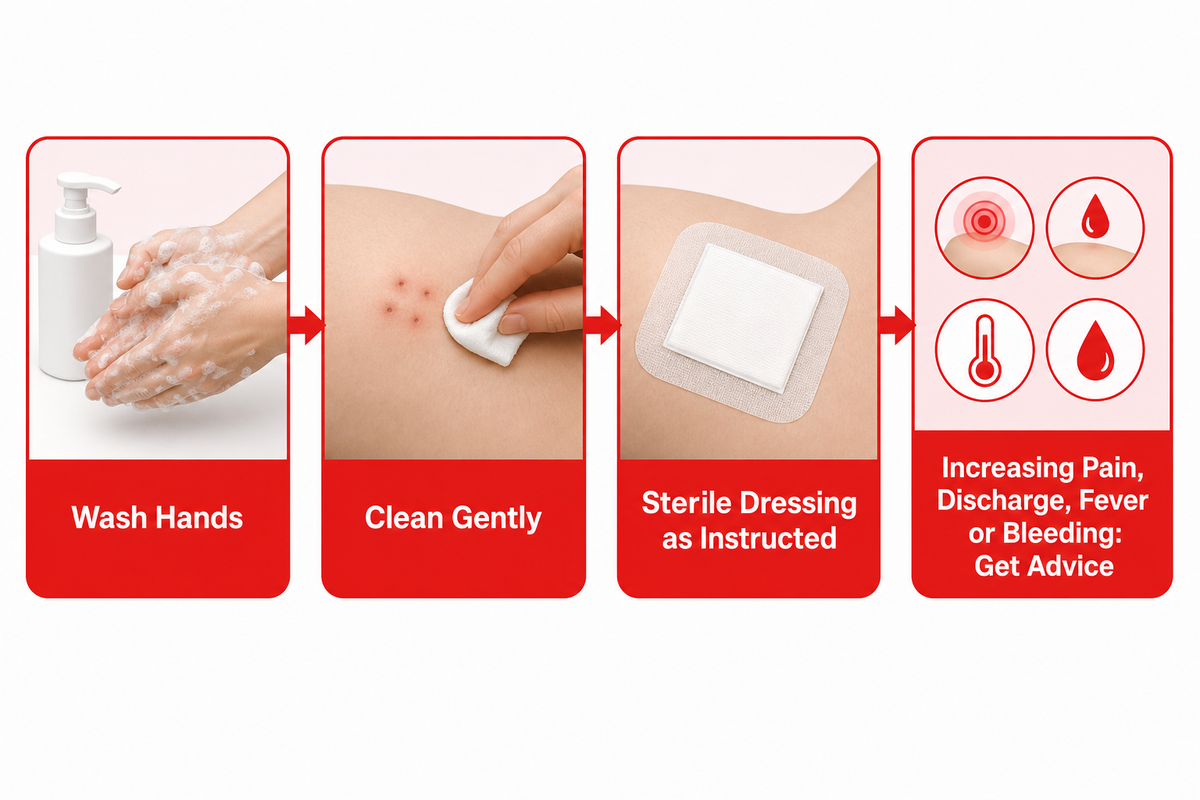
Wet cupping or hijama includes small skin punctures and blood removal. That makes the treated sites procedure wounds. Use the exact instructions given by your treating clinician or qualified practitioner to protect the healing process; general web guidance can’t account for how the procedure was performed, the dressing used or your medical history.
General broken-skin care principles
- Wash your hands before touching a puncture site or dressing.
- Clean gently and protect the site with a sterile dressing as instructed.
- Keep the dressing clean and dry, and replace it if your practitioner advises or it becomes contaminated.
- Don’t pick, scratch or apply unapproved oils, creams or home remedies to the open sites.
- Ask for prompt medical advice if redness or pain increases, discharge appears, fever develops, the wound reopens or bleeding doesn’t stop.
Don’t assume that every patient should remove a dressing, bathe, exercise or apply a product after the same fixed number of hours. Procedure technique and wound status differ. When your practitioner’s instructions conflict with generic online advice, contact the practitioner or an appropriate healthcare professional for clarification.
Infection control begins before aftercare. NCCIH warns that contaminated cupping equipment can transmit blood-borne infections. Wet cupping should therefore be performed by a qualified practitioner using appropriate hygiene, sterilization and single-use equipment where required. Repeated blood removal also adds an anemia concern for some people.
If you’re looking at the processes, this hijama vs cupping overview illuminates the practical distinction between wet and dry. Tong Ren Tang’s cupping and hijama services page offers treatment context without countermanding your medical team.
Can Anything Make Cupping Marks Fade Faster?
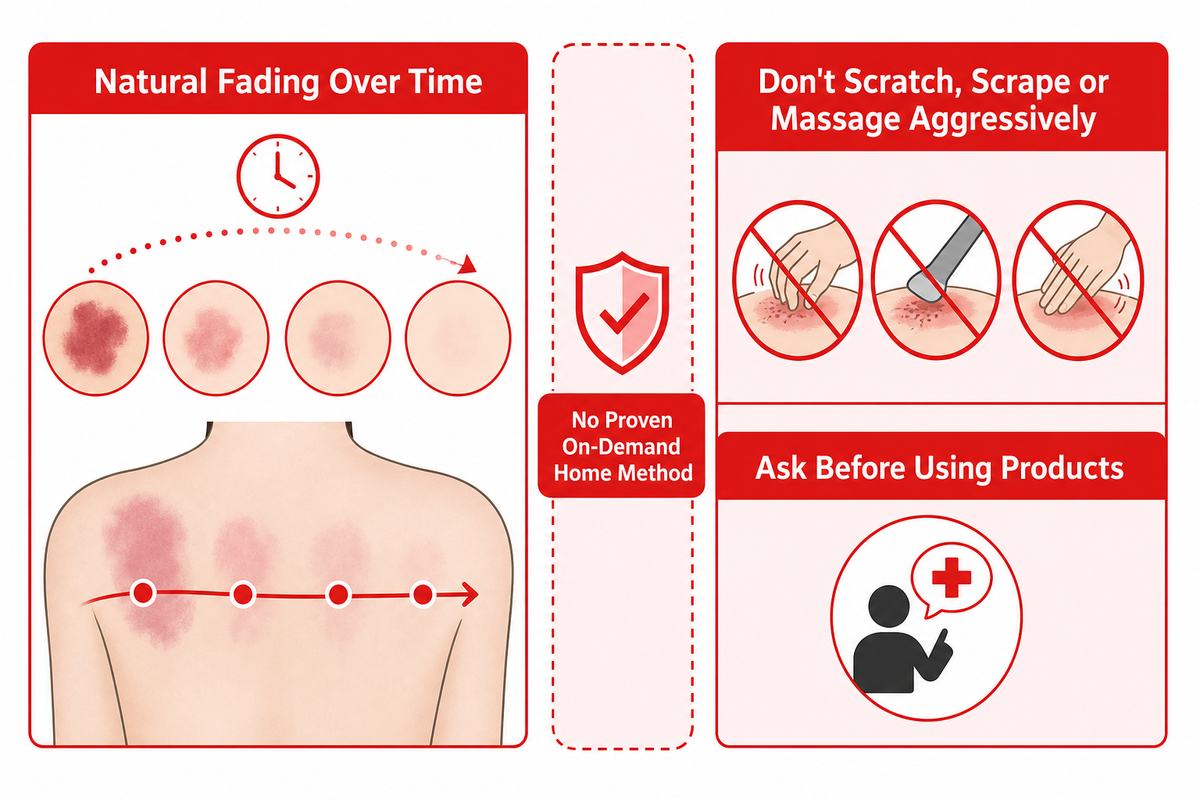
There’s no well-established home method in the reviewed evidence that reliably resolves uncomplicated cupping marks on command. Natural fading over time is the best case scenario. That may be less satisfying than a “fast detox” tip, but it means avoiding medicalizing comfort habits.
Don’t scratch, scrape or aggressively massage a tender area. Never put an unapproved product on broken skin. If you want to try warmth, massage, an oil or another skin product for comfort, first ask the professional who treated you—especially after wet cupping, if the skin is sensitive, or if there’s any blistering.
Key takeaway
Do not judge safety by darkness. Read the direction of change, the condition of the skin and the symptoms around it.
Before Another Session: When to Ask a Healthcare Professional
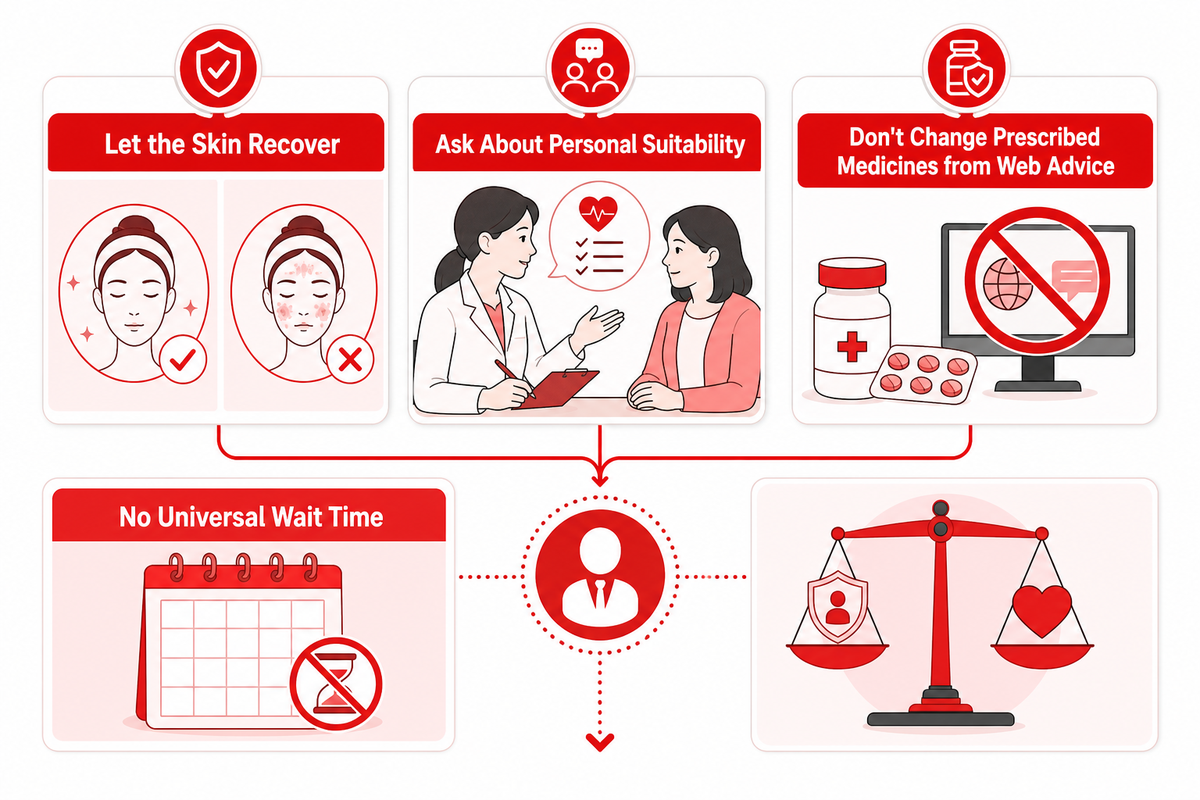
There’s no universal wait time that makes another cupping session appropriate for everyone. Let the skin recover and have an unexpected reaction assessed before repeating treatment. Wet cupping adds blood-loss and infection-control considerations that intact-skin dry cupping doesn’t.
Consult a healthcare provider about suitability if you’re pregnant or have anemia, a bleeding or clotting condition, cardiovascular disease, active eczema or psoriasis, open wounds, or a previous adverse reaction. This is also the more cautious route if medications or an ongoing condition make bruising, bleeding or wound healing uncertain. Don’t stop or modify prescribed medications based on a cupping article.
For an individualized discussion, you can meet Tong Ren Tang’s TCM doctors. Bring details of the prior session, how the mark changed, relevant health conditions and any current medicines so the conversation is based on more than color.
Frequently Asked Questions About Cupping Marks
What does “severe stagnation” mean in cupping?
Answer
“Stagnation” is terminology used within traditional Chinese medicine to interpret patterns and symptoms. A practitioner may use it when discussing a dark mark, but the phrase isn’t a validated standalone medical diagnosis and doesn’t identify a specific disease from color alone. Ask what observations informed the interpretation and whether any symptoms need conventional medical assessment.
Can cupping marks become permanent?
Answer
Most marks are temporary and fade over days to about two weeks. NCCIH nevertheless lists persistent skin discoloration and scars among possible adverse effects. A mark that isn’t following the expected course, or is accompanied by worsening symptoms, should be discussed with a healthcare professional rather than diagnosed from its shade.
Are cupping marks the same as bruises?
Answer
They can look like bruises and clinical references may describe them as ecchymosis. The trigger is suction rather than a blow. It’s more accurate to explain that difference than to claim that cupping marks can never be considered bruising. Either way, severe pain, burns, discharge or worsening skin changes aren’t something to dismiss as a normal circle.
How soon can I have cupping again?
Answer
There’s no universal interval for every technique and person. Allow the skin to recover and follow the qualified practitioner’s plan. Get individualized advice before another session if you had wet cupping, persistent marks, significant pain, blistering, infection concerns, unusual bleeding or another adverse reaction.
Read the Trend, Skin and Symptoms, not Just the Color
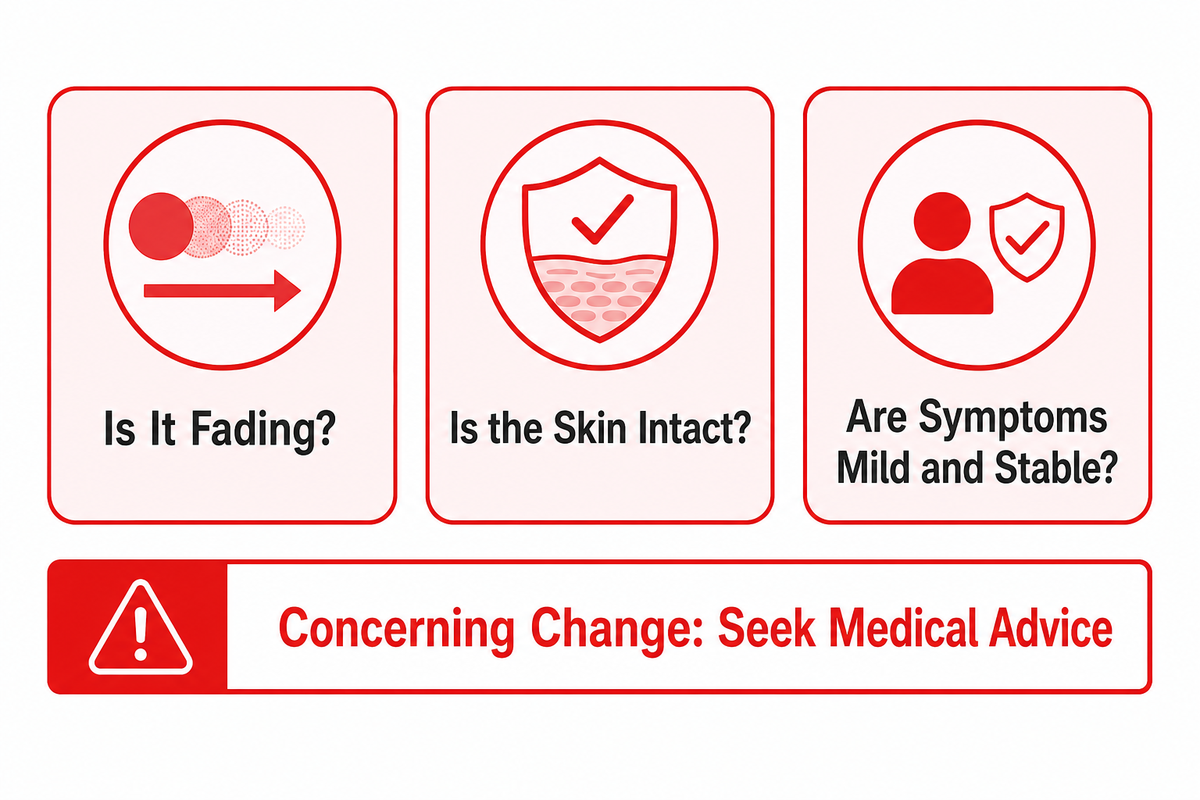
The safest cupping marks meaning isn’t a diagnosis coded in red or purple. It’s a local tissue response to suction with a variable appearance. For most intact-skin marks, slow fading over days is reassuring. For wet cupping, treat puncture sites as procedural wounds and follow expert instructions.
Revisit the three fundamental questions: Is it fading? Is the skin intact? Are symptoms mild and stable? If there’s a burn, increasing pain, fever, spreading redness, discharge, reopening or uncontrolled bleeding, seek medical help rather than interpreting the color.
Have a personal aftercare question?
Tong Ren Tang was founded in Beijing in 1669 and continues its quality-focused Chinese medicine tradition in the UAE. Speak with a qualified practitioner about your procedure, skin response and next step.
Medical note: This article provides general educational information. It doesn’t diagnose a skin change, replace personal medical advice or override instructions from the professional who performed your procedure.
![Postpartum TCM Care: Safety Questions for Dubai [Guide]](https://tongrentang.ae/wp-content/uploads/2026/09/postpartum-tcm-care-blog-featured-768x512.png)