Get in Touch with Tongren Tang Gulf


A patient-centered perspective on the “feel” of acupuncture, how clinical studies measure pain on a 0-10 scale, where the coarser sensations tend to be located on the body, and what a modest tingle versus a notable signal worth raising a flag actually feels like.
Quick Specs: Acupuncture at a Glance
| Average reported pain (VAS 0–10) | ~1.3 / 10 (pediatric retrospective study, 230 patients, PMC, 2023) |
| Typical session length | 10 to 30 minutes of needle dwell time |
| Standard needle gauge | 0.16–0.25 mm (about the width of a human hair) |
| Common sensations | Tingle · dull ache · warmth · heaviness (de qi) |
| Most studied applications | Chronic low back pain, arthritis, migraine, post-operative nausea |
Is acupuncture painful? For the vast majority of patients the sensation they feel is closer to a transient tingle than it is a piercing pinch of a vaccination shot or blood draw. That is the consensus of every medical entity that has weighed in on the matter, but it does not tell the entire story. Real, hard science has tested and tabulated just how it actually feels to study participants on the 0-10 scale, and just how few do experience a more notable degree of discomfort. This article discusses both that fact and the implications thereof: how first-timers can expect treatment to feel for the most part, why a very small percentage of patients experience more, where on your body the sensations tend to be more or less noticeable, and what sort of sensation should alert you to speak up and speak out to your treating acupuncturist.
“In one published pediatric study, the average pain rating during acupuncture treatment was 1.3 out of 10 – lower than what most adults would rate a routine blood draw”.
What Acupuncture Actually Feels Like (Sensation, Not Sharp Pain)
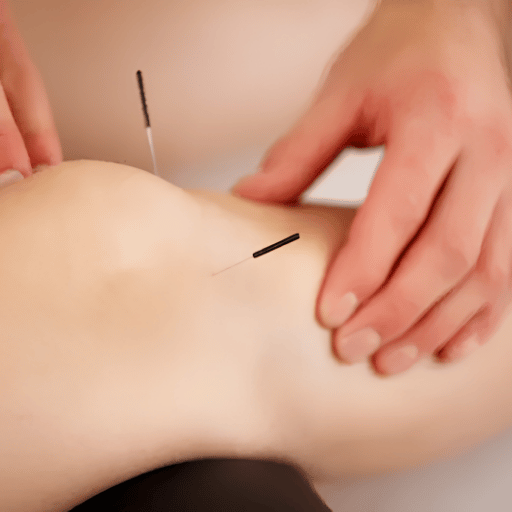
What patients first notice when an acupuncturist takes up an insertion needle is how fine it is. Acupuncture needles are shaped solid and sterile with only the width of a human hair, drastically thinner than the larger hollow needles common for injections, blood draws, and the like. That geometry difference is the reason the insertion is usually felt more like a quick prick, than a quick pinch.
What comes after entry is more varied. Four sensations that most participants report after entry more often than not arrive fairly sequentially, and can be characterized as follows:
- Tingle: a faint electrical or pins and needles feeling, which can often radiate a few centimeters from the insertion point.
- Dull ache/tingling of the musculature: the sensation experienced after a bout of mild physical activity.
- Motion-like warmth: heat radiating outwards along what traditional Chinese medicine would refer to as a meridian channel passing through that point.
- Compaction: a notion of heaviness in the area or limb being treated, which the acupuncturists in traditional Chinese medicine tradition also refer to as de qi- in your situation it is most likely an indication that the needle has reached an appropriate depth for its task at hand.
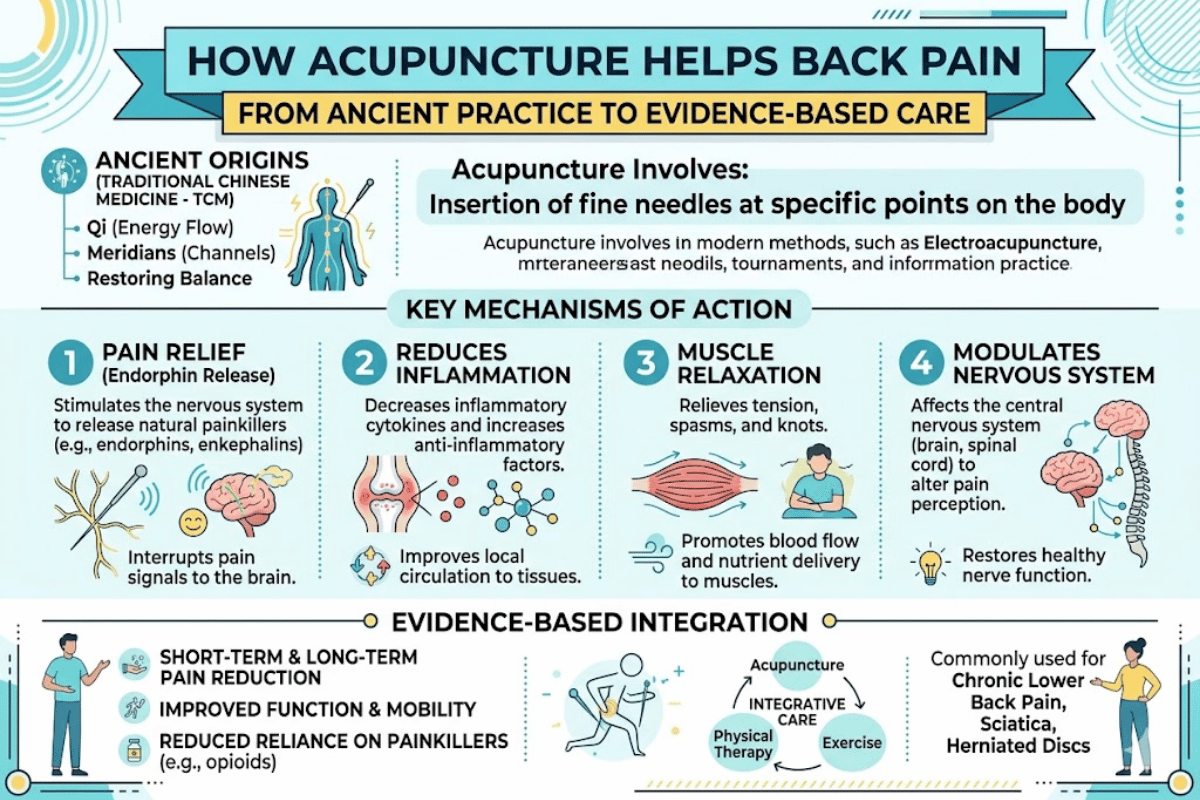
Most of the time the sensation of de qi is neither painful nor even irritating in fact in is very tolerable and “more of a quick discomfort or no sensation at all. Needling the muscle nerve bundles and the use of electroacupuncture will release natural endorphins that are actually relaxing and pain-reducing”.
Indeed, this is not the sort of pain most patients have to work hard against. A wire-like feel of the needle itself combined with the shallow depth of its insertion means anything but the deepest needles is generally only inserted a few millimeters below the surface of the skin, and not at all deep in thick-musculoskeletal regions such as the gluteal region. Johns Hopkins Medicine writes the sensation exactly the same: needles are inserted only to a depth that produces a feeling of pressure or ache, not a sharp pain.
How Painful Is Acupuncture? What the 0–10 Scale Studies Show
During clinical pain research, practitioners use the Visual Analog Scale (VAS 0-10, with 0 being “no pain” and 10 “the worst pain you can imagine”). An increasing number of acupuncture trialers present VAS as an outcome and the data points are comforting without being suspiciously perfect.
| Study type | Reported pain rating | Source |
|---|---|---|
| Pediatric retrospective (230 unique patients) | ~1.3 / 10 average VAS during needling | PMC, 2023 |
| Adult chronic neck pain RCT (electroacupuncture vs sham) | Significant VAS reduction vs sham and waitlist controls | PMC, 2024 |
| Pharmacopuncture comparative study (neck pain) | VAS as primary outcome; meaningful score improvement | PMC |
One or two caveats are in order, though: the 1.3/10 figure is from a pediatric population, where a more cautious parent or clinician could have been giving the scores; and adult scores differ among conditions, locations, operator experience and skill. And we’re talking about the sensation produced by needles, not the soreness some report a day or two later. Still, the trends in published research appear reassuring, with pain scores sitting at the mildest end of the scale, considerably better than the fear most first-timers arrive with. Harvard Health Publishing makes a similar argument: most people find acupuncture comfortable, not painful, especially after the first few needles go in.
Acupuncture may actually provide relief in several of the chronic pain conditions it has been most heavily researched: low back pain, arthritis, migraine and tension-type headache, and chemotherapy-related nausea. And in those studies of conditions specifically targeted with pain relief in mind, patients tend to notice the effect more than the insertion.
Does Acupuncture Hurt the First Time? What to Expect in Session One
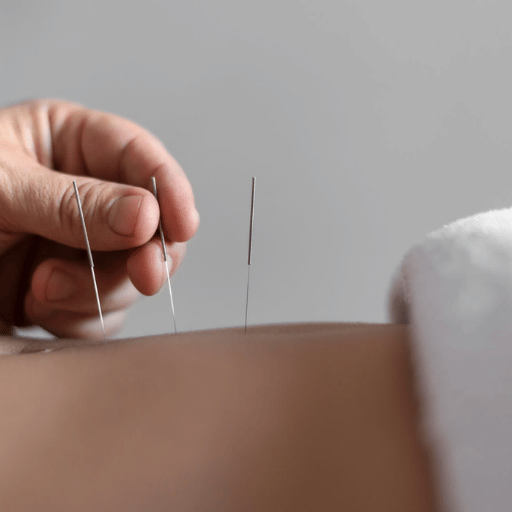
The frank answer, then: expect your first session to be more about anxiety than pain (and the same part of the nervous system that handles anxiety amplifies the sensations briefly produced by needles). And it really isn’t just me saying it: a study published in Medical Acupuncture suggests that patient’s levels of discomfort and acceptance are informed by, among other things, their fear of needles, their age, and whether they know what to expect ahead of time. That’s why your knee-jerk, honest response should include…anticipation in the measurement, too.
Does acupuncture hurt the first time?
Most patients describe the sensation as a sharp sting that quickly becomes relaxing. If you expect to experience something different at your second session rather than your first, it’s not the technique that has changed, but the prediction your brain is running in the background. Your first ak will be full of novelty: the smell of the treatment room, the sound of individual needles being unwrapped, the sight of the acupuncturist marking points. Four more visits down the line, you remember the moment the needles go in, but because your brain’s already told you what is happening, it registers them as a tiny tap. Insertion technique itself hasn’t altered, only your mind’s prediction of it.
If you are a first-time acupuncturist and find the introduction especially anxiety-provoking, let your provider know right away. A licensed acupuncturist can give shallow insertions over less sensitive body parts first, describe what they are about to do before they do it, and stop as often as you like. Download our free “is acupuncture right for me” to evaluate your mental state before booking.
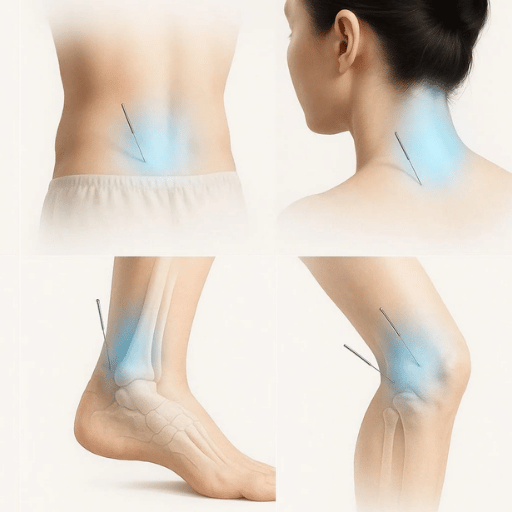
Where Is the Most Painful Place to Get Acupuncture? Body-Region Sensitivity Map
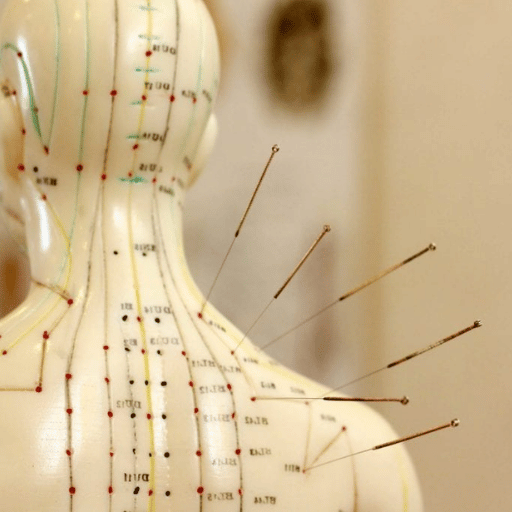
This top follow-up question on forums about acupuncture and the “people also ask” SERP block as of 2/20, with an honest answer that most “clinic” websites hide, is some derivative of “but doesn’t it hurt?.” Here’s why some exact points are more sensitive, which is related to nerve density, not technique.
A note on these ratings:
There is limited peer-reviewed data comparing cross-region Visual Analog Scale (VAS) scores. What you will get below represents subjective clinical observation from acupuncturists over many sessions, not a single validated study. Your own experience may not match: sensitivity differs depending on individual anatomy and what specific points are needled.
| Body region | Typical sensation | Why |
|---|---|---|
| Outer ear (auricular acupuncture) | Sharper, brief sting on insertion | High nerve-ending density; thin skin over cartilage |
| Fingertips and toes | Brief, sharper pinch | Densely innervated; minimal soft tissue padding |
| Face (cosmetic and points around the jaw and forehead) | Mild sting, often warming sensation | Highly innervated; thin skin over bone |
| Wrist, ankle, palm | Mild prick, possible tingle radiating along the meridian | Tendons and nerves close to the skin surface |
| Back, glutes, large abdominal muscles | Often barely felt | Thick muscle and fat layer absorb insertion energy |
| Scalp | Surprisingly mild for most patients | Shallow needle angle; loose tissue |
If your practitioner is injecting/needling the acupuncture points for a specific health concern – especially the face or ear, where the meridian system overlaps with the major cranial nerves and cervical sympathetic chain – you’re more likely to feel the sensation than in a treatment on the back or hips. Each sensation still dissolves within seconds of needle insertion.
Why Acupuncture Sometimes Hurts — and When to Tell Your Acupuncturist

One of the most enduring myths surrounding acupuncture is that pain == “getting a better treatment.” It’s not, and accepting it can cover up a problems that a licensed acupuncturist would otherwise see and fix live during the session. Sharp or burning pain lasting longer than a few seconds is not how acupuncture generates its medicinal effect – it’s an informative message useful to mention.
| Sensation you feel | Normal — just breathe | Tell your acupuncturist now |
|---|---|---|
| Brief sting on insertion | ✓ Yes, especially at sensitive points | If it persists more than 5 seconds |
| Dull ache, deep heaviness | ✓ This is de qi — expected | If it becomes sharp or shooting |
| Tingling at the needle site | ✓ Often radiating along the meridian | If it becomes numbness running down a limb |
| Warmth or cooling | ✓ Vasomotor response to stimulation | If accompanied by lightheadedness or sweating |
| Sharp, electric, shooting pain | ✕ Not normal | ✓ Speak up immediately |
| Bleeding or significant bruising at the needle site | A small drop is harmless | ✓ Anything more than a drop |
State the straightforward phrase: “that was sharp, can you numb it?” The needle will likely be retracted a fraction, twisted slightly off angle, or lifted directly out of the skin. None of those actions interfere with the theoretical treatment, they are necessary modifications. Reading through our practitioner’s bios in advance is the simplest way to ensure you can voice your concern.
People should feel free to bring up the experience that many clinics don’t talk about, which is that some patients find their visit to be unpleasant enough to skip future sessions. Conclave/membership forums discuss this directly. The optimal way to interpret is not that these Patients have odd thresholds for sensation -it’s that needle technique, point choice, and person anatomy can just combine strangely, and an uncomfortable session is an important conversation to have with the practitioner, not a sign that “you just can’t have acupuncture.”
Dry Needling vs Acupuncture vs Electroacupuncture: Sensation Compared

These three needle-based interventions are similar enough on the treatment table to sometimes produce overlapping positive effects, but they’re not the same thing and they don’t feel the same. Naming those distinctions allows people to manage expectations.
| Dimension | Traditional acupuncture | Dry needling | Electroacupuncture |
|---|---|---|---|
| Goal | Restore qi flow along meridians; whole-system effect | Release a specific muscle trigger point | Stimulate nerve and muscle bundles via mild current |
| Performed by | Licensed acupuncturist (eastern medicine training) | Physical therapists, chiropractors, some MDs (western medicine training) | Licensed acupuncturist or board-certified medical acupuncturist |
| Insertion depth | Shallow to moderate (a few mm to a couple of cm) | Deeper, into the muscle belly to reach the trigger point | Same as traditional, plus low-frequency electrical current applied to the needle handles |
| Typical sensation | Tingle, dull ache, heaviness (de qi) | Local twitch response and a deeper, more pronounced muscle ache | Buzz or pulsing rhythm at the needle, intensity adjustable in real time |
| Pain rating (typical) | ~1–2 / 10 during needling | ~3–5 / 10 during the trigger-point twitch (briefer but sharper) | ~1–2 / 10; the buzz is unfamiliar more than painful |
It’s precisely mistaken ideas like this that cause people to wind up at undesired appointment types. If your physical therapist friend has told you that “dry needling” is “very painful,” there’s no reason to expect your acupuncture experience to be similar – its insertion site and angle, the depth of penetration, and subsequent muscle twitch, are all different. On the flip side, if you’re seeking treatment for a bad knot in a specific muscle, dry needling may be more effective than acupuncture, both needling approaches are fine, it’s a matter of what works best for the treatment.
Acupuncture Side Effects and Risks: What to Watch For
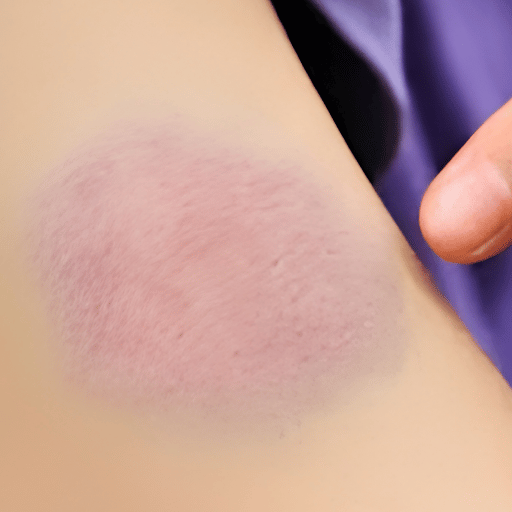
Here’s the serious-risk story, and it’s the surprise outcome of this paper: Many (though not all) reports of needling harm significantly overestimate actual risk and so can best be thought of as part of a negative narrative. Minor side effects, on the other hand, do happen, and need to be recognized if they do.
What are the risks of acupuncture?
The thoroughest evidence available are big prospective surveys and meta-analyses. A meta-analysis of 11 different investigations found one or more side effects in 9.31%( 95% CI 5.10-14.62) of every patient. All of those were minor and the vast majority self-limiting. And a 2018 review found the rate of pneumothorax( the most-argued-about serious complication) was less than 1 case in 10,000 sessions and that the usually-occurs within days of the session. Serious side effects overall are thought to be about 0.001%, or one per 100,000.
| Tier | Effect | Approximate frequency | What to do |
|---|---|---|---|
| Common & minor | Bruising or small bleeding at insertion site, post-treatment soreness, lightheadedness, drowsiness | ~6.7–9.3% of patients across an acupuncture series | Self-limiting in 1–2 days; rest, hydrate, avoid strenuous activity |
| Uncommon | Persistent pain at the point, hematoma, transient nerve irritation, mild fainting (vasovagal) | ~3.2 events per 100 treatments (mostly hemorrhage and hematoma) | Resolves within hours to days; tell the acupuncturist before the next session |
| Rare and serious | Pneumothorax (collapsed lung), organ puncture, central nervous system injury, infection from non-sterile needles | Pneumothorax <1 in 10,000 treatments; serious AEs overall ~0.001% | Seek medical care immediately if shortness of breath or sudden chest pain develops in the days after a session |
Two conclusions from these statistics are: First, “serious” complications are statistically unlikely; the reality of needling side effects( bruising, soreness, brief lightheadedness) is more common than the tone of most pages on acupuncture information suggests. Second, known serious events can be traced to either non-sterile needles or thoracic-region needling without anatomical care—both of which licensed acupuncturists who follow NCCIH aligned protocols systematically avoid. The major hospital system agrees with this conclusion: The American Academy of Family Physicians—another major source of general-interest acupuncture information.
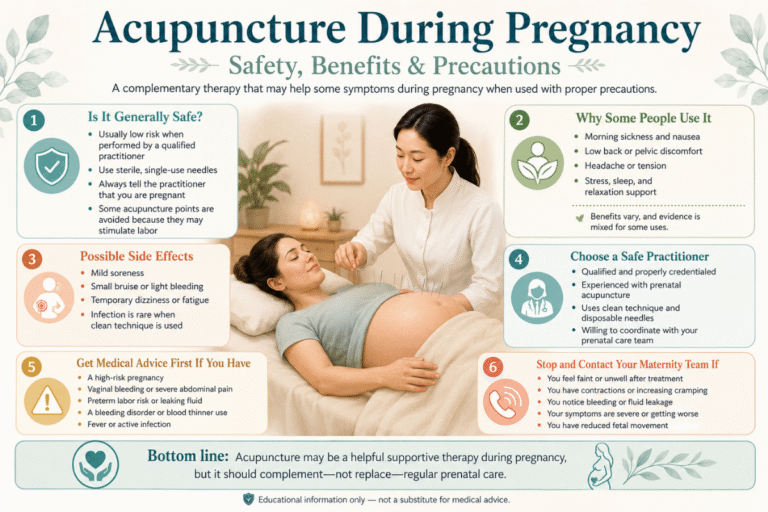
Inform your practitioner if you are taking anticoagulants or have a pre-existing health problem, particularly pregnancy, a bleeding disorder, or pacemaker: some points are avoided during pregnancy and throat region electroacupuncture will be contraindicated if you have a pacemaker.
How to Prepare for Your First Acupuncture Session: A Checklist

You can make face-to-face time with your acupuncturist more productive by dialing down the unknowns on your first visit. Major hospitals and licensed acupuncturists agree on these preparation items.
- Eat a light meal 1-2 hours beforehand; avoid becoming very hungry or very full. Hunger increases the risk of vasovagal syncope( fainting) during treatment.
- Avoid alcohol and stimulants for 24 hours before; avoid the urge to acquire a third cup of your caffeinated beverage close to treatment if you are caffeine-sensitive.
- Dress in loose overclothes that allow the arms, lower legs, and possibly the back to be accessed.
- Bring your medication list, including blood thinners, and note any current serious health issues, especially pregnancy, bleeding or clotting disorders, and pacemakers.
- Plan on just over an hour of time; session length depends on how long the needles stay in( normally 10 to 30 minutes), but the early interview and exam and the post-session rest all add up.
- Set your intention by describing yourself as a first-time acupuncture patient. Ask the practitioner to start with shallow insertion in the body zones with the least nerve endings, and always to narrate each step beforehand.
- Make your post-treatment event rest timeful and relaxing; you don’t want to schedule a brain-busying dinner date or aerobichiatusotherapy immediate afterwards.
- Give it more than one. Cleveland Clinic guidance on acupuncture advises a minimum of 5 visits before assessing whether it’s working or not for your diagnosis.
- Get a ride home after the first one if you can – or rest five to ten minutes before hitting the road. The relaxation induced by treatments can suppress reaction time briefly.
For a printable version that covers what to ask the acupuncturist at intake, you can download our first-visit checklist(PDF).
The Modern Practice: Sterile Needles, Electroacupuncture, and Microneedles
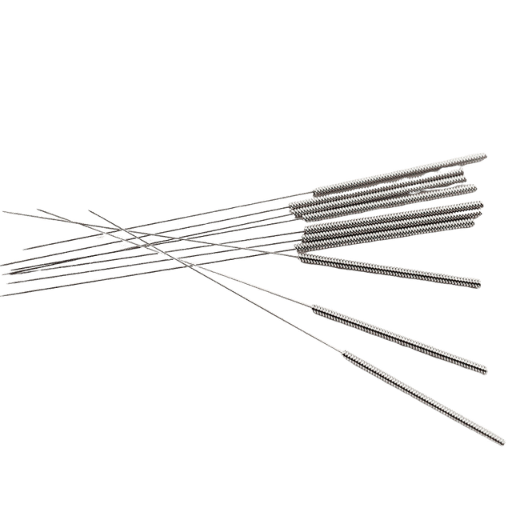
Acupuncture in 2026 is not the acupuncture you may have read about years ago. Three specific changes in the modern practice merit attention because they have a direct impact on both the safety and experience of treatment.
Pre-sterilized single-use needles, regulated since 1996. On December 6, 1996, the U.S. FDA reclassified acupuncture needles from Class III to Class II medical devices, requiring that all needles used in the United States be steel, solid, sterile, and properly labeled, with single-use disposal after each session. The infection-risk concerns associated with 1980s-era practice no longer apply to acupuncture treatment performed by a licensed acupuncturist in the U.S. today.
Thinner gauges have become the norm. Today’s 0.16-0.25 mm gauge range now standard across the field is measurably thinner than what was common a generation ago. That “width of a human hair” descriptor that appears across Cleveland Clinic, Houston Methodist, and Johns Hopkins Medicine guidance is actually accurate- and that gauge change is the single biggest reason patients today report less pain than older patient surveys did.
Electroacupuncture has an increasing clinical evidence base. A 2024 randomized controlled trial concluded that electroacupuncture significantly increased chronic neck-pain outcomes relative to both sham acupuncture and waitlist controls. Medicare now covers up to 12 acupuncture sessions over 90 days for chronic low back pain, with extension if symptoms improve – a federal coverage indication that the evidence has crossed a clinical threshold for at least that one indication.
Looking ahead to the rest of 2026 and beyond: expect more insurance coverage for chronic-pain indications, more clinical acupuncture training pathways standardizing among MDs and DOs, more research into the specific mechanisms by which needling at particular points triggers measurable neurological and immune responses. If you’re thinking about booking a first appointment this year, the practical conclusion is pretty straight-forward: the modern practice is SAFER and more comfortable than the version most older relatives will remember, and the scope-of-practice and insurance scaffolding is trending in your favor.
Frequently Asked Questions
Why is acupuncture not painful for most people?
View Answer
Acupuncture needles are solid and roughly the width of a human hair, while injection needles are hollow and many times thicker. Added to the shallow insertion at most points, these factors simply do not create the kind of tissue trauma associated with shots. Most patients report a faint prick, followed by a tingling or dull ache that often turns to warmth when the body produces endorphins.
What does it mean when acupuncture hurts?
View Answer
A quick sting upon insertion or a dull deep ache (de qi) is normal. Longer lasting sharp, electric, or shooting pain is abnormal –this is where the needle is not in the correct angle or depth and needs to be moved. Let the acupuncturist know and they will remove or reposition the needle.
Should you feel pain during acupuncture?
View Answer
Never. There is a myth that if you have lots of pain then it’s working a lot harder, this is incorrect. Good acupuncture should provide the sensation of de qi, which is a heavy, warm, slightly tingling feeling, not an obvious pain.
If you are feeling true pain all over during the session, let your practitioner know, he or she should be able to rectify this without losing a benefit of treatment.
Is electroacupuncture more painful than regular acupuncture?
View Answer
No. Electroacupuncture involves attaching a gentle pulsed electrical current to the needles once they are in. This is generally experienced by patients as a gentle pulsing or buzzing sensation rather than as pain.
The intensity is controlled by the acupuncturist during the treatment, and instantly turned off if the patient wishesto stop. Patients with pacemakers should not receive electroacupuncture.
Is facial acupuncture painful?
View Answer
Facial acupuncture (including cosmetic acupuncture) employs some of the thinnest needles on offer due to the sensitivity and thinness of the skin on the face. Patients often say it is just a short sting on entry which quickly subsides to a warm or pulsing feeling. It is felt to be more prominent than back acupuncture but yields a very low pain rating of 0-10.
What are the 4 golden rules of acupuncture?
View Answer
There is no single canonical “four rules” in clinical literature—however practitioners do tend to refer to four commonalities, which includesalways require acupuncturist is licensed, demand pre-sterilized single-use needles, immediately convey if pain is sharp or continuous, and allow at least one more treatment cycle than the effect before making a conclusion Cleveland Clinic Specifically(Cleveland Clinic)Recommends a minimum of five treatments.
Can you drive after an acupuncture session?
View Answer
If you experience a sense of relaxation or sleepiness following the appointment – quite normal as a result of endorphin secretion – then wait 5-10 minutes before driving. It is recommended by some practitioners that you should organize a lift home after the first session in particular. Do not take part in vigorous physical activity, consume a large meal or bathe for several hours.
Considering Your First Acupuncture Visit?
Beijing Tong Ren Tang has tradition of thousands of years of chinese medicine medicine practice. Should you want to know if acupuncture is suitable for your health problem, our trained acupuncturists can offer a consultation.
About This Analysis
This first time treatment and acupuncture pain guide was written for Beijing Tong Ren Tang, the historic traditional chinese medicine enterprise established in 1669, and the sole approved Chinese medicinals supplier for the Qing imperial court, between 1723 to 1911- China for a period of 188 years. Clinical references for pain are from peer-reviewed sources at the National Center for Complementary and Integrative Health, PubMed Central, Cleveland Clinic, Johns Hopkins Medicine, Harvard Health Publishing, and the American Academy of Family Physicians. The language is hedged and the gap disclosed, not reversed: no peer-reviewed cross-region pain data was available for the body-region sensitivity map.
References & Sources
- Acupuncture: Is it effective and safe?National Center for Complementary and Integrative Health (NIH)
- Acupuncture: Information from Cleveland Clinic Health Library
- Acupuncture — Johns Hopkins Medicine
- Acupuncture for pain management: How it works and what to expect – Harvard Health Publishing
- Acupuncture for Pain Management – American Academy of Family Physicians
- Is Acupuncture Painful? A pilot retrospective review of pain and satisfaction experienced by pediatric acupuncture patients – PubMed Central, 2023
- Adverse Events related to Acupuncture: Systematic review and meta-analysis – PubMed Central
- Incidence of Iatrogenic Pneumothorax following Acupuncture – Acupuncture in Medicine (Sage Journals)
- Prevalence and variables associated with pain and acceptability during acupuncture – PubMed Central
- Clinical Effectiveness of Electroacupuncture for Treatment of Chronic Neck Pain – PubMed Central, 2024
- Regulation of Medical Devices: Reclassification of Acupuncture Needles Used in Acupuncture -U.S. Food and Drug Administration, Federal Register, 1996
This information sheet is for educational use only and is not intended to serve as a professional opinion, diagnosis, or treatment plan. Consult your healthcare practitioner regarding a medical or health condition.
Related Articles
- TCM acupuncture treatments at Tong Ren Tang-What is offered & appointments
- TCM herbal therapy:What role does it have in conjunction with acupuncture
- Moxibustion: warmth therapy alongside needling
- Auricular (ear) Acupuncture: points on the shell of the outer ear and what they are used for