Get in Touch with Tongren Tang Gulf



Key Facts at a Glance
- Between 40-60% of women suffer from menstrual cramps, between 5-15% experience pain so bad it interferes with their lives
- Heat therapy has been shown to have an equivalent effect in pain relief to NSAIDs with fewer side effects (SMD 0.72 versus analgesics)
- 18% of women do not have their pain managed effectively by NSAIDs so other options matter
- Acupuncture has been shown to have a 29.89 reduction in a vas pain score versus NSAIDs in 2005 meta-analysis
- The effect of NSAIDs is markedly improved if you start them 1-2 days before you get your period
While millions suffer with menstrual cramps on a monthly basis, the information you can find online is often somewhat vague, anecdotal, or incomplete. This document brings together the published clinical trials, expert medical guidance, and the practical information about the self-management of symptoms to give you a complete overview of each and every possible treatment option – from simple OTC painkillers to acupuncture, from changing your diet to knowing when to see a specialist.
Regardless of whether your symptoms are simple or debilitating, knowing as much as you can about why cramps happen and what the science actually says about individual treatments will give you more power to make confident decisions about your care.
What Causes Menstrual Cramps — The Science Behind Period Pain

Painful periods, known to experts as dysmenorrhea, are primarily caused by the increase in prostaglandins, hormone-like chemicals formed inside the uterine lining (endometrium) a few days before your period, and during the bleeding itself. Prostaglandins induce contractions of the uterus, causing the lining to be shed, and if there are large amounts of them they also cause painful, spasmodic contractions of the muscles in the pelvis, which radiate pain to the lower back and “down” the thighs.
Clinicians distinguish two types of dysmenorrhea:
Primary Dysmenorrhea
This type is common. It is usually experienced as period pain which begins 1-2 days before your period, and is most severe during the first 12-48 hours. It is directly relevant to prostaglandin production, and this is why prostaglandin antagonists (NSAIDs) are indicated as the ‘first line’ treatment. Primary dysmenorrhea tends to lessen as women get older, and in most cases stopping taking contraception reduces or eliminates symptoms altogether.
Secondary Dysmenorrhea
Secondary dysmenorrhea is period pain which is caused by an identifiable condition in the pelvis such as endometriosis, uterine fibroids, adenomyosis, or pelvic inflammatory disease. Pain is often worse over time rather than better, and can sometimes occur apart from bleeding. It will require diagnosis by a specialist, and extra treatment specific to the condition.
Research has been published by the Cleveland Clinic showing that 60% of people who menstruate have some degree of cramping, and 5-15% have such pain that it interferes with daily life. The first step in understanding your pain type is to know which kind of dysmenorrhoea you have:
Clinical Note: If your period pain is getting worse over the years rather than staying the same or improving, that pattern is a red flag for secondary dysmenorrhea. It is worth raising with your doctor or gynaecologist rather than assuming it is normal.
Home Remedies for Menstrual Cramps — What Actually Works

While not everyone wants to be so dependent on over-the-counter medications, there are many home remedies that, when used appropriately, can significantly ease discomfort, and the evidence supporting some of them is more substantial than you might think.
Heat Therapy
Applying a heating pad, hot water bottle, or wheat pack to the lower abdomen is a simple, accessible, and well-supported home treatment for menstrual cramp pain. A meta analysis published in the PMC (PMC6214933) demonstrated that 1 hour of continuous low-level heat therapy had 0.72 standardised mean difference with respect to analgesics – suggesting that heat was just as effective as an OTC pain reliever at dampening the intensity of menstrual cramp pain. A 2025 review published in Frontiers in Medicine also showed a similar degree of pain reduction from consistent heat application over 3 months compared to NSAIDs, without any associated gastrointestinal side effects. Inexpensive, focused heat is a viable option, with negligible risk of adverse side effects.
Exercise
Light to moderate exercise during menstruation may help reduce cramp pain, possibly because exercise induces the release of endorphins and other neurotransmitters, causes the pelvis to receive greater amounts of blood, and lowers prostaglandin sensitivity. Consider walking, swimming, or relaxing yoga postures – the goal is moderate exertion, rather than by any means high-impact fare which could potentially exacerbate your dull ache.
Ginger Tea
Ginger has been shown to have antiinflammatory effects in a number of small RCTs for menstrual cramp pain. Compared with placebo, participants that consumed equal portions of ginger in tea form experienced reductions in pain. Despite not having the body of evidence to support it, two small RCTs elucidated that ginger can provide comparable levels of pain alleviation when taken in tablet form for the duration of a period. Ginger tea is safe, accessible, and a nice option to try.
Abdominal Massage
Applying mild circular massage to the lower abdomen may relax uterine muscles, mitigate tension, and promote blood flow. Certain aromatherapy oils used in conjunction with massage – such as lavender and clary sage – may confer further pain reduction, although higher quality evidence on aromatherapy mostly remains lacking.
Staying Hydrated
Good hydration supports general physical function and hydration status during menses has the potential to influence cramp pain severity. Keeping well hydrated during your period – ideally including warm herbal, but also decaffeinated, drink – is a home remedy worth trying for most.
Practical tip: Heat therapy and gentle movement together tend to work better than either alone. Applying a heating pad while doing light stretching or yoga for 20 minutes can provide meaningful, medication-free pain relief for many people.
Period Pain Relief Medications — When and How to Use Them Safely

For pain that is not relieved through home remedies, over-the-counter NSAIDs or prescription analgesics significantly diminish menstrual cramp severity. The pharmacokinetics of these medications can determine how you are able to modulate menstrual pain – understanding how they work may help you time them effectively.
NSAIDs (Nonsteroidal Anti-Inflammatory Drugs)
NSAIDs like ibuprofen (typically 400 mg every 6-8 hours) and naproxen sodium are considered first-line pharmacodynamic management options for dysmenorrhea. These introduce a nonsteroidal anti-inflammatory effect by inhibiting prostaglandin production by blocking the enzyme cyclooxygenase.
Conclusion begins with saying that starting NSAIDs 1-2 days before the expected onset of your period, based on the empirical evidence which suggests pain control is most effective before prostaglandin levels climax. Over-the-counter NSAIDs (other than aspirin) appear to require this consistent prior-usage to reach maximum benefit.
However, about 18% of women with dysmenorrhea are NSAID-resistant – they do not get significant relief from eating ibuprofen or naproxen, no matter how much or how early in the cycle they take them. If you have confirmed in the past that NSAIDs do not help your period pain, this is not at all unusual and is even more of a reason to try other options first instead of simply increasing your dose.
NSAIDS do have significant risks if used high-dose or long-term – stomach ulcers, GI irritation, and renal stress being among them. Never take (or take with food) without checking label for dosing frequency.
Hormonal Birth Control
Hormonal options – including combo pill, patch, or hormonal IUDs (like Mirena) can reduce period pain by decreasing production of prostaglandins in your period by thinning your uterine lining. Many people often have much lighter, much less painful menstrual periods when on hormonal contraception. This is a common primary dysmenorrhea (and endometriosis) treatment.
Hormones also have a different set of risks – changes in mood, headaches, risk of blood clots (certain to be increased by estrogen doses in combined pills), and having to get prescriptions and ongoing follow-up. They are not right for everyone and need to be planned for and discussed with your provider.
| Option | How It Works | Best For | Key Risks |
|---|---|---|---|
| Ibuprofen / Naproxen | Blocks prostaglandin production | Primary dysmenorrhea, mild-to-moderate pain | GI irritation, not suitable for 18% of sufferers |
| Combined Pill | Thins uterine lining, reduces prostaglandins | Recurring severe pain, endometriosis | Blood clot risk, mood changes, prescription required |
| Hormonal IUD | Local progestin reduces lining and bleeding | Heavy periods + pain, long-term management | Insertion discomfort, irregular spotting initially |
| Paracetamol / Acetaminophen | Pain signal modulation | Mild pain, NSAID intolerance | Less effective than NSAIDs for dysmenorrhea |
Diet, Supplements, and Lifestyle Changes That May Reduce Menstrual Pain
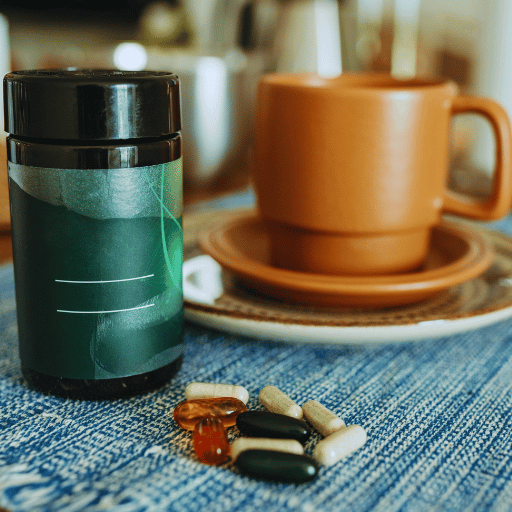
What you eat during the months before your period – and which supplements you take regularly – can alter the severity of your pain in various ways by modulating your painful prostaglandin dosage and pain receptor sensitivities. Evidence is uneven with dietary plans, but a few well-supported interventions stand out.
Anti-Inflammatory Diet
Anti-inflammatory eating pattern – avoid highly processed fast foods, buy fresh and organic where possible and include fresh leafy green vegetables, fruits, lean cuts of chicken and seafood, flax and chia seeds, berries, walnuts, and pumpkin seeds. Opt for salmon, mackerel, and sardines more often than milk, butter and grains for Omega-3s. Avoid excessive added sugars and refined carbohydrates as they promote inflammation.
Vitamin D and Calcium
The dietary supplement with the most empirical support for effect on dysmenorrhea (this means significant improvement in pain reports) would be fish oil Omega-3s along with vitamin D and calcium. A trial of these 3 supplements together was demonstrated to objectively lower pain levels across a period of time. Vitamin D helps center your immune response toward less inflammatory cytokines and calcium will support strong muscles and less crampy ones. Many people are low in these nutrients anyway, especially those living in the mid-upper latitudes where sun levels are lower, so supplementation targets population groups that would need it anyway.
Omega-3 Fatty Acids
Omega-3s (fish oils) in study of their effect on dysmenorrhea were positive, with a reduction in pain scores. A dose of 1000-2000 mg of combined EPA/DHA three time per day is similar to the study effect size you should expect.
Magnesium
Magnesium relaxes smooth muscle tissue, such as in the uterine wall, and works to regulate prostaglandin synthesis. Several small trials have shown that supplementing with magnesium reduces the severity of dysmenorrhea. The data is positive, but not as impressive as for vitamin D or omega-3s, and optimal dosing and dosage form (magnesium glycinate tends to be absorbed better than magnesium oxide) remains controversial. Consuming magnesium rich foods such as dark chocolate, nuts, legumes, and whole grains is a reasonable place to start (see link below) before trialing supplementation.
The Caffeine Question — Separating Fact from Common Advice
You might have heard to avoid coffee and caffeine during your period to reduce cramps. The evidence, however, does not justify stopping coffee across the board. A study just published in PMC (PMC4962155) explicitly exploring the relationship between caffeine consumption and premenstrual symptoms found caffeine “is not associated with PMS” – directly contrary to the oft-repeated anecdotal belief. The truth is that the research is conflicting: some research touts the vasoconstrictive effect of caffeine as worsened cramps, while other research shows no effect. If you find that coffee worsens your own cramps, cutting down is a reasonable choice. But the concept that caffeine causes period pain is without merit.
Supplement priority order based on current evidence:
- Vitamin D + calcium — strongest supporting data (PMC10893561)
- Omega-3s – consistent positive findings across many RCTs (PMC12357747)
- Magnesium — moderate evidence, well-tolerated, broad benefits beyond dysmenorrhea
Allow 2–3 months of consistent supplementation before evaluating effect.
When to See a Doctor About Period Cramps — Red Flags
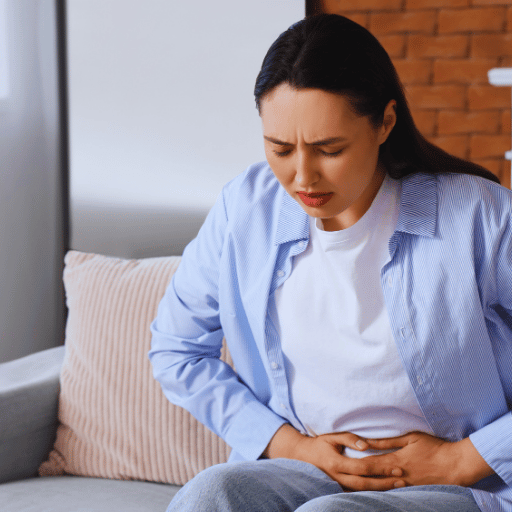
Menstrual cramps broadly fall across a spectrum, and while many manage them independently, there are certain warning signs that your painful periods require further evaluation. Postponing workup of secondary dysmenorrhea, especially endometriosis, may delay diagnosis and exacerbate the disease process.
Red Flag Checklist — Talk to Your Doctor If:
- The severity of your cramps has been worsening over a period of months or years
- You are experiencing soaking through a pad or tampon every hour for 3 or more hours (heavy bleeding)
- You have pain outside your period, such as with intercourse, defecation, or urination
- Over-the-counter NSAIDs consistently provide little or no relief
- Your severe pain began after the age of 25 after a period of pain free menstruation
- You have fever, unusual discharge, or pain with nausea and vomiting
Conditions Linked to Secondary Dysmenorrhea
| Condition | Key Features | Diagnosis |
|---|---|---|
| Endometriosis | Tissue similar to uterine lining grows outside the uterus; progressive worsening pain | Laparoscopy (gold standard) |
| Uterine Fibroids | Non-cancerous growths in uterine wall; heavy bleeding + pressure pain | Ultrasound or MRI |
| Adenomyosis | Uterine lining tissue grows into uterine muscle wall; severe cramping + heavy periods | MRI or ultrasound |
| Pelvic Inflammatory Disease | Infection of reproductive organs; pain + fever + discharge | Pelvic exam + swabs + ultrasound |
Diagnosis often begins with a pelvic exam and ultrasound. If these fail to elucidate a cause and endometriosis is suspected, laparoscopy – a small scale surgical procedure – remains the diagnostic gold-standard. Early diagnosis of endometriosis has been shown to give rise to improved prognosis and quality of life measures.
Drug-Free Alternatives — Acupuncture, Acupressure, and Other Approaches

For those unable to tolerate or choose not to take NSAID medications, or for whom medication alone has failed, a number of evidence-based drug free options are available and have gained traction over recent years.
Acupuncture
Multiple systemic reviews has demonstrated the efficacy of acupuncture in the management of menstrual cramps, and the 2025 evidence is the strongest yet. A meta-analysis published in PMC (PMC12527671) demonstrated that acupuncture produced a pain reduction of 29.89 on a Visual Analogue Scale (VAS) versus NSAIDs – a clinically relevant improvement. Of note, this benefit persisted across 3-6 cycles following treatment, implying that acupuncture may modulate underlying control mechanisms rather than merely providing short term pain relief.
In Tong Wu, the most common pathology is impaired maba of the Qi and Blood in the uterine channel (Pen Maibao) mainly associated with the Chong and Ren channels. The intervention is directed toward transporting Qi and the Blood and alleviating the spasm of the uterine muscles. The regulation of the hormonal head axis for prostaglandin release is also treated.
This model of practice can be worked across several cycle through with expert Tong Wu trained in a 350-year tradition of Chinese medicine at the Tong Ren Tang Dubai range in both acute pain and patterning.
Acupressure
Acupressure offers prolonged application of finger pressure on specific sites – most frequently SP6 (Sanyinjiao), positioned three fingers above the inner ankle – with reported results for uterine cramping in multiple small trials. An attractive feature of acupressure is the possibility of self-treatment at home. We have published a self-help instruction sheet for acupressure for period pain which provides information about the technique, when to use it, and the appropriate duration and pressure of application an excellent adjunct to clinician-led treatment or as a self-help modality for less severe pains.
TENS (Transcutaneous Electrical Nerve Stimulation)
TENS units provide small electrical impulses using pads on the lower abdomen or back. It is believed these may obstruct pain signals traveling to the brain and could induce endorphin release. There is moderate evidence of benefit in dysmenorrhoea – a number of studies find pain relief when compared to sham TENS with variable magnitude, but home units are freely available.
Yoga and Stretching
Clinical trials have demonstrated that certain yoga poses can have tangible benefits on menstrual cramp pain. Some poses that could potentially reduce uterine tension are:
- Child’s pose (Balasana)-a gentle forward fold that releases the lower back and pelvic floor.
- Cat Cow (Mar ja nyas ana- Bi ti las ana) -felxion and extension of the spinal column. This movement mobilises the pelvis and encourages circulation.
- Palms-to-the-sky twist – alleviates pressure in the lumbar and pelvic regions
- Legs up the wall (Viparita Karani)- passive inversion that may help relieve pelvic congestion
A daily short session of yoga in the first 2-3 days of menses (15 to 20 minutes) may be more advantageous than doing one long session.
For those who have not responded well to standard treatments: Acupuncture’s −29.89 VAS advantage over NSAIDs, combined with the fact that effects persist across multiple cycles, makes it a meaningful option — especially for the 18% of women for whom NSAIDs provide little relief. If you are interested in a personalised assessment, our menstrual cramps treatment page outlines how we approach dysmenorrhea within TCM practice.
Frequently Asked Questions
1. What causes menstrual cramps?
View Answer
The pain is caused by prostaglandins, hormone-like substances that are released by the endometrium during menstruation. These substances cause the uterus muscles to contract in order to crawl the endometrium. If the prostaglandins are present in excessive amount, the contractions are stronger and painful, limiting the blood flow to the uterine muscle and creating painful spasms in the lower abdomen, and sometimes lower back and thighs.
For most people this is primary dysmenorrhoea, if there is an underlying problem such as endometriosis, and is classed as secondary.
2. What relieves period cramps fast?
View Answer
When using pain relief, heat to the lower abdomen (hot water bottle/using a heating pad) is perhaps the most evidence based approach for pain relief and in the majority of cases can bring relief within 20-30 minutes. If using NSAIDS (e.g. ibuprofen), take with food, directly on demand at the very start of cramping, or if predictable, 1-2 days prior to period onset. Using heat along with taking ibuprofen and moving around gently (e.g. walking or gentle stretches) targets different pain pathways.
3. Is ibuprofen effective for period cramps, and how should I take it?
View Answer
Ibuprofen is the most well-supported clinical intervention for primary dysmenorrhea. It is an NSAID and effectively acts by antagonising the enzymes (COX-1 and COX-2) required for prostaglandin production rather than directly by alleviating pain, the underlying pain pathway for cramping. First line dose is 400 mg every 6-8 hours, taken with food to reduce incidence of nausea. For best results, take 1-2 days before menses onset when prostaglandins are building up, rather than after the pain is severe – a step which has been shown to be substantially less effective at remedying the prostaglandins that have already accumulated. Around 18% of individuals with dysmenorrhoea will be resistant to NSAID treatment however.
4. Does caffeine make period cramps worse?
View Answer
This question has genuinely inconclusive results and the evidence does not support “eliminate caffeine” (PMC15805755). A clinical trial investigating caffeine and PMS (PMC17456386) showed no different between placebo and caffeine on somatic PMS symptoms. It has been argued that caffeine is both an impure stimulant and a vasoconstrictor, and so could theoretically exacerbate uterine cramping, but again there is little clinical evidence to support this. Given that your own individual patterns of experience are likely to be the most relevant indicator, if coffee/tea worsens cramps, abstain on your period, but do not expect moderate dose of caffeine to reliably worsen your pain.
5. Can diet help ease menstrual cramp pain?
View Answer
Yes – not all changes in period management effective, but a change in diet and supplementation can be effective if sustained for 2-3 cycles. The strongest evidence currently supports vitamin D and calcium (PMC10893561), as well as omega-3 fatty acids (PMC12357747), which both have a proven effect in clinical trials. Magnesium may also be helpful for relaxation/anti-inflammatory effect. Some general recommendations based on common inflammatory mediators known to affect chronice pain suggest an anti-inflammatory diet, omega-3 rich, with very few refined sugars or trans fatty acids. Dietary intervention takes 2-3 cycles to reach a steady state, thus best employed as a long-term strategy.
6. How do I tell the difference between normal cramps and a condition like endometriosis?
View Answer
It is characterized by specificity for path forward from some stimuli (e.g. pain) and location, accelerates worsens over time, difficult to treat with simple analgesics, and is often associated with other symptoms such as vomiting, bleeding, and heavy period flow. Key signs to differentiate endometriosis, adenomyosis, irritable bowel syndrome, and other secondary causes of dysmenorrhoea include: complaints of pain during intercourse, in the bowel or bladder around that time, during the rest of the month, and heavy period flow. Pain that worsens year on year; responds poorly to analgesic medication; and appears to be worse after mid-20s may be secondary dysmenorrhoea. Any of these signs should lead to discussion with a medical professional.
7. What types of alternative therapies can help with period cramps?
View Answer
Some forms of alternative medicine are supported by clinical evidence. Acupuncture has the strongest data at present: a 2025 meta analysis found that acupuncture had a significantly better pain relieving effect than NSAIDs, lasting across several menstrual cycles. Acupressure (self-administered finger pression at certain points such as SP6) provides a drug free option that can be used at home. TENS has moderate evidence for pain relief. Yoga has been studied in small controlled trials targeting lower back and pelvic pain with good results. For patients who would like to avoid pharmaceuticals, Traditional Chinese Medicine based treatments for painful menstrual cramps can treat both the immediate crisis and the patterns that lead to dysmenorrhoea relapse each month.
Ready to Address Your Period Pain?
Tong Ren Tang Dubai offers 350 years of TCM knowledge to evaluate and address menstrual cramps via acupuncture, herbal formulas, and tailored care. Should standard interventions not help relieve menstrual cramps, a consultation can determine the patterns that cause your dysmenorrhoea to come back every month.
About this guide: This article examines published clinical evidence for many alternative treatment options to painful periods–including pharmaceutical, nutritional, and traditional remedies. While Tong Ren Tang Dubai focuses on acupuncture and Traditional Chinese Medicine techniques, we believe patients should be aware of all options. Menstrual disturbances that impair quality of life should be addressed directly by a doctor. Consult your gynaecologist or general practitioner if pain continues to worsen, intensifies, or proves resistant to common painkillers.
References
- Cleveland Clinic. Dysmenorrhea (Menstrual Cramps). Cleveland Clinic Health Library. my.clevelandclinic.org
- Xiao L, et al. The role of prostaglandins in the pathogenesis of primary dysmenorrhea. PMC12374046.
- Jo J, Lee SH. Heat therapy for primary dysmenorrhea: A systematic review and meta-analysis of its effects on pain relief and quality of life. PMC6214933. pubmed.ncbi.nlm.nih.gov
- Dawood MY. Dysmenorrhea. Journal of Reproductive Medicine; PMC5839921. Reference to NSAID resistance published data.
- Moini Jazani A, et al. Vitamin D and calcium supplementation in primary dysmenorrhea. PMC10893561.
- Rahbar N, et al. Effect of omega-3 fatty acids on severity of primary dysmenorrhea. PMC12357747.
- Purdue-Smithe AC, et al. Caffeine consumption and premenstrual syndrome. PMC4962155. pubmed.ncbi.nlm.nih.gov
- Zhang R, et al. Acupuncture for primary dysmenorrhea: A 2025 meta analysis of randomised controlled trials comparing acupuncture to NSAIDs PMC12527671.
- Mayo Clinic. Menstrual pain – symptoms and causes. mayoclinic.org
Related Articles
- IVF Acupuncture Support Guide – The way that acupuncture can be used alongside fertility treatments
- Back Pain Acupuncture Treatment – Traditional Chinese Medicine treatment of back and spinal pain
- Chinese Herbal Medicine Dubai – How herbal medicines are used alongside acupuncture in Women’s health
- Sciatica Treatment – How TCM treatments can be used to treat nerve pain radiating down back or leg.