Get in Touch with Tongren Tang Gulf
Depression Treatment
Depression Treatment in Dubai — Tong Ren Tang TCM Acupuncture & Herbal Medicine
350 Years of Healing. A New Epilogue to Depression in Dubai.
The integrative approach to Traditional Chinese Medicine integrating acupuncture, Classical herbal formulas, and lifestyle therapy – supported by published clinical research and 350 years of uninterrupted practice. DHA licensed clinics in Dubai and Abu Dhabi.
Book Your TCM Consultation
When Depression Disrupts Your Life — A TCM Path to Recovery
Depression affects more than 300 million people worldwide according to the World Health Organization. In the UAE, the expatriate population carries a distinct risk burden driven by pressures that conventional medicine rarely addresses at root cause.
Professional burnout in high-performance corporate environments
Cultural displacement and distance from home community
Family separation across time zones
The relentless pace of life in Dubai and Abu Dhabi
Depression is a clinical mood disorder marked by persistent sadness, diminished interest in daily activities, disrupted sleep patterns, and chronic fatigue lasting two weeks or more. It frequently co-occurs with anxiety — roughly 60% of individuals with depression also experience significant anxiety symptoms.
Two Primary TCM Depression Patterns
Liver Qi Stagnation (Gan Yu)
Emotional repression and chronic stress stall the flow of liver qi. Symptoms: irritability, chest distension, insomnia, and a persistent lump-in-throat sensation. Most common pattern in UAE expatriates under sustained work pressure.
Heart-Spleen Deficiency (Xin Pi Liang Xu)
Prolonged worry exhausts the spleen’s capacity to nourish the heart. Symptoms: poor concentration, fatigue, palpitations, and diminished appetite. Common in new mothers, convalescents, and chronically sleep-deprived patients.
These TCM frameworks parallel modern neuroendocrinological research. A 2019 study in Evidence-Based Complementary and Alternative Medicine (PMC6825666) showed that acupuncture restores HPA axis function — the body’s chief stress response system — by normalizing cortisol levels that chronic stress keeps dangerously elevated. Left unchecked, excess cortisol destroys hippocampal neurons and disrupts serotonin synthesis. Acupuncture at specific points reverses this cycle, bringing clinical evidence behind what TCM practitioners have observed for centuries.
Why TCM Works as a First Step for UAE Residents
Many residents across the Gulf States avoid conventional psychiatric care due to stigma around mental health medication. TCM offers a non-pharmaceutical entry point that addresses both physical symptoms — insomnia, fatigue, digestive disruption, muscle tension — and the emotional root simultaneously. For professionals in Dubai’s financial or technology industries, the whole-person approach is often far more accessible than a medication-first model.
Our Depression Treatment — Acupuncture, Herbal Medicine & Whole-Body Care
Tong Ren Tang’s depression treatment protocol integrates three distinct therapeutic modalities, each addressing different aspects of the condition. We tailor the combination based on your specific symptom pattern, severity, and whether you are currently taking any Western medication.
1. Acupuncture — Regulating Neurotransmitters Through Targeted Stimulation
Our acupuncture protocol for depression targets four primary acupoints:
- GV20 (Baihui) at the crown of the head — activates ascending yang energy; shown to increase serotonin receptor binding in the prefrontal cortex
- HT7 (Shenmen) on the wrist — calms the spirit and regulates cardiac autonomic function
- LR3 (Taichong) on the foot — courses liver qi stagnation, the primary TCM mechanism behind depression with irritability and frustration
- PC6 (Neiguan) on the inner forearm — addresses chest tightness and nausea that frequently accompany anxiety-depression overlap

2. Herbal Medicine — Classical Formulas with Modern Standardization
Xiao Yao San (Free and Easy Wanderer)
Is the primary formula for depression rooted in liver qi stagnation — the most common pattern in UAE expatriates dealing with work stress, frustration, and emotional suppression. This 8-herb formula has been used continuously since the Song Dynasty (960-1279 CE). A 2024 review (PMC12805791) identified its mechanisms: Xiao Yao San modulates the gut-brain axis through serotonin pathway regulation, reduces neuroinflammation, and protects hippocampal neurons from cortisol-induced damage.Gui Pi Tang — Restore the Spleen Decoction
Prescribed for heart-spleen deficiency presenting as fatigue, poor appetite, restless sleep with frequent waking, difficulty concentrating, and palpitations. Common in new mothers, those recovering from prolonged illness, and chronically sleep-deprived patients.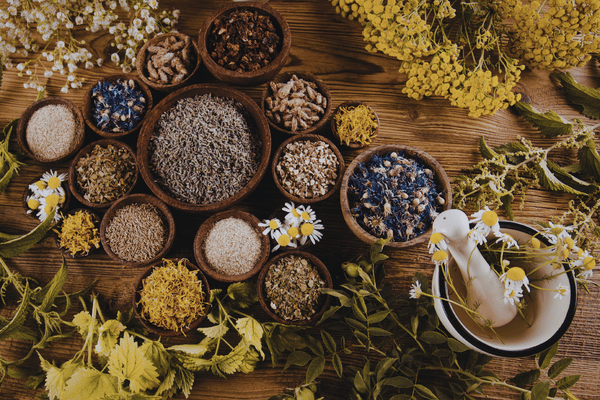
3. Whole-Body Lifestyle Therapy — Diet, Movement, Sleep Architecture
TCM dietary therapy targets the organ systems involved in your specific depression pattern. For liver qi stagnation: green leafy vegetables, citrus peel, jasmine tea, and turmeric preparations. For heart-spleen deficiency: red dates, longan fruit, warm cooked grains, and bone broth. Meal frameworks referencing Dubai supermarkets and local markets are provided at your first session.
Movement: gentle qi-circulating exercises (Tai Chi, Qi Gong, walking in nature) — not high-intensity training that further depletes a deficient system.
Sleep: target the 11 PM–3 AM window (Liver-Gall Bladder hour in TCM) when emotional processing and neurological repair are most active.

Acupoint Mechanisms — How Needling Produces Neurochemical Change
When a filiform needle is inserted at GV20 (Baihui), it stimulates A-delta and C-fiber afferent nerves that project to the nucleus raphe magnus, triggering descending serotonergic inhibition. Simultaneously, local microtrauma activates purinergic signaling (ATP → adenosine conversion), producing anti-inflammatory effects at the insertion site. Electroacupuncture at 2 Hz frequency preferentially releases enkephalins and beta-endorphins, while 100 Hz releases dynorphins — this frequency-dependent opioid release explains why different stimulation parameters produce different clinical outcomes for pain versus mood regulation. fMRI studies confirm that acupuncture at depression-specific points (HT7, LR3) activates the default mode network and anterior cingulate cortex — regions consistently hypoactive in major depressive disorder.Treatment Decision Matrix — Matching Your Presentation
| Presentation | Acupuncture | Herbal Medicine | Lifestyle | Combined with Western Rx |
|---|---|---|---|---|
| Mild depression + insomnia | Primary (2x/wk, 8 wks) | Supporting daily formula | Daily protocol | Optional — discuss with psychiatrist |
| Moderate + anxiety comorbidity | 2x/week, 10-12 wks | Primary formula (Xiao Yao San modified) | Daily protocol | Recommended — coordinated care |
| Severe / treatment-resistant | Adjunct (2x/wk, 12+ wks) | Adjunct formula | Daily protocol | Required — TCM as complementary |
TCM vs Medication vs Psychotherapy — Comparing Depression Treatments
Relief for depression should be selected on response time, incidence of side effects, long-term cost structure and relapse rate. Published clinical research summarizes each modality below to support an informed conversation. No one approach works for everyone — and for moderate-to-severe depression, combining modalities consistently produces the strongest outcomes.
| Dimension | TCM (Acupuncture + Herbs) | SSRIs (Medication) | CBT (Psychotherapy) | Integrated Approach |
|---|---|---|---|---|
| Time to response | 4 weeks (Frontiers 2024 meta-analysis) | 4-6 weeks (FDA prescribing data) | 6-8 sessions (typically 6-8 weeks) | 2-4 weeks (combined effect) |
| Side effect profile | Mild bruising at needle sites (7-11%), rare nausea from herbs | Nausea (25%), sexual dysfunction (30-40%), emotional blunting, weight gain (2-4 kg in 12 months) | None (medication-free) | Varies by medication component |
| Withdrawal risk | None — treatment has defined endpoint | Significant after 2+ years use (56% report withdrawal symptoms affecting work capacity) | None | Depends on medication component |
| Long-term cost | Course-based: 8-12 weeks (400-600 AED/session) | Ongoing: 110-290 AED/month + psychiatrist visits | Course-based: 12-20 sessions (500-900 AED/session) | Combined costs, offset by shorter duration |
| Relapse prevention | Addresses root constitutional imbalance; booster sessions | 50% relapse rate after discontinuation (NICE guidelines) | Skills-based prevention; durable effects | Strongest evidence for sustained remission |
| Clinical evidence | 20+ RCTs, systematic review (Frontiers 2024) | Gold standard: 40+ years data | Gold standard: 30+ years data | Growing evidence base, WHO endorsed |
Course-Based vs Lifelong
TCM depression treatment follows an 8-12 week protocol with a defined therapeutic endpoint. Once the underlying constitutional pattern is corrected, most patients transition to maintenance (monthly or seasonal check-ins). SSRIs, by contrast, often require 12-24 months minimum — and after 2+ years of continuous use, 56% of patients report withdrawal symptoms that impair daily functioning, creating a dependency cycle that was never part of the original treatment plan.
Real Recovery Stories — Depression Treatment at Tong Ren Tang Dubai
How each person responds to depression treatment will always be unique. Each scenario below reflects typical presentations from our Dubai and Abu Dhabi clinics, illustrating the approach and general timeline — though individual outcomes vary based on severity, chronicity, and concurrent treatments.
Scenario 1: Professional Burnout
Scenario 2: Postpartum
Scenario 3: Treatment-Resistant

Scenario 1
Professional Burnout — Expatriate Executive
Context: A mid-40s professional in Dubai’s financial sector, experiencing 18 months of escalating insomnia, irritability, loss of motivation, and withdrawal from social activities. Previous GP visits resulted in sleeping pill prescriptions that provided temporary relief without addressing the underlying pattern. Tongue diagnosis reveals a purple-tinged body with thin white coating — classic liver qi stagnation with early blood stasis.
Approach: Acupuncture 2x/week targeting LR3, GV20, HT7, and Yintang (extra point between the eyebrows for calming the spirit). Modified Xiao Yao San with added Chuan Xiong (Ligusticum) for blood stasis. Lifestyle protocol: elimination of late-night screen exposure, morning Qi Gong routine, liver-soothing dietary adjustments.
Timeline: Sleep quality improvements are typically the first change patients report, often within 2-3 weeks. Mood stabilization and return of motivation generally follow over weeks 4-8. The full 12-week protocol addresses the constitutional imbalance to reduce relapse risk.
Scenario 2
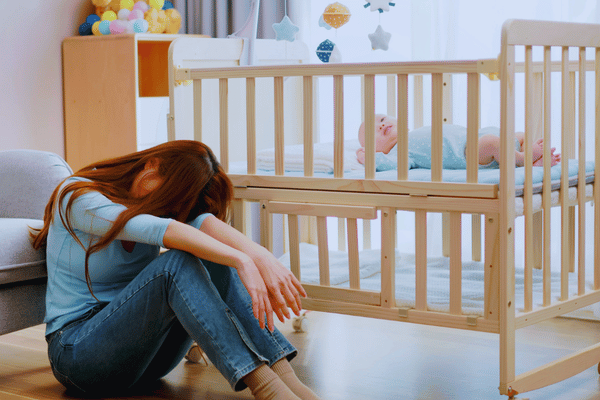
Postpartum Depression — New Mother
Context: A first-time mother, 6 months postpartum, experiencing persistent fatigue, tearfulness, poor appetite, difficulty bonding, and dream-disturbed sleep. She is breastfeeding and reluctant to begin antidepressant medication due to concerns about infant exposure. Pulse diagnosis reveals a thin, weak pulse at both spleen and heart positions — heart-spleen deficiency from blood loss during delivery and the demands of new motherhood.
Approach: Gui Pi Tang formula (all ingredients verified safe during breastfeeding per traditional pharmacopoeia) combined with gentle acupuncture at SP6, HT7, ST36, and CV6 to tonify qi and blood. Dietary therapy emphasizing blood-nourishing foods: red date and goji berry congee, warm bone broth, and cooked iron-rich greens.
Timeline: Energy and appetite improvements are commonly reported within the first 2-3 weeks. Emotional stabilization and improved sleep architecture develop over weeks 4-8. Herbal formula adjustments occur every 2 weeks as the pattern evolves during recovery.

Scenario 3
Treatment-Resistant Depression — Integrative Approach
Context: A patient in their 30s who has tried two different SSRIs over 3 years with partial response — mood improved approximately 40% but persistent fatigue, emotional blunting, weight gain, and low libido remain. The referring psychiatrist supports adding complementary therapy to the existing medication rather than switching to a third SSRI.
Approach: Acupuncture 2x/week as adjunct to current SSRI, with careful coordination with the prescribing psychiatrist. Combined Xiao Yao San + Gui Pi Tang modified to address the mixed stagnation-deficiency pattern. Treatment goals: address residual symptoms (fatigue, blunting) that SSRIs do not resolve, with long-term goal of enabling gradual medication dose reduction under psychiatric supervision.
Timeline: Adjunct acupuncture for treatment-resistant depression typically shows measurable HDRS score improvements by week 4-6. The full 12+ week protocol aims to resolve residual symptoms and build constitutional resilience before any medication adjustments are considered.
Who Benefits from TCM Depression Treatment
Workplace Burnout
Postpartum Depression
Chronic / Recurring Depression
Adolescent Mood Disorders
Elderly Depression
Anxiety-Depression Overlap
SSRI Side Effect Management
Treatment-Resistant Cases
DHA Licensed & Heritage Certified — Why Families Trust Tong Ren Tang
DHA Licensed
Est. 1669 — 350+ Years
GMP Certified Herbs
Clinical Research Published
Royal Heritage
Established in Beijing in 1669, Tong Ren Tang received exclusive rights in 1723 to supply medicine to the Emperor’s Court-an honor it held for 188 years during the reigns of eight Emperors. That tithe demanded performance with regard to formulation, sourcing, and standards which must transcend local trends. The early then current motto given to the founding 14th generation family was: “No compromises in cost or handiwork,” and, “No compromises to purity or standard” are the highest guiding principles.
Our clinics, in Dubai and Abu Dhabi, are licensed and regulated by the Dubai Health authority. All our practitioners are qualified with professional clinical experience in working with the mood emotional disturbance complex.
We offer over 400 separate ingredients in our herbal pharmacy, sourced through Tong Ren Tang’s vertically integrated supply chain with batch traceability from farm to formula. The WHO Traditional Medicine Strategy (2014-2023) acknowledges acupuncture as an evidence-supported intervention for depression, and our protocols are consistent with traditional as well as modern diagnostic approaches.
Your First Step — Consultation, Timeline & Investment
Your First Consultation — What to Expect
Your first appointment is a 30-minute TCM body constitution analysis – a structured diagnostic interview, not a short intake form. Your practitioner will establish three indices of your imbalances prior to making any treatment recommendations:
Your tongue will be examined for coating, color, shape and moisture content which reveals information about the status of individual organ systems; Your pulse will be felt at three positions on each wrist, revealing issues of Qi, blood and several internal organ systems A detailed history of symptoms, sleep patterns, digestion, moods, and menstrual cycles as necessaryYou will leave with a diagnosis of TCM pattern, a treatment plan, a projected timeline, and a written summary to show your GP or psychiatrist.
Treatment Timeline
This protocol continues for 8-12 weeks, with weekly acupuncture and daily medicinal doses. The herbal formula can be modified every 2-4 weeks as you improve:
Weeks 1-2: Establish baseline; neurochemical effects start to build between visits Weeks 2-3: Sleep and energy improvements often seen Weeks 4-6: Measurable mood stabilization; daily functioning noticeably improved After the course: Monthly or seasonal sessions to maintain the gains and prevent relapseInvestment
Acupuncture sessions between 400-600 AED (per session) in Dubai, second only to Turkey as the cheapest in the world, depending on session details. Herbal medicine is dispensed separately. Your practitioner will discuss your personalized treatment plan, including session totals.
Patients frequently find the courses-of-treatment based approach of TCM to be more affordable and better defined than the open-ended ongoing fees of psychiatric medication and specialist appointments.
Locations
We have clinics in Dubai and Abu Dhabi, booking evenings and weekends at convenient locations, with consultation in English, Mandarin and Arabic.
Clinical Depression Assessment & Evaluation Tools
Depression Symptom Assessment
Evaluate the severity and specific clinical indicators of depressive states to guide targeted, highly effective treatment plans.
Start AssessmentTreatment Cost Comparison
Analyze and compare comprehensive care expenses to optimize your healthcare investment and procedural efficiency.
View ComparisonTCM Constitution Quiz
Identify specific Traditional Chinese Medicine body constitutions to customize holistic recovery and stabilization protocols.
Take QuizFAQ — Frequently Asked Questions About Depression Treatment
Can acupuncture really help with depression?
Yes. A 2024 meta-analysis in Frontiers in Neuroscience (Tan et al.) analyzed over 20 randomized controlled trials and found that acupuncture produces statistically significant improvements in depression scores versus sham acupuncture and waitlist controls. These effects are physiological, not placebo: acupuncture regulates serotonin and norepinephrine levels, normalizes HPA axis cortisol output, and reduces neuroinflammatory markers (IL-6, TNF-alpha). A separate 2023 study in JAMA Network Open confirmed these findings for auricular acupuncture specifically.
How long does TCM depression treatment take?
Our active protocol lasts 8-12 weeks, with twice weekly acupuncture and a daily herbal intake. Most of our patients experience initial sleep and energy gains within 2-3 weeks with stable mood relief typically by weeks 4-6.
Following active treatment, we switch to maintenance (monthly or every 3 months) to cement recovery. We adjust the total course length according to severity, chronicity, and individual needs.
Can I combine TCM with my current antidepressants?
Definitely- for moderate-to-severe depression we usually advise acupuncture. There are no known drug interactions with acupuncture and any psychiatric medicines including SSRIs or SNRIs. More caution with herbal formulas: your TCM GP will review your current medicines and prescribe herbs to work with their action, not oppose.
When appropriate, we consult directly with your psychiatrist or GP. Many clients start off combining TCM treatments with psychiatric medication, and some, under the supervision of their psychiatrist, gradually taper down the pharmaceutical dose as the TCM effects take hold.
How much does depression treatment cost in Dubai?
Cost of Acupuncture sessions in Dubai average 400-600 AED per session. For a traditional course (8-12 weeks, (2x/week)) a client may expect their costs to be in the range of circa 6400-14400 AED for acupuncture, plus herbal medicine. Your practitioner will give you a clear estimate of the course cost after your assessment and diagnosis. A course-based structure gives you a clear endpoint — unlike ongoing medication costs that may run for years with no defined finish line.
Is Tong Ren Tang licensed by Dubai Health Authority?
Yes. Our Dubai and Abu Dhabi clinics have full licensing from DHA for practice of TM. All practitioners meet DHA standards for doctors practicing in acupuncture, cupping, excupuncture, and herbal medicine. Tong Ren Tang has practiced internationally for over 350 years and all affiliates abide by the rules of the individual country’s health authority.
What should I expect at my first consultation?
Your first session is a body constitution diagnosis in the TCM style. This session is 30 minutes and will include tongue diagnosis,a pulse reading (6 points across the pulse in both wrists to assess blood and qi balance), and detailed input from you about your medical history, symptoms, sleep, moods, and lifestyle. A written diagnosis, treatment plan with timeline, and cost estimate is provided before any treatment begins.
Does TCM work for anxiety and depression together?
TCM is distinguished in being able to treat the body from a mind/body perspective using similar diagnostic criteria. In depression and anxiety the most common TCM diagnosis is Liver Qi stagnation, this pattern accounts for both conditions simultaneously producing the typical irritability, chest pressure, and restlessness of generalized anxiety in addition to depressed mood. Xiao Yao San and LR3 (Taichong) are both used to directly treat this pattern.
It has been proven in clinical research that acupuncture can produce concurrent reductions in Hamilton Depression Rating Scale (HDRS) as well as Hamilton Anxiety Rating Scale (HARS) scores, so there is no need to attempt separate treatment tracks.
Is TCM depression treatment safe for teenagers?
TCM is generally safe for use in teenagers, but special care and age-adjusted doses for herbal formulas, and supervision of the treatment by a parent or guardian are advised. As the daughter or son of a parent we require parental consent for treatments under 18, and advise adolescents to continue as, or seek, the ongoing care of a school counselor or psychologist also for ongoing support. Acupuncture avoids the weight gain, emotional numbing, and sexual side effects that many parents wish to avoid when their child is receiving SSRI antidepressants.