Get in Touch with Tongren Tang Gulf

Updated October 2026
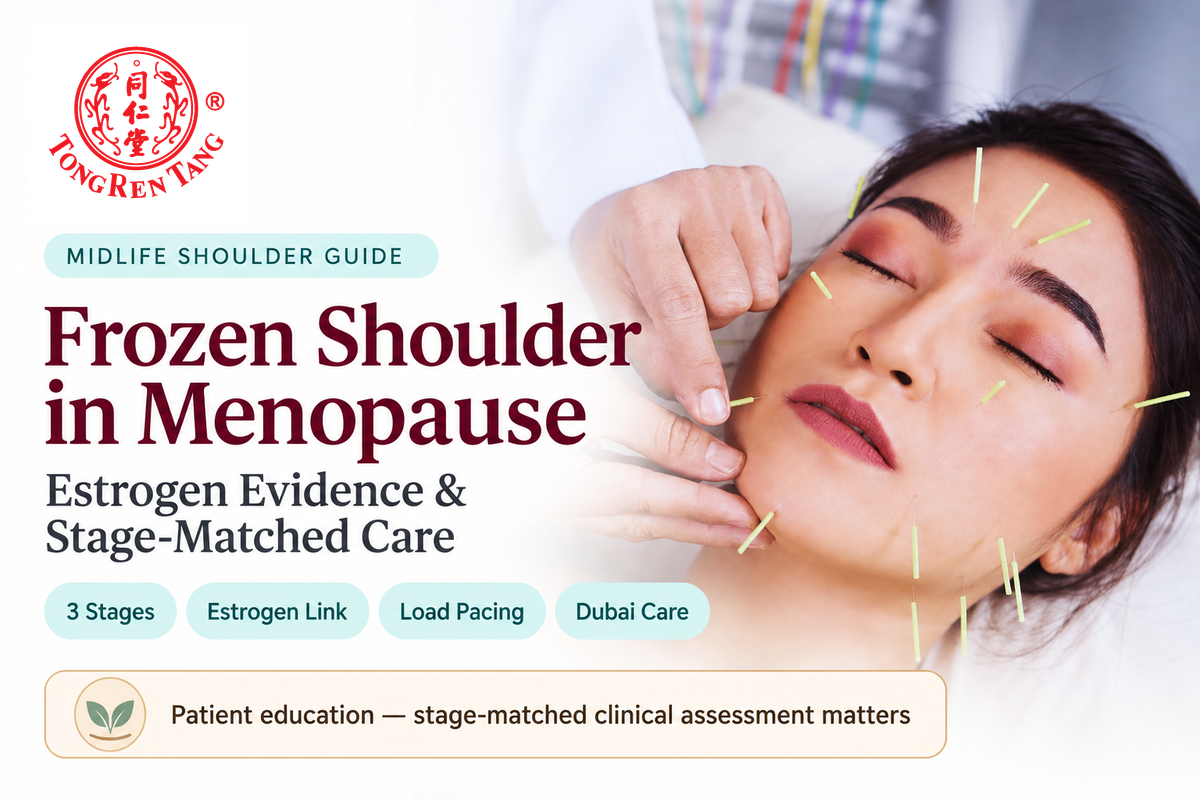
Frozen shoulder in menopause describes a fibrotic disorder of the glenohumeral joint. Clinically, it’s known as adhesive capsulitis and occurs in women between the ages of 40 and 60. While this condition that causes pain and stiffness affects 2% to 5% of the general adult population (and 10% to 20% of adults with diabetes), it occurs most often between ages 40 and 60 and disproportionately affects women (AAOS OrthoInfo; PMC12564958). A steep decline in estrogen weakens synovial anti-inflammatory signaling and accelerates type-III collagen cross-linking around the shoulder joint capsule, resulting in the development of frozen shoulder together with metabolic and thyroid co-triggers (Navarro-Ledesma et al., 2025). Recovery takes from 12 to 36 months and flare ups can be prevented with stage-matched physical therapy and medical analgesia together with integrative therapies.
When to Seek Urgent Medical Evaluation First
It’s essential not to self-treat midlife shoulder pain if you’ve experienced a fall and have sudden severe pain or shoulder injury, complete inability to lift or rotate the arm, a hot or swollen joint, or have fever, chest tightness, difficulty breathing, or have numbness or tingling descending down your arm (NHS Shoulder Pain Guidance). These symptoms may be indicative of cervical nerve root compression or a fracture and require immediate medical attention.
Why Frozen Shoulder Strikes in Perimenopause and Menopause: What the Estrogen Evidence Shows
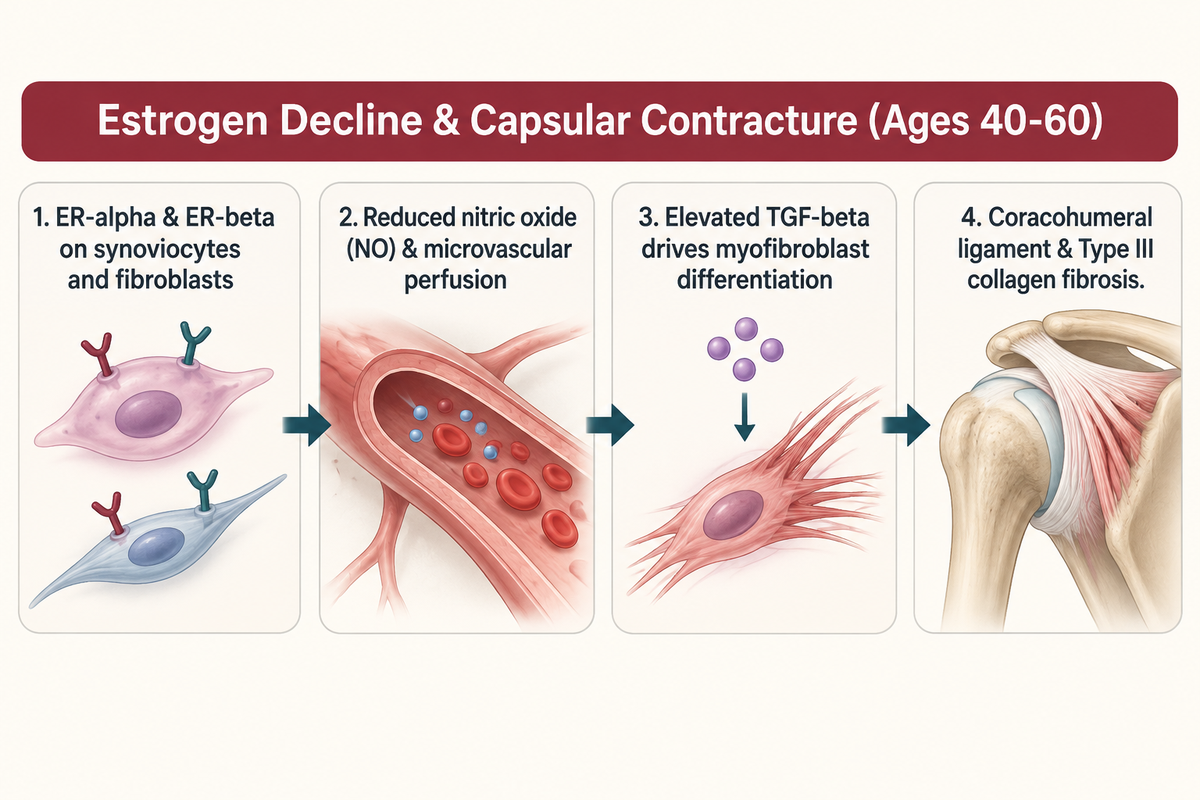
Capsular contracture peaks between ages 40 and 60 and disproportionately affects women during perimenopause and menopause because declining estrogen levels alter synovial inflammation and collagen turnover inside the glenohumeral joint (Navarro-Ledesma et al., 2025). A decrease in estradiol levels affects tissues surrounding the shoulder, losing a natural brake on inflammation.
Estrogen receptors (ER-alpha and ER-beta) are located on fibroblasts, synoviocytes, and endothelial cells throughout the joint envelope. A 2025 narrative review in the Journal of Clinical Medicine suggests one possible explanation of this within the framework of the neuro-endocrine-immunometabolic model (PMC12564958). Instead of describing frozen shoulder and menopause as simple mechanical wear, authors discuss frozen shoulder in menopausal women in the context of hypoestrogenism and reduced nitric oxide (NO) bioavailability along with impaired microvascular perfusion within the rotator interval and elevated transforming growth factor-beta (TGF-beta) signaling. TGF-beta stimulates fibroblast differentiation into myofibroblasts. As a result, elastic connective tissue in the extracellular matrix shrinks and thickens, becoming a tight sleeve that restricts normal glide and motion in the shoulder joint.
Clinical honesty is important here. Not every patient who goes through menopause is likely to develop frozen shoulder. The reason why some patients develop these conditions and others don’t is because of glycated collagen with age, subtle thyroid insufficiency, insulin resistance, sleep disruption, and hormonal changes along with other micro-strains.
What is the root cause of frozen shoulder?
The trigger for primary adhesive capsulitis isn’t fully understood, but pathophysiological models suggest it begins with an immune-mediated synovitis within the shoulder joint, which stimulates myofibroblast proliferation, and contracture of the coracohumeral ligament with Type III collagen fibrosis (Navarro-Ledesma et al., 2025). During the menopausal transition, there are alterations in the endocrine system, elevated levels of blood glucose, and thyroid dysfunction, which amplify inflammation and fibrosis.
Failing to recognize the early stages of musculoskeletal pain around menopause as something more than routine aging can result in an unnecessary, and potentially devastating, loss. Depending on the stage, effective management could alleviate inflammation and avoid the development of severe, irreversible adhesions. For instance, when perimenopausal women notice increasing shoulder pain at night, or when a slight catching and popping is heard with movement, especially when reaching for a car seatbelt, early management can calm inflammation and synovial irritation before dense adhesions lock the joint.
How Frozen Shoulder Progresses: Freezing, Frozen, and Thawing Stages Explained
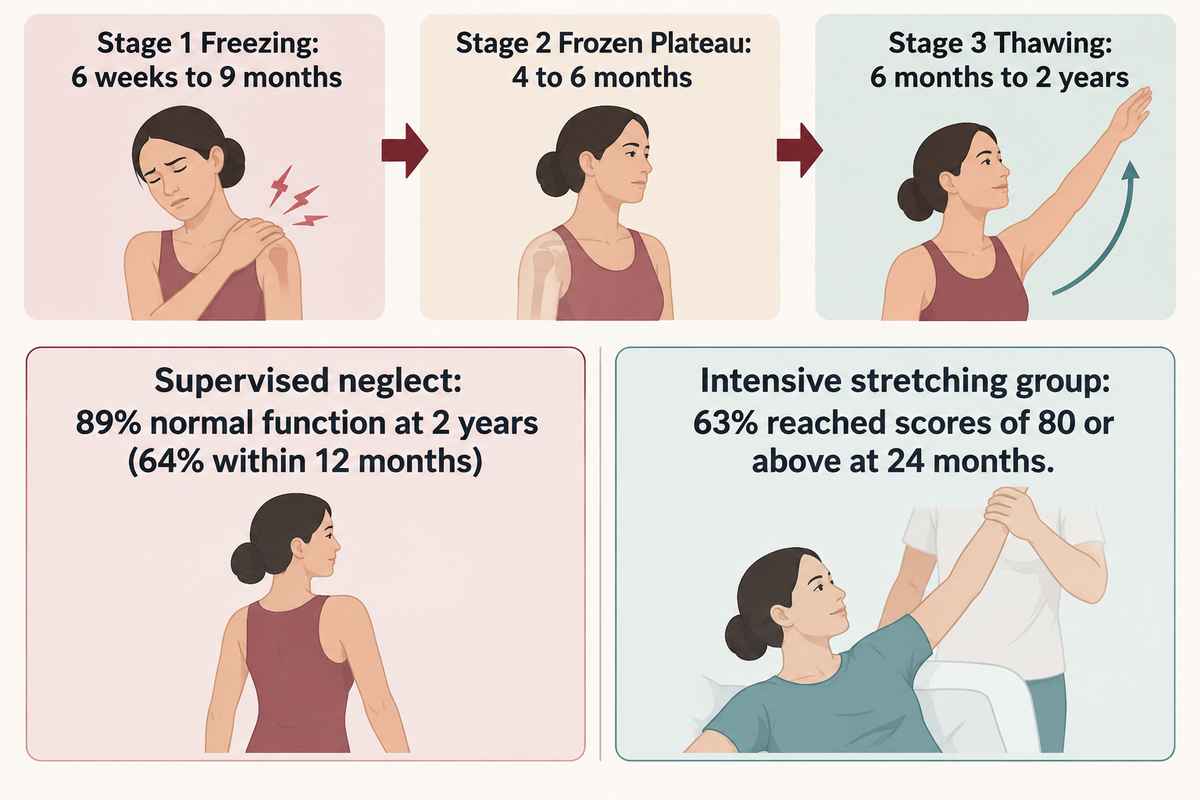
Glenohumeral contracture evolves through three overlapping clinical phases: the painful freezing stage (lasting 6 weeks to 9 months), the stiff frozen plateau (4 to 6 months), and the gradual thawing phase (6 months to 2 years) (AAOS OrthoInfo).
These duration intervals guide load pacing rather than acting as a fixed countdown clock. One of the most important counterintuitive findings in orthopedic rehabilitation comes from a landmark 24-month prospective study of 77 patients by Diercks and Stevens, summarized by the Advanced Physical Therapy Education Institute (APTEI). Patients instructed in “supervised neglect”, meaning gentle pendulum motion and active use strictly within painless boundaries, achieved far better 24-month outcomes than patients pushed through aggressive passive stretching beyond their pain threshold.
“In the patients treated with supervised neglect, 89% had normal or near-normal painless shoulder function at the end of 2 years. This end result was reached by 64% within 12 months.”
In the intensive stretching group, only 63% reached comparable Constant-Murley scores of 80 or above at 24 months. Acute shoulder capsule inflammation is often misdiagnosed. One of the main reasons for this is that patients with an inflamed shoulder capsule tend to exhibit nociceptive guarding, reactive synovitis, and end-range joint stiffness. This often leads to a misdiagnosis of adhesive capsulitis. Once the acute phase settles, though, with end-range joint mobilization, significant improvement is possible in such cases.
| Clinical Parameter | Stage 1: Freezing (Painful Phase) | Stage 2: Frozen (Adhesive Plateau) | Stage 3: Thawing (Resolution Phase) |
|---|---|---|---|
| Typical Duration Range | 6 weeks to 9 months (most commonly 2 to 6 months) | 4 to 12 months (AAOS core plateau 4 to 6 months) | 6 months to 24 months |
| Dominant Tissue Pathology | Hypervascular synovitis, angiogenesis, acute cytokine surge | Dense type-III collagen contracture, coracohumeral ligament thickening | Gradual collagen remodeling and restoration of inferior recess fold |
| Daytime & Night Pain Profile | Severe, diffuse ache; sharp spasms on sudden reach; frequent night waking | Resting and night pain subside; sharp pain occurs mainly at mechanical end-range | Minimal resting pain; mild soreness after prolonged overhead use |
| External Rotation & Abduction | Progressively shrinking; guarded by both pain and early tightening | Firm, leathery mechanical block in both active and passive external rotation | Steady week-by-week gains in overhead reach and behind-back internal rotation |
| Safe Home Mobility Pacing | Pain-free pendulum swings, table slides, and supported supine wand motion | Gentle sustained end-range stretches (15–30 sec holds) without next-day flare | Progressive multi-planar stretching plus tendon and scapular strengthening |
| Load Mistake to Avoid | Aggressive pulley yanking, heavy overhead presses, or forced behind-back stretches | Complete immobilization out of fear, allowing secondary scapular weakness | Returning to high-velocity racquet or overhead weight loads before full rotation |
| Primary Conventional Options | Intra-articular corticosteroid injection (highest efficacy window), short-term NSAIDs | Graded joint mobilization, hydrodilatation (saline distension) if plateau stalls | Active-assisted physical therapy, kinetic chain reconditioning |
| Acupuncture & TCM Focus | Analgesic neuromodulation, calming night pain and upper-trapezius guarding | Electroacupuncture, local warm needling/moxibustion, and gentle Tuina prior to stretch | Meridian sinew conditioning and constitutional sleep/vitality support |
| 24-hour Load-Check Rule | Exercise discomfort must settle within 30 minutes and never worsen night sleep | Mild stretching tension is acceptable if morning stiffness is unchanged or better | Normal post-exercise muscle fatigue is fine; sharp anterior joint pinch requires load drop |
Is frozen shoulder 100% curable?
Most patients recover functional, near-normal range of motion within 12 to 36 months using non-surgical care, with prospective data showing 89% achieving painless or near-normal shoulder function at two years under pain-respecting rehabilitation (APTEI / Diercks & Stevens). However, mild residual end-range tightness can persist in some individuals, especially when diabetes or thyroid disease coexists.
Longitudinal studies advise against classifying this condition as a self-resolving problem that requires no clinical intervention (Ann Rehabil Med, 2025). Severe neglected contractures or excessive aggressive stretching can lead to permanent loss of internal rotation or overhead reach. In most cases, a staged intervention can retain comfort and maintain the maximum long-term joint health.
How Can You Tell If Midlife Shoulder Pain Is Frozen Shoulder or a Rotator Cuff Tear?
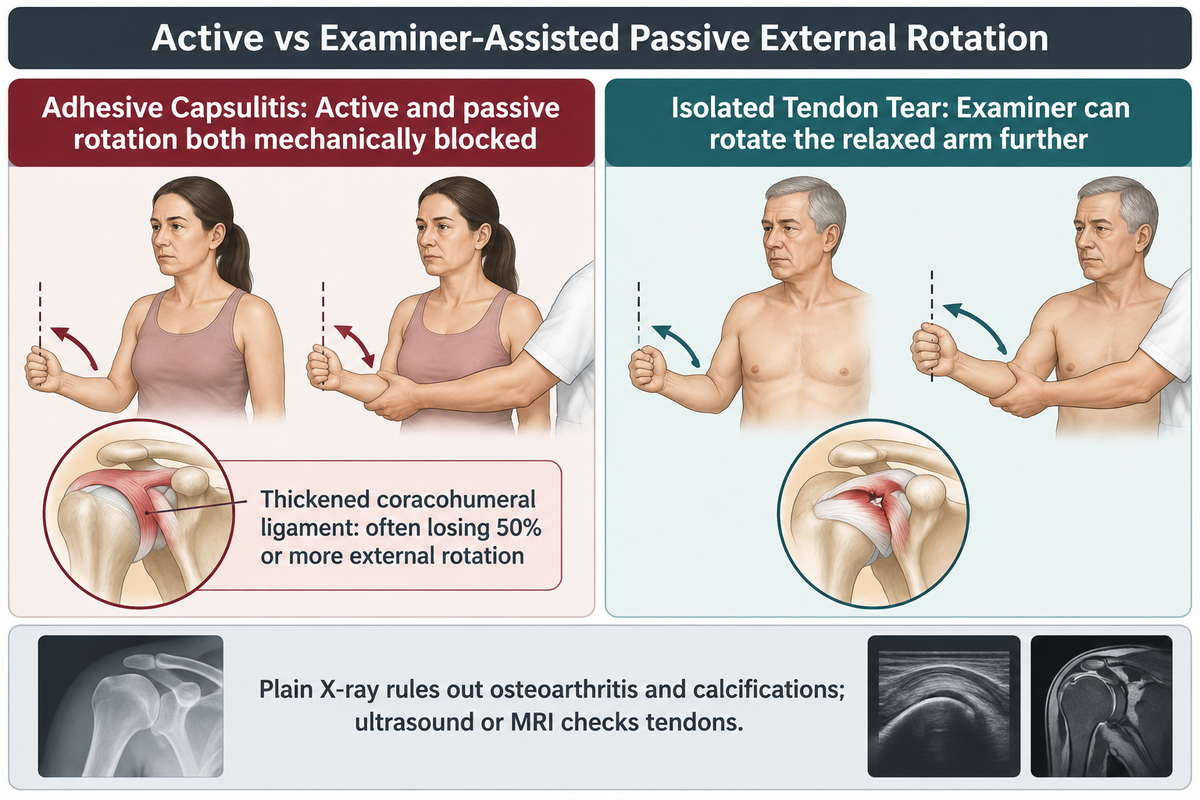
Given adequate clinical experience, capsular contracture can be differentiated from rotator cuff tears through passive external rotation. You can distinguish capsular contracture from a rotator cuff tear through passive external rotation testing: in adhesive capsulitis, both your active shoulder movement and examiner-assisted passive rotation are mechanically blocked, whereas in an isolated tendon tear, an examiner can rotate the relaxed arm further than you can lift it ( PMC8600673 ; 2025 CPG ). (PMC8600673; 2025 CPG).
Why is that bedside test reliable? Tendinopathy or partial tendon tears can affect the contractile cuff muscles that steer the arm, thereby resulting in limitation or inability to move the humeral head. With capsular contracture of the glenohumeral joint, the deep fibrous capsule becomes scarred and static. When one relaxes completely, the thickened coracohumeral ligament can obstruct external rotation, often losing 50% or more when compared to the unaffected side.
Initially, x-rays are always ordered for an orthopedic assessment. Although a standard x-ray can’t detect fibrous soft-tissue changes, it’s necessary to rule out glenohumeral osteoarthritis, calcifications, and other bony pathology (PMC8600673). Ultrasound or MRI are ordered when tendon injury is suspected.
| Diagnostic Feature | Capsular Contracture (Adhesive Capsulitis) | Tendon Tear / Tendinopathy | Calcific Tendinitis | Cervical Radiculopathy (Neck Nerve) |
|---|---|---|---|---|
| Active Motion Pattern | Globally restricted (external rotation > abduction > internal rotation) | Painful arc (60°–120° abduction) or weakness on active elevation | Severely limited by acute chemical pain during resorptive flare | Glenohumeral motion intact unless guarded by neck posture |
| Examiner-Assisted Passive Motion | Equally blocked (hard leathery end-feel, especially external rotation) | Largely preserved when the examiner lifts and rotates the relaxed arm | Guarded by intense pain, but no true multi-planar contracture | Full passive glenohumeral rotation without mechanical block |
| Hallmark Daily Functional Loss | Inability to fasten a bra behind the back, reach a high shelf, or comb hair | Pain or weakness pouring a kettle, lifting groceries away from the body | Sudden, throbbing inability to hold the arm away from the torso | Pain triggered by turning or extending the neck, coughing, or looking up |
| Typical Onset Speed | Insidious progression over weeks to months, or after minor immobilization | Gradual overuse wear or sudden tear after lifting/falling onto the arm | Can erupt abruptly over 24–72 hours during calcium resorption | Subacute or sudden following neck strain or disc/foraminal narrowing |
| Pain Localization | Deep ache over outer deltoid insertion and anterior joint line | Anterolateral prominence, worsened by resisted abduction or rotation | Pinpoint tenderness over supraspinatus tendon insertion | Radiates from neck/scapula down past the elbow into specific fingers |
| Strength Testing (Isometric) | Normal intrinsic tendon strength within the available pain-free arc | True weakness on resisted external rotation, abduction, or lift-off test | Pain-inhibited weakness during acute flare; normal once pain settles | Myotomal weakness (e.g., C5 deltoid, C6 biceps/wrist extension, C7 triceps) |
| Neurological Sensory Signs | Absent (no true dermatomal numbness or reflex loss in the hand) | Absent | Absent | Pins and needles, numbness, or diminished deep tendon reflexes in arm |
| Plain X-Ray Findings | Normal joint space (used to rule out glenohumeral osteoarthritis) | Often normal; chronic massive tears may show high-riding humeral head | Distinct radio-opaque calcium deposit visible within supraspinatus tendon | Glenohumeral X-ray normal; cervical imaging shows foraminal or disc changes |
| Early Exercise Caution | Avoid forced end-range stretching during acute freezing synovitis | Progressive tendon loading is helpful; full-thickness tears need ortho review | Avoid heavy overhead compression; ultrasound-guided barbotage may help | Requires cervical nerve root unloading, not aggressive glenohumeral stretching |
What does a frozen shoulder feel like?
A contracting joint feels like an ache over the outer upper arm and deltoid region, similar to a toothache. It may worsen at night or with movement, and a firm mechanical block is felt when the arm is raised over the head or behind the back. It feels like a strained joint that can’t move through its full range of motion. (AAOS OrthoInfo)
Initially, most women in midlife assume they’ve slept awkwardly or strained a tendon at the gym. Because of the insidious onset of this condition affecting women, many patients overlook the changes happening within their joints and continue daily training until the pain becomes disabling. If a painful shoulder is mistakenly loaded with heavy elastic-band drills during acute synovitis, inflammation and pain inside the tight joint frequently intensify.
Beyond Estrogen: Thyroid, Blood Sugar, and Medication Triggers Every Midlife Woman Should Check
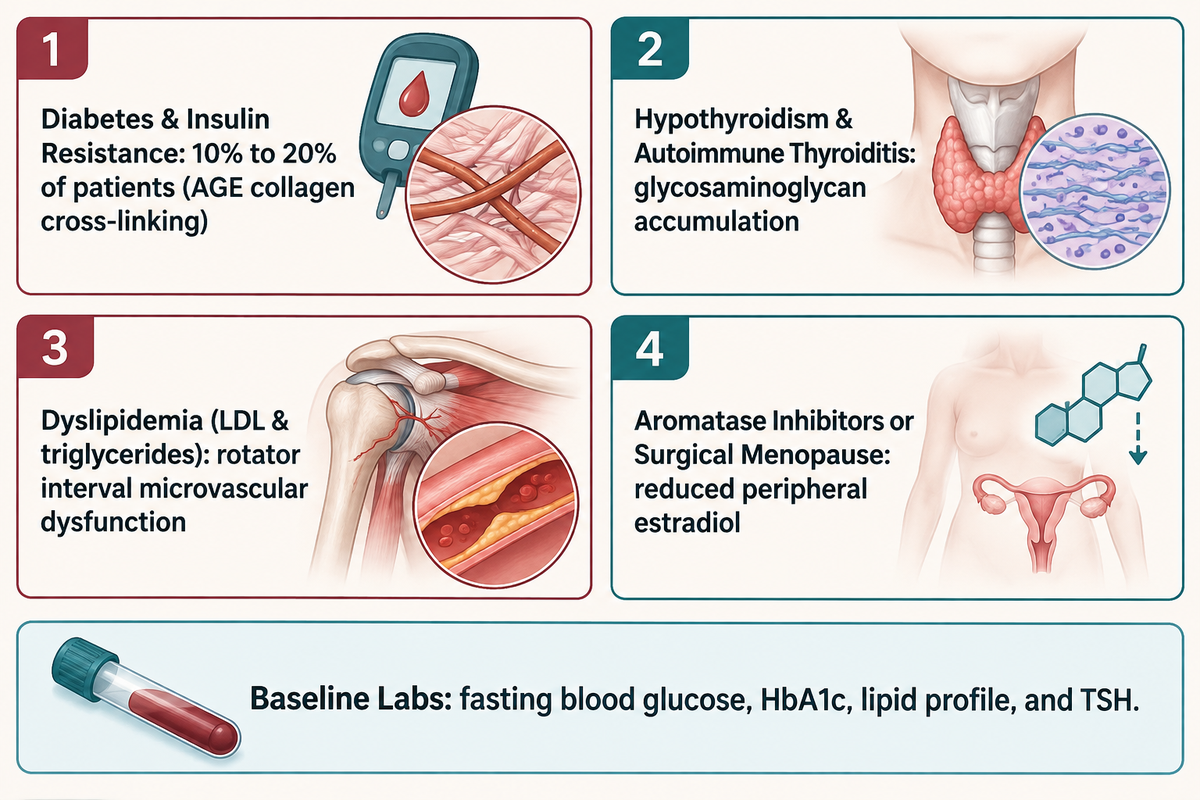
While peri-articular tissues become sensitized during perimenopause and postmenopause, there are systemic conditions such as diabetes, thyroid conditions and other metabolic or endocrine conditions that intensify the risk of developing frozen shoulder (Navarro-Ledesma et al., 2025; 2025 CPG). Screening for these conditions in women’s health may allow for the early identification and treatment of conditions that may lead to contracted joints.
Four clinical co-triggers warrant discussion with your physician:
- Diabetes mellitus and insulin resistance affect approximately 10% to 20% of patients who have experienced capsular contracture, which is almost five times the general population (AAOS OrthoInfo). Hyperglycemia promotes the formation of advanced glycation end products (AGEs) that cross-link collagen fibers and make stiffness more resistant to treatment.
- Among women with glenohumeral contracture (PMC12564958), hypothyroidism and autoimmune thyroiditis are particularly overrepresented. Impaired thyroid signaling promotes glycosaminoglycan accumulation in connective tissue and alters connective tissue integrity, triggering further musculoskeletal symptoms.
- Dyslipidemia (increased LDL-cholesterol and triglycerides) is related to microvascular endothelial dysfunction in the rotator interval, thereby sustaining low-grade hypoxia.
- Aromatase inhibitor therapy or surgical menopause reduces peripheral estradiol synthesis in post-menopausal women, which increases risk of shoulder arthralgia and contracture.
Even if you aren’t in perimenopause or menopause, if unexplained shoulder pain or stiffness develops in your 40’s or 50’s, it would be appropriate to request a basic metabolic panel, fasting blood glucose, HbA1c, lipid profile and thyroid stimulating hormone (TSH) from your physician.
Does Hormone Replacement Therapy (HRT) Prevent or Fix Frozen Shoulder in Menopause?
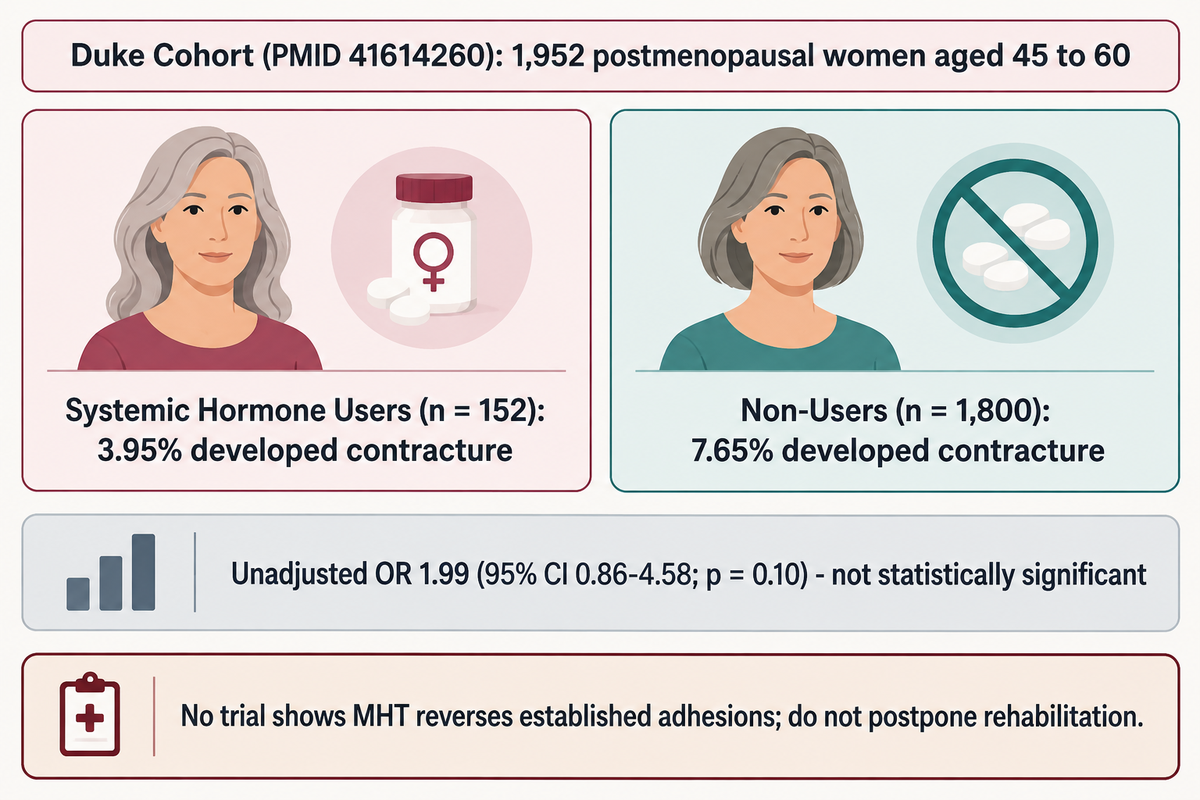
No clinical trial has shown that menopausal hormone therapy (MHT/HRT) reverses established collagen adhesions once a shoulder joint has contracted, and in the 2026 Duke Health retrospective cohort study (PubMed PMID 41614260, p = 0.10), adhesive capsulitis occurred in 3.95% of hormone users versus 7.65% of non-users (unadjusted odds ratio 1.99 for non-users vs users, 95% CI 0.86–4.58).
Because the social media headlines reporting the connection between frozen shoulder and Systemic estrogen Replacement tend to overstate the case, it is important to examine the data published by the Duke University School of Medicine. Presented initially at the North American Menopause Society (NAMS) annual meeting in October 2022 (Duke Health Release) and published in peer-reviewed form in 2026 (PMID 41614260, p = 0.10, reporting the same single Duke cohort study), investigators conducted a retrospective cohort analysis of 1,952 postmenopausal women aged 45 to 60:
- Of the 1,952 patients in the study, 152 were receiving Systemic hormone therapy and 1,800 weren’t.
- Among users of systemic replacement, 3.95% had been reported to have developed glenohumeral contracture, while among non-users of systemic replacement, 7.65% were reported to have developed contracture.
- Although the odds of adhesive capsulitis were higher among non-users (unadjusted odds ratio 1.99; 95% confidence interval 0.86-4.58; p=0.10), the confidence interval crossed 1.0 and the p-value (0.10) was greater than the traditional 0.05 threshold for statistical significance.
The Duke cohort describes a biological signal that estrogen levels may influence connective tissue health and explains why menopause may sensitize peri-articular structures. While clinical practice guidelines recommend use of MHTs to manage vasomotor symptoms (hot flashes, night sweats) and genitourinary syndrome as well as to prevent osteoporosis, they don’t recommend its use to manage musculoskeletal symptoms associated with the menopause transition, including joint and peri-articular aches and pain, to prevent frozen shoulder.
Does estrogen help with frozen shoulder?
Systemic estradiol replacement may support general collagen metabolism during midlife. One 1,952-patient retrospective cohort reported a lower, but statistically non-significant, diagnosis rate in hormone users (3.95% vs 7.65%, p = 0.10; PMID 41614260). Once fibrotic contracture is established, motion is improved with direct joint rehabilitation as opposed to endocrine replacement.
If you’re already thinking about MHT for vasomotor or sleep symptoms, discuss your cardiovascular, breast and musculoskeletal history with your gynecologist/endocrinologist. But, in the meanwhile, don’t postpone targeted physical rehabilitation.
Conventional Medical & Physiotherapy Options by Stage: Injections, Hydrodilatation, and Load Pacing
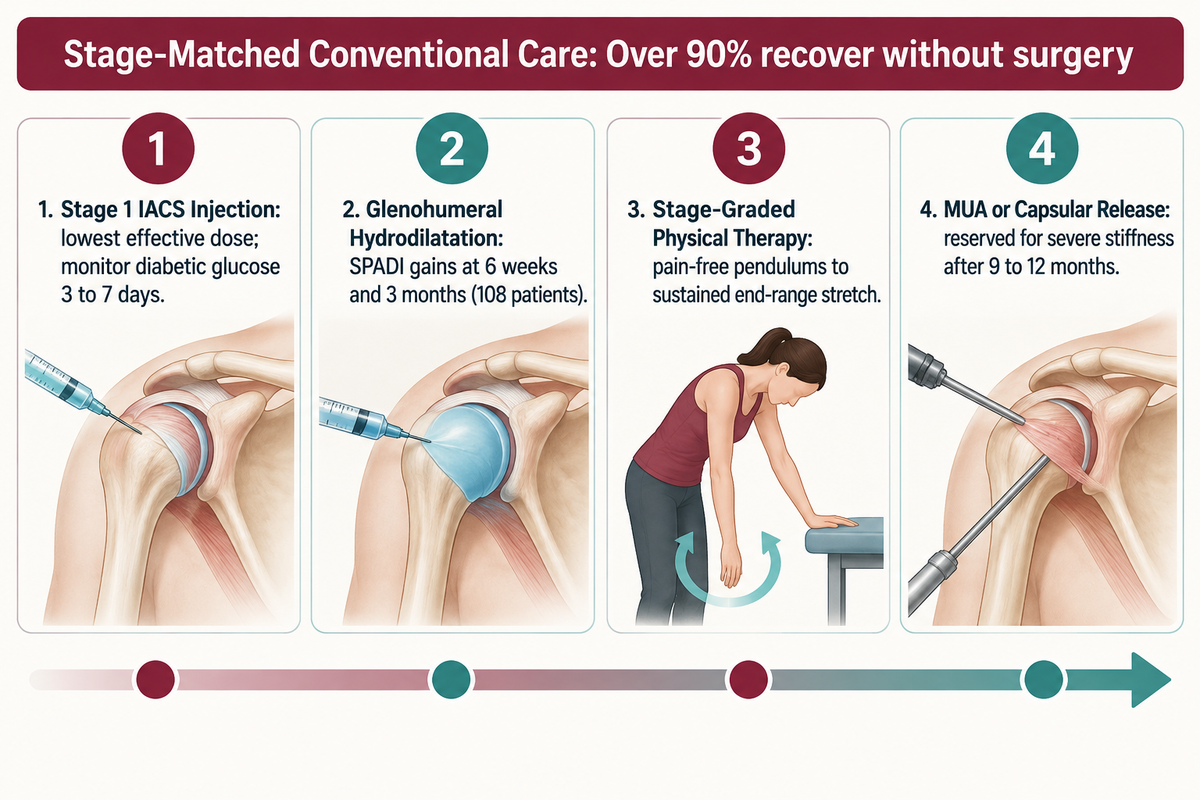
Intra articular corticosteroid injections can be very useful during the inflammatory freezing phase for short term relief of pain. Intra-articular corticosteroid injections provide the fastest short-term pain relief during the inflammatory freezing phase, while graded physical therapy and sustained stretching restore joint glide during the plateau and thawing phases ( 2025 CPG, Ann Rehabil Med ; AAOS OrthoInfo ). Frozen shoulder treatment is tailored to the stage of the condition, and over 90 percent of patients recover without surgery. (2025 CPG, Ann Rehabil Med ; AAOS OrthoInfo).
“After a phase of worsening symptoms, a frozen shoulder tends to improve, though a full recovery can take up to 3 years. Physical therapy (shoulder flexibility exercises), is the recommended treatment for frozen shoulder.”
Reviewing treatment options with orthopedic clinicians and physiotherapists provides clinical guidance on four key non-surgical pillars.
- Intra-articular corticosteroid injections (IACS) deliver steroid medication and local anesthetic directly into the glenohumeral joint to rapidly suppress acute synovitis during Stage 1. According to the 2025 multi-society consensus published in Regional Anesthesia & Pain Medicine (BMJ RAPM, 2025), clinicians should use the lowest effective steroid dose, counsel patients with diabetes to monitor for transient blood glucose elevations over the first 3 to 7 days, and avoid repeated injections at short intervals.
- Glenohumeral hydrodilatation (distension arthrography) uses a measured volume of sterile saline, local anesthetic, and steroid to expand the contracted capsule as patients bridge from late freezing into the stiff plateau. Clinical trials comparing intra-articular steroid injection and hydrodilatation in 108 patients demonstrate clear improvements in Shoulder Pain and Disability Index (SPADI) scores at 6 weeks and 3 months when followed immediately by guided exercises (PMC10103915; PMC8600673).
- Stage-graded physical therapy focuses on gentle pendulum swings, passive supine elevation, and scapular relaxation during the acute phase so exercises don’t provoke next-morning flares. Once resting ache calms in the plateau and thawing stages, therapists introduce sustained end-range external rotation, cross-body adduction, and tendon strengthening (2025 CPG).
- Manipulation under anesthesia (MUA) or arthroscopic capsular release is performed only on patients with severe stiffness who don’t improve after a structured non operative treatment of at least 9 to 12 months.
How do you fix frozen shoulder from menopause?
You manage midlife glenohumeral contracture by employing pain-respecting load modification and nighttime sleep support and, when necessary, an early corticosteroid injection or acupuncture, before beginning consistent daily stretching and scapular strengthening as the joint enters the plateau and thawing phases (2025 CPG, Ann Rehabil Med.).
Bioremodeling takes time, and because frozen shoulder is treatable, the goal within the first 4 months is to reduce pain, protect sleep, and gradually reclaim shoulder mobility to allow for the inflammatory storm to pass. Without surgery, frozen shoulder is treatable and resolves in over 90% of cases.
Can Acupuncture and Traditional Chinese Medicine Relieve Menopausal Frozen Shoulder Pain?
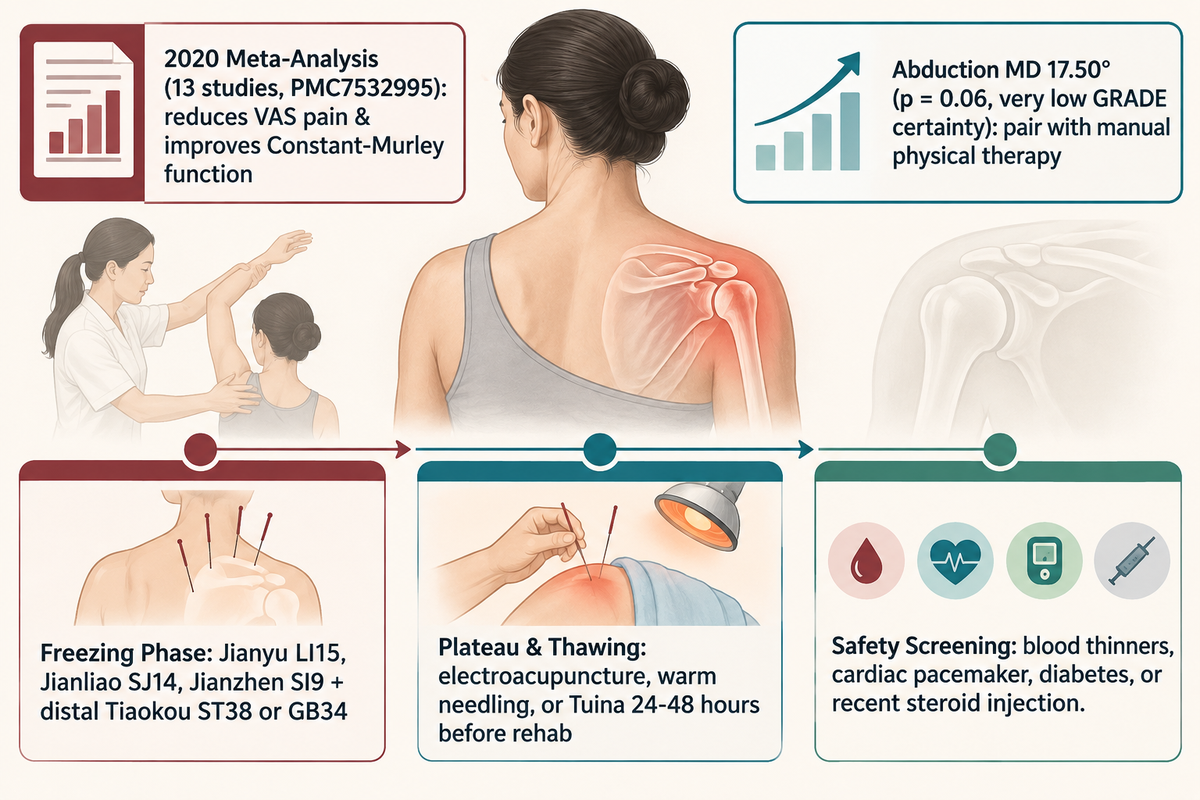
Yes, a 2020 systematic review and meta-analysis of 13 clinical studies (11 randomized controlled trials and 2 non-randomized trials; Ben-Arie et al., PMC7532995) found that manual acupuncture and electroacupuncture, alone or with physical rehabilitation, reduced Visual Analogue Scale (VAS) pain scores, improved Constant-Murley function scores, and increased active forward flexion.
In that meta-analysis, pooled abduction gains didn’t reach statistical significance (mean difference 17.50°, 95% CI -0.85 to 35.85, p = 0.06) and overall GRADE certainty was rated very low, underscoring why acupuncture should be paired with manual physical therapy rather than replacing it. Hence, manual physical therapy should be combined with acupuncture, as acupuncture shouldn’t replace manual physical therapy. Also, the 13 studies analyzed by Ben-Arie et al. mainly included adults with contracture problems in general and not specifically regarding menopausal status, and the authors noted limitations of acupuncture trials, such as small sample sizes, varying follow-up periods, and the inability of practitioners to be blinded (PMC7532995). In the context of a multi-modal approach to help with frozen shoulder, acupuncture doesn’t mechanically break mature collagen adhesions; rather, it alleviates peripheral and central pain pathways and releases protective spasm in the upper trapezius and subscapularis, and improves local blood flow, thus allowing patients to perform their exercises with less guarding.
This disorder has been described in Traditional Chinese Medicine (TCM) for centuries with the clinical name Wushi Jian or Lou Jian Feng where the TCM classics state that at around the age of 50 (the Tiangui phase) blood and yin of the body gradually diminish, weakening the sinews, leading to a predisposition for external pathogenic factors to affect the Large Intestine and Small Intestine meridians, Sanjiao, and the shoulder. For instance, in Dubai, persons sleeping directly below or close to strong air-conditioning vents, over prolonged periods, may become susceptible to stasis of Qi and blood in the shoulder meridians during the course of the disease.
When patients are comparing acupuncture and physiotherapy, they prefer to use the two modalities in conjunction.
- In the acute phase of freezing, distal and local acupuncture (usually pairs points such as Jianyu LI15, Jianliao SJ14, Jianzhen SI9, with distal points like Tiaokou ST38 or Yanglingquan GB34) eases night pain and vascular tension without aggravating the inflamed joint.
- During the plateau and thawing phase, pain reduction with electroacupuncture, warm needling, or Tuina massage 24-48 hours prior to active assisted rehabilitation reduces muscle guarding around the shoulder and humerus, facilitating smoother movement in the shoulder.
- For safety and clinical screening, licensed TCM clinics use single-use sterile filiform needles. Mild temporary soreness or small local bruising can occur and patients should be mindful of acupuncture safety and side effects. Patients should inform the practitioner if they’re taking blood thinners (anticoagulants), have a cardiac pacemaker (which contraindicates electrical stimulation across the chest), have diabetes, or recently received a steroid injection in the joint. Oral herbal formulas, if considered for sleep or vasomotor support, are prescribed separately from needling after reviewing the patient’s current medications.
Night Pain, Sleep Positions, and What to Ask Your Clinician in Dubai
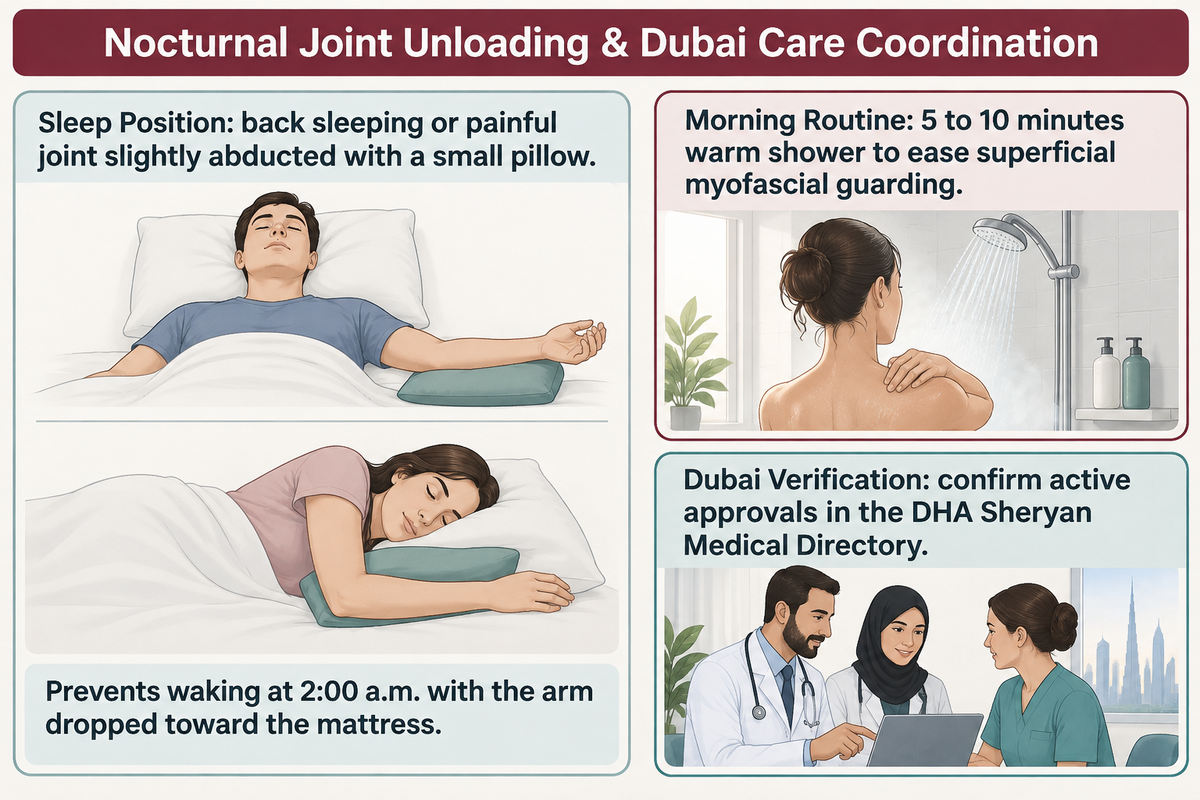
Unloading mechanical traction on the inflamed glenohumeral joint helps alleviate nighttime ache, and this is accomplished through placing a body pillow in the right position in bed. This also supports care coordination among orthopedic diagnostics, metabolic screening, and licensed rehabilitative services (AAOS OrthoInfo; DHA Sheryan Directory). Since stiffness is common during menopause and especially during menopause when night sweats fragment rest, simple pillow positioning helps to protect sleep.
Discussions among middle-aged women in midlife health communities frequently highlight two everyday frustrations: waking at 2:00 a.m. The first is waking at 2 a.m. with the arm positioned forward or having dropped toward the mattress. The second isn’t understanding why frozen shoulder more commonly happens after minor upper-body strains, while frozen shoulder may also occur seemingly without cause. Taking 5 to 10 minutes to take a warm, relaxing shower in the morning is suggested to help relieve superficial myofascial guarding and promote shoulder health (provided the joint isn’t hot and swollen).
| Consultation Step | Exact Question to Ask Your Clinician | Why It Matters for Midlife Women | Actionable Next Step in Dubai |
|---|---|---|---|
| 1. Passive vs Active Exam | “Is my passive external rotation equally restricted compared with my unaffected arm?” | Confirms true capsular contracture versus an isolated tendon issue | Request baseline degree measurements for external rotation and abduction |
| 2. Baseline Imaging | “Do I need a plain X-ray or ultrasound to rule out arthritis or calcific tendinitis?” | Prevents treating a mechanical calcium deposit or joint-space loss as simple contracture | Keep digital copies of imaging reports to share across your care team |
| 3. Clinical Stage Identification | “Am I currently in the acute freezing phase, the stiff plateau, or the thawing phase?” | Dictates whether exercises should stay strictly pain-free or push gentle end-range tension | Match home exercises to Table 1 load boundaries |
| 4. Metabolic & Thyroid Labs | “Should we check my HbA1c, fasting glucose, lipid panel, and TSH levels?” | Unmasks silent insulin resistance or hypothyroidism that can prolong fibrosis | Coordinate blood work with your primary physician or endocrinologist |
| 5. Injection Timing & Safety | “Would an ultrasound-guided steroid injection or hydrodilatation help at my current stage?” | Steroid injections work best in early synovitis; diabetic patients need glucose monitoring | Wait at least 1–2 weeks after a joint injection before deep local needling |
| 6. Hormone Therapy Context | “How do my broader vasomotor, sleep, and bone symptoms fit into an MHT risk-benefit review?” | Keeps systemic replacement grounded in approved indications while rehabilitating the joint | Bring a medication and supplement list to your gynecology consult |
| 7. Integrative Acupuncture Pacing | “How can we time acupuncture sessions alongside my weekly rehabilitation exercises?” | Using acupuncture to calm pain and muscle guarding before stretching improves tolerance | Verify practitioner licensure on the official DHA Sheryan portal |
| 8. Sleep & Ergonomic Audit | “Which pillow setup and desk arm-rest height will keep my humerus in neutral rotation?” | Prevents nocturnal anterior tug and daytime upper-trapezius overload | Set up a dedicated under-elbow support pillow before bedtime |
| 9. Red-Flag Escalation Plan | “What new symptoms should prompt an immediate return visit or imaging reassessment?” | Protects against missed cervical radiculopathy, infection, or secondary tendon tear | Seek prompt medical care if fever, trauma, or arm numbness develops |
What is the best sleep position for frozen shoulder?
Most people prefer to sleep on their side or back. It has been suggested that the best position for a stiff and sore joint is to sleep on your back, or with your painful joint in a slightly abducted position (i.e. elbow and forearm in a slightly outward and up position) with a small pillow to support (AAOS OrthoInfo).
In the UAE, patients can confirm through the official Dubai Health Authority (DHA) Sheryan Medical Directory that the Orthopedic Clinics, Rehabilitation Centers and Traditional Chinese Medicine Clinics that have active regulatory approvals are permitted to operate. This directory helps women coordinate safe care in Dubai. Healthcare practitioners at Beijing Tong Ren Tang Gulf in Dubai HealthCare City offer Individualized acupuncture consultations in Dubai under DHA license and follow an integrated Traditional Chinese Medicine consultation workflow to develop individualized plans to support your shoulder specialist and rehabilitation care. Before your first visit, you can read about acupuncture session costs in Dubai and insurance coverage for acupuncture in Dubai or book an integrative TCM consultation in Dubai to determine stage-appropriate support for joint and muscle pain.
Frequently asked questions
How is frozen shoulder diagnosed?
Clinicians diagnose primary glenohumeral contracture through a physical examination that confirms restricted active and passive motion in multiple planes.
In the exam, your doctor or physiotherapist will compare how far you can raise and rotate your arm on your own, to how far they can move your arm when your muscles are relaxed. A loss of passive external rotation is a strong indicator of capsular contracture. X-rays will be ordered to rule out arthritis and/or calcific tendinitis. If there’s suspicion of a torn tendon, an MRI or ultrasound may be ordered.
How to deal with frozen shoulder?
Managing glenohumeral contracture effectively requires pacing daily movement and pain relief according to your current clinical stage.
During the acutely painful freezing phase, avoid reaching overhead or stretching the arm. Other recommended strategies include: supporting the painful arm with a pillow while sleeping and discussion of other options, which may include an intra-articular corticosteroid injection or acupuncture. During the pain remission phases (plateau and thawing), perform mobility exercises to progressively stretch the joint capsule.
Can frozen shoulder go away without surgery?
Yes, over 90% of patients recover functional motion through conservative, non-surgical care over 12 to 36 months.
Based on the available literature, the remediation of capsular contracture includes the combination of patient education, rehabilitative exercises (pendulum and stretching routines), and the use of adjuvant analgesia and/or anti-inflammatory therapy (joint injections, acupuncture, etc.). Rare, intractable cases of severe mechanical stiffness that fail conservative care may warrant a manipulation under anesthesia or arthroscopic capsular release.
Can frozen shoulder affect both shoulders during menopause?
Simultaneous bilateral onset is uncommon, but sequential involvement of the opposite arm occurs in 6% to 17% of patients.
When contracture occurs on the second side, this is usually within five years of the first episode, and the risk is increased if the patient is a midlife woman, or has diabetes or thyroid dysfunction.
Is weight training safe during menopause if you have shoulder stiffness?
Lower-body, core, and pain-free grip training remain safe and beneficial for bone density, provided you modify upper-body loads.
Avoid heavy overhead pressing, wide bench dips, and forced upright rows during the acute freezing phase. Progressive resistance training of the upper extremities should be resumed after your clinician or physical therapist confirms pain free glenohumeral glide.
References & Sources
- American Academy of Orthopaedic Surgeons (AAOS) OrthoInfo – Frozen Shoulder (Adhesive Capsulitis) Clinical Patient Guide
- Navarro-Ledesma S, et al. (2025). A Frozen Shoulder Complete View: The Role of Estrogen Deficiency, Hormonal Resistance, Thyroid Dysfunction, Endothelial Health and Lifestyle Related Low-Grade Inflammation.
- Wittstein JR, et al. (2026). Association of Systemic Estrogen and Adhesive Capsulitis in Postmenopausal Women. PubMed PMID 41614260
- Duke University School of Medicine Department of Obstetrics & Gynecology – Hormone Therapy Appears to Reduce Risk of Shoulder Pain in Older Women (NAMS Cohort Release)
- Clinical Practice Guidelines for Diagnosis and Non-Surgical Treatment of Primary Frozen Shoulder (Annals of Rehabilitation Medicine, 2025;49(3))
- Frozen Shoulders: Can Aggressive Mobilizations Be Making It Worse? (Summary of Diercks & Stevens 2004 Prospective Study)
- Ben-Arie E, et al. (2020). The Effectiveness of Acupuncture in the Treatment of Frozen Shoulder: A Systematic Review and Meta-Analysis. Evidence-Based Complementary and Alternative Medicine (PMC7532995).
- Clinical Outcomes of Glenohumeral Hydrodilatation and Diagnostic Criteria in Primary, Post-Traumatic, and Diabetic Frozen Shoulder (PMC8600673)
- Comparative Efficacy of Intra-Articular Corticosteroid Injection Versus Hydrodilatation in Adhesive Capsulitis (PMC10103915)
- Multi society Consensus Practice Guidelines on Intra-articular Corticosteroid Injections (Regional Anesthesia & Pain Medicine / BMJ, 2025)
- United Kingdom National Health Service (NHS) – Shoulder Pain Symptoms and Urgent Medical Advice Guidance
- DHA – Sheryan Official Medical Practitioner & Facility Directory