Get in Touch with Tongren Tang Gulf


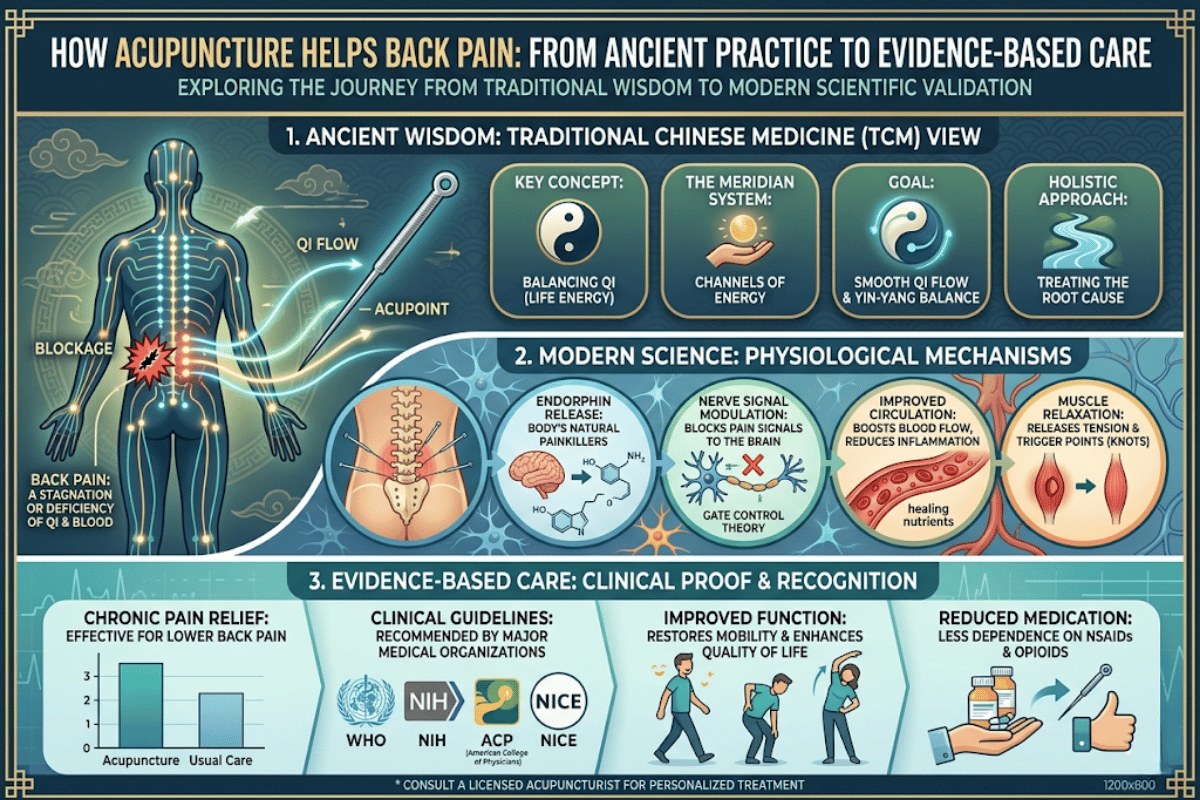
Acupuncture for Back Pain at a Glance
| Conditions covered | Chronic low back pain, lower back muscle tension, sciatica-related pain, lumbar strain, post-surgical pain |
| Typical session | 10–30 min retention · 4–10 needles · multiple acupuncture points per session |
| Treatment course | 6–12 sessions over a 3-month period (Harvard Medical School protocol; matches BackInAction RCT design) |
| Tier-1 evidence | 2025 NIH-funded BackInAction RCT (n=800) published in JAMA Network Open; older adults aged 65+ with chronic low back pain |
| US Medicare coverage | Covered since January 21, 2020 under NCD 30.3.3 — up to 12 sessions per year for chronic low back pain (≥12 weeks) |
| Practitioner standard (US) | NCCAOM-certified Diplomate in Acupuncture + state license (where required) |
How Acupuncture Works for Back Pain: Two Frameworks (Western Science + Chinese Medicine)

Most patients who show up at the office of an acupuncturist want one answer: how can a few thin needles cause pain to go away?
What’s open and honest is that there are two models we can use to express the same observation and understanding—and referencing them side by side explains why this practice is traditional yet so predicably popular:
Western Science ViewThe trigger of sensory nerve fibers during a placement of a single fine needle at acupoints is sent to the spinal cord and brain. The paper in 2022 in Frontiers in neuroscience suggests it may activate the autonomic nervous system and alter the central processing of pain . A review from PMC in 2022 on possible mechanisms of acupuncture quotes the release of natural pain-dampening chemicals, namely endogenous opioids, serotonin, norepinephrine, orexins, whereby may contribute to the long-lasting relief reported by many patients .
Endorphins — the brain’s natural painkillers — appear to be involved in the re-thinking of pain signals.
Traditional Chinese Medicine ViewIn Traditional Chinese Medicine, acupuncture is one of the more ancient Chinese treatments, where delicate needles are used to direct the movement of qi , or (life energy) through a network of twelve channels, the meridians that run longitudinally along the body. In that tradition, which informs Traditional Chinese Medicine more broadly- the same Traditional Chinese Medicine that inspired the classical herbal prescriptions for so many hundreds of years -back pain may indicate stagnation in the Bladder meridian, or depletion of the kidney essence, along the course of the effected lumbar region. Like the skills that inform the craft of the traditional Chinese medicine herbalist, acupuncture is rooted in this language of qi , the meridians, and the zang-fu organ systems.
An acupuncturist, for example, is able to read the pulse, to delineate the shape of the patient’s posture and to determine specific points to influence the flow of qi .
These two models are not in opposition. The TCM model provides a logical way to select site of needling, the Western model provides a logical explanation for the effects that follow needling. Read together, they suggest acupuncture could be working on more than one channel simultaneously — central nervous system modulation and point selection at the meridian level are not mutually exclusive explanations.
Patients who read both frameworks tend to ask better questions in their consultation, and patients who arrive ready to receive acupuncture with informed expectations tend to report better outcomes — both for understandable reasons.
What the Research Says: 2025 Evidence on Acupuncture for Chronic Back Pain
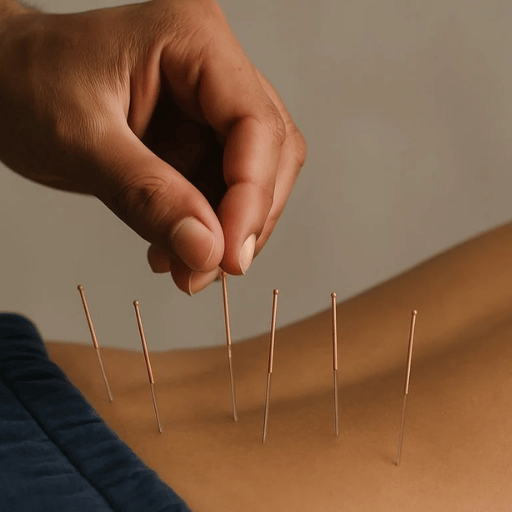
Should acupuncture be effective for back pain, or is it just riding on people’s expectations of placebo?
For decades, dozens of randomized trials have attempted to answer this question. A more rigorous answer arrived in September 2025, when the National Institutes of Health published the results of the BackInAction trial.
Does acupuncture actually work for back pain?
BackInAction, a randomized clinical trial, included 800 community-dwelling adults ≥ 65 years of age who reported chronic low back pain for a minimum of 3 months. Study participants were randomized to usual medical care alone (n= 266), the mean number of 15 acupuncture sessions over 3 months (n=265) or the mean number of 15 acupuncture sessions over 3 months with 6 additional maintenance sessions in the subsequent 3 months (n= 269). Both acupuncture treatments produced greater reductions in pain specific disability than the usual care group at 6 and 12 months along with reductions in pain intensity and improvements in physical functioning.
Acupuncture groups also experienced reductions in anxiety symptoms.
800
Older adults randomized in BackInAction (2025)
−1.0 to −1.5
RMDQ adjusted mean difference vs usual care at 6 months (lower = less disability)
12 months
Duration of sustained benefit beyond end of treatment
Of the various treatments we have for chronic low back pain, the majority have quite a modest effect — at best, reducing pain by about a third—and can improve functioning. Our own clinical findings indicate that acupuncture is performing as well as many more common approaches; we found that this powerful although modest beneficial effect was positive and sustained.
— Lynn L. DeBar, PhD, Kaiser Permanente Distinguished Investigator and lead author of the 2025 BackInAction trial published in JAMA Network Open
BackInAction sits within a broader evidence base. A 2018 individual-patient-data meta-analysis from The Journal of Pain, that pooled 39 different trials, involving nearly 21,000 people, found “clinical benefits for real acupuncture that exceeded those of sham acupuncture or no treatment” , and that these benefits “may persist for at least 12 months” .Another 2021 in Advances in Therapy reported that effects of acupuncture on low-back pain, “lasted as long as 2 years after treatment” .
What about the placebo question?
It is the most truthful gap in the data to articulate. A 2024 RCT in JAMA-Internal-Medicine (Tu et al) pitted acupuncture against sham acupuncture for chronic sciatica and announced a point difference of 14.9 points more improvement in pain intensity when it was serious acupuncture.Real (as opposed to sham) acupuncture is superior to sham in good studies, while sham surpasses waiting lists because the needling of reality and the convergence of expectation with contacts themselves ameliorates pain.
Types of Back Pain Acupuncture Can Address
Some types of back pain are more amenable to treatment than others. Strongest evidence exists for chronic, mechanical low back pain, which is defined as pain that is aggravated by sitting, improves with movement and is present beyond 12 weeks in duration. With regard to nerve root pain radiating down the leg, evidence levels are moderate: apart from delivering symptom relief, acupuncture does not have any reparative powers in herniated or bulging discs.
| Pain pattern | Evidence strength | Typical course | Referral signal |
|---|---|---|---|
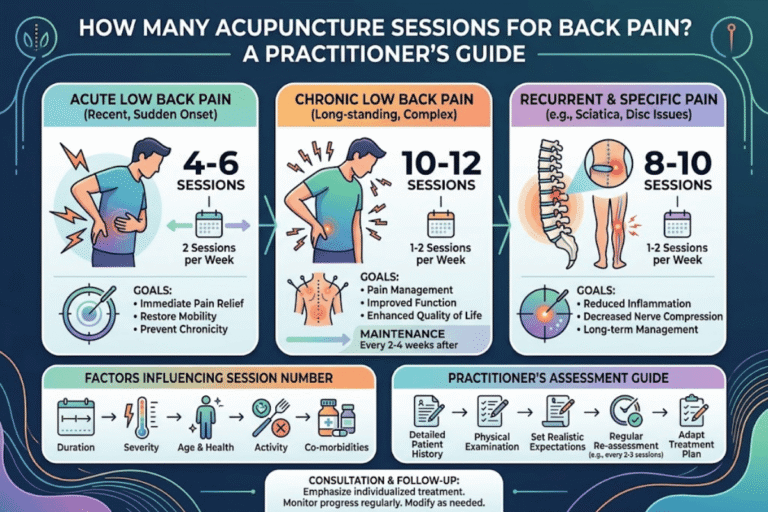
| Chronic low back pain (≥12 weeks, mechanical) | Tier 1 (NIH/JAMA RCT, Cochrane) | 8–15 sessions over 3 months | Standard candidate |
| Sciatica / lumbar radiculopathy | Tier 1 (2024 JAMA Internal Med — chronic sciatica RCT) | 10–15 sessions; expect gradual relief | Manage symptoms; not a cure for nerve compression |
| Lumbar muscle spasm / strain | Tier 2 — clinical case series | 4–8 sessions usually sufficient | Often combined with manual therapy |
| Disc herniation–related pain | Tier 2–3 — symptom management | Long-term maintenance schedule | Combine with imaging-guided care; surgery still on table |
| Upper / thoracic back pain | Tier 2 (Healthline, Mayo Clinic references) | 6–10 sessions | Different acupuncture points (head, neck, shoulders) |
| Acute back pain (<6 weeks) | Tier 3 — limited data; most acute pain self-resolves | 2–4 sessions if used | Often watch-and-wait first |
📐 The Three-Framework Test for Acupuncture SuitabilityAsk yourself three questions before you schedule. Two yes-answers usually indicate acupuncture is a logical next step; three yes-answers make it a high-confidence choice.
- Pain nature. Is your pain mainly mechanical (aggravated by movement, postures, or certain positions) as opposed to straight neuropathic (electrical, shooting, following the course of a nerve with accompanying weakness)? Mechanical pain seeks best treatment.
- Chronicity. Has it endured 12 weeks or more? This is the time period in which trial evidence has been documented as strongest – and it is the time period that Medicare uses to define Chronic low back pain.
- First line outcome. Have medication, exercise, or physical therapy failed, caused side effects, or been excluded? Acupuncture is best positioned as an alternative to medications when first-line intervention is considered inadequate for conventional treatment.
Key Acupuncture Points Used for Back Pain
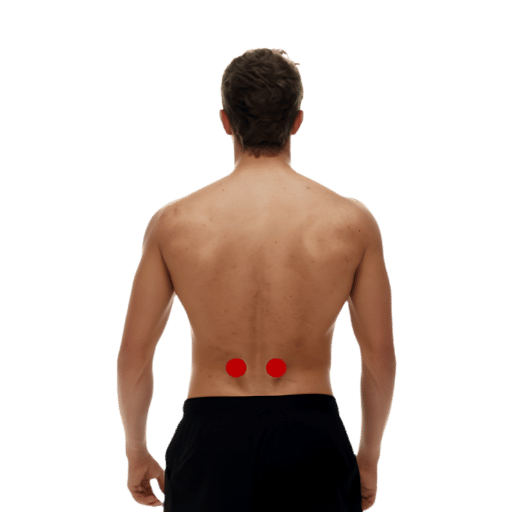
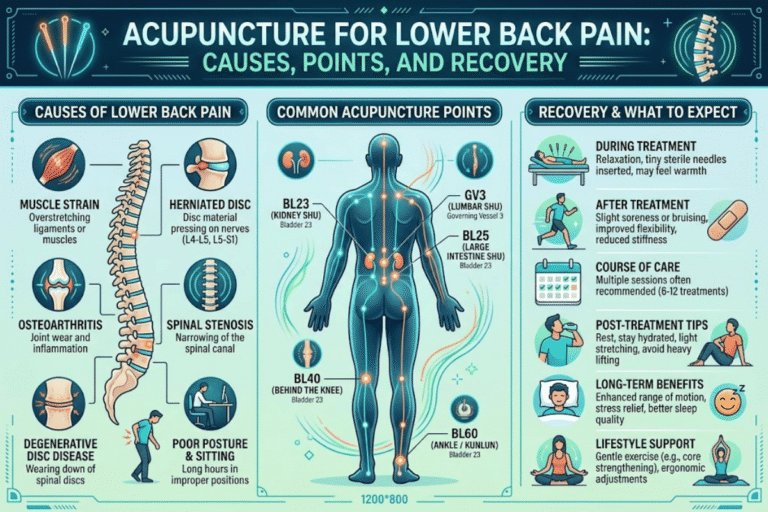
Acupuncturists do not select acupuncture points haphazardly. Lower back pain protocols incorporate acupuncture points derived from centuries-old systems that parallel the anatomic landmarks codified by the World Health Organization as part of the Standard Acupuncture Nomenclature, which assigns each point a combination of a meridian abbreviation and a number . The most frequently used points for lower-back pain protocols are illustrated below, in accordance with peer-reviewed previously published protocols used in clinical practice .
| WHO code | TCM name | Meridian | Anatomical location | Clinical purpose |
|---|---|---|---|---|
| BL23 | Shenshu | Bladder | Lower back, 1.5 cun lateral to L2 | Tonifies the lower back; foundational point for lumbar pain |
| BL40 | Weizhong | Bladder | Center of the popliteal crease (back of the knee) | Master point for lumbar pain; addresses radiating discomfort |
| GV3 | Yaoyangguan | Governing Vessel | Midline of the lumbar spine, between L4 and L5 | Relieves lumbar stiffness; central to chronic low back protocols |
| BL20 | Pishu | Bladder | Mid-back, 1.5 cun lateral to T11 | Supports muscular tone and digestive-related back tension |
| BL25 | Dachangshu | Bladder | Lower back, 1.5 cun lateral to L4 | Lower lumbar pain; sciatic referral patterns |
| GB30 | Huantiao | Gallbladder | Buttock, junction of the outer and middle thirds of the line from sacrum to greater trochanter | Sciatica, hip-radiating pain |
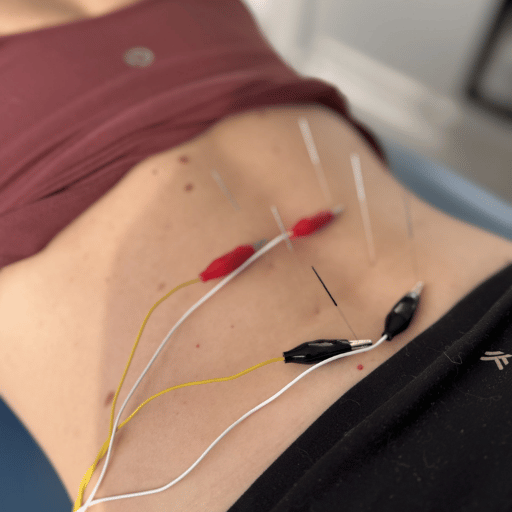
Applying pressure on these same points — known as acupressure — offers a non-invasive way to extend treatment between sessions. Acupressure uses gentle fingertip pressure on the same acupoints clinicians target with needles. A practitioner may also incorporate moxibustion (warming the point with burning mugwort) or electroacupuncture (a small current passing gently through inserted needles) when the case calls for it.
What to Expect: A Typical Acupuncture Session for Back Pain
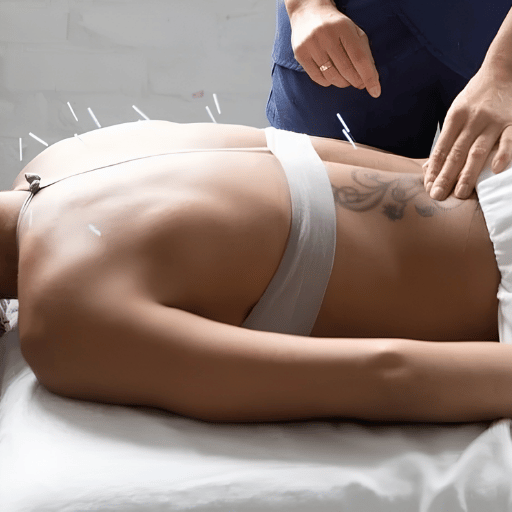
An acupuncture session is far less dramatic than the popular image suggests. A first visit follows a predictable arc, and knowing the arc reduces first-time anxiety more than any pamphlet could.
- Intake. A licensed acupuncturist asks about your pain, medical and family history, medications, and lifestyle. They may take your pulse at three positions on each wrist and observe the tongue — both standard TCM diagnostic steps that guide point selection.
- Examination. Light palpation along the spine and lower back identifies tender areas, muscle tightness, or temperature differences. Your acupuncturist confirms which acupuncture points and meridians the day’s treatment will target.
- Needle placement. Your acupuncturist inserts between 4 and 10 single-use, sterile needles at the chosen acupuncture points. Most patients describe a brief, dull ache or mild tingling rather than sharp pain — a sensation known as deqi. These needles are far thinner than the hypodermic kind used for injections.
- Retention. You rest with the needles in place for 10–30 minutes. Many clinics dim the lights; some play soft music. This rest period is when the autonomic nervous system shifts and the pain-modulating chemistry described earlier comes into play.
- Removal and aftercare. Needles come out quickly and are discarded. Brief, light bleeding at one or two points is normal and not a cause for concern. Most patients can drive themselves home and return to non-strenuous activity the same day.
- Re-evaluation. Across visits, your acupuncturist tracks pain rating, function, and any side reactions. If progress plateaus, point selection or session frequency is adjusted.
How many acupuncture sessions will I need for back pain relief?
The usual treatment course consists of 6 to 12 sessions over three months and this pattern is consistent with the clinical description from Harvard Medical School as well as the acupuncture arm of the BackInAction RCT. People generally have acupuncture twice per week during the initial month of treatment and can then begin gradually dropping the frequency down to weekly then maintenance visits as symptoms improve. Patient feedback from the field indicates that it often takes four to six visits to notice meaningful improvement, rather than just the one time when you notice post-treatment.
One acupuncture session doesn’t cut it with this chronic issue, even when the post-treatment feeling is instant. Plan for the complete course before assessing if acupuncture is doing you any good.
💡 Pro Tip — How to prepare for your first session
Eat a light meal an hour or two before your appointment, wear loose clothing that gives access to your lower back and legs, and bring a list of medications (including blood thinners or supplements). Plan a quieter rest of the day if you can — many patients report a pleasant drowsiness after the first session.
Daily self-care matters too. Download our daily self-care acupressure guide for back pain — a one-page reference covering the same points used in clinic, with finger-pressure techniques you can apply between sessions.
Acupuncture vs Other Back Pain Treatments
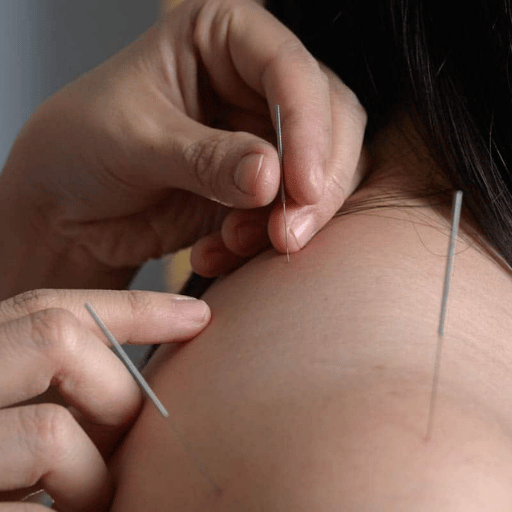
Most patients aren’t weighing between “nothing” and acupuncture. They’re weighing between acupuncture and a home-field of options – chiropractic, physical therapy, dry needling, even pharmacology. Each with its own mechanism, body of evidence, and most fitting context.
| Treatment | Mechanism | Evidence tier (chronic LBP) | Best for | Typical cost (US) | Key risks |
|---|---|---|---|---|---|
| Acupuncture | Meridian-based, central pain modulation | Tier 1 (NIH RCT, Cochrane reviews) | Chronic mechanical pain; opioid-sparing case | $50–$150 per session | Bruising, soreness; rare bleeding |
| Chiropractic | Spinal manipulation | Tier 1–2 | Acute mechanical pain, joint restriction | $30–$200 per visit | Rare cervical adverse events; not for instability |
| Physical therapy | Active movement, strengthening | Tier 1 | Postural causes, muscular weakness, post-injury | $50–$150 per visit (often insurance-covered) | Slow if patient inconsistent with home work |
| Dry needling | Targets myofascial trigger points only | Tier 2 — emerging | Localized muscle knots | $40–$100 (often within PT visit) | Soreness; risk if depth poorly judged |
| Pharmacologic (NSAIDs / opioids) | Systemic pain blockade | Tier 1 short-term | Acute flares; pre-procedure relief | Variable | GI / cardiovascular (NSAIDs); dependence (opioids) |
One distinction is worth pausing on: dry needling and acupuncture are not the same procedure. Dry needling, developed in Western physical therapy and governed by state physical-therapy boards, targets myofascial trigger points only and uses a very different theoretical framework. Acupuncture, governed by separate state acupuncture boards, follows the meridian-based system documented across centuries of TCM practice and codified internationally by the World Health Organization. The same kind of needle does not make them the same therapy.
Safety, Side Effects & Who Should Avoid Acupuncture

The safety record of properly-administered acupuncture is one of its quieter strengths. Across 800 participants and nearly 5,000 sessions in the 2025 NIH BackInAction trial, very few adverse effects occurred, with serious-event rates comparable to the usual-care arm and only one hospitalization possibly related to the intervention. That said, acupuncture is not appropriate for everyone, and a short safety review before booking is time well spent.
Is acupuncture safe?
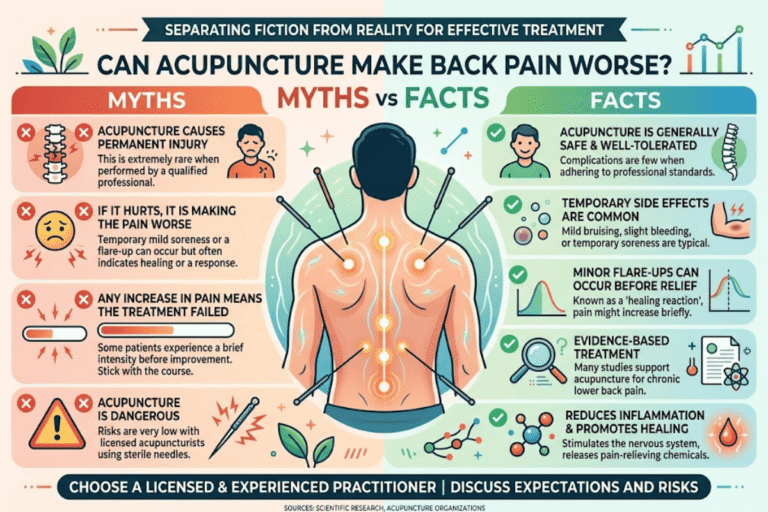
For the majority of adults given treatment by a trained, licensed acupuncturist, yes. Single-use packaged needles have reduced the risk of transmission of blood-borne pathogens to nearly zero, and with modern clinical practices, complications are infrequent . Minor side effects listed below are fairly typical, easily manageable, and usually subside within a few days.
Whether its “safe” or not however is not the question. The harder question is “is it safe for me” which is exactly why disclosure of current medications and conditions as well as pregnancy status is standard.
✔ Common, minor effects
- Transient soreness or aching sensation lasting for 1-2 days in the location of the needle;
- Small bruise or minor bleeding at insertion points
- Mild drowsiness or relaxation after the session
- A brief flare of pain directly following the initial one or two treatments which is usually succeeded by reassurance
⚠ Rare, serious events
- Skin infection (risk near zero with single-use needles)
- Pneumothorax (very rare; only when deep insertion near the chest is performed by an inadequately trained practitioner)
- Sustained worsening of pain — sometimes a signal of poor needling technique or incorrect diagnosis. Switch practitioners if it recurs.
- Nerve irritation when needles go too deep near already-inflamed nerve roots.
⚠️ Important — Conditions that warrant caution or avoidance
- Pregnancy should be disclosed at intake. Some points — including LI4 (Hegu), SP6 (Sanyinjiao), and a small set of additional locations — can stimulate uterine activity and are usually avoided during pregnancy except by acupuncturists trained in obstetric work.
- Women who are on blood thinners or who suffer from any kind of bleeding disorder may have more bruising and bleeding both during and after treatment; check with your doctor before booking.
- Implanted electrical devices such as pacemakers are not an issue for general acupuncture treatment, but electroacupuncture (which uses a tiny current) should be avoided.
- Active skin infections or compromised skin near injection sites – temporary contra-indications- wait until they heal.
- Patients who are severely immunocompromised should consult with their physician before undergoing treatment.
Read next: our TCM diagnostic guide for chronic pain — how a Traditional Chinese Medicine practitioner reads pulse, tongue, and pattern to choose treatment beyond the acupuncture session itself.
Cost, Insurance & Choosing a Qualified Acupuncturist

Access to acupuncture has improved dramatically in the United States over the last half decade, but still remains highly variable in terms of cost and insurance reimbursement. Getting oriented to your options before you get there helps every time.
💰 Cost & Insurance
Out-of-pocket costs per session in the United States typically fall between $50 and $150, with major-metro and specialty clinics climbing toward $300. A 2025 GoodRx review and several regional cost surveys converge on roughly $80–$150 as the typical mid-market session price. Initial consultations usually run longer and cost more than follow-up visits.
In the Medicare population, the most significant policy change came with the directive issued by the Centers for Medicare & Medicaid Services on January 21, 2020; it was titled National Coverage Determination 30.3.3, and it provided coverage for acupuncture in the treatment of a certain definition of chronic low back pain (at least 12 weeks of pain with no specific systemic diagnosis) . Covering up to 12 treatments in a 90 day window, with up to 8 more if good results are assured, and at an overall maximum of 20 per year. Insurers have been expanding coverage in tandem, and most PPO programs will reimburse a portion of the in-network cost for chronic low back pain relief — but always double-check specifics with your plan before the first appointment.
🪪 Practitioner Credentials
Acupuncturist credentialing in the United States operates at two levels. Nationally, the National Certification Commission for Acupuncture and Oriental Medicine (NCCAOM) grants the Diplomate of Acupuncture credential after candidates complete training at an ACAOM-accredited program, pass multi-domain written exams, and pass a clean background check. At the state level, most US states require a state license to practice, with continuing-education requirements of around 30 hours every two years. A short verification routine before your first appointment protects against the small minority of practitioners who operate below standard.
- ✔
Confirm NCCAOM Diplomate status at the official directory. - ✔
Confirm a current license with your state authority where relevant. - ✔
Inquire about the practitioner’s experience treating chronic lumbar pain because not all acupuncturists focus on spine work. - ✔
Use disposable needles in factory-sealed packaging. There is never a reason for reusing needles in contemporary care. - ✔
Ask if your clinic handles insurance billing or if you pay upfront for reimbursement.
The Outlook: 2025 Research and Where Acupuncture for Back Pain Is Heading
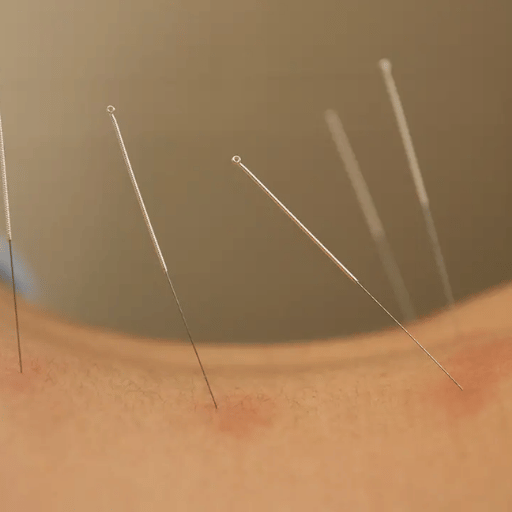
Acupuncture’s arc in Western medicine has been one of slow but accelerating mainstream acceptance. September 2025’s publication of the BackInAction trial in JAMA Network Open is a turning point because it answers the most often-cited methodological criticisms of earlier acupuncture trials — that they enrolled too few participants, lacked rigorous comparators, or did not study the populations most affected by chronic low back pain. With 800 participants, an older-adult population of clinical relevance, pragmatic design using community acupuncturists, and a 12-month follow-up, BackInAction is the kind of evidence base that shifts insurance coverage and clinical-guideline conversations.
Three trends to watch over 2026 and 2027:
- Insurance expansion under the opioid-sparing thesis. NIH’s HEAL Initiative — which funded BackInAction — is explicitly pursuing non-pharmacologic options for pain management. As evidence builds, Medicare and major commercial insurers should expand far beyond the narrow indication of CLBP.
- Direct billing for licensed acupuncturists. BackInAction’s authors specifically flagged direct Medicare billing for licensed acupuncturists as a pending access issue. Movement here would meaningfully widen the practitioner pool.
- Integration into academic medical centers. Mayo Clinic, Cleveland Clinic, Harvard-affiliated hospitals, and Kaiser Permanente integrate acupuncture into pain programs more frequently. Over the next 2 years, more departments practicing integrative-medicine are likely to merge acupuncturists, physical therapists, and spine surgeons into one care team.
What this means for you
- For elderly adults with CLBP, the case for getting acupuncture has never been stronger–and Medicare reimbursement can make it affordable.
- Younger adults must verify whether their chronic-pain insurance benefits include acupuncture, which many private providers modeled on Medicare over subsequent years.
- Choose a spine practice that incorporates an integrative-medicine approach in the care pathway, especially before any planned surgical procedure.
Frequently Asked Questions
Q: Does acupuncture hurt?
View Answer
Most patients experience only a brief dull ache or tingling at insertion (deqi) rather than the pain of a hypodermic needle. Because the thin needles are shallow, gentle technique is should deliver a minimum of discomfort. Patients with a tendency toward needle-sensitivity may find a session mildly uncomfortable; this generally dissipates by the time they return for their third visit.
Q: Can acupuncture help with sciatica or nerve pain?
View Answer
Yes, with good expectations. A 2024 randomized trial in JAMA Internal Medicine showed real acupuncture beat sham for chronic sciatica. Patients with structural issues need imaging to rule out potential underlying pathologies, but a longer arc of treatment (often 10-15 sessions) can be effective, especially when paired with imaging-guided pain management care.
Q: What are the five forbidden acupuncture points?
View Answer
Classical TCM prescribes a small number of points that modulate uterine activity–including LI4 (Hegu), SP6 (Sanyinjiao), BL60 (Kunlun), BL67 (Zhiyin), and abdominal region points. Varying from school to school, this long list can be traveled as well as sitting on. Never omit to disclose pregnancies. Acupuncturists can often prescribe alternative points that are safe and effective.
Zegbrk_0009.
Q: Can acupuncture reduce the need for pain medication?
View Answer
Specifically for chronic low back pain, acupuncture is being studied explicitly as an opioid-sparing modality–the BackInAction trial was funded via NIH’s HEAL Initiative for this purpose. Most superresponders report ibuprofen reduction, enhancement of the physical therapy relationship with work and walking, and avoidance of opioids. Any medication tightening strategy should of course be implemented by your prescriber.
Q: How does acupuncture complement other spine care therapies?
View Answer
Acupuncture plays well with physical therapy because the needles can help dull pain enough to do more effective movement therapy, and it supplements well with traditional Chinese herbal pharmacotherapy for a systemic, constitutional approach. It is not a shortcut around surgical consultation when red-flag symptoms–sudden weakness, bowel and bladder change, fever–are present. Today most spine centers will gladly have you incorporate acupuncture as one element in a multimodal active/adjunctive pain program.
Q: What are the 4 golden rules of acupuncture?
View Answer
There is no one canonical list, but traditional CCMT instructs four principles of observation (anal balance, tongue evaluation, expression, respiration), listen- smell (anterior and posterior body type, body odor, sounds of the body), ask (allergies, optimism, emotional history, nutrition, exercise, culture), and touch (touch testing, pulse examination, pain mapping). Only relaxation and common-sense needling–skipping the tongue pattern recognition and repetitive lumbar rudiments–are shortcuts to what atraditionally-trained acupuncturist would do.
Q: Does insurance cover acupuncture for back pain?
View Answer
Covered under Medicare since January 21st, 2020, acupuncture–still a relatively expensive service–will be reimbursed for 12 visits per 3 months plus 8 more if documented significant functional improvement. (Be sure to verify your own plan first). Many insurance plans expect traditional treatment of cLBP before expensive invasive measures.8 And some employers are explicitly willing to use cLBP as a “wellness” financial reward.
Ready to discuss whether acupuncture is right for your back pain?
Request a now-traditional TCM history & examination culminating in a pulse and tongue exam from a Tong Ren Tang practitioners referenceable TCM specialist. Inclusion of glandular evaluation, dietary history, and vision assessment is recommended; commonly recognized patterns include phlegm, food stagnation, liver qi stagnation, kidney yang deficiency, and others.
Book a Tong Ren Tang TCM Consultation →
Need a quick answer? Just Ask for an online chat with a TCM expert.
About This Article
This guide was assembled by the Tong Ren Tang content team and reviewed against the September 2025 NIH BackInAction trial publication, Harvard Medical School’s clinical guidance on acupuncture for pain, and the WHO Standard Acupuncture Nomenclature. Tong Ren Tang’s heritage in Chinese medicine reaches back to 1669, with three and a half centuries of continuous practice in classical herbal formulations and the broader TCM tradition that acupuncture shares. This article is for informational purposes only and is not a substitute for diagnosis or treatment by a qualified, licensed clinician.
References & Sources
- Acupuncture treatment alleviates disability associated with chronic low back pain in aged persons–National Institutes of Health (covid-19), 2015, 3rd edition.
- Acupuncture for Chronic Low Back Pain in Older Adults: A Randomized Pragmatic Clinical Trial–JAMA Network Open (2015), 10.1001/jamanetworkopen.2015.31233
- Acupuncture for pain relief: How does it work?- Harvard Health Publishing, Harvard Medical School
- Acupuncture: What is it and is it effective?–National Center for Complementary and Integrative Health Zegbrk_0010.
- Get to Know the Application and Action of Acupuncture – PMC, U.S. National Library of Medicine (2022)
- The Autonomic Nervous System: A Possible Link to the Effectiveness of Acupuncture – Frontiers in Neuroscience (2022)
- Acupuncture for Chronic Pain: Update of an Individual Patient Data Meta-Analysis – PMC, Vickers et al. (2018)
- Acupuncture for Low-Back Pain – PMC, U.S. National Library of Medicine (2021)
- Acupuncture vs Sham Acupuncture for Chronic Sciatica – JAMA Internal Medicine, Tu et al. (2024)
- Biochemistry, Endorphin – StatPearls, NCBI Bookshelf
- Acupuncture (clinical chapter) – StatPearls, NCBI Bookshelf
- Acupuncture for Chronic Lower Back Pain (NCD 30.3.3) – Centers for Medicare & Medicaid Services (effective January 21, 2020)
- Standard Acupuncture Nomenclature – World Health Organization, IRIS
- National Certification Commission for Acupuncture and Oriental Medicine – NCCAOM
- Acupuncture Procedure Reference – Mayo Clinic
- Acupuncture — NHS (United Kingdom)
Related Articles
- TCM diagnosis for chronic pain – how a Tong Ren Tang practitioner reads pulse, tongue and pattern
- TCM herbal therapy for back pain and joint stiffness
- Tui Na manual therapy for lumbar tension
- Cupping therapy for muscular back pain
- Daily self-care: postures and stretches for chronic low back pain
- Find a Tong Ren Tang clinic near you