Get in Touch with Tongren Tang Gulf


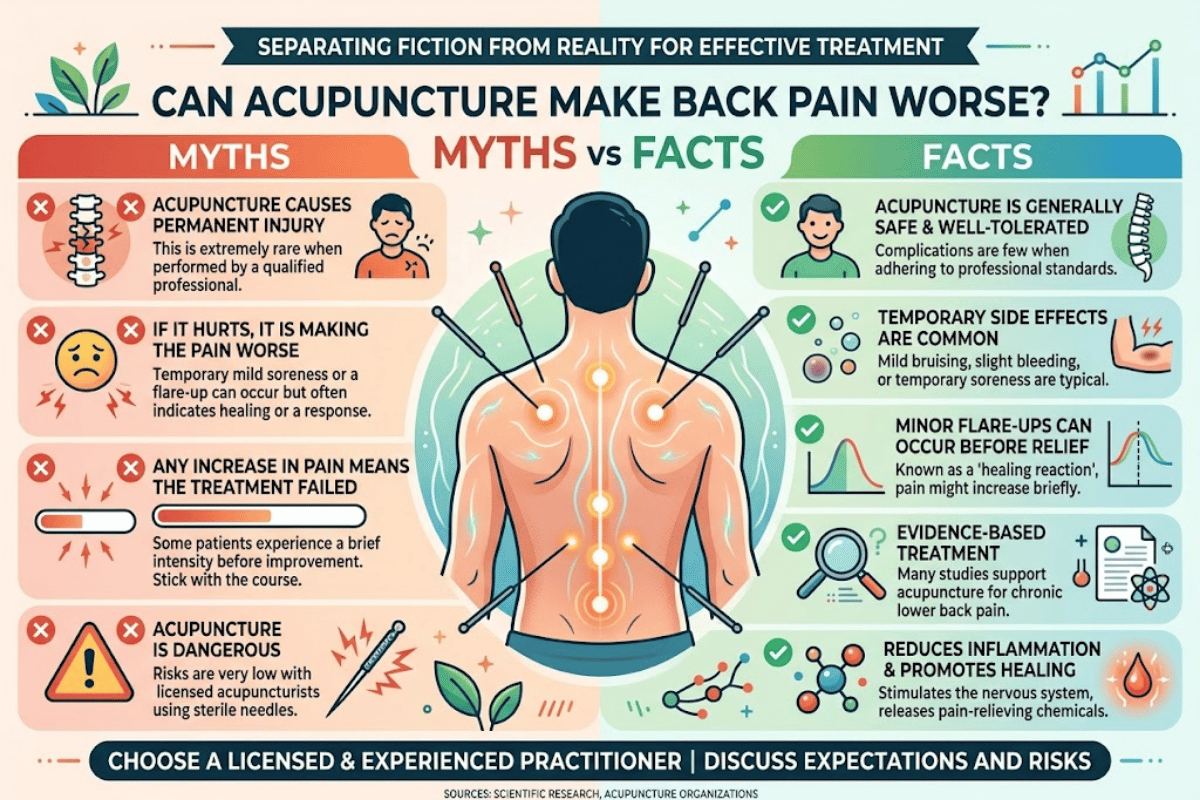
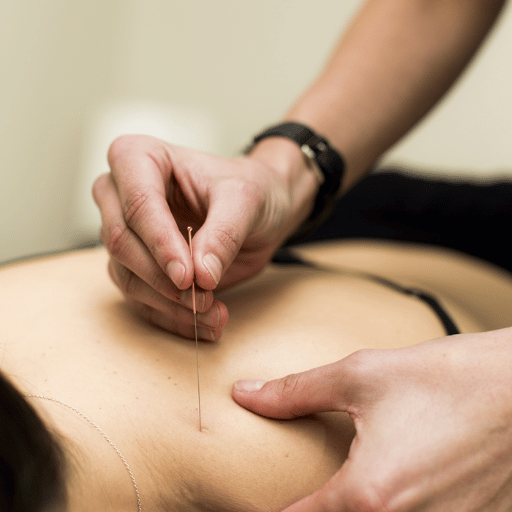
Yes — acupuncture can aggravate back pain for 24 to 72 hours after a treatment, and for most people that brief flare is part of how the treatment actually works, not a sign that something has gone wrong. The question is how to tell a normal healing response from a genuine adverse event, and when to call your doctor rather than your acupuncturist. In this article, eight popular misconceptions are audited against peer-reviewed safety data, the three real mechanisms behind reactions after acupuncture are explained, and a red-yellow-green decision tool is provided for use the morning after your session.
Quick Specs: Acupuncture Safety at a Glance
| Typical post-session soreness window | 24–72 hours |
| Minor bleeding or small bruise | about 6 in 100 patients |
| Brief needling pain | about 1.7 in 100 patients |
| Serious adverse event rate | not observed in 34,407 consecutive treatments |
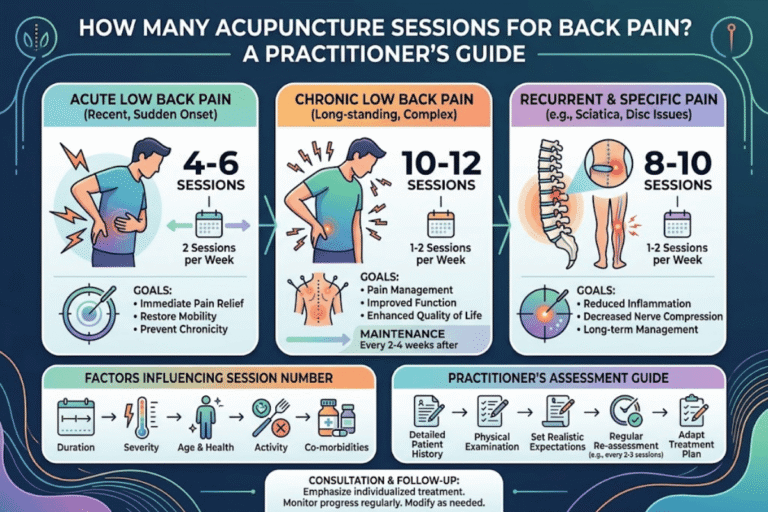
| Typical course for chronic low back pain | 4–10 sessions |
| UAE regulatory body | Dubai Health Authority (DHA) |
The Short Answer: Yes, Temporarily — Here Is the Evidence

What to expect after acupuncture for back pain — whether acute, recurrent, or chronic back pain that has been present for several months — is a flare that usually peaks in the first 24 to 36 hours and then declines sharply. In a prospective observational study of 229,230 acupuncture patients in Germany, Witt and colleagues (2009) found that 6.1% of patients had a small bruise or minor bleeding at the needle insertion, 1.7% experienced pain when the needle was inserted, and 0.7% felt tired or dizzy afterwards. Only two patients out of 229,230 had a serious adverse effect from acupuncture — both were pneumothorax in upper-back treatment, and both recovered.
A separate EU survey of 34,407 acupuncture treatments performed by traditional acupuncturists (MacPherson et al., BMJ 2001) found no serious adverse events, with a 95 percent confidence bound consistent with a rate of fewer than 15 adverse events per 10,000 treatments. As stated by America’s National Center for Complementary and Integrative Health, risk is low when delivered by trained clinicians with sterile single-use needles and reactions are generally mild and self-limiting.
Important not to forget: post-session flare for a brief period of time is normal biology, not a red flag; death and serious harm are so rare that the published denominators extend into tens of thousands of treatments.
Eight Myths About Acupuncture and Back Pain — Fact-Checked
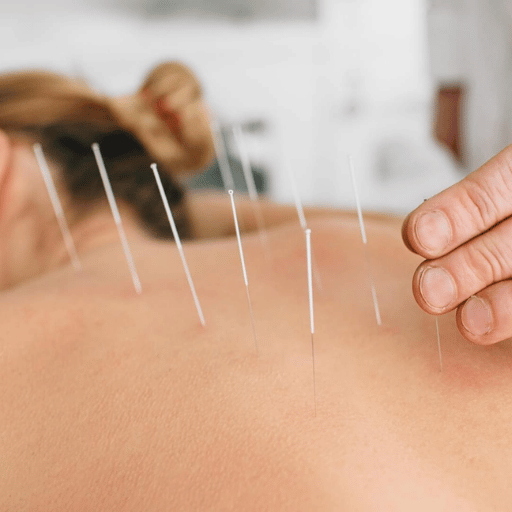
Most of the myths our patients ask regarding post-acupuncture pain come from Facebook or from the ramblings of a friend or relative. We checked out 8 of the most common ‘rumors’ against current peer reviewed data and official academy/society positions. here is our version of 8-Myth Audit – which we use at our Jumeirah health clinic to inform first-time-patients.
| # | Myth | Verdict | Source |
|---|---|---|---|
| 1 | Acupuncture is inherently dangerous | Mostly false — serious events not observed in 34,407 treatments | MacPherson 2001; Witt 2009 |
| 2 | Worse pain after session means treatment failed | False — short flare is a normal healing response | NCCIH; clinician forum consensus |
| 3 | Acupuncture and dry needling are the same | False — different training depth and treatment framework | NCCAOM Position Statement |
| 4 | One session is enough to judge results | False — 4 to 10 sessions typical for chronic low back pain | Cochrane 2020; JAMA Netw Open 2025 |
| 5 | The soreness is “toxin release” | Partly true mechanism, wrong label — it is a DOMS-like micro-trauma response, not literal toxins | Lin et al., DOMS review PMC7336216 |
| 6 | Deeper needles always work better | Mixed — depth varies by point and pathology | WHO Standard Acupuncture Point Locations 2008 |
| 7 | All acupuncturists have equal training | False — credentials differ by country (DHA in UAE, NCCAOM in US, BAcC in UK) | NCCAOM; DHA registers |
| 8 | A small bruise means something went wrong | False — minor bruising baseline around 6 percent of patients | Witt 2009 |
For patients, the audit is straightforward: four of the eight myths predict harm that the evidence does not bear out, and the other four fall apart once mechanism is understood. What really matters is mechanism and context — the following two sections address both.
Why Back Pain Sometimes Feels Worse After a Session — Three Real Causes
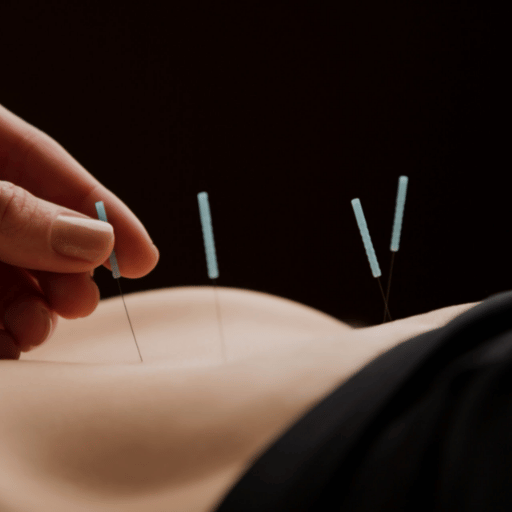
On the other hand, knowing why pain can suddenly increase before beginning to ameliorate makes the difference between staying relaxed and helpful through out the entire process and having a nervous breakdown at 2 o’clock in the morning. There are three physiological phenomena and they are unique.
Why is my back hurting more after acupuncture?
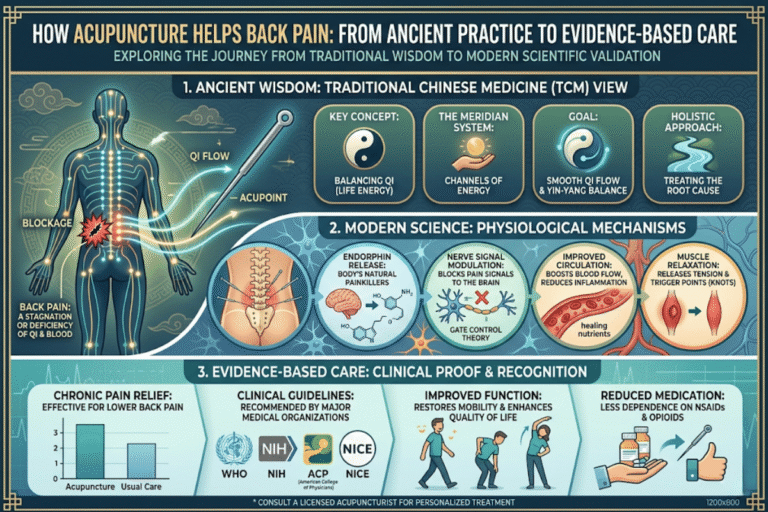
Most commonly, a DOMS-like tissue response at the needle insertion sites produces the flare. When a thin acupuncture needle is inserted, it is still a controlled micro-injury: muscle fibres and fascia around the insertion respond with a low-grade inflammatory signal that raises endorphin release, improves local blood flow, and supports the energy flow concept described in Traditional Chinese Medicine. Short-term, the soreness resembles the day after intense exercise; longer-term, the chronic pain relief is what the DOMS and acupuncture research documents. One orthopaedic practitioner summarised it on Reddit’s r/acupuncture forum: “Acupuncture is a microinjury to the skin and muscles so some soreness can be common. If the aches last more than a day or two, check with your practitioner.”
Does acupuncture get worse before it gets better?
Often, yes — particularly for chronic low back pain patients whose muscles have been guarding for months. Part of what the acupuncturist is doing is shifting the autonomic nervous system from sympathetic to parasympathetic tone. Once the neural tone shifts and the muscles relax, the true baseline pain becomes briefly easier to feel. Patients on the r/acupuncture forum describe this as a 24 to 36 hour spike followed by a sharper drop in pain than they had before the session. This is Cause B — a normal signal, not a treatment failure.
Cause C is what matters clinically. Point-selection error or over-intensity — typically associated with Western-style deep needling into an already inflamed spinal segment — can genuinely worsen radiculopathy or trigger an infection pathway. The NIH-indexed case report of spinal discitis following acupuncture is the canonical example: rare, documented, and worth knowing about. Signs that separate Cause A or B from Cause C come in the next section.
Telling Normal Soreness From a True Adverse Event

Once you understand what to observe the normal response and adverse event are visibly distinct and can be told apart. The side-by-side below is what we use with our new patients in Jumeirah. It corresponds to the writing from Witt 2009 and MacPherson 2001.
✔ Normal Healing Response
- Mild stiffness resolving within 72 hours
- DOMS-like muscle soreness at needle sites
- Small coin-sized bruise (hematoma)
- Brief fatigue, occasional emotional release
- Short-lived dizziness immediately after a session
⚠ Red-Flag Signs — Seek Medical Review
- Fever above 38 °C within 48 hours
- Progressive numbness or leg weakness
- Sharp nerve pain lasting more than 7 days
- Swelling, redness or discharge at a needle site
- Night sweats or unexplained weight loss
- Sudden chest pain or breathlessness after upper-back needling
Few side effects have been published relating to the use of acupuncture. However, major side effects such as infections or punctured viscera may occur, as a consequence of poor sterilisation of needles and incorrect administration of particular treatment techniques. Acupuncture, delivered by trained practitioners, appears to be safe.
— National Center for Complementary and Integrative Health (NCCIH), Acupuncture: Effectiveness and Safety fact sheet
What differentiates the two columns is what physicians term a kinetic signature: normal responses peak quickly, then subside, whereas potential side effects that become true adverse events linger and deteriorate. If your shoulder pain starts radiating into your arm or fever accompanies back soreness — for instance after a session that also worked on radiated shoulder pain TCM treatment areas — call a doctor rather than wait.
Acupuncture vs Dry Needling: Why the Difference Matters for Risk

Much of the “I went to an acupuncturist and my pain got worse” anecdotes appearing on forums—particularly, but not uniquely, on Reddit’s r/acupuncture—are actually referring to dry or orthopaedic needling, performed by physical therapists or chiropractors, who may or may not be practitioners of ‘Chinese’ acupuncture. Both require thin needles, but there are distinctions in training, approach, and safety considerations that impact back pain results.
What is the difference between acupuncture and dry needling for back pain?
| Dimension | Acupuncture (Licensed LAc) | Dry Needling (PT or Chiro) |
|---|---|---|
| Minimum training | About 1,905 post-graduate clinical hours including 660 hours supervised practice | Often 20 to 150 continuing-education hours added to a physical-therapy degree |
| Treatment model | Meridian and organ theory plus trigger-point work — whole-body pattern-based | Neuromuscular trigger points only |
| Depth profile | Shallow to deep depending on the chosen acupoint | Usually deeper into the muscle belly, by design |
| Regulatory body | DHA in UAE, NCCAOM in US, BAcC in UK | State or provincial PT boards |
| Typical risk notes | Minor bruising; rare pneumothorax with upper-back points | Rate of post-session soreness reported higher in some forum populations |
If what you thought was your first “acupuncture” experience was actually dry needling — for example if needle insertion was very deep and soreness lasted more than 24 hours — ask your practitioner which protocol they used. If they are a PT or chiropractor who took a weekend certification course, you now know why the needles went much deeper and the soreness lasted longer. That is also why your experience at a full TCM clinic combining acupuncture with cupping therapy feels categorically different.
How to Reduce the Risk of Flare-Ups — Patient-Side Checklist
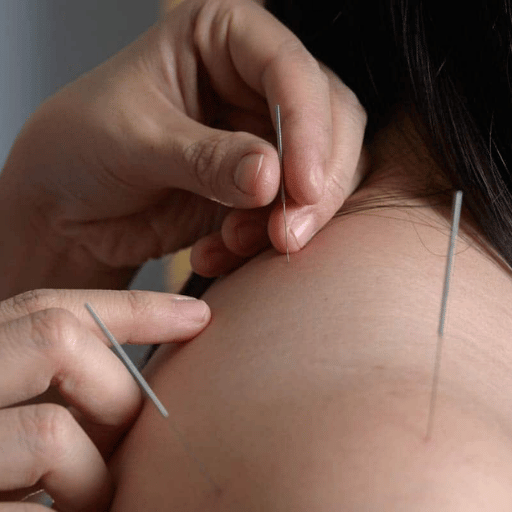
Patients can influence whether a session results in a short flare or a longer one. Our acupuncturists walk through the following protocol with patients before, during and after a treatment plan for chronic low back pain.
- Pre-session—good hydration the day before, no alcohol for 24 hours before, eat lightly 1-2 hours before, list all drugs including immunosuppressants and blood thinners, watch for sluggishness afterward and question sudden anxiety or dizziness within 24 hours. Note each pain location—even the ones that are not the primary focus.
- During the session — voice your needle pain score 1 to 10. Anything over 6 means ease pressure. Never try to push through sharp radiating pain, and always warn the practitioner the moment you feel light-headed or suddenly unsteady.
- Post-session — rest for 2 to 4 hours, skip strenuous activity for 24 to 48 hours, and keep walking gently because movement helps blood flow clear the micro-trauma. Warm compresses on sore areas follow TCM convention; ice is generally avoided. Report any swelling, redness, or fever within 48 hours.
📐 Clinical Note
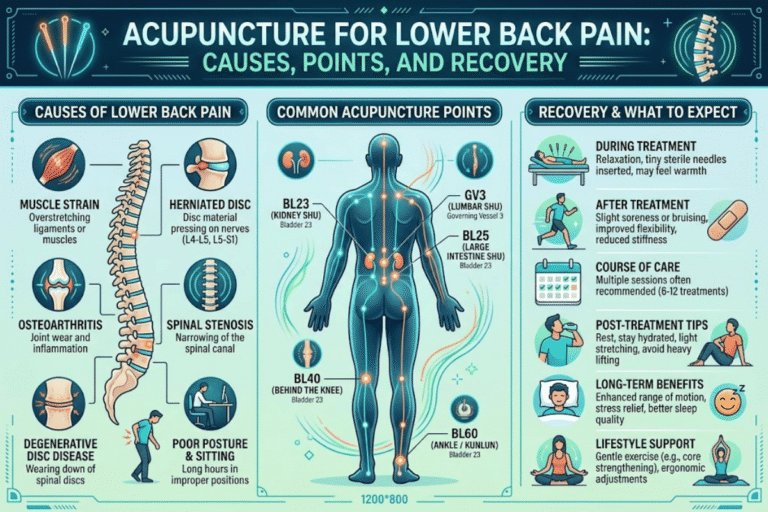
The WHO Standard Acupuncture Point Locations (2008) lists typical needle depths for lumbar paraspinal points in the 10 to 25 millimetre range; points over the spinous processes use shallower insertion. If your previous practitioner used needles that felt much deeper, they were likely running a dry-needling or orthopaedic-acupuncture protocol rather than classical TCM.
Many first-time patients also ask whether moxibustion or Chinese herbal remedies can complement acupuncture for back pain — the short answer is yes, and sessions are often combined once the acupuncturist has assessed pattern and tolerance. An integrative medicine approach that layers these modalities can support recovery between visits.
When to Return, When to Call a Doctor — Red / Yellow / Green Decision Guide
Back pain the morning after an acupuncture session does not usually need medical attention, but you should not have to guess. This three-zone guide maps directly to the evidence in the previous sections.
| Zone | What you feel | Action |
|---|---|---|
| 🟢 Green | Mild soreness, resolving within 72 hours, no fever, no weakness | Keep your scheduled next session — a course of 4 to 10 treatments is typical for chronic low back pain |
| 🟡 Yellow | Soreness persisting beyond 5 days, mild numbness, sleep disrupted, new anxiety about the treatment | Call your acupuncturist before the next visit. Ask for point-selection review; consider spacing sessions further apart |
| 🔴 Red | Fever, progressive neurological signs, local infection at a needle site, or sharp radiating pain lasting more than 7 days | Pause acupuncture and seek a GP or emergency-department review first |
Patients often weigh acupuncture against chiropractic care and physical therapy when lower back pain becomes chronic. These three modalities address different aspects: chiropractic focuses on spinal alignment, physical therapy builds strength and corrects movement patterns, and acupuncture works on the nervous system and local circulation. They are not mutually exclusive, and many patients combine two.
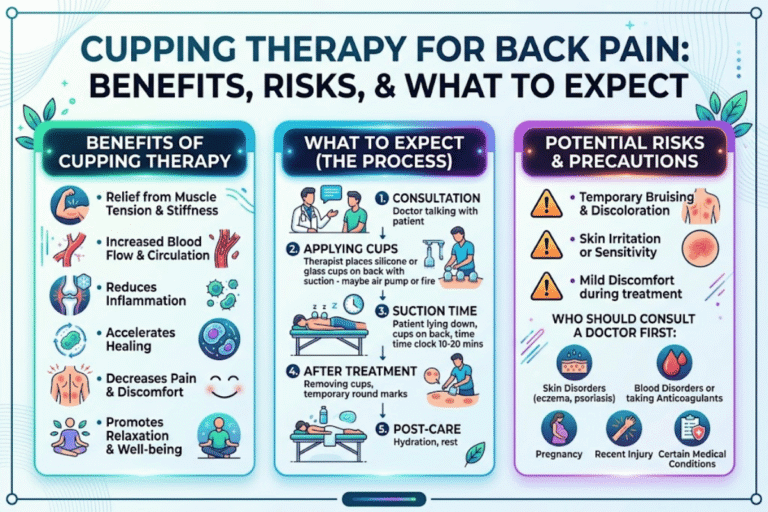
For readers in the UAE, a full TCM assessment — pattern diagnosis, needling plan, and optional moxibustion or cupping — follows a structured protocol at our clinic. Learn more about the Tong Ren Tang back-pain TCM treatment page, or contact the Jumeirah clinic for a symptom-level question over WhatsApp before you book a full session. Cupping (known locally as Hijama) is culturally familiar in the Gulf and often combined with acupuncture for lower-back protocols.
Frequently Asked Questions
Can acupuncture flare up inflammation?
Read the full answer
Acupuncture produces a deliberately small, local inflammatory signal at each insertion site — that is part of the mechanism of effective treatment, not an unwanted side effect. In practice you may feel a brief increase in warmth or pain like a bruise for 24 to 48 hours around the needled points, particularly if the treatment targeted an already inflamed lumbar segment. An inflammation that spreads, reddens visibly, or is accompanied by fever is not part of normal symptoms after acupuncture and should be medically assessed.
Can acupuncture release muscle knots?
See the answer
Yes. When a myofascial trigger point is needled, a local twitch response is elicited which is thought to be associated with relaxation of the muscle fibres in the immediate vicinity and a reduction in muscle tension. Patients often describe an experiential “letting go” sensation during the session or soon after — one of the expected acupuncture reactions reported by experienced practitioners.
Can acupuncture make nerve pain worse?
Read the full answer
Classical acupuncture rarely worsens nerve pain. Aggressive dry needling into an already compressed spinal segment can, and patients reporting new leg weakness or progressive numbness should stop treatment and see a doctor before the next session.
How many acupuncture sessions do you need for back pain?
See the answer
Most acute episodes settle within 1 to 3 sessions. Chronic low back pain may require 4 to 10 sessions with incremental improvements over time. The 2025 NIH funded BackInAction trial showed benefits 12 months after termination of care.
How quickly does acupuncture work for back pain?
Read the full answer
Some patients with acute pain experience meaningful relief after one treatment; for chronic pain, the majority of first benefits occur in sessions 3 to 6. If you find acupuncture sessions are not reducing pain after 4 visits, ask your acupuncturist to review point selection rather than conclude the therapy is ineffective.
Should I try acupuncture or physical therapy for back pain?
See the answer
These two have been identified as the first line non-drug treatment in the American College of Physicians guidelines. In reality, they are used simultaneously—physical therapy strengthens muscles and addresses altered biomechanics, while acupuncture can help with the pain and muscle spasm.
Is acupuncture safe during pregnancy for back pain?
Read the full answer
It can be, but point selection must avoid specific contraindicated points and the acupuncturist needs to be experienced with prenatal protocols. Tell your practitioner in advance and confirm their prenatal credentialing before the first session.
About This Analysis
The 8-Myth Audit and the Red-Yellow-Green decision guide in this article reflect the specific safety questions first-time patients ask at our Tong Ren Tang Jumeirah clinic before they book acupuncture for back pain. Beijing Tong Ren Tang has practised Traditional Chinese Medicine since 1669 — 355 years of pattern-based diagnosis and needling tradition — and this is the risk framework we share with our own first-time back-pain patients.
References & Sources
- Acupuncture: Effectiveness and Safety — US National Center for Complementary and Integrative Health (NCCIH), NIH
- Low-Back Pain and Complementary Health Approaches: What You Need to Know — NCCIH, NIH
- Witt C et al., Safety of Acupuncture: Results of a Prospective Observational Study with 229,230 Patients — Forsch Komplementmed 2009
- MacPherson H et al., The York acupuncture safety study: prospective survey of 34,000 treatments by traditional acupuncturists — BMJ 2001
- Kim PSY et al., Discitis in an adult following acupuncture treatment: a case report — PMC / NIH
- Effects of Acupuncture on Delayed-Onset Muscle Soreness: Systematic Review and Meta-Analysis — PMC / NIH
- Acupuncture for Chronic Low Back Pain in Older Adults (BackInAction Trial) — JAMA Network Open 2025
- NCCAOM Dry Needling Position Statement (1,905 clinical hours minimum) — National Certification Commission for Acupuncture and Oriental Medicine
- Training hour requirements to provide acupuncture in the United States — Journal of Integrative Medicine 2020
Related Articles
- Tong Ren Tang back-pain TCM treatment — the full protocol page
- Shoulder pain TCM treatment — when pain radiates upward
- Moxibustion therapy — post-session warming and continuity care
- Cupping therapy and Hijama — a common TCM adjunct to back-pain protocols
- How TCM treats dampness in the body — the pattern-diagnosis view behind chronic soreness
- Chinese herbal remedies in Dubai — integrative support for recovery between sessions