Get in Touch with Tongren Tang Gulf

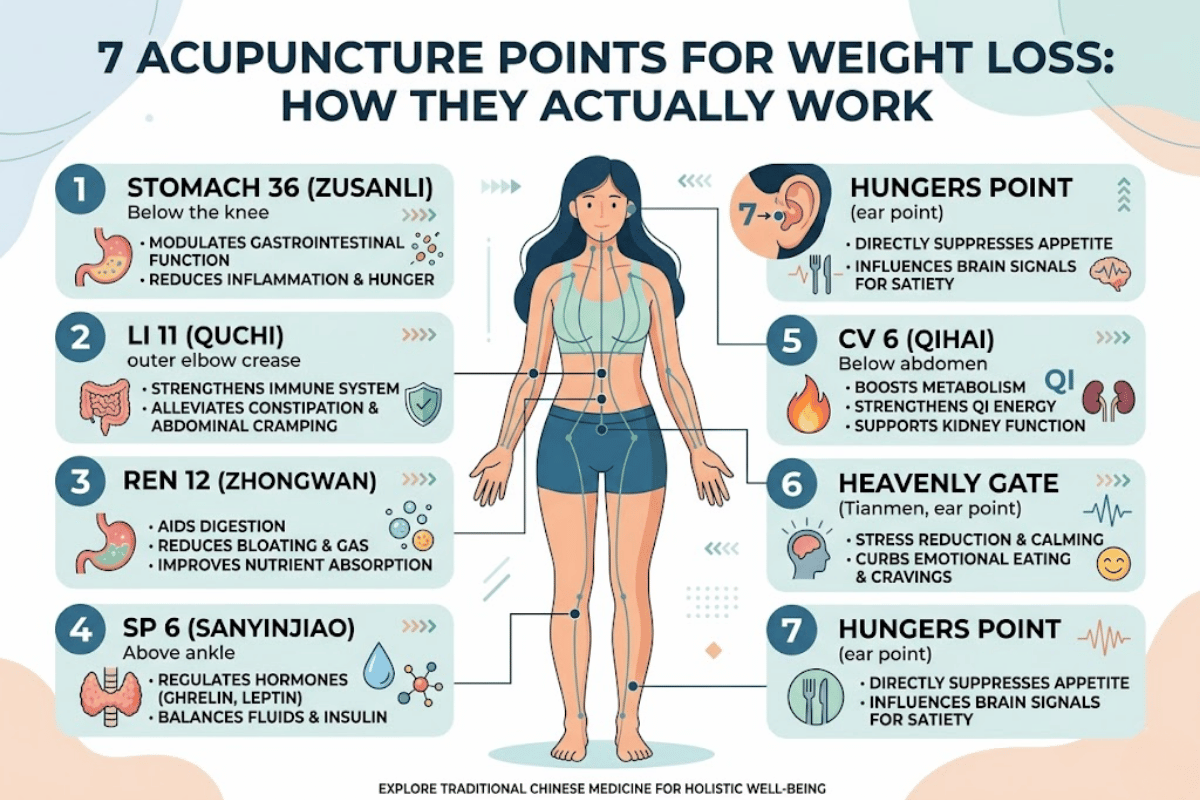
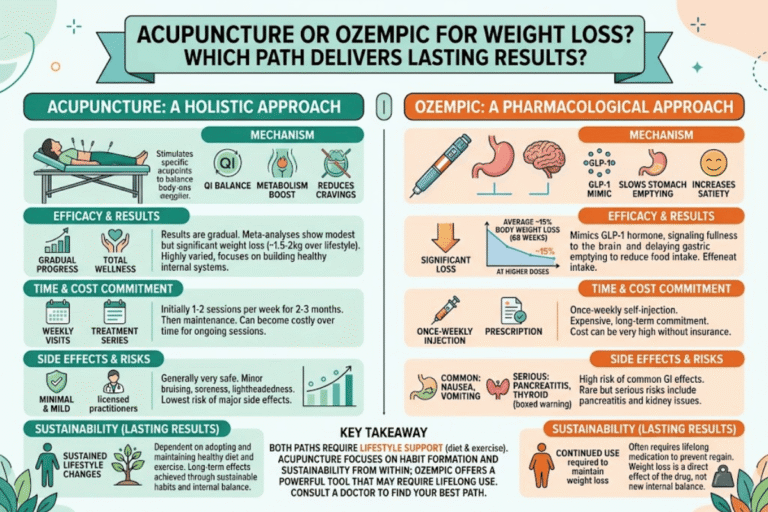
Beijing Tong Ren Tang’s TCM doctors have been applying acupuncture points for weight loss for more than three and a half centuries — and modern research is finally catching up. Today these points are studied for stress management and appetite regulation, and shown to help with weight loss as part of lifestyle intervention. This provides a ‘road map’ to the 7 points most often applied at our clinic in Dubai, how they work, what the evidence in 2025 actually demonstrates and how to locate them on yourself. No hocus pocus, no miracle cures—just the points, the mechanisms and the straight-out caveats.
Quick Specs: The 7 Points at a Glance
| # | Point Name | Code | Meridian | Primary Weight-Loss Action |
|---|---|---|---|---|
| 1 | Zusanli | ST36 | Stomach | Digestion + metabolism + energy |
| 2 | Sanyinjiao | SP6 | Spleen | Hormone balance + water metabolism |
| 3 | Zhongwan | CV12 | Conception Vessel | Upper abdomen digestive regulation |
| 4 | Tianshu | ST25 | Stomach | Belly fat + bowel regulation |
| 5 | Fenglong | ST40 | Stomach | Phlegm-damp transformation (TCM fat clearing) |
| 6 | Yinlingquan | SP9 | Spleen | Water retention + edema relief |
| 7 | Shenmen (Ear) | — | Auricular | Stress, emotional eating, vagus activation |
– Checked by team of BB Tong Ren Tang Dubai TCM 8 practice.
How Acupuncture Points Support Weight Loss: The Mechanism
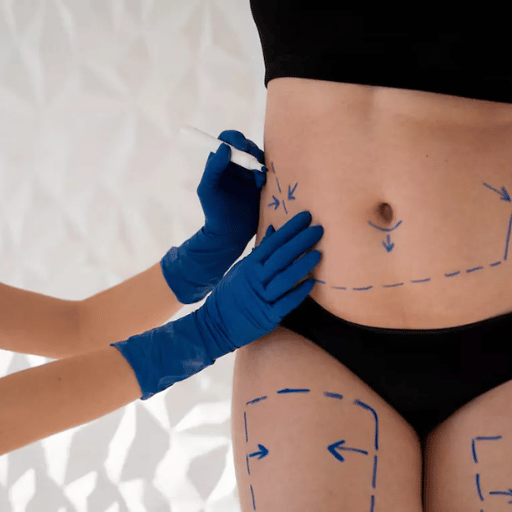
Short answer: the mechanisms of the acupuncture points for weight loss are three – the stimulation of the appetite – vagus nerve, digestion by stimulating spleen and stomach meridians, relaxing through parasympathetic nervous system). All the mechanisms of the points through modern explanations—seems quite logical, but above all, not only the theories of traditional Chinese medicine:
How does acupuncture help you lose weight?
A particularly interesting recent mechanism discovery is a 2025 paper, published on PMC12781781: electroacupuncture slows down diet-induced-obesity via vagal-GLP-1 pathway. This is the same pathway as the one that GLP-1 drugs like Ozempic and Wegovy use to suppress hunger. The needle doesn’t make GLP-1 directly, but it causes the vagus nerve to kick-in- the exact same downstream pathway.
This is significant because it alters the perspective of acupuncture: the effect is neither magical nor the sole application of placebo therapy. Rather, it is a mechanical stimulation to a select nerve bundle that influences hunger hormones and drives the sensation of hunger. The system exists in traditional Chinese medicine also (see the NIH NCCIH overview)–Qi energy flow, meridian travel, spleen-stomach bodily functions–both themologies refer to the same function.
Imagine a marketing boss in Dubai that hits the bed every day at 3pm. The cortisol increases. Ghrelin increases.
She appears in the pantry, hand on the packet of her first unwanted pudding from an hour ago. A single needle into Zusanli(ST36) for 30 minutes is not going to negate that entire loop – but you can see how our full acupuncture for weight loss guide shows how repeated vagal stimulation flatten her hunger curve so she doesn’t hear that pudding begging anymore. That is the realistic mechanism.
Third, there is stress. Chronic stress increases cortisol, promoting weight gain in the central area (belly). Using ear Shenmen points and SP6 stimulation stimulates the parasympathetic nervous system and reduces baseline cortisol tone.
That is why our clinics frequently combine body points with Chinese herbal medicine for weight loss formulas designed to hit the same stress cascade. Research suggests that acupuncture stimulates specific points on the body to reduce stress, improve digestion, and regulate appetite through measurable changes in hormone levels and in neurotransmitters like serotonin, which is the main reason acupuncture can help as part of a broader plan.
Lesson learned: 3 testable ways by which acupuncture induces weight loss…Vagal-GLP-1 appetite regulation, stomach-spleen meridian induced digestion, parasympathetic nervous system activated stress reduction. Not magic, not placebo.
The 7 Acupuncture Points for Weight Loss (With Locations and Uses)
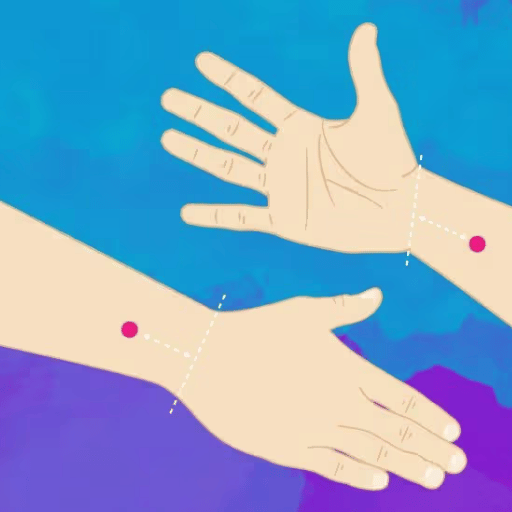
These seven acupuncture points are the ones our Dubai clinic uses most commonly. Worth noting: four of these pressure point selections (ST25, ST36, ST40, SP9) appear in a 2024 BMJ Open randomised controlled trial protocol on obesity (PMC11367285). A little nutrition-clinic context: we haven’t conjured these 7 points up out of the air, they happen to match what contemporary science probes and measures.
1. Zusanli (ST36) — The Digestive Powerhouse
Effects/Method of Application: Locating or in the muscle groove on the anterior aspect of the lower leg—four fingers’ width inferior to the kneecap, one finger’s width lateral to the tibia.
Why it matters: It is located on the Stomach meridian and is the most researched acupuncture point in the world for obesity. ST36 was shown in a 2019 trial in Evidence Based Complementary and Alternative Medicine to help spleen-stomach function, with the he-sea point most frequently used for simple obesity protocols, boosting gastric motility and appetite regulating hormones.
How to stimulate: Attach your thumb, and using firm, circular pressure massage for 2 to 3 minutes on each side. Repeat morning and evening.
2. Sanyinjiao (SP6) — The Three-Yin Intersection
Position: Four finger widths upward from the tip of the inner ankle bone, just behind the shin bone.
Why it is significant: SP6 is where liver, spleen and kidney meridians converge- a hitherto unspoken fusion point for hormone regulation & water metabolism. For hormonal women with weight gain (PCOS, peri-menopause)- this is our go-to point alongside PCOS and hormone balance protocols.
How to stimulate: Firm circular thumb pressure for 2 minutes each leg. Never press SP6 if pregnant (see safety section).
3. Zhongwan (CV12) — The Digestive Command Point
Location: The centerline of the abdomen, midway between the navel and the bottom of the sternum. Approximately 4 finger-widths above the navel.
Why it matters: Zhongwan is a point on the Conception Vessel meridian and is the primary mastery point of the upper digestive systems – the stomach, the spleen and the GB. In TCM bloating, sluggish digestion and ‘damp’ weight gain are indications here. Target this point if you are feeling sluggish after eating, along with stomach and digestive treatment protocols.
How to stimulate: Lying down. Rest two fingers back and forth. Use light to medium pressure (NO sharp ones please), and circle slow on the surface for 2-3 minutes.
Avoid pressing immediately after a complete grain.
4. Tianshu (ST25) — The Belly-Fat and Bowel Point
Position: Two fingers width of the navel on either side.
Why it matters: Tianshu is the Large Intestine front-Mu point and the most “belly-styled” of the lot. It features in a 2024 BMJ Open RCT protocol with ST40, which targets central (i.e. belly) obesity specifically. We use it in the clinic on clients whose excess weight is mostly around their tummies, rather than all over.
Stimulating method: Use firmly either the thumb or knuckles, pressure should be maintained for 2 minutes on each side of the back, in circular motions.
5. Fenglong (ST40) — The Phlegm-Damp Clearing Point
Location: Midway between the outer edge of the kneecap and the outer ankle, two finger-widths lateral to the shin bone — roughly the middle of the outer lower leg.
Why it matters: According to TCM theory, “phlegm-damp” is the figurative cause of resistant body fat. Fenglong is the seat of emptying it. In Western terms, this point enhances fat metabolism and is almost universally incorporated within multi-point obesity protocols.
A 2024 meta-analysis of acupuncture studies (Frontiers 2024 meta-analysis) demonstrated body acupuncture at points such as ST40, had a significant effect in improving BMI in a collective of 27 studies.
How to stimulate: Thumb pressure, 2 minutes per side.
6. Yinlingquan (SP9) — The Water-Retention Point
Placement:The depression in front of the inside of the knee, in the hollow between the shin bone(shin) and thigh bone (femur).
Why it is important: The SP9 is the site of choice for water retention and puffy legs and that feels “bloated” not “fat”. It is complementary to SP6 and addresses the whole spleen-meridian. We often blend SP9 with soft tui na Chinese medical massage along the lower leg for our seated-in-air-conditioned Dubai clients.
Method of stimulation: Apply pressure to the sunken area 2minutes each side.
7. Shenmen (Ear Point) — The Stress and Emotional-Eating Point
Location: At the upper triangular fossa of the outer ear. Feel for a small, triangularpit justin front of the upper border of your ear.
Why it matters: This is the lone auricular point in our 7-point set, and the one that connects everything. Ear shen men happens to rest upon the auricular branch of the vagus nerve—the same bundle of nerves the 2025 vagal-GLP-1 paper identified as the mechanism. A 2019 systematic review of auricular acupressure (Huang et al., PubMed 31261540) revealed ear-point stimulation at shen men decreased BMI among overweight folks over a 12-week span.
For clients who eat in response to stress, this point is no option. The hunger point on the ear, along with specific auricular stimulation of the stomach point, has become a popular tool for weight loss that some studies suggest plays a real role in weight loss goals when used consistently. To learn about adding continuous stimulation, check out our ear seed application guide.
How to stimulate: Fingertip or ear seed bead. Firm, rolling pressure for 1 min. three times a day.
Cliffs: these seven acupoints are not a clinic invention: 4 of them (ST25, ST36, ST40, SP9) are in the BMJ Open RCT protocol for obesity 2024. The easiest thing to do is to locate and press them yourself – that’s safe; a practitioner could needle and electro-stimulate much more deeply.
Body Points vs. Ear (Auricular) Points: Which Works Better?
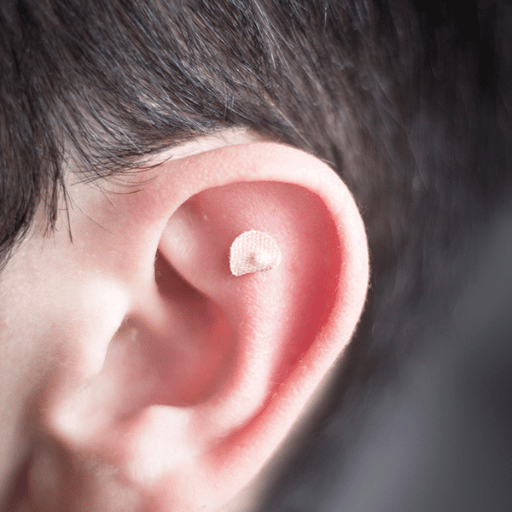
There is evidence for body points and auricular acupuncture points, and they perform different roles. Most practical, real-world protocols combine body and ear pressure point work together. Stimulating specific ear points activates the parasympathetic response, and several studies have found that auricular acupressure and body acupuncture can help achieve effective weight loss when paired with a balanced diet, healthy diet and exercise, and physical activities like walking. This is the comparison we provide our clients when they visit our Dubai clinic.
| Dimension | Body Points (ST36, SP6, CV12, ST25, ST40, SP9) | Ear Points (Shenmen and others) |
|---|---|---|
| Primary action | Digestion + metabolism + hormone balance | Appetite + stress + emotional eating |
| Mechanism | Spleen-stomach meridian + gut motility | Auricular vagus nerve (vagal-GLP-1 pathway) |
| Stimulation duration | 2 to 3 minutes per session, 1 to 2 times daily | Continuous (ear seeds can stay 3 to 5 days) |
| Best evidence | 2024 BMJ Open RCT protocol + 2019 ST36 trial | 2019 Huang meta-analysis (BMI reduction over 12 weeks) |
| Self-practice difficulty | Easy — you can reach all points on your own body | Harder — ear anatomy is hard to map without a practitioner |
| Best for | Digestive weight, water retention, hormonal weight | Cravings, stress eating, appetite spikes |
We have been practicing TCM clinically for 15 years and from our own experience, the most common pattern we see is: Body points alone; clients say “less bloat less sluggishness” but then cravings reappear. Ear points alone: clients say “eat less” but still feel sluggish after eating. Combination of both: very effective-this pattern has also been reported by the 2024 systematic reviews
How to Find and Stimulate These Acupressure Points at Home
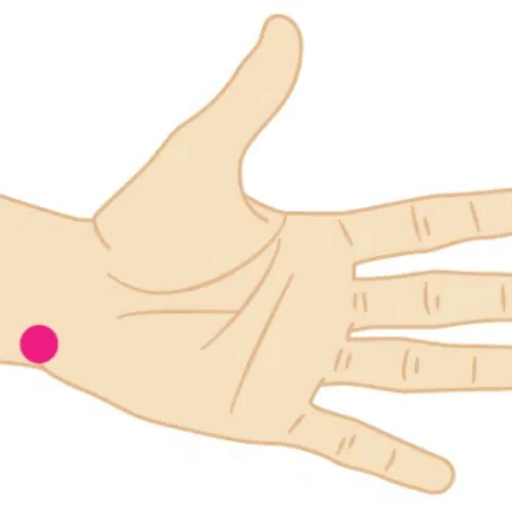
You don’t need needles for benefit from these points. Acupressure – firm thumb pressure instead of needles – is safe to do yourself at home and has a range of research including a 2019 meta-analysis in Medicine (Baltimore) (Huang et al. 2019), which showed that auricular acupressure alone gave a measurable BMI reduction over 12 weeks.
How to lose weight fast with acupuncture?
No, you really can’t. And any acupuncturist selling you on “rapid” weight loss from acupuncture is not working within even the most conservative definition of traditional Chinese medicine. Unsupervised research has shown that adding acupuncture to a sensible diet produces a slight benefit after 8 to 12 weeks, which is how it can work over the medium term to support weight reduction. What acupuncture can do is dampen the rubbish signals of hunger and stress that remove all your ability to stick to a sensible diet – which, over a month or two, builds into real successes.
Here is the self-practice protocol we use with clients who want to do this at home between clinic visits. Call it the 2-2-2 rule: two minutes of pressure, twice daily, two points at a time. More effort doesn’t matter as much as more regularity.
- Select the two points that fit your main goal (see the TCM 3-Point Rule below).
- Get comfortable then find the point by landmark, then press it.
- Press with your thumb or knuckle. Be firm; it should feel a little ache-y but never sharp.
- Small circular motion, two minutes per point, per side.
- Press once in the morning before breakfast and once at night before dinner. That’s it.
“People who get results doing acupressure at home have the same thing in common: they don’t treat it seriously enough to take very long with it. Two minutes before eating. Do it, and do it every day. People who obsess over the strength of pressure and duration give up after a week.”
Suppose a 38-year-old woman launches into a new 2-minute pre-dinner routine. She sets a reminder on her phone for 7am and 6pm, chooses Sanyinjiao and ear Shenmen, and stays faithful to it for 30 days. Her goal is not millions of pounds, but simply the 4pm urge to raid the biscuits that has wrecked her past weight management plans. By week three she reports that she still has the urge but it is diminished. By week six she keeps to the routine most days but hardly notices the urge anymore. This is what success looks like. For people who want guidance and tracking beyond self-practice, the TCM obesity treatment programme in Dubai offers needle acupuncture, electro-stimulation, and herbal formulas to the same point combinations.
What you should take away from this is the 2-2-2 rule – twice daily, two minutes, two points at a time – which is what actually gets used in real life. The consistency beats the intensity every time.
What the Research Actually Says: Evidence, Limits, and Honest Caveats
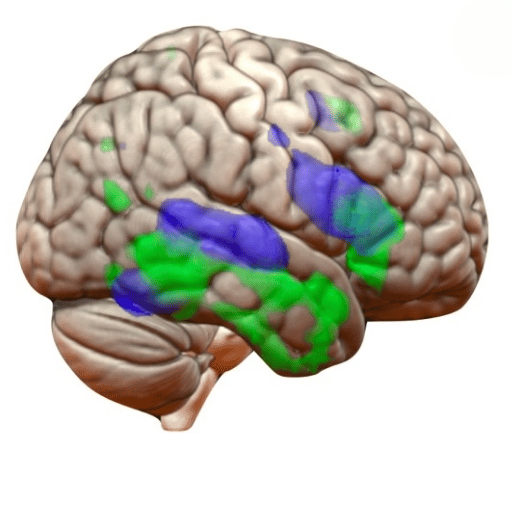
Let’s distinguish between the substantiated and the finessed. There is evidence for herbal medicine and acupuncture to support weight loss from TCM, but, the evidence is underwhelming, the trials are usually underpowered, and practitioner variation is enormous. Any information that doesn’t contain these caveats cannot be considered accurate.
Does acupuncture help lose belly fat?
Short answer: yes, slightly, combined with lifestyle change. A 2025 systematic review on PubMed (PubMed 40737234) concluded that ‘current evidence suggests acupuncture may provide modest benefits for weight loss compared with lifestyle interventions or placebo’. A 2025 review of 64 trials published in Complementary Therapies in Medicine reported significant reductions in body weight, BMI and waist circumference. And a 2024 meta-analysis of 27 trials in Frontiers in Medicine confirmed that body acupuncture significantly reduced BMI compared to control.
Belly-fat response appears a little stronger in the data than whole-body-weight. ST25 coupled with ST40 has more trial support for targeting abdominal fat specifically than for overall weight. That aligns with what the 2024 BMJ Open trial was designed to measure.
Here is most interesting paradox in the literature. A 2015 pilot in BMJ Open Gastroenterology measured ghrelin (the hunger hormone) after auricular acupuncture in a small trial. The acupuncture group revealed no significant change in ghrelin levels – the placebo group did. That inverted result is initially confusing, but it suggests that the mechanism may not be “lower hunger hormone – less eating’. It appears to work by stabilising appetite signalling rather than reducing any single parameter. The 2025 vagal-GLP-1 study points the same way.
Honest caveats:
- Most acupuncture trials are small (under 100 subjects) and brief (8-12 weeks).
- Blinding is difficult in acupuncture studies – sham needles are inaccurate control.
- Average weight loss from acupuncture alone is modest, generally 1-3kg over 12 weeks in addition to dietary changes.
- Skill in acupuncture practitioners matters. A senior TCM practitioner with two decades of experience is unlikely to produce the same results as a six month course graduate.
- Acupuncture as an adjunct to lifestyle change carries stronger evidence (see PubMed 39582784) than acupuncture alone.
None of this implies acupuncture “does not work”. It indicates that acupuncture remains a useful complementary modality – not a substitute for diet and exercise.
The TCM 3-Point Rule: Which Combination Should You Use?
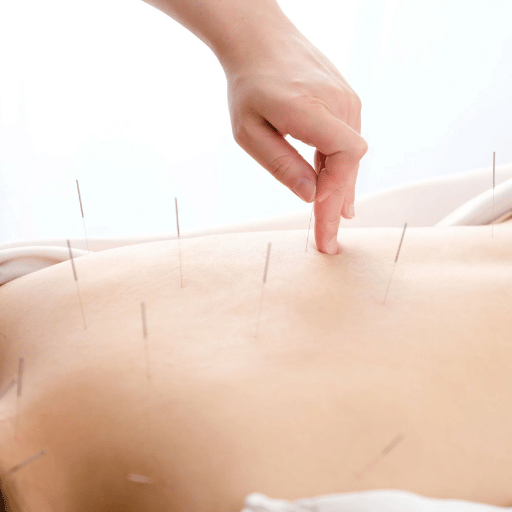
The TCM 3-Point Rule: Which Combination Should You Use?
Most acupressure programs introduce each point, then ask the patient to figure out which points are compatible with each other. This is counterintuitive. At our practice we apply a straightforward rule: pair the points with its defining characteristic, not the weight. This concept is known as the TCM 3-Point Rule — identify the three points that resolve the pattern at each step, not the four or seven points at the end. Firm pressure to the point for 2 minutes during a daily acupressure therapy session — or what a deeper acupuncture session with needles achieves at the clinic — uses these acupressure points on the ear and body together to help reduce cravings, support weight loss, and guide the body toward sustainable weight management.
| Your Primary Goal | 3-Point Combination | Why These Three |
|---|---|---|
| Overeating / cravings | Ear Shenmen + ST36 + ST25 | Vagal appetite signal + digestion + satiety |
| Belly fat / central weight | ST25 + CV12 + ST40 | Direct abdominal coverage + upper digestive + lipid clearing |
| Stress / emotional eating | Ear Shenmen + SP6 + ST36 | Parasympathetic calm + hormone balance + grounding |
| Water retention / bloating | SP9 + SP6 + CV12 | Spleen water metabolism + hormone + digestive regulation |
| Hormonal weight (PCOS, menopause) | SP6 + ST25 + Ear Shenmen | Three-yin intersection + belly targeting + stress |
For example, a 42-year old female with PCOS who has not experienced significant weight-loss after three popular commercial diets. Her pattern is hormonal weight gain in the calves and abdomen, as well as afternoon excitability and craving. Prescribed the TCM 3-point Rule of Tianshu (ST25) to address abdominal excess, Sanyinjiao (SP6) to correct the hormonal excess, and ear Shenmen to alleviate the cortisol spike at 4pm. Three points. Two minutes. Twice daily. This results can be maintained – and for those clients who want to integrate other disciplines, our clinicians will sometimes include moxibustion treatment simultaneously at her three points, for deeper radiant warming stimulation.
Key message: Stop trying to press all seven points. Use the TCM 3-Point Rule: pick the three points that match your pattern and go with them. Less points is better than more points: get consistency and get results.
Safety, Side Effects, and When to See a Practitioner

Acupressure can be one of the safest complementary practices you do at home – but it still has risk. Here’s what to look out for.
Pregnancy – main warning. SP6 (Sanyinjiao), SP9 (Yinlingquan) and CV12 (Zhongwan) must be avoided in pregnancy. The 2017 Cochrane review (Cochrane CD002962) tells us that these points can induce labor they have been used in practice to bring on labor. Do not press these three points if you are pregnant, planning pregnancy or actively trying to conceive. Use a practitioner instead.
Other contraindications:
- Use of blood thinners/bleeding tendency/bleeding disorders: don’t press as hard. Risk of bruising is increased. Needling is only recommended by licensed practitioners.
- Open cuts, open rashes or infections at the point location: do not press.
- Pacemakers and electrical devices: avoid electro-auricular stimulation close to the device – manual ear seeds are OK.
- History of fainting, low blood pressure: sit down while pressing – especially important with ear points.
Typical self-acupressure mistakes identified in our clinic from clients who pressed before they came: using excessive pressure (bruising – the pressure should feel firm, not painful), doing it once and expecting results or doing it just after eating (this makes the experience unpleasant and diminishes results). Two minutes of steady, comfortable pressure is better than 30 seconds of hard pain-inducing pressure every time.
When should you consult a TCM practitioner rather than do it yourself? Past the initial trying-it-on-yourself phase you need help if you have an underlying condition (PCOS, diabetes, thyroid problem), if you are taking measured prescription weight loss medication and wish to work with that safely or if you have been pressing around for 6 to 8 weeks without results. A TCM practitioner can modify point selection, add needles, add electro-auricular stimulation, use modality combinations and incorporate herbal formulas. To contact the Tong Ren Tang Dubai clinic just book on our treatment page.
Frequently Asked Questions
Where is the acupuncture point for weight loss?
View Answer
There is not one weight-loss point. The seven most useful points are Zusanli, (ST36) just below the knee, Sanyinjiao (SP6) just above the inner ankle, Zhongwan (CV12) located on the upper abdomen, Tianshu (ST25) either side of the navel, Fenglong (ST40) on the outer lower leg, Yinlingquan (SP9) just below the inside of the knee and the upper trigeminal fossa of the ear (Shenmen).
Can I do acupressure for weight loss at home without a practitioner?
View Answer
Yes. Acupressure can be the safest complementary activity you do at home. Do 2 points that match your goal twice a day for two minutes at a time – no more than twice a day – no less than 6 weeks. Why not see a practitioner if you are pregnant or have an underlying health problem.
How often should I stimulate these points for results?
View Answer
Twice daily, for a minimum of 6 weeks. Trial data points to results after 8 weeks and 12 weeks of practice of the 2-2-2 rule-two minutes, twice a day, on two points. Often missing days is acceptable but significant breaks are not.
Are there side effects to acupuncture points for weight loss?
View Answer
Possible side effects of self-acupressure tend to be small: mild soreness, temporary redness or small bruises caused by the application of excess pressure. Needle acupuncture is slightly more risky (bruising, very rarely infection by non-qualified practitioners). Do not apply SP6, SP9 or CV12 during pregnancy.
Which is better for weight loss: acupuncture or acupressure?
View Answer
Needle acupuncture has a higher level of scientific evidence and quicker response, due to the intervention being deeper and more precise than acupressure. Acupressure is safer for self-voluntary application, can be used comfortably in between visits and is more suited to daily routine protocols. Most of our Dubai Tong Ren Tang clinic practice will blend the two: weekly needle treatments, daily home acupressure.
What is the Chinese way of losing weight fast?
View Answer
Traditional Chinese medicine rejects the idea of “quick” weight reduction. A “classical” treatment involves taking herbal formulas, needle-laying, tu na massage and dietary modifications (heating foods, avoiding raw/cold) over several months. This aim is to reestablish the spleen-stomach function, not to forcibly burn off stubborn reserves, which TCM maintains would cause a serious internal imbalance.
Ready to go deeper than self-practice?
In our Traditional Chinese medicine flagship clinical practices in Dubai we are proud to be able to offer full TCM obesity assessment, needles and custom-designed herbal prescriptions. 350 years’ of experience we have to call on, in the heart of Dubai city.
Find out more about TCM in the Treatment pages
A disclaimer on this article. This guidance note is formed from the skills of the Beijing Tong Ren Tang Dubai TCM medicine team combined with relevant peer-reviewed research. Acupuncture is a complimentary therapy to medical care, not a substitute. If you are on any medication for weight loss, or have any chronic/lifestyle health issue, discuss your protocols with a licensed TCM physician before adding home self-acupressure. Please refer to the review panel of the Beijing Tong Ren Tang Dubai practice team. Beijing Tong Ren Tang was founded 1669. For eight consecutive emperors we were their personal physicians, for 188 years. Based in the heart of Dubai we now share our experience with our new city.
References and Sources
- Acupuncture improves diet-induced obesity through central vagal GLP-1 expression (2015) National Institutes of Health, PubMed Central
- Chinese Medicine: What you Need to Know-National Centers for Complementary and Integrative Health (NIH NCCIH)
- Acupuncture for obesity: accepted trial design (BMJ Open 2024) – PubMed Central, National Institutes of Health
- A report on the success of acupuncture in treating simple obesity (2019) – Wiley Online Library, Evidence-Based Complementary and Alternative Medicine
- Huang et al. 2019: Auricular acupressure for overweight and obese individuals – PubMed, National Center for Biotechnology Information
- Efficacy and Safety of Acupuncture in the Treatment of Obesity: a systematic review (2015) – PubMed, National Center for Biotechnology Information
- Efficacy and safety of acupuncture for weight regulation: 64-study meta-analysis (2015) – ScienceDirect, Complementary Therapies in Medicine
- The scientific evaluation of multiple acupuncture therapies for overweight (2024) – Frontiers in Medicine
- The impact of auricular acupuncture on weight loss and feeding-related cytokines (2015) – B.M. J Open Gastroenterology
- Smart addition to lifestyle control: acupuncturing uses in weight reduction (2015) – PubMed, National Center for Biotechnology Information
- Acupuncture or acupressure for induction of labour (Cochrane 2017) – Cochrane Database of Systematic Reviews