Get in Touch with Tongren Tang Gulf


By the Tong Ren Tang clinic team of DHA-licensed physicians at Dubai Healthcare City Latest update June 2026
If you’re trying to determine the difference between acupuncture and dry needling, you’ve probably seen two almost identical treatments being compared: the small needles that are inserted through the skin to treat pain. And although the resemblance is uncanny, the truth is, these two remedies belong to very different worlds.
Answer is: it’s in the map not the tool between Acupuncture vs dry needling. Both places thin sterile needles into the body. acupuncture uses traditional chinese medicine meridian theory to bring entire body back in alignment.
dry needling targets myofascial trigger points and works with western neuro physiology.
Key points at a glance
- The effectiveness and depth of needling with dry needling is comparable to that of acupuncture for local muscular nodules.
- acupuncture is associated with a larger historical data set and treats body-wide issues ( migraine, stress, nausea) and pain.
- It varies depending on who it’s done by: a acupuncturist-certified health practitioner or a physiotherapist qualified for dry-needling.
- Dubai will do some of that for you as well – acupuncture will come as DHA-licensed TCM, dry needling will come in with physiotherapy.
At a Glance: Acupuncture vs Dry Needling

The 9-Row Needle Therapy Matrix
This provides you the full comparison in a nutshell. Each row highlights a real difference not a marketing “pull off.”
| Category | Acupuncture | Dry Needling |
|---|---|---|
| Origin / tradition | Traditional Chinese Medicine, 2,000+ years | Western medicine, 1940s (Travell) onward |
| Underlying theory | Qi and energy flow along meridians | Neurophysiology of muscle and nerves |
| What it targets | Acupuncture points along meridian lines | Myofascial trigger points (taut muscle bands) |
| Who performs it | Licensed acupuncturist (TCM training) | Physiotherapist with dry-needling certification |
| Needle width | Filiform, ~0.16–0.30 mm | Monofilament, ~0.16–0.30 mm |
| Typical sensation | Dull, heavy ache (deqi) | Brief local twitch response |
| Needle retention | Often 15–30 minutes | 10–30 minutes, or in-and-out |
| Best-fit problems | Pain plus whole-body issues (migraine, nausea, sleep) | Localized muscle pain, knots, sports injury |
| Evidence base | Larger, older; many conditions studied | Newer, limited but promising for muscle pain |
Lesson: if you learn one row, it’s the one for “What they’re aiming at” – a meridian map vs a muscle map. All the others are derivatives.
Acupuncture, Explained
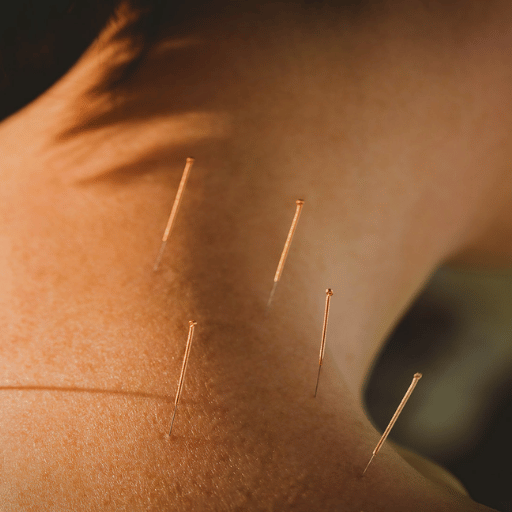
Because qi stagnation is treated as the root problem, a certified acupuncturist completes 3 to 4 years of training plus supervised clinical hours before treating patients in practice.
Acupuncture is a traditional chinese medicine style that punctures the body’s meridian lines with microscopic, inflexible needles. According to the Chinese tradition, imbalances in health can lead to problems if your qi — your body’s life force — gets stuck in a rut, and a needle nudges your energy flow back into rhythm to ease pain and improve problems. In both both dry needling and acupuncture, a single thin needle is used, but acupuncture alone works from a meridian chart.
An acupuncturist is someone who specialises in it-in most countries they study it for between three to four years to practice needling and recognise the patterns within the TCM and then are tested with a board exam at country level. So,acupuncture is used to treat not just in back and sciatica but the body-including headaches, sickness,period pain, stress, and sleeplessness-as an alternative option that for chronic pain can offer relief after other treatment attempts have been tried. For headache, and in the management of chronic lower back and neck and knee pain,the NCCIH(the U.S. National Institutes of Health research body), and a wide number of conditions, according to the World Health Organisation, it has been researched.
Why this works for you : as a systemic approach, acupuncture is the logical choice to turn to if your pain is intertwined with stress, fatigue and gut trouble, and not simply an individual muscle that has become dysfunctional.
Acupuncture is based on the insertion of thin needles at specific points on the body to alleviate pain along the meridians, where the needle and the connective tissue beneath it interact.
Dry Needling, Explained
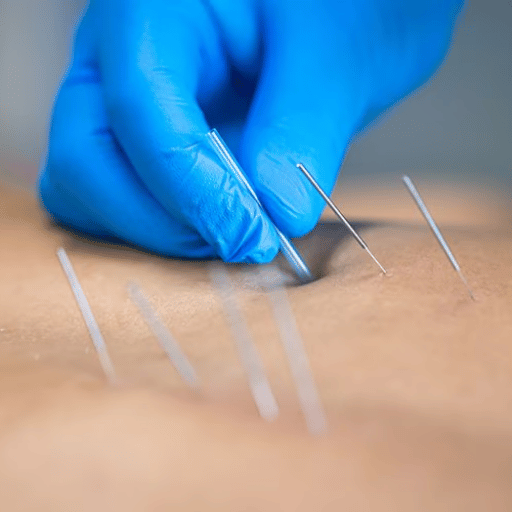
Most physiotherapists add a dry-needling certification on top of years of clinical work, and in a typical medical application the needle stays in the muscle for 10 to 30 minutes.
dry needling is a modern, western approach that places a solid monofilament needle through a myofascial trigger point-a super irritable spot within a tight muscle band-and lets it do its work, with the needle usually left in the muscle for 10 to 30 minutes. Often part of a wider musculoskeletal recovery program, seldom done alone, a physiotherapist (known as a physical therapist in the US) typically performs it for the sake of pain relief and improved motion.
It grew out of western medicine. Dr. Janet Travell did much of the research mapping muscular trigger points in the ‘40s, while Dr. C. Gunn’s 1970s-era IMS framed muscle pain as a nervous-system problem. needles can remain in place anywhere from about 10-30 minutes, or may simply be inserted quickly and then withdrawn (“pistoning,” as practitioners call it). The American Medical Association considers dry needling an invasive procedure.
Why is it called “dry” needling?
A needle is called “dry” because no medication is administered; a “wet” needle would be a hollow, hypodermic tube delivering some sort of fluid like a vaccine or an anesthetic. A dry needle is solid, delivering only the physical effect of the tool upon the trigger point, and releasing the knot.
A core goal of dry needling is to ease muscle tension in the taut bands of muscle. Once the needle is inserted into these bands of muscle, the body can mount a healing response that restores range of motion. Because it folds the dry needling treatment into a wider, evidence-based treatment plan, a physiotherapist certified to perform dry needling rarely uses it alone.
The Core Difference: Same Needle, Different Map
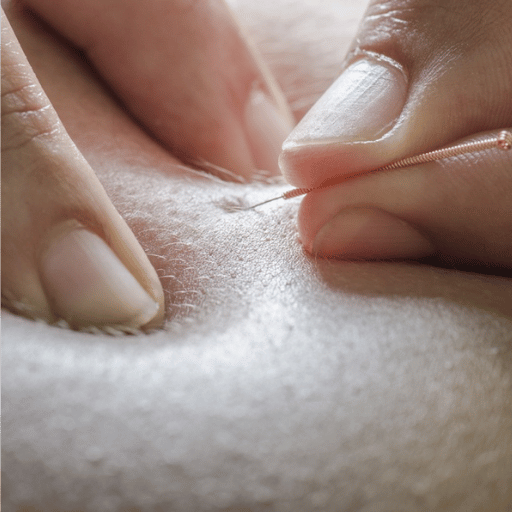
Both share the same 0.25 mm tool, but because a 2,000-year-old meridian model and a roughly 80-year-old trigger-point model define the problem differently, in practice the two are rarely interchangeable.
The Same-Needle, Different-Map Principle
If both use a thin solid needle, what distinguishes them? While the tool is nearly identical, the guidance system differ sharply. acupuncture guides using meridians and the total body system; dry needling guides using the muscle you can feel constrict under your finger.
“The points that the needles are placed are based on anatomy, such as muscle, nerves and joints, to help increase blood flow and oxygen and relieve muscle pain, spasms or tension.”
The contrast, therefore, is stark. A traditional Chinese medical acupuncturist asks: Where is the energy blocked through out my whole body? A physiotherapist doing dry needling asks: What’s the specific muscle causing this particular pain? Same steel, different question, and whether acupuncture will actually help you depends on aligning it to your true problem.
Depth and Sensation: Dry Needling vs Acupuncture
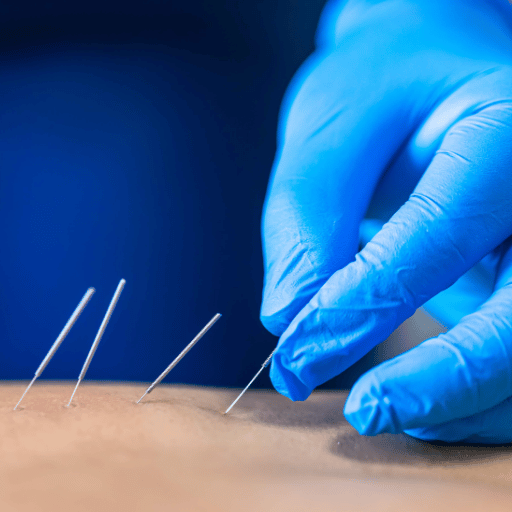
Does dry needling go deeper than acupuncture?
In many cases, yes. dry needling often aims for deeper penetration within the muscle belly in order to induce a rapid, involuntary local twitch response, signaling the release of the trigger point. acupuncture often seeks only deqi, a deeper ache associated with activating the area, which is lighter and more diffuse.
Neither is the painful jab many anticipate: dry needling and acupuncture filiform needles are about 0.16 to 0.30 millimeters in diameter-the size of a single human hair, whereas typical injection needles range from 0.4 to 0.8 millimeters.
In practice, dry needling can be more jolting during treatment itself, since the twitch is a short-lived muscular cramp, whereas acupuncture’s deqi comes about slower and in a heavier sensation. Typically both treatments are associated with some tenderness, akin to post-workout muscle soreness, which usually lasts for 24-48 hours. Our guide of what dry needling actually feels like walks you through the experience in depth, step by step, if you’re squeamish about needles.
💡 Pro Tip
Inform your provider if a location is particularly tender. a good practitioner varies depth, angle, and # of points ofneedleo avoid discomfort – your goal is a physiological response.
Needling can briefly cause pain, but for many people the benefits of dry needling include less tension and better strength and range of motion within a day or two.
Conditions Each Therapy Treats Best
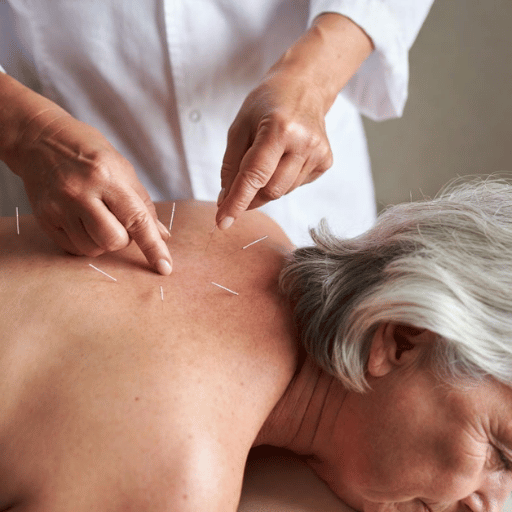
A general guideline: dry needling targets localized musculoskeletal pain; acupuncture is indicated for that and many more chronic and systemic conditions. here’s a quick chart comparing the two.
| If your problem is… | Often a better fit |
|---|---|
| Neck/shoulder muscle knots, sports strain | Dry needling |
| Low-back pain with tight muscles | Either; dry needling for the muscle, acupuncture for the pattern |
| Migraine, tension headache | Acupuncture |
| Pain plus stress, poor sleep or nausea | Acupuncture |
| Sciatica or disc-related leg pain | Either, alongside medical assessment |
Can acupuncture release muscle knots?
Yes, acupuncture can ease muscle knots, and deep trigger-point acupuncture largely covers that too. A few, very tenacious, knotty muscles? The most effective approach is generally considered dry needling, with the needle worked along the trigger point to the point of twitch. It’s the single biggest recommendation that people post to r/ChronicPain regarding muscle tightness.
Is acupuncture good for an L4–L5 disc bulge?
Acupuncture provides some temporary relief for theback pain and muscle guarding associated with disc herniation, but it doesn’t resolve the underlying herniated disc itself. A symptomatic L4-L5 disc herniation will still require a physician’s evaluation, but Acupuncture can help support you through it. (Learn more in our Lumbar Disc Treatment Guide, and check out our guide on acupuncture for migraine when they accompany disc issues.)
What Does the Evidence Say About Effectiveness?

Maturity, not effect, is the real research gap: acupuncture rests on decades of trials while dry needling has only about 15 years of study, and because depth drives results, deep needling outperforms superficial in certified clinical reviews with direct application to back and neck pain.
Is dry needling or acupuncture more effective?
If you only have a muscle knot, a very tight hip flexor, for example, then dry needling can work equally well and sometimes better. In fact, one clinical trial comparing dry needling to acupuncture found that the former led to greater reduction in both pain and disability for low-back pain over roughly 3 months . Counter-intuitive.
The research on depth, in particular, points us in the right direction – not to brand names. Deep insertion Acupuncture (be it dry needling or acupuncture) resulted in better pain outcomes than superficial needling, a review concluded. Where acupuncture shines with stronger, more long-standing research is its long track record in treating migraine, knee arthritis, and neck pain while dry needling’s data is growing quickly.
The honest summary
- Best for single muscle knot: dry needling is equivalent, and sometimes superior.
- Best for chronic conditions: acupuncture has the greater evidence base.
- For any needling: deeper, skilled technique beats shallow technique.
That is the real difference between dry needling and acupuncture: when the practitioner inserts the needles into trigger points rather than meridian points, the dry needle therapy targets the muscle directly.
Safety, Side Effects and Downsides

Pneumothorax is the rare but serious risk when a needle is placed near the ribs in clinical application, which is why certified, single-use needling matters and why a trained practitioner screens for it.
Is there a downside to dry needling?
Risks Associated With Acupuncture. When done with sterile, disposable needles by a trained practitioner, both are considered safe therapies. Common adverse events include temporary soreness, a small amount of bruising or spotting at the site for 24 to 48 hours, and temporary fatigue. There are some rare and serious adverse events including pneumothorax (a collapsed lung), which can occur with deep Acupuncture needling in areas near the ribcage (more associated with dry needling ).
⚠️ Important
Do not do Acupuncture with dry needling if you are pregnant, on blood thinners, have bleeding disorders, a weakened immune system, or an active infection. Consult your doctor prior to treatment if you have any of these conditions, or for a fuller explanation of side effects and prevention, please see our acupuncture for side effectspage.
Typical dry needling side effects are mild and short-lived.
Who Performs Each: Training and Licensing (incl. Dubai/DHA)

Here’s where the two really split and where Dubai is a little different than the US. acupuncture is administered by a licensed acupuncturist with three to four years of training in traditional chinese medicine. dry needling is usually provided by a physiotherapist that has obtained a dry-needling certification in addition to their physical therapy degree.
In a large part of the US, rules are gray areas. According to the American physical therapy Association, a large majority of states permit physiotherapists to dry needle; a select few don’t. Required training hours vary widely. There’s currently a dispute between acupuncturist groups, arguing that dry needling is a subset of acupuncture that requires similar training. PTs believe dry needling is a different process. To the patient: verify the licence not the title.
How this works in Dubai
In the UAE the question is often settled on your behalf by the clinic you choose to attend. acupuncture here’s presented as a DHA-licensed form of traditional chinese medicine. Before any practitioner can gain licensure the Dubai Health Authority requires at least a Bachelor of Traditional Chinese Medicine degree (a minimum 5-year study) and that qualifications are validated. dry needling on the other hand typically falls within the purview of a DHA-licensed physiotherapist. Consequently, in Dubai, “who needles you” – either a TCM professional or PT — will in most circumstances determine which modality of care you’ll receive. In our Dubai Healthcare City clinic, patients wishing to pursue the TCM option receive care from licensed acupuncturists.
Cost of Acupuncture vs Dry Needling
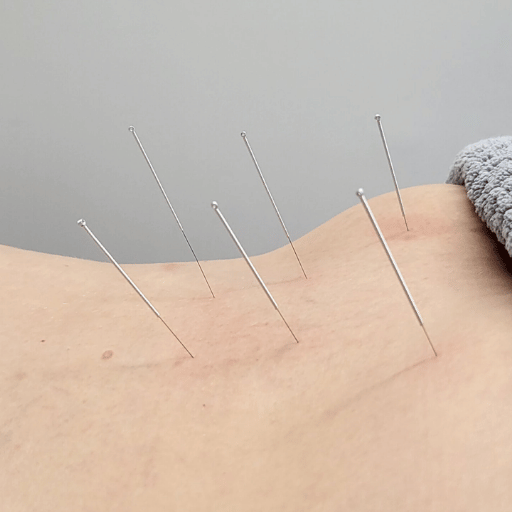
Pricing can be opaque and feel expensive, because dry needling is usually bundled into a physiotherapy visit while acupuncture is billed per session; in practice, insurance reimbursement varies widely (in some plans close to 0%), so ask a certified provider for written fees.
Given cost varies depending on region and the modality of treatment received, any single number should be taken with a grain of salt. However two pricing patterns hold true.
Typically, dry needling is an additional service billed with an existing physiotherapy session as it’s a component of a larger rehab plan, rather than as an individual treatment. acupuncture usually is sold as a stand-alone treatment per session, and given that it’s more established is more readily insured (though not always). Prices for treatments in Dubai differ by clinic, and it may be beneficial to explore whether courses of therapy are available as a discounted package, as the benefits of both acupuncture and dry needling accrue over the course of treatment. Price and insurance cover vary per clinic, always verify before booking.
Making Your Choice: Acupuncture or Dry Needling

A common mistake is forcing one answer: because a 34-year-old with a single muscle knot and a 47-year-old with whole-body tension face different problems, in practice the certified-clinician approach is often to start with one and add the other.
The 3-Question Modality Match
Follow the steps below. Each answer points you to one of the modalities that’s the better starting point – not to an exclusive path or a lifelong mandate, as each treatment may serve different purposes at different times.
- Is your issue isolated (one region) or systemic? One region lean dry needling. Whole-body (pain plus sleep, stress, digestion) lean acupuncture.
- Are you currently undergoing physiotherapy or rehabilitation? Yes dry needling nicely fits your existing regimen. No acupuncture makes for an easy standalone solution.
- Do you envision yourself with a whole-person approach through traditional chinese medicine? Yes acupuncture, which can be incorporated with complementary TCM care. No, your goal is to simply fix that area of the body dry needling.
Here’s a real-world example of the two matched together. A 34-year-old office worker came in with a single, seized-up trapezius knot after months in front of a laptop – no other complaints. That’s a text-book one-region, mechanical presentation, so a dry needling paired with a posture and movement programme would be an efficient entry point. That differs sharply from the 47-year-old with the headache, poor sleep and neck tightness all concurrently: that’s a complex, whole-body presentation and acupuncture – the one solution able to affect headache, sleep and muscle simultaneously – is probably a more straightforward place to begin.
Still baffled? You can also look at the hands-on alternatives, with Tuina versus deep tissue massage a handy primer for non-needle methods for getting knots out, and the complete guide to acupuncture in Dubai detailing a typical initial consultation.
The Outlook: Scope-of-Practice and “Biomedicalized Needling”
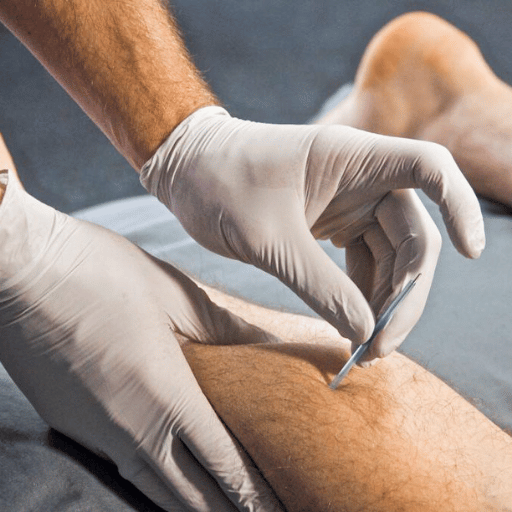
The real story on the future of this field won’t be a sales forecast, but a regulatory issue: who gets to put needle in you, and to what standards? For years, the acupuncturists and the physiotherapists have battled over dry needling, but a stance by the American Medical Association identifying it as an invasive procedure, which therefore requires formal training, ensures that battle rages on. As legislation gets put into place on both sides of the planet, the training and regulation divide will begin to narrow, not widen.
There’s another less widely talked about trend along the same lines, often termed “biomedicalised” needling. Both dry needling and acupuncture researchers keep finding a strong correlation between trigger point sites, and that the mechanism of action is comparable, from local stimulation of blood flow to signaling through the nervous system and stimulating endorphins. The only definitive study we could find in 2025 of deep vs shallow dry needling for neck pain also suggested a similarity of results, which demonstrates that the treatment technique itself is less important than the result it achieves. So whether the result comes from the traditional framework or a more modern interpretation, by 2026 your visit should follow the same advice as it does now: choose your practitioners wisely – look at their license and training, not the name of the therapy. If you’re seeking treatment this year, there’s nothing more important to consider.
Frequently Asked Questions
Is dry needling just acupuncture with a different name?
View Answer
Not entirely, no. They both use nearly the exact same needle (for this reason the needle appear visually indistinguishable) however each rests upon different theoretical frameworks and training regimes. Acupuncture forms part of traditional chinese medicine and specifically targets meridian points while dry needling is Western based, addressing trigger points within the muscles.
Acupuncturists’ groups may debate that dry needling could constitute an application of acupuncture; but for the Physiotherapists, they remain very distinctly separate practices, and the jury’s still out on this one. They may use similar tools, but they rely on different theory as well as possess different skills.
Does dry needling hurt more than acupuncture?
View Answer
Sensation can be more intense in the clinic. dry needling presses deeper into the muscles and elicit an involuntary twitch, which feels like a very strong jolt to many, but it’s quite short-lived. acupuncture’s deqi sensation is more often duller, heavier ache rather than a sting.
Neither technique uses the larger, hollow needle used during injections; for both methods, mild post-procedure soreness are relatively common, typically dissipating within a day or two. As each person’s system responds uniquely to stimuli, be sure to communicate with your practitioner to let them know what you feel during treatment.
Which is better for back pain, acupuncture or dry needling?
View Answer
Both are useful – and the best one for you may depend on what’s causing it. If the pain is down to a particular knotted muscle, dry needling goes straight to it, and the treatment proved as effective, or better, than acupuncture in the low-back pain studies.
If your back pain is bound up with stress, lack of sleep or an underlying problem you’ve had for a while, the body-wide action and longer evidence for acupuncture may be more appropriate. If you have a disc condition such as a bulge at the L4-L5 level you must get medical clearance for needling: the treatment then becomes supportive to your comfort and mobility.
Can a physiotherapist legally do acupuncture?
View Answer
As a standard practice, it’s actually a physiotherapist who offers dry needling not complete traditional chinese medicine acupuncture as the latter involves additional TCM certifications and licenses required to perform the therapy. In Dubai acupuncture is the specialty by the TCM specialty licensed from Dubai health authority hence always check for the individual credentials of the each practitioner
How many sessions of dry needling or acupuncture will I need?
View Answer
Session counts differ, but both usually work best as a short course rather than a one-off appointment. Many people notice a change within a few sessions, and your practitioner should agree a clear plan with you and review your progress as the course goes on.
Can I get both acupuncture and dry needling in Dubai?
View Answer
Yes. Both can be found in Dubai, but often with different practitioners; acupuncture with a DHA-licensed TCM provider and dry needling with a DHA-licensed physiotherapist. Sometimes patients use both. For example, some use dry needling at the beginning to release a muscle “knot,” then switch to acupuncture for maintenance. Check for the respective DHA license and inform practitioners of what you want the outcome to be, to avoid duplication.
Unsure whether Refunar or dry needling works for your condition?
About This Comparison
Created by Tong Ren Tang – a DHA-licensed traditional chinese medicine clinic in Dubai Healthcare City – the acupuncture vs dry needling guide is based on our patients asking us this same question regularly. In reality, patients are often treating with acupuncture as we see them daily in the clinic and therefore have aimed to deconstruct a truly perplexing choice.
– not to ‘sell’ one needle over the other. For the most part, we’ve noted where research is inconsistent.
References & Sources
- Acupuncture: In DepthNational Center for Complementary and Integrative Health (NIH)
- Dry NeedlingCleveland Clinic
- The effectiveness of superficial versus deep dry needling or acupuncturePMC / National Library of Medicine
- Is dry needling effective for low back pain? A systematic reviewPMC / National Library of Medicine
- Iatrogenic pneumothorax due to deep dry needlingPMC / National Library of Medicine
- Dry Needling: State Laws and RegulationsAmerican Physical Therapy Association
- Deep Versus Superficial Dry Needling for Neck Pain (2025)Medicina (MDPI)